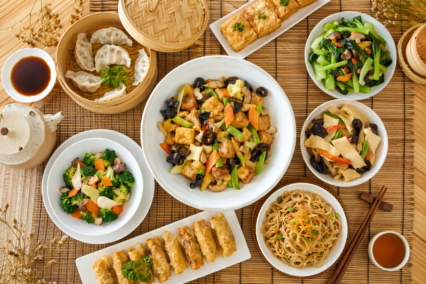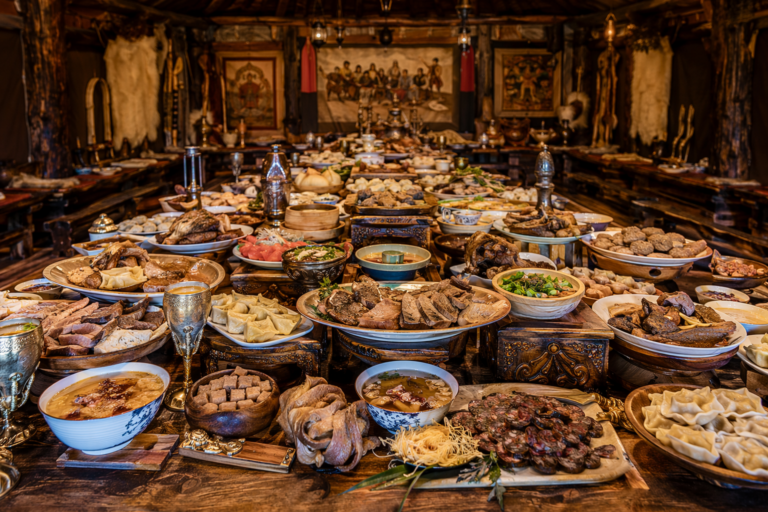
Key Highlights
-
North Asian food is part of the bigger asian cuisine, and you can see how it changes in a cold climate.
-
This blog gives you a look at the main regional cuisines you can find in Siberia, Mongolia, the Arctic, and northern China.
-
You will learn how food culture here is shaped by the land, trade, and the different cooking methods people use.
-
Common foods are fish, meat, dairy products, noodles, grains, and goods that are kept for long.
-
Old-school meals like pelmeni, buuz, ukha, and noodle dishes from northern china show how strong people feel about their local food.
-
Chefs in Australia can use these ideas, mixing their own local foods and simple ways to cook.
Introduction
North Asian cuisine can seem new to many people in Australia. But the food from this area is useful, full of flavour, and closely linked to where it comes from. It’s different from what you may know about asian cuisine. Some siberian dishes come from places with cold, long winters, while the northern types of chinese food use more wheat, noodles, and strong, salty tastes. You get to see a different side of Asia at your table.
If you mostly know the coastal or southern dishes, you might be shocked. The weather, how people store food, and the need to get through hard days shape the meals in the north. This is a big reason why their food stands out.
Understanding North Asian Cuisine for Australians
North Asian cuisine is a type of asian cuisine. It comes from places with a cold climate, long distances, and simple ways of eating. The food culture here is made for warmth. People focus on keeping food for a long time and use ingredients that last through long winters.
In this cooking, you will often see hearty dishes. The taste is strong and salty. The cooking methods are simple, like boiling, stewing, roasting, steaming, and drying. These are key things to know about north Asian cuisine. There are different parts in this region, so the next bit talks about where it is from and what makes the food taste the way it does.
Regional Definition: Siberia, Mongolia, Arctic, and Northern China
When people talk about North Asian cuisine, they don’t just mean one style of cooking. They talk about several regional cuisines that the countries in the north share. The most well-known dishes come from Siberia in the Russian Federation, Mongolia, Arctic groups up in the far north, and different parts of Northern China.
Siberian food mixes Russian and Indigenous cooking from across North Asia. Mongolian food is close to this, and it has a strong link with farming and the use of meat and dairy products. Cooking from the Arctic covers how people there cook with fish, game meat, and keeping food for a long time because they live in very cold places.
You also see northern Chinese food as part of North Asian cuisine. This includes dishes from places like Dongbei, Inner Mongolia, Shandong, Shanxi, Shaanxi, and the north-west along the old Silk Road. So, when people ask what countries make up this group, Russia, Mongolia, and China are the main ones. The arctic Indigenous way of cooking adds an extra piece to the story.
[asian cuisine]
[chinese food]
[dairy products]
[north asia]
[silk road]
[regional cuisines]
[northern china]
[northern chinese food]
[inner mongolia]
[use of meat]
Culinary Heritage and Cross-Cultural Influences
North Asian food culture didn’t grow on its own. It came about through travel, trade, and talking with people who lived close by. That’s why you spot cross-cultural links in what ingredients they use, how they cook, and the shape of some dishes.
The Silk Road moved foods, spices, and habits through northern and north-western China. Up in Dongbei, you can see features of the neighboring cuisines, with Russian, Mongolian, and Korean touches in things like pickled veg, breads, buns, and cold noodles. People even sometimes say pelmeni are like Chinese wontons.
This gives a clue about how north Asian food is not the same as other asian cuisine. While a lot of asian food goes for rice, herbs, or lighter tropical flavours, north asia is more about wheat, preserved foods, meat, and meals made for cold weather. Its food culture stands out because of both mixing with others and the need to get by in tough conditions.
How Geography and Climate Shape Food Traditions
Yes, north Asian cuisine is shaped a lot by where people live and what the weather is like. The cold climate and in some spots, a harsh climate, make a big difference. It changes what can grow, how long you can keep food, and what sort of meals you make most in daily life. That is one reason why these regional cuisines pick filling foods and ways to keep food good for longer.
In the northern parts, rice is not always the best pick. This is why wheat, barley, bread, and noodle dishes get used more. The things people eat are also shaped by what animals live there, what fish swim in the lakes, and what you can find out in the wild. People use cooking methods that bring warmth, help with storage, and get the most out of what is ready to use.
-
Cold winters mean people dry food, freeze it, smoke it, or pickle it.
-
On the grasslands, people keep herd animals, so meat and dairy show up a lot.
-
Where you get rivers and lakes, fish becomes very important.
-
Because there isn’t a long time to grow crops, people use more root vegetables and grains.
-
Where you live makes each region pick what works best for them and sets its own style with food.
Cooking methods, asian cuisine, root vegetables, regional cuisines, noodle dishes, harsh climate, cold climate.
Countries and Territories Represented in North Asian Cuisine
Across north asia, the main types of food people talk about are from Siberia in Russia, Mongolia, Arctic northern groups, and Northern China. These asian countries and places are mostly linked with this food story.
Each place has its own specific culture. But there are some things they share. You can see the features of the neighboring cuisines in things like dumplings, noodle dishes, preserved veggies, and dairy drinks. If you want an easy way to think about north asian food, look at Siberian, Mongolian, Arctic Indigenous, and Northern Chinese cooking styles. After that, it’s good to look at each tradition by itself.
Siberia’s Unique Food Culture
Siberian food shows how people deal with distance, winter, and keeping food safe for a long time. In the cold climate, meals are usually made with fish, meat, berries, and things that you can freeze, dry, or leave outside. This way of thinking is important in the local food culture.
Pelmeni are one of the most well-known dishes. In Siberia, you can freeze them outside in winter, so the meat in them stays safe until it’s ready to cook. Fish is another big part in the food here. You can often see cowberries or lingonberries, especially in the north of Siberia. Some Turkic-speaking people still drink kumis as part of their tradition.
The cooking methods in the area are easy and work well with the weather. Boiling, freezing, drying, and making simple broths all fit life in a cold climate. If you want to learn about traditional food from Siberian or Arctic places, you can start with Siberian pelmeni, fish soups, and ways they keep fish for a long time.
Mongolian Culinary Staples
Mongolian food comes from life on the move and looking after animals. So, the meals often have a lot of meat, dairy products, and foods that keep well. The cooking process is usually pretty easy. People use boiling, steaming, or grilling to bring out the best natural flavour.
Dairy products are very important in this food style. You will find things like milk tea, yoghurt, butter, cheese, and more on the table next to the meat dishes. In some central Asian places nearby, people also eat horse meat, and this shows how food in the northern steppe is connected.
If you want to try cooking at home, it is not too hard to start with North Asian or Mongolian-inspired dishes. Steamed dumplings called buuz and simple meat dishes that are boiled or roasted are good choices. They let the taste of the ingredient shine because the cooking process doesn’t need a long list of things. Most of the time, what makes the food good is to use simple steps, focus on the main ingredient, and not add too much extra.
Arctic Indigenous Communities and Their Dishes
Arctic cooking is based on a simple idea: food should match the environment. In areas where it is very cold up north, people follow old food traditions. They get most of their food from what they can catch, hunt, or keep safe to eat through the year. These regional cuisines stay closely tied to the local land and water.
Fish is very important here, and so is meat from animals like reindeer that can live in these cold places. People need good ways to save and store food because fresh things can be hard to get most of the time. The meals people make are often quite simple, but there is a lot of old knowledge and meaning in these dishes.
In places like Siberia and the Arctic, when you ask about well-known traditional food, you will often hear about meals with reindeer, salmon, or salted fish. These dishes are more than just food to eat. They show how people live with the seasons and look after the resources they have. This food also shares community knowledge that people pass down in families over time.
Northern Chinese Regional Cuisines
Northern Chinese food includes a lot more than what most Australians might think. In Chinese cuisine, the north covers places like Dongbei, Inner Mongolia, Shandong, Shanxi, Shaanxi, Ningxia, Gansu, Qinghai, and Xinjiang. It also brings together tastes and styles that are close to beijing cuisine and Tianjin food.
Wheat is big here, so you see a lot of noodle dishes, buns, pancakes, and bread in the food. Dongbei food is all about strong flavours with lots of pickled veggies, potatoes, beans, pork, and simple stews. Shandong cuisine gets known for its balance, seafood, chicken, soups, and real skill with the wok. Shanxi stands out for its vinegar and noodles, and Shaanxi is loved for bold tastes from beef and mutton.
If you want to see what northern Chinese food can be, look for dishes like zha jiang mian, peking duck, tanghulu, Four Joy meatballs, dao xiao mian, biangbiang noodles, Rou Jia Mou, Lanzhou beef noodles, and big pan chicken. All these dishes show just how many flavours northern Chinese food brings to the table.
Characteristics and Identity of North Asian Cuisine
The identity of North Asian cuisine comes from the cold weather, people moving around, and the need to survive. In this part of asian food, you will often see big meals, preserved food, wheat being used a lot, and a close link between how people live and food culture.
The regional cuisines are not the same, but they all have some practical ways of making food. Popular cooking methods are boiling, steaming, roasting, stewing, smoking, and pickling. These main things help north asian food stand out. To learn more about it, look at the flavour, texture, and see how it is different from other asian cuisine.
Distinctive Flavours and Taste Profiles
North Asian food usually has strong, salty, and rich flavours. It feels good to eat when it is cold outside. The taste is more about being hearty and warming, not so much bright and tropical. Some dishes from Northern China mix in sour, sweet, or a bit of spicy, but overall, meals feel solid and full. These bold flavours are perfect for cold weather and big meals.
The ingredients you use change, depending on where you are. In some north Asian cooking, like in the north of China, cooks use soy sauce, sesame oil, black pepper, dried chilli, garlic, onion, ginger, and at times star anise for flavour. Pickled veggies and savoury broths also add a lot to the taste. In colder places, like Siberia or the Arctic, flavour often comes more from the fish, meat, and dairy, or how things are kept and stored, not just from many spices.
This is one reason why north Asian food is different from what you get in Southeast Asia. There, people use fish sauce, citrus, and a lot of fresh herbs. You might see a shorter list of ingredients in northern asian food, but the taste is still full, comforting, and very satisfying.
Typical Textures and Presentation
The usual textures in North Asian food are soft, chewy, brothy, or meaty. Dumplings have soft wrappers. Noodle dishes can be springy or thick. Stews are often filling and not light. In many places, the way the food looks is simple. People care more about keeping warm, having enough to eat, and feeling good.
But that does not mean the food needs no skill. Northern Chinese cooking often has fast wok work at high temperature. Good knife work and cooking in a steamer basket are also used. Still, the food often ends up looking plain and useful. In Dongbei, taste matters more than how food looks.
Common texture and presentation traits are:
-
chewy wheat noodles and thick dumpling skins
-
soft meats because of stewing or steaming
-
crisp or sharp pickled veggies next to rich mains
-
a simple way to serve food, with big shared dishes
Unlike some other Asian food, north Asian food cares less about how it is set out on the plate. It focuses more on being filling, balanced, and making people happy.
Comparison with Other Asian Food Styles
North Asian cuisine is not the same as other asian cuisine. This comes from differences in weather, main foods, and ways to keep food for longer. North Asian food is usually less tropical than southeast asian cooking. You’ll often find more grain, meat, broth, and dairy in it. There are also strong links to winter foods. Meals are big and fill you up.
If you look at southern chinese food, there’s more rice there. But northern chinese food uses more wheat for things like noodles and bread. When you compare with west asian cuisine, there is some love for meat, grains, and dairy in both. But north asia spices its food in other ways to suit the cold. It is common to see some things in both central asian and north asian foods. Many times this is eating herd animals and having dairy drinks. This overlap shows up the most around Mongolia.
Food culture in this area is shaped by Russia, Mongolia, Korea, Muslim groups, and China. Which one you see depends on where you go. That means north asia is not just one asian cuisine. These are different food ways put together by the land and by the people who live nearby.
Essential Ingredients in Siberian and Arctic Cooking
In Siberian and Arctic cooking, the food people use is there for survival and it’s what they have at hand. The most commonly used ingredients are fish, meat, berries, grains, and foods they can store for some time. Fresh fruits and veggies are not always there. This depends on the season and where they are.
What people pick as their staple food changes by region. But these foods are picked because they are good for daily life up there. Dairy products show up in foods from the steppe and northern places. You also find root vegetables and breads made from wheat in parts of northern China and Siberia. These foods and ingredients can feel a bit new compared to asian cooking you get here in Australia. To tell them apart, you can put them into three groups – proteins, foods from the ground like root vegetables, and flavouring staples.
Common Proteins: Fish, Game, and Dairy
Protein is found in many dishes in North Asia. It’s in the centre of what people eat. In Siberia and up near the Arctic, fish and game meats are very important. This is because these foods fit the local weather better. In Mongolia and those big grassland places, dairy products are also a big part of the daily meals.
There are different common meats depending on where you are. Pork is liked in some parts of Dongbei. People in Inner Mongolia, Qinghai, Xinjiang, and other north-west areas use a lot of beef and mutton. The use of meat usually shows things like herding, hunting, or how people keep food in cold weather, it’s not just because of wealth.
Here are the usual protein sources you will find in North Asian cooking:
-
fish from the rivers, lakes, and the sea in the north
-
game meat in Arctic and some Indigenous food
-
mutton and beef in the steppe and north-west regions
-
milk, yoghurt, butter, cheese, and milk tea for people who herd animals
If you want to know more about Asian cooking from the north, start with the dairy products and common meats. The use of meat tells you a lot about the way people live there, not only about what they like to eat.
Grains, Root Vegetables, and Wild Foods
North Asian kitchens use more than just protein. They count on grains that do well in cold places, too. Wheat is a big staple food in Northern China, while barley is common in Qinghai. People use these grains to make bread, buns, pancakes, and noodles.
Root vegetables are also key because you can store them for a long time. In Dongbei, spuds and carrots are important to many meals, and in the north, you often see lots of onions and garlic. These ingredients may seem simple, but they go well in stews, braises, and noodle dishes where you want warmth and something filling.
Wild foods bring even more to northern meals. Siberian people use cowberries or lingonberries, and you find all sorts of local fish and gathered foods in the north. Many places don’t have lots of fresh ingredients all year, so these wild and seasonal foods help make the diet bigger. They also tie the food you eat to where you live, the season, and the way people have cooked there for many years.
Signature Herbs, Spices, and Preserved Items
North Asian flavouring is often direct rather than crowded. In Northern Chinese cooking, signature herbs and spices include ginger, garlic, onion, dried chilli, black pepper, peppercorn, fennel, and sometimes star anise. Sesame seeds also appear, especially in northern and Inner Mongolian food.
Preserved items are just as important as seasonings. Pickled vegetables, dried fish, frozen dumplings, and cured foods help households manage long winters and limited fresh supply. In Dongbei, pickling is a strong regional habit, while Siberia uses freezing and drying with similar purpose.
|
Ingredient or item |
Common use in North Asian cooking |
|---|---|
|
Black pepper |
Adds warmth and gentle heat to meat and noodle dishes |
|
Star anise |
Used in some north-western Chinese braises and savoury stocks |
|
Sesame seeds |
Sprinkle for aroma, texture, and richness |
|
Pickled vegetables |
Bring sharpness and balance to rich meals |
|
Dried chilli |
Builds simple heat in hearty dishes |
|
Frozen or dried fish |
Supports storage and winter eating |
Cooking Techniques and Preservation Methods
North Asian food is shaped by how people cook their meals as much as what goes into them. The cold weather and long distances mean that food methods focus a lot on being simple, keeping flavour, and making food last. That is why ways to keep food, like freezing or smoking, are important in North Asian food culture.
The cooking process can be different from place to place, but some things happen again and again. People freeze, dry, smoke, pickle, stew, roast, and steam food. These cooking techniques stand out in North Asia and are easy to notice in this region. In the next parts, you will see how the cooking process is part of daily life, from how they keep fish to how they cook meat slow over heat.
This is what makes North Asian food culture so rich and well-known.
Smoking, Curing, and Fermentation
Smoking, curing, and fermentation are good ways to get through long winters and times when there’s not much fresh food. These keep food from going bad and make things taste even better. For folks in northern areas, this is as important as actually cooking meals.
You can see examples of this in pickled veggies from Dongbei. Foods that get dried and stored in Siberia and Yamal also show this. Many in the north store their fish or meat to use later. You don’t always need high heat for this work. Instead, these ways use time, some salt, air, cold, and change with the help of good bugs.
Some common ways to keep food good are:
-
smoking fish or meat, which helps it last longer and gives it a richer taste
-
curing foods with salt, so you can keep it safe to eat during cold months
-
fermentation or pickling, which helps veggies last through winter
For people in Australia, these ideas show that asian cuisine is more than a hot dish. It’s also about getting ready before time and making your food stretch longer, with less waste.
Stewing, Roasting, and Hearth-Based Cooking
Stewing and roasting are big parts of North Asian cooking food traditions. These ways of cooking are good for large cuts of meat, simple seasoning, and when people eat together. In places where it is cold, these methods help everyone stay warm. They also make simple things into good, filling meals.
Stewing works well for tough cuts of meat and root vegetables. It is good for meals with grains too. In a modern Australian home, you can use a heavy pot or a dutch oven to get that slow cooking style. Roasting and grilling are also common in asian cooking from the north, like in Inner Mongolia and north-west China where people eat more meat.
Cooking over a hearth, open flame, or with steady heat gives food a rustic feel. It shows how people used to cook before modern kitchens. It is not about fancy steps with food. It is about making good food that will feed the whole family, bring people closer, and fit the season.
Storage and Winter Preparation Traditions
Storage is a clear sign that geography shapes what people eat in North Asia. The weather gets very cold there. So, people can’t get fresh food every day, all year. Getting ready for winter is a key part of meal planning at home.
Siberian pelmeni, which freeze outside, are well known. In Yamal, drying food and other ways to keep it safe to eat are common too. Families in Dongbei have kept veggies for ages, like pickled cabbage and other things grown in the garden. Foods made with wheat also last more than things that go bad fast. These ways are built into asian cuisine and the different regional cuisines of North Asia.
So, cold weather and where they live strongly affect North Asian food. People pick their meals for not just taste, but also how long they last, how good they are for you, and how sure they are to have it. That is why food storage is not a small thing here. It is at the heart of what people make, when they cook, and how they stay fed during the winter months.
Iconic Traditional Dishes of North Asia
Many people first try north asian food by tasting some of its most popular dishes. These meals show that asian cuisine can seem very different when it comes from cold weather places. You also see the use of herd animals, wheat foods, and simple cooking methods in these foods.
Every region has a dish that stands out. But all these dishes show a strong link between the ingredient and where it comes from. In Siberia, people eat dumplings and fish. In Mongolia, they have steamed and roasted meat as their main foods. Arctic people use northern proteins. Northern China is known for noodles, buns, soups, and braises. Here are some of the main plates of asian food you will hear about the most.
Siberian Specialties: Pelmeni, Stroganina, and Ukha
Siberian food is best known by pelmeni, which are meat dumplings you often see in the region. These dumplings are easy to carry, handy for people on the move, and in winter, they can just freeze them outside. This fact alone says a lot about life in Siberia and the cooking techniques people use there.
There is another standout food from the north called stroganina. You find this dish in places where it gets very cold. The fish in stroganina are frozen and then served fresh that way. This shows how much people in Siberia use fish and work with the cold weather. Ukha is another dish to know, a simple fish soup that warms you up and fills you with only a few main things needed to cook it.
If you put pelmeni, stroganina, and ukha together, you see what meals really mean for people in Siberia and the Arctic. These traditional foods say three key things at once: saving food for longer, using what fish or meat is local, and simple, straight cooking. They don’t go over the top. These foods are all about the local place, use, and a long culture of these cooking techniques.
Mongolian Must-Tries: Buuz and Khorkhog
Buuz are a simple way to step into Mongolian food. These steamed dumplings use just a few things, but you end up with a filling meal. Even if you are new to cooking food from North Asia, you can make buuz at home. They are safe to try and make for an easy start.
Khorkhog shows another part of Mongolian cooking food. This meal is about meat and often cooked outside or with mates. The focus is on strong taste and group eating. Buuz is more about steam and dough. Khorkhog is more about big pieces of meat and outdoor fun. Both dishes point to important parts of Mongolian life.
These meals show what Mongolian food is really about—being useful and telling a story. Buuz is good for daily eating with friends or family. Khorkhog is about getting together, eating meat, and showing where you are from in North Asia. If you want to bring some North Asia style to your kitchen, buuz is the one to try first. It’s easy to make, sticks in your mind, and feels right for the place.
Famous Arctic Meals: Reindeer, Salmon, and Bannock
Arctic cooking is built around the foods that come from the land and water up there. Two good examples are reindeer and salmon. They both come from hunting and fishing in the north, and they help people get the food they need in tough weather.
These meals use a lot of wild local foods and the know-how of the people there. Instead of getting long lists of things sent in from far away, Arctic methods use what can be found close by. That means fish from the cold sea and animals that live in the far north. In the end, the food feels simple, honest, and really comes from that place.
Bannock gets talked about a lot along with these foods. It’s a basic bread that fits well into daily meals. When you put reindeer, salmon, and bannock together, you answer what foods many people eat in Siberia and the Arctic. They show that there isn’t just one way to eat up there. Their food brings together protein, ways to keep food, and bread, which all make life work every day.
Northern Chinese Favourites: Dongbei, Shandong, and Inner Mongolia
Northern chinese food has a lot to offer, but a few well-loved dishes stand out fast. In Dongbei, people love pickled cabbage soup, stir-fried potato strips, and braised pork belly with mung bean noodles. There are also plenty of hearty vegetable dishes. The food here is strong in flavour and good for the cold.
Shandong cuisine has its own style. The area has one of the oldest cooking ways in China and helped shape cooking later seen in beijing cuisine and Tianjin. Some famous foods from here are zha jiang mian, peking duck, tanghulu, sweet and sour fish, Four Joy meatballs, and stewed pork hock. The food shines because of the way it is balanced, tasty by nature, and made with skill.
In inner mongolia and other far northern places, there’s a focus on meat, dairy, and noodle soup. Think of mutton skewers, salted milk tea, grilled goat’s leg, and warm noodle dishes from Gansu and Xinjiang. If you want to try northern chinese food, this part of the country gives you heaps to pick from.
Culinary Customs and Food Rituals
North Asian meals are not just about the food on your plate. The way people eat, share, and sit at the table is a big part of meal time. Across the whole of Asia, food is a way to bring people together. Meals help families talk, celebrate, or spend important days with each other, and in the north, that happens too, just in its own way.
In the north, food customs often change with the weather, where you live, and who your people are. People eat in a way that suits them, and sometimes meals are made special for family days or big events. If you want to know if there are well-known north asian food traditions for children and families, just look at the big feasts, tasty festival foods, and good table manners they follow. That is where you can really see asian food culture shine.
Family Celebrations and Community Feasts
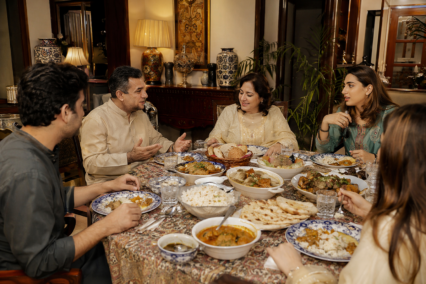
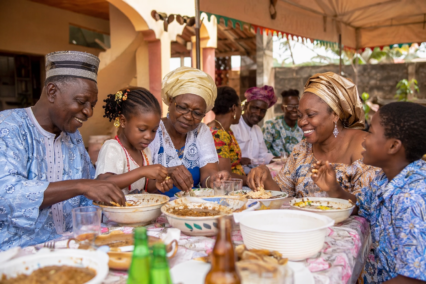
Across Asia, people often come together over meals, and this is true in North Asia too. Family get-togethers and big community meals help everyone feel more connected. This is very important where the weather gets tough and people need to help each other out. In these places, you can see food rituals based on sharing big plates, broths, meat, dumplings, or food that is kept for a long time.
In Inner Mongolia, a full mutton meal shows how having food together can turn into a big event. All the food is set up to look rich and welcoming. This tells you a lot about what people in the area value. In other parts, dishes like dumplings, soups, and noodle dishes are good for groups because they fill you up and you can make many serves at once.
When it comes to kids, these get-togethers stick in their minds, as they involve coming together, sharing what they eat, and building strong links to a specific culture. The food may change, depending on the area, but the idea is the same: food is not only something you eat. It is also about fitting in and being part of something.
Symbolic Foods in Festivities
Foods with a special meaning in North Asian celebrations are often ones that the people value in their own way. They might take pride in those foods, or these dishes might bring family together. The stories around these foods don’t always go into detail about what each one stands for, but it’s clear that some become important. That’s because the foods help people get together, show off what’s easy to get where they live, or mark a good time.
In asian cuisine, special food at parties and gatherings does more than just taste good. That’s true here, too. Dishes with lots of meat, dumplings, or well-known regional specialities say a lot. They can show people are generous, that someone’s good at cooking, or that you belong to this place. These ideas change a bit across regional cuisines, but people know them when they see them.
There are some examples of foods that matter at these times:
-
buuz, which people share during family feeds
-
big dishes with mutton in Inner Mongolia, which show there’s plenty to go ‘round
-
pelmeni, good for getting everyone to cook together in winter
-
Peking duck and famous northern foods made for special days
Kids don’t forget these foods, either. They remember them because the meals come with stories, big get-togethers, and family ways that keep coming back.
peking duck
[asian cuisine](https://
Table Manners and Eating Habits Unique to the Region
North Asian table manners come mainly from sharing meals and from hands-on service, not from strict formal rules in the source material. The food culture here is all about having people together, so the food is made for more than one person and for sharing with others at the table.
How people eat goes with the kind of food people cook. There are broths, dumplings, bowls of noodles, roasts, and pickled sides. These all help meals to be about people coming together, enjoying the food as a group. In northern China, asian cooking uses a few main cooking methods. These common ways include steaming, stir-frying, braising, and making soups. This means meals in this food culture have lots of tastes and different feels on the tongue, with the dishes served so people can try a bit of everything on the table.
For kids, this makes North Asian food ways feel friendly. A family can give out dumplings, have a bowl of hot soup, or serve slices of meat so everyone gets to take part. Even if the source material does not give many formal rules for asian cooking, you can see the way of the region in the way people eat. Meals in northern China are about being together, showing warmth, and having good times with each other.
North Asian Cuisine for Australian Kitchens
North asian cuisine can fit well in Australian homes. The reason is, many dishes use clear steps and easy-to-find ingredients. If you like asian cooking and want more than a normal stir-fry, you can try warming soups, noodle dishes, dumplings, or roasted meats from this region.
The cooking process for these meals is often easier than people think. You use simple methods like boiling, steaming, stewing, or roasting. You do not need fancy steps. There are lots of popular examples. With some swaps, you can use local things in your kitchen. This makes it simple to enjoy these asian cuisine ideas for your weeknight meals or big family dinners. The next parts will show you tips to adapt, keep things easy, and have these tasty dishes at home.
Adapting Traditional Recipes for Local Ingredients
You do not need a specialist pantry to cook North Asian dishes at home. The cooking process often starts with what you already have, like flour, potatoes, carrots, onions, cabbage, meat, or fish. In Australia, local food can work well if you keep the way of cooking close to the real dish.
Fresh vegetables and root vegetables are easy for us to find. Some types of cooking use animal fats or dairy, but at home, you can use olive oil for things like sautéing or roasting if you want. The meal might not be exactly the same. But you can still get the right feel of the dish.
Some handy swaps are:
-
potatoes, carrots, and cabbage work for Dongbei-style vegetable dishes
-
local fish can go into northern soups or preserved-style meals
-
plain yoghurt or milk works for dairy-based northern recipes
-
normal flour and pantry basics are good for dumplings, buns, and noodles
You can also try vegetarian meals, when you use grains, fresh vegetables, mushrooms, and broth instead of meat.
Popular Kids’ Meals and Family Dinners
Some dishes from North Asian cuisine are great for families. This is because they taste mild, fill you up, and are easy to share. For example, dumplings are a top choice. They are easy to hold, the shape is just right for everyone, and kids will like them. They are even better with a simple broth or a dipping sauce.
Noodle dishes are another good pick for when you all sit down together. In the northern parts of China, you can find all kinds of noodle dishes. There are thick knife-cut noodles and noodle soup that feels good and hot. You can also try mild stews made with potatoes or soft vegetables. Many kids will like these because the taste is simple and the food is easy to eat.
If you are after a popular dish from this style of Asian cuisine for your family’s table, you might go for pelmeni, buuz, or an easy northern noodle bowl. These meals give a feeling of warmth. It is easy to share them, too, so they work as well for a quiet night as they do when the whole family comes together.
Vegetarian and Contemporary Twists
You can make vegetarian North Asian dishes, even if the old recipes often use meat or fish. The best way is to keep the same cooking techniques, and just swap out what’s inside. Many things like dumplings, noodle bowls, and stews can change to fit this way of cooking.
For instance, replace the meat with cabbage, potato, carrot, onion or other fresh ingredients. These are common-up in this type of food. If you use wheat noodles with nice vegetables, pickled sides, and a strong broth, the dish will still taste like it comes from that area. With asian food, home cooks today can be respectful to the past, without needing to be strict about it.
So, can you find vegetarian picks if you look at Siberian and Arctic cooking? Traditional options are not as common, as much of the source material uses meat. But, you get some options by adapting recipes. If you’re in Australia and want to try asian food, you can use ideas from the north to make good, seasonal meals. The meals can follow old-school ways without needing to be exact copies.
Where to Explore North Asian Food in Australia
If you want to try north asian food in Australia, look past just choosing one type of restaurant. This area of asian cuisine shows up as Russian, Mongolian, Northern Chinese, and even other local food culture. It does not fit into just one box.
A good list of north asian food includes Siberian, Mongolian, food from cold climates, and dishes from Northern China. In Australian kitchens, you might get to know this cuisine by looking at the food and things in the meals, not just where they come from. Many restaurants, local markets, and food festivals let you spot these north asian links. This is often where your search for something new in asian cuisine and asian food can really pay off.
Restaurants, Markets, and Cultural Festivals
In Australia, one good way to try this type of food is to find restaurants that have Northern Chinese, Mongolian, or Russian-style meals on the menu. You may not always see “North Asian” written outside the place, so you should search by the name of the region or by special dishes.
You can also check out markets. Markets are often where people from migrant groups buy things like flour, noodles, dairy foods, pickled veggies, spices, and frozen dumplings. Cultural festivals are another good way in, as the stalls there often give you food from a region, not just a general label. This can make it easier to get what the food culture is all about.
Places you can try are:
-
restaurants with Northern Chinese dishes
-
markets that sell imported noodles, pickled veggies, and dairy foods
-
cultural festivals that show off asian cuisine from people in the north
For australian kitchens, these places are great as you get to taste food, ask questions, and see what you need to cook at home.
Sourcing Authentic Ingredients Locally
Finding real ingredients in Australia starts when you know what your dish needs. Many North Asian recipes use the basics and not rare or hard-to-find things. You can get a lot done with flour, cabbage, potatoes, carrots, onions, fish, yoghurt, and some common spices.
To find more special products, go to local Asian grocers. You can get noodles, pickled vegetables, dried chilli, sesame stuff, and those other things you need for northern Chinese or Mongolian cooking. Frozen dumplings and preserved foods might also help you learn the tradition, even if you like to cook all the food yourself later.
You do not have to make everything perfect in your Australian kitchen to get good meals. Start with fresh ingredients and build around them. If you want a clear list of North Asian cuisines when you shop, think about these groups: Siberian, Mongolian, Arctic-inspired, Dongbei, Shandong, Shanxi, Shaanxi, Inner Mongolian, and north-western Chinese cooking.
Conclusion
To sum up, North Asian cuisine has many wonderful flavours that show the different ways of life in places like Siberia, Mongolia, and the Arctic. You can try hearty dishes like pelmeni and buuz, or lighter tastes like reindeer and salmon. There really is something for everyone. When you try these foods, you get to learn about and feel closer to these cultures, as well as enjoy something new on your plate. You can try cooking these dishes at home, or check them out at local restaurants and markets. These food traditions from asian cuisine make any meal more interesting. If you want to know more, you can book a free talk with a local chef. They will help you find the best way to add these meals to what you eat now. Enjoy your food journey!
Frequently Asked Questions
What are some classic North Asian dishes I can make at home?
A good way to start is with pelmeni, buuz, or easy northern noodle dishes. Every popular dish uses clear cooking methods like boiling, steaming, or simmering, so they are good for home cooks. These regional cuisines give you an easy first taste of asian cuisine. You do not need to have a big asian food pantry to try them.
Are there vegetarian options in Siberian and Arctic cuisines?
Traditional Siberian food and cooking from the arctic use a lot of fish and meat, with a strong focus on ways to keep food fresh. Because of this, food made just from plants is not as common in their cooking. But you can still change dumplings, stews, and noodle meals by using cabbage, potatoes, onions, and other fresh ingredients. This way, you keep the same style but make it better fit asian cuisine.
How does the geography influence North Asian food traditions?
Geography has a big impact on North Asian food culture. There is a harsh climate and long winters. So, people need to store, freeze, dry, and pickle food. Meals are mostly hearty in this area. When the climate is cold, cooking methods have to match the animals, grains, fish, and other foods found there. This means asian food in the north is practical, filling, and linked to places with cold weather and a harsh climate. You can really see how cooking methods fit the life and food culture in these cold parts of Asia.