Key Highlights
-
Newari food is from the Kathmandu Valley and shows off the old food ways of the Newar community.
-
You will get a simple guide to top Newari dishes, like samay baji. It also covers sweets, drinks, and lots of everyday food items.
-
The blog tells you why many main items show up in special occasions, festivals, and at social gatherings.
-
You will also find out what gives Newari food its unique taste. This comes from local ingredients, different spices, and the way they cook.
-
For people in Australia, this is a good first look at what you can try in Nepal and where you will get real Newari flavours.
Introduction
Newari food is one of the best-known traditions from Nepal. It started with the Newar community in the Kathmandu Valley. Over the years, this food has grown with bold flavours, local ingredients, and a close tie to the way people celebrate and live every day. If you are in Australia and want to try more than just the usual Nepalese meals, this guide is for you. You will get to know what makes Newari cuisine special, which dishes are most loved, and why it is so important in their culture.
Traditional Dishes of Nepal’s Newar Community Every Australian Should Know
Traditional Newari dishes show you how the Newar community brings food into their culture, family times, and big events. These food items are more than just meals you eat every day. They are main items you see at big feasts, on family tables, and at most big gatherings.
If this is your first time in Nepal, these traditional Newari favourites will give your taste buds something new. You will get to try bold spices, good texture, and all sorts of savoury and sweet flavours. The newari dishes below will show you how different and full of taste Newari food can be.
1. Samay Baji – The Quintessential Newari Platter
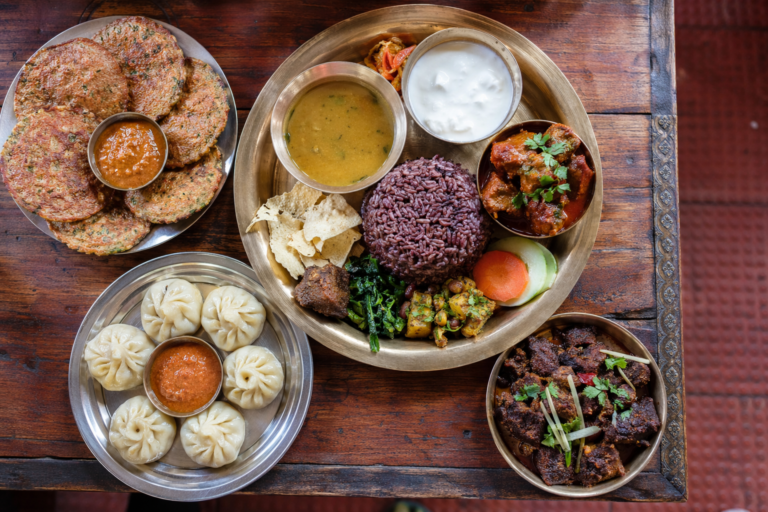
Samay Baji is seen by many as the best way to get to know traditional Newari food. It is not just one dish. It is a plate made with various food items that come together for a full eating experience. That is really why it stands out in Newari food.
You will hear Samay Baji talked about with special occasions, family events, and social gatherings. In Newari food culture, this matters because it puts many tastes and textures onto one plate. The dish shows the variety of Newari food in a simple and clear way.
How you share and serve it is also just as important. At gatherings, Samay Baji is sometimes served on leaf plates, which makes it feel more like traditional Newari. If you are looking for a dish that brings celebration, community, and custom in the same place, this is a good starting point.
2. Bara (Wo) – Savoury Lentil Pancakes
Bara, which some also call Wo, is one of the newari dishes that a lot of people remember after they eat. These tasty lentil pancakes are a big part of the newar community’s food traditions. People like them for their simple start and how good they feel to eat.
The most important part of this dish is black gram, or black lentils, which people turn into a thick paste before they cook it. This is what gives Bara its filling texture and helps show why it is still a well-known newari food. It may look simple, but it means a lot in the culture.
If you visit Nepal and want to try traditional newari food, Bara should be one of the first ones you taste. You see it at festivals, and it’s also something people cook at home. If you’re in Australia, Bara can feel close to home because it’s a bit like a pancake, a fritter, or even a savoury snack.
3. Yomari – Sweet Steamed Dumplings
Yomari is a well-known sweet dish in traditional Newari food. It is made from rice flour and shaped into rice flour dumplings. People do not eat yomari every day. Instead, it is shared during special times because it has a strong cultural significance.
Yomari is most important in the second month of Nepal Sambat. It marks the end of the rice harvest. This means that yomari is more than just sweet food—it also has meaning for the Newari people. Food in Newari culture connects to time, tradition, and who people are.
If you want to try the best traditional Newari foods, you should include yomari in your list. Yomari’s use of rice flour, the part it plays during the end of the rice harvest, and when it is made make it stand out. It shows how Newari cooking can turn simple things into something special and classic.
4. Chatamari – Newari Rice Crepe
Chatamari is often called Newari pizza, so people in Australia can get a quick idea of what it is. But really, it’s one of the well-known rice flour crepes straight from Newari food. That name helps when you try it for the first time, so you can picture it.
The base of chatamari is made with rice flour. This is one of the main things you will find in a lot of Newari dishes. Because of this, chatamari fits right into Newari khaja. These are lighter meals or snacks that are a big part of Newari food.
If you’re in Nepal thinking about what to have, you should try chatamari. It seems like something you know, but still feels new. It’s flat and easy to share, which feels familiar. At the same time, Newari cooking uses rice flour in a way that gives this food its own look, taste, and feel.
5. Chhwela – Spiced Barbecued Meat
Chhwela is a traditional Newari dish for people who like bold meat dishes. It is made with buffalo meat, and the taste stands out. The flavours are strong and direct, not mild or covered up with a lot of extras.
Mustard oil is a big part of that taste. You will find it in many Newari food recipes. In Chhwela, mustard oil helps give it that sharp kick people remember. This strong flavour is why Newari food leaves a mark on anyone who tries it for the first time.
If you wonder what traditional Newari food to try when you visit Nepal, you should start with Chhwela. It’s a great way to see how Newari cooks deal with meat. The taste is intense, focused, and shows deep roots to what people in the Kathmandu Valley have been eating for years.
6. Juju Dhau – The King of Yogurt
Juju Dhau is a sweet dish that people always think of with Bhaktapur. Lots of people call it the king of yogurt. It is a big part of newari food and the local way of life. In fact, you see how everyone there links Juju Dhau with who they are.
One of the best things about Juju Dhau is how people serve it up. The clay bowl is as famous as the sweet dish itself. It gives a special touch and makes Juju Dhau feel old-school. There is a real pride in the way they do this. That is why so many remember it for more than just taste.
If you are around Bhaktapur and want to try some food, go for Juju Dhau. The king of yogurt shows a softer side to newari food. After eating something rich or spicy, this sweet dish is good to mix things up and lets you see their style in a new way. In Bhaktapur, Juju Dhau stands out as a must-try and is part of what makes the place so special.
7. Sapu Mhicha – Stuffed Bone Marrow Delicacy
Sapu Mhicha is a well-known dish in Newari food, and its name makes a lot of people wonder what it is. The dish uses bone marrow and buffalo leaf tripe, so it stands out from the other Nepalese meals that many Australians know.
This is not the kind of thing we eat as a quick snack. Sapu Mhicha is usually served at special occasions. The food is rich, and there is care put into how it is made. That is why it has a strong place in special Newari meals.
If you want to see how many different meals there are in Newari food, this dish will help you get the idea. When visitors are looking for traditional foods to try, Sapu Mhicha is a good choice because it comes from a deep local custom. It really shows that Newari cooking is about texture, special meaning, and having a clear food identity.
8. Kachila – Seasoned Raw Minced Meat
Kachila is one of the top dishes in newari food. The thing that makes it so different is the raw meat. It comes from buffalo meat most of the time. When you try it, you can see newari food from the kathmandu valley does not stick to normal stuff that tourists like.
The strong flavour in kachila comes from mustard oil. This oil is used in many old dishes in kathmandu valley. It brings the sharp kick and helps with that unique taste people know as newari.
If you want to try something new, kachila is a good pick. It is not a dish most Australians know, but that is what makes it special. If you want a food with strong taste and a food you will remember, this is one to go for.
9. Lakhamari – Festive Crunchy Sweets
Lakhamari shows a sweet touch in Newari celebrations. People often make these nice festival sweets on special occasions. The food is not just for eating at this time. It helps mark important moments in a happy way that feels good.
When people talk about Lakhamari, they often say wheat flour and sugar syrup. These give Lakhamari its crunchy and sweet taste. This sets it apart from soft foods like yogurt or steamed dumplings. It brings a different feel to the Newari table.
If you want to try newari food in Nepal for special occasions, Lakhamari is a good one to add. After meats, foods that have been kept for a long time, or salty snacks, this sweet gives you something new. It shows how Newari food also has celebration foods. These are made for everyone to share and think back on.
10. Gundruk and Sinki – Fermented Leafy Greens
Gundruk and Sinki show an important part of Newari food that is more than just big feasts. These are fermented leafy greens that give strong flavour and need careful work. You can use them every day, and they show the old food knowledge in the Kathmandu Valley.
Newari dishes come from the fertile soil and local ingredients found in the Kathmandu Valley. Foods like Gundruk and Sinki fit right in. Fermenting leafy greens is a good way to keep fresh produce for longer and get a sharp taste in the food. This is not only for festival cooking but also for daily meals.
If you wonder what you will see in Newari dishes, you’ll find leafy greens and fermented foods are common. For travellers, Gundruk and Sinki are worth a try. They show the heart of Newari food and use preservation for flavour, not just spice.
11. Aalu Tama – Bamboo Shoot and Potato Curry
Aalu Tama is a good example of how a Newari curry can be hearty without using only meat. This dish is made with bamboo shoots and potato curry. It shows that the cuisine is happy to use vegetables and simple, bold flavours.
Bamboo shoots add something more. They show that Newari food often uses fermented foods and things that are kept for a long time. This is important because what makes the food special is its strong taste that comes from everyday staples, not just pricey things.
If you are thinking about what to try in Nepal, you should look at Aalu Tama. It is different from the usual choices and gives you a taste of other local ingredients. Potatoes, bamboo shoots, and other foods that grow near here all make this cuisine flavourful and practical. This is what Newari food is known for in Nepal.
12. Sanyakhuna – Jellied Fish Aspic
Sanyakhuna is one of the foods that really shows how wide traditional Newari food can be. This dish is a jellied fish and is not like the curries, pancakes, or grilled meat that many people know. That’s what makes it stand out from the rest.
People usually make this at special occasions, so it feels more important and special. In many places, out of the ordinary foods are kept for big days. Sanyakhuna is a good example of this. It shows that there is care and planning put into making it, with a special texture and feel you might not get in other dishes.
If you want to see what traditional Newari food is like, you should give this one a go. It may not be the first thing most people try, but it lets you taste something really unique in the food. That’s why it matters for anyone who wants more than just the usual favourites.
13. Bhuttan – Spicy Fried Organ Meat
Bhuttan shows the strong side of Newari cooking. This is a spicy fried organ meat dish and is mostly made with buffalo meat. It shows how the people use a lot of parts from the buffalo, not just the bits you often see in other food.
This way of cooking tells us a lot about Newari food. People in this group like to cook with local ingredients and have made their own cooking styles over many years. Dishes like Bhuttan are both practical and full of flavour. When you fry food like this, you get a strong taste without having to add a lot of extras.
When people visit, Bhuttan is one of the true Newari foods you should try if you want something more than the regular tourist food. Not everyone may like it, but it helps you learn what makes Newari food different. It is bold, it is full of flavour, and you can see how it comes from local ways of cooking and eating.
14. Pau Kwa – Tangy Fruit Soup
Pau Kwa brings a fresh and surprising touch to traditional Newari food. It is often called a tangy soup or fruit soup. This dish tells you that Newari food is not just about meat, grains, or spicy savoury meals.
That kind of variety is important. It means you get a lot of range with this cuisine. In the same food culture, you can go from rich dishes and fried food to something light and refreshing. Pau Kwa shows us that the Newari flavour is not just one way.
Pau Kwa also works well at social gatherings. This kind of dish fits in when people come together, and all the tastes and textures help balance out the whole meal. If you are checking out traditional Newari food in Nepal, remember Pau Kwa. It is proof there is more to enjoy than just the main dishes everyone knows.
15. Thwon and Aila – Traditional Newari Beverages
Food is just one part of Newari culture. Thwon and Aila are traditional Newari drinks. People often have them with meals during special occasions and social gatherings. These drinks make the whole dining experience feel complete.
Their importance is about when and where people serve them. At social gatherings, these Newari drinks are a big part of hospitality and bringing people together. They are also important for many little ceremonies. So, Thwon and Aila have their own place in Newari culture, even for those who come just for the food.
If you want to know what traditional Newari things you should try in Nepal, you have to talk about these drinks too. These Newari drinks show that Newari celebrations are about more than food. It’s about sharing good times with people and old rituals. For Australians who want the full experience, trying these drinks will help you enjoy the flow of eating together even more.
What Makes Newari Cuisine Unique in Nepal
What makes Newari food have such a unique taste is how the Newar community mixes strong flavours with cooking ways that have been used for a long time. They also use local ingredients from the Kathmandu Valley. Because of that, the food has many layers, stands out, and has a strong connection to the area.
Culture is another big part of what makes this food special. You can see Newari food in different festivals, big meals, and family habits. This close tie between the food and these events is a key reason Newari food is not like others. The next sections will talk more about these features.
Use of Indigenous Ingredients and Flavours
Newari cooking starts with local ingredients that come from the fertile soil in the Kathmandu Valley. The Newar people have looked after this land for a long time, so Newari food shows a real connection to what can grow near them and what works on their tables.
That’s why you often see black soybeans, grains, pulses, and lots of leafy produce in Newari dishes. The cooks did not just pick these by chance. They are all part of a food culture that families have built by using their skills, learning about each season, and working with what is around them. This is one reason Newari food feels real and not something produced in a factory.
Even how they set out the food adds to this. Many times, leaf plates are used, and that makes the link between food and the local area stronger. For your taste buds, it means flavours that are simple, clear, and tied back to Newari food’s history. The local ingredients that go into Newari dishes show how important the local place is at the heart of their food.
Distinct Cooking Techniques and Preparation Styles
Part of the unique taste in traditional Newari food comes from the way the dishes are cooked. The food uses a mix of methods that build texture, smell, and some contrast. It does not just stick to one way of cooking.
You will see plenty of cooking styles across the variety of dishes. There is steaming, fermenting, frying, and barbecuing. You also get thick paste bases in a lot of things. These ways of cooking are used to make all kinds of food. The meals might be lentil pancakes, rice flour dumplings, meat dishes or even fermented greens. How you cook something is just as important as what goes in it.
This is why Newari food feels special on special occasions. The way you cook matches the event—it can make a dish feel like part of a big party or just an everyday meal. If you look at broad Nepali food, this strong tie between method, taste, and the day makes Newari food stand out from the rest.
Balance Between Vegetarian and Non-Vegetarian Dishes
Yes, there are vegetarian options in Newari food, and this balance is one of its strengths. Many people first see a lot of meat in Newari food, but you also get vegetable dishes, grains, pulses, and things like fermented greens.
This shows that daily meals in Newari food do not rely only on meat. There are foods made with rice flour, black lentils, leafy greens, potatoes, and bamboo shoots. All these plant-based options have an important place in the cooking. They help bring variety but do not lose the strong flavours that Newari food is known for.
Still, you will see that non-vegetarian dishes often stand out during social gatherings and big feasts. But, when you have both vegetarian and non-vegetarian meals, it makes the food culture complete. For Australians, you can enjoy Newari food if you love meat-heavy meals or want to go for something more focused on vegetables.
Ingredients at the Heart of Newari Food
Newari food is built around simple grains, pulses, spices, and foods that people have kept for a long time. These foods have fed the people living in the Kathmandu Valley for many years. You will see rice flour used in many dishes. Mustard oil is in lots of meals too, and it helps give that sharp taste Newari food is known for.
Fresh meats are used as well, mostly for special big meals. But they do not take over the table. They are served along with greens, legumes, and different types of foods that have been left to ferment. One does not replace the other.
If you want to know what basic foods shape Kathmandu Valley cooking, the next parts will show you what those common ingredients are.
Essential Spices and Herbs in Newari Dishes
Newari dishes are full of strong tastes because they use a lot of bold seasoning. Common spices include cinnamon, cumin, turmeric, pepper, chillies, garlic, ginger, mustard oil, and mustard seeds. These things are key to the flavour people get in this food.
These spices are not just small extras. In Newari culture, flavour is a big part of who they are. Each meal gets its strong kick from the spices. Mustard oil stands out the most. You will find it in many dishes, and it gives a sharp taste people know from the Kathmandu Valley.
Besides the spices, there are other key parts, like black soybeans. These not only taste good but also give more texture in the food. When people ask what you can find in most Newari dishes, it’s both lots of seasoning and important staple foods. All together, these local ingredients help shape cooking that is bold, useful, and has real links with the Newari culture.
Staple Grains, Pulses, and Vegetables
Staple grains are at the heart of Newari food. Rice flour is really important and you can find it in things like rice flour crepes and rice flour dumplings. Wheat flour is also used, especially in festive sweets, which add another type of texture.
Pulses are just as important. Black gram and other lentils help make foods like savoury lentil pancakes. This shows how the get up and go that comes from using basic foods can turn these into favourites. Pulses make Newari food solid and let people use them in both everyday dishes and for big occasions.
Vegetables and leafy greens also play a big part. Potatoes, bamboo shoots, and fermented greens pop up in many well-known newari food dishes. Fresh produce is part of the farming life found in the valley. If you want to know what main foods shape Newari food, it comes back to grains, pulses, and greens.
Fresh Meats and Fermented Foods
Fresh meat is a big part of many Newari dishes, mainly at feasts and bigger gatherings. Buffalo meat shows up a lot in newari food. You will find it grilled, raw, or fried. Because of this, Newari food often has a strong meat-based feel when it comes to special events.
But it’s not just about fresh meat. Fermented foods are very important too. Gundruk is one of the best examples, showing how these preserved greens give flavour to daily meals. Fermentation is not just an extra in Newari cooking. It’s part of what makes newari dishes stand out.
Sapu Mhicha also shows that this food tradition puts a lot of care into using animal ingredients in smart ways. So, when people ask what goes into Newari food, both fresh meats and fermented foods are key. Mixing these gives Newari food the range and taste people know and love.
Celebrations and Food Traditions in Newari Culture
In Newari culture, food is an important part of local festivals, religious events, and key moments for families. People in the community do not eat meals just because they are hungry. The meals they share can show luck, status, memory, and how much people belong in their group.
This is why food from Newari culture feels so special. Food and drinks help shape big festivals and smaller social gatherings as well. If you are thinking about whether Newari cuisine has any special food customs in these times, the answer is yes. It plays a big part in these moments. Here is what that means in real life.
Festivals Where Newari Dishes Shine
Newari festivals are famous for bringing together traditions, people, and great food. The information shows that these celebrations, or Jatras, are never boring if there is Newari food and drinks.
Food is more easy to see on special occasions because the taste really sets the tone of the day. Eating is not something done apart from the rest—it is a big part of how people come together, show respect for their history, and make others feel welcome.
-
Gai Jatra is one of the well-known Newari festivals, and people get together to celebrate and share food.
-
Indra Jatra is a big event too, and Newari food helps make it feel more fun and lively.
-
Yomari is tied to the second month of Nepal Sambat and marks the end of the rice harvest.
-
Samay baji, along with other special dishes, are big highlights at large gatherings and community events.
Rituals and Ceremonies Involving Food
Food is a big part of Newari rituals. Meals in the culture do more than taste good. In many social gatherings and ceremonies, people serve main items that can show welcome, respect, or even good luck. This way, the food has a role that goes beyond just eating. The table often feels like it is set up for a special purpose.
This is one reason why newari dishes are closely linked to important times in life. Festivals and feasts mean a lot in their culture. Because of this, the food is not made just for ease or speed. It helps the whole community mark special moments and times together.
The use of Newari language in naming dishes and customs makes the tie between food and a person’s identity even stronger. This is useful to know if you are in Australia and want to understand newari dishes better. Most of these foods are not only found during regular meals but are tied into rituals or festivals. They help people feel a sense of belonging, remember shared times, and keep the culture going strong.
How Newari Food is Served During Special Occasions
During special occasions, Newari food is set out to bring people together and show tradition, not just taste. The way it looks is important. It helps keep the meal’s meaning and the special feel of the group.
Leaf plates are a good example of this. Using one makes the meal feel extra special and close to old Newari ways. It reminds you that Newari food is still joined with local ways and customs. When people eat together in a group, food may be passed around in a relaxed, open way.
This also means you might eat with your bare hands. That can be part of the special experience, especially when being close to others matters. It can be new to many Australians at first. But using your hands is one of the best ways to connect with the meal. It lets the Newari community, your taste buds and the food come together in a good way.
Where to Experience Authentic Newari Cuisine in Nepal and Beyond
If you want a real taste of Newari food, the best places to start are in the Kathmandu Valley. This is where Newari culture and food have been growing for years. Kathmandu, Bhaktapur, and Patan are at the heart of this culture. You can find a strong link between the people, their food, and their home here. If you are after Juju Dhau or want a food memory linked to a place, Bhaktapur is a top spot.
Outside Nepal, you can still enjoy Newari food, even if it’s harder to find. Community spots and Newari restaurants give people in Australia a way to try these tastes. For example, Newari Kitchen in Seven Hills, New South Wales, has dishes like bara and Newari khaja. These foods help bring a bit of Kathmandu Valley’s best places and food close to us.
Best Places in Kathmandu, Bhaktapur, and Patan
Within the Kathmandu Valley, the best places for a Newari culinary experience are the historic centres where the culture has stayed most visible. For many travellers, that means focusing on Kathmandu, Bhaktapur, and Patan rather than looking too far outside the valley.
Bhaktapur is the clearest answer if you are asking where to find authentic Newari food in Bhaktapur. The town is strongly linked with Juju Dhau, and Bhaktapur Durbar Square gives you a natural starting point for exploring food and heritage together.
|
Place |
Location |
What it is known for |
|---|---|---|
|
Kathmandu |
Kathmandu Valley |
Broad access to Newari restaurants and traditional dishes |
|
Bhaktapur |
Near Bhaktapur Durbar Square |
Juju Dhau, the king of yogurt |
|
Patan |
Kathmandu Valley |
Strong Newari cultural atmosphere and local food experiences |
|
Bhaktapur Durbar Square area |
Bhaktapur |
A good area to seek authentic Newari food and sweets |
Finding Newari Cuisine in Australia and Other Countries
Yes, you can get Newari food outside Nepal, but it is not as common as other Nepalese cooking. In Australia, you will find it more often at places that focus on Newari food, little cafes that work with the community, or at social gatherings where big groups share meals.
One good place to try is Newari Kitchen in Seven Hills, Australia. It offers classic Nepalese flavours and has dishes like bara and a special Newari khaja set. This is a good choice for Australians who want to taste Newari food without going to Nepal.
In other countries, it’s usually the same idea. Look for Nepalese spots that highlight Newari dishes, or go to social gatherings where people bring out new foods in a more traditional setting. If you want to know more, these smaller venues can give you a better, more welcoming first taste than a regular menu would.
Conclusion
In the end, Newari food shows the rich food story of Nepal. It has many tasty dishes that come from the Newar community. You will find many choices, like the well-known samay baji, sweet yomari, and old-school drinks. There is something for all taste buds out there. You can try new tastes on big days or just when you want new food. Newari dishes stand out because of their special foods and the way they get made.
If you want to taste these great Newari foods but can’t get to Nepal, you can learn at a local cooking class or drop into a place that makes Newari food. It is a good way to let your taste buds try the deep and rich foods from the Newar community. Give it a go and enjoy all this food has to give.
Frequently Asked Questions
Are there vegetarian options in Newari cuisine?
Yes, Newari food has lots of vegetarian choices. You can try ‘bara’, which are lentil patties, or ‘alu-tama’, a mix of potato and bamboo shoots. There are also different vegetable curries. The rich taste from these foods shows off the real Newar flavours. This way, people who do not eat meat can still enjoy the local food and its taste.
What’s the difference between Newari food and other Nepali cuisines?
Newari food is special from other types, as it uses different ingredients, and relies on fermentation and some unique ways of preparing food. The newar community is known for this. Most Newari dishes have meats, some special spices, and foods that are made for big celebrations. This all shows the rich culture that the newar community has.
Can I make Newari dishes at home in Australia?
Yes, you can make newari dishes at home, even if you live in Australia. A lot of the ingredients are in local Asian grocery shops or you can get them online. With real recipes and some creativity, you can bring those special Newar tastes into your own kitchen. Enjoy cooking and have a good time with the food!