Key Highlights
-
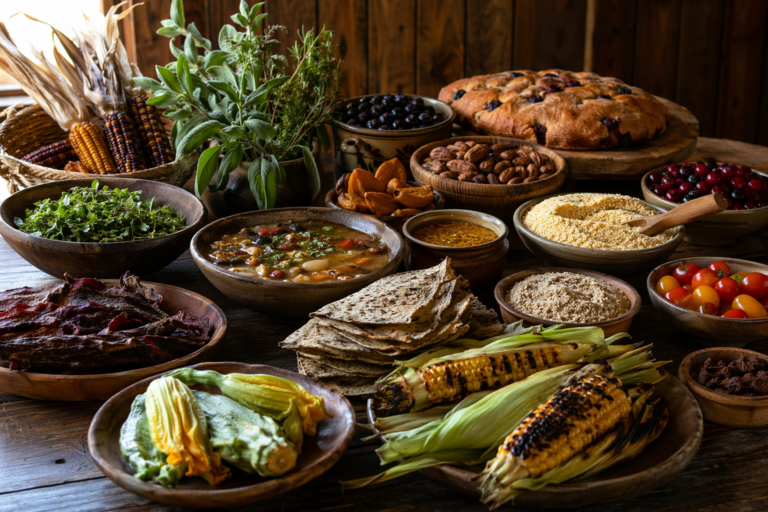
Native American cuisine has a long history using indigenous ingredients and skills passed down from ancestors.
-
In North America, native american tribes made different ways of eating based on local food sources, weather, and when food was ready to pick.
-
Staple food like the Three Sisters, wild rice, wild berries, bison, salmon, shellfish, and root vegetables have always been important.
-
People kept flavor in their food by using methods like open fire, smoking, drying, and cooking in clay pots.
-
Some native american dishes people still know today are succotash, pemmican, corn mush, and fry bread.
-
For Australians, these native foods can help everyone see how to eat in a way that is good for the planet, uses local ingredients, and respects culture.
Introduction
For Australians who want to know more about native foods from different places, american cuisine from north america is worth a look. Native American food is not just about recipes or how to cook them. The meals from indigenous people and native americans tell a story of their lives, country, and how they passed things down over many years. They use native foods like wild rice, beans, corn, squash, and salmon. These foods show how people across north america made good food that matches their place, seasons, and ways of life.
Foundations of Native American Cuisine
Native American cuisine comes from the land, different seasons, and what native American tribes in North America have learned through time. It’s all about using things like corn, beans, squash, wild rice, salmon, shellfish, wild game, and wild plants. These native foods were selected with care. People paid close attention to what they had and knew how to use it well.
Food means more than just eating in Native American communities. Cooking the old way helps people remember important times, share with others, take part in ceremony, and hold on to who they are. This deeper role is why keeping these old food traditions matters so much. It’s the reason you’ll see each area in North America with its own special way of eating.
The Origins and Diversity of Indigenous Foodways
Indigenous food in north america comes from a long history. It grew and changed as the land changed. Native american tribes who lived in forests, deserts, plains, and by the coast used what was close to them. So, the food they ate came from rivers, maple trees, open land, or the sea, not a menu that was the same for all.
In the Eastern Woodlands, people ate a lot of corn, beans, squash, seafood, and wild berries. In the great plains, native people counted on bison, dried meats, and plants that were easy to move around. In the Southwest, they used maize, beans, squash, pine nuts, and chili peppers most of the time. Along the pacific northwest coast, salmon and shellfish stood out as important foods.
How they cooked also changed by place and what they had. Some groups slow-cooked fresh meat over an open fire. Some smoked fish, some dried game, and some used local clay pots. Cooking was different, but they all worked with what they found where they lived.
Cultural Significance of Food in Native American Communities
Food in native american communities is about much more than just being hungry. Meals have meaning because they show kinship, memory, and respect for the land. Native american traditions tie food sources to stories, changes in the seasons, and a deep feeling of duty toward each other.
You can see this in the Pacific Northwest potlatch. People offer smoked salmon, halibut, seaweed, fresh berries, and dried meats at a big gathering where they share gifts. In other places, food like wild rice or the Three Sisters shows how to work together, be grateful, and keep things in balance.
Knowledge gets passed from older people to the young through cooking, picking, and planting. For indigenous people, keeping their ways with food is one good way to hold on to who they are, even after all the trouble and change across the years. This is why food is still a lively part of these communities, not just something from the past.
Key Influences on Regional Culinary Traditions
Yes, there is a clear difference between Indigenous foods in different parts of North America. Food traditions in native american cuisine changed over time because of the land, the climate, and which main foods were easy to get. People who lived in the forests ate in a different way from those who lived in deserts. People near the coast had a different diet than those who were on the plains.
Many things changed the way these foods were eaten:
-
Climate was a big part of what could be grown, found, or stored for later.
-
Local resources helped shape which foods, like salmon, bison, shellfish, or corn, were common.
-
Trade helped to spread foods and ideas from different tribes.
-
European contact changed the way people ate, taking away or adding to some of these old foods.
All these things made strong styles of food for each region. That is why Native American cuisine in north america is not just one style. To really understand it, you have to look at each region, starting with the East, the Plains, and the Great Lakes region.
Distinctive Regional Traditions Across North America
Across North America, native american tribes have created their own ways of doing things. These ways are different from one another but are all tied by respect for the land and the time of year. A staple food for one group may be rare in another place. That is why wild rice, salmon, bison, corn, and shellfish all play bigger or smaller roles depending on where you are.
If you want to try Indigenous North American foods at least once, the best way is to look by place. The next sections show the Eastern Woodlands, the southern united states, and the Great Plains. You will see how these food ways grew in each area.
Eastern Woodlands Flavours and Staple Foods
In the eastern United States, the food of Native people was often built around the Three Sisters: corn, beans, and squash. To grow these crops together was a common thing. They made sure people had many meals and good harvests. Many dishes used corn meal, and the rivers and streams nearby gave fish, clams, and other types of seafood.
People used pickings from the forest to bring more flavour and choices to their food. You would find maple syrup made from maple trees. There were hickory nuts, pumpkin, peppers, and potatoes as well. People used game meat, too. Wild berries, like blackberries and raspberries, made things sweet and colourful, while venison and rabbit brought extra protein.
Some native American dishes from the eastern United States stand out. For example, succotash has corn, beans, and tomatoes. Sofkee is a soft, corn-based porridge. If you go close to the Great Lakes, you see wild rice showing up more in the meals. Wild rice gives an earthy flavor to the cooking you find in this area.
South-Eastern Specialities and Cooking Styles
In the southern United States, Indigenous cooking shows how simple and flexible local food can be. Corn was always a big part of their meals. People ate corn as ground meal, corn kernels, or in soft porridge dishes. Lima beans, other beans, squash, and root vegetables were used a lot as well. People also used game meat from the area.
The way people cooked was good for groups and used what was at hand. Stewed dishes mixed lots of things and made good, filling meals. Roasting over fire gave meats and veggies more taste. With these cooking ways, families could feed everyone and use all the native foods they had.
Now in the United States, some Native American dishes are a big part of Thanksgiving. You will see succotash, pumpkin soup, squash soup, cranberries, turkey, sweet potatoes, and cornbread. These foods come from the old Indigenous way of cooking. So a lot of what people eat at this special time started with them and the years of native foodways.
Great Plains Heritage: Bison and Hearty Dishes
Bison was very important in life and food on the great plains. People ate bison across big grasslands and made useful meals from them. Wild game like venison and rabbit were also used a lot, mostly cooked slow in stews until soft.
The need to move often changed how people cooked in this place. Food had to last and stay good while moving around, even with the weather changing. So, people worked out ways to dry and keep food for a long time. Pemmican is a well-known food from here. It is made with dried meat, fat, and berries. This makes a strong and filling food that helped people get through long trips and the cold winter months.
People used more than just meat for taste. There were wild onions, sunflower seeds, blueberries, cranberries, cherries, potatoes, and squash. This made meals different and gave more flavour. Another well-known dish is wojapi. It’s a thick berry pudding that people put on the side, use as a sauce, or eat for dessert, showing how clever and handy cooking could be on the great plains.
Southwest and Puebloan Culinary Heritage
The southwest is known for its bright ingredients and old Puebloan cooking traditions. People in new mexico and nearby areas have food that shows the dry land, hard work in farming, and simple ways of cooking that come from many years of care.
If you want to know what Indigenous North American foods you should try once, you will find that this is a good place to start. This part of the country has some of the most well-known traditional recipes, many made from corn, chili peppers, pine nuts, and special foods made for ceremonies. The next parts will talk more about these foods found in the Southwest.
Signature Ingredients of the Southwestern Region
In the southwest, people have always used the Three Sisters in cooking, but the region soon created its own taste and style. Maize, beans, and squash stayed as main foods. There were also native ingredients like pinyon pine nuts, sunflower seeds, freshwater trout, and venison. These foods were perfect for the dry land and the way people grew crops there.
Chili peppers are now one of the top things that stand out in Southwestern food. People would use the corn stalks and dried corn parts when making and keeping their meals, which helped give these foods a strong, everyday taste. You can also see the food’s connection to New Mexican and Mexican cooking that came later.
In this place, many old recipes use corn in lots of ways. People make mushes, doughs, or they steam corn for their main meals. Beans, squash, sunflower seeds, pine nuts, and other local seeds make the meals hearty. Different native herbs and other seasonings bring all the parts together. So you get food that is simple, tasty, and that really fits the place it was made.
Time-Honoured Cooking Techniques of Pueblo Tribes
Pueblo tribes had ways of cooking that fit their group way of life, local supplies, and the dry land they lived in. You can see the difference in indigenous food by the way the cooking methods match the place they come from. People used open fire, roasting, and steaming to get traditional foods ready with care and to use everything well.
In the Southwest, clay pots mattered a lot. They let you cook slowly in a large pot, which was good for making soups, stews, and meals with corn taste better over time. This style of cooking was not just practical, but it showed deep knowledge about heat, pots, and ingredients too.
These old ways are not like what you find in many new food ideas, as they are really close to the local land and group use. Pueblo cooking, instead of using tools or flavours from far away, follows food habits handed down through time and uses simple tricks to get the best taste from what’s local.
[Text]: Keywords: indigenous food, traditional foods, large pot, open fire
Celebrated Dishes from the Puebloan and Navajo Peoples
Fry bread and blue corn mush are two well-known native american dishes from the Southwest. Blue corn mush, sometimes just called corn mush, goes way back and is still a staple food in a lot of places. People like it because it is simple, fills you up, and comes from old food know-how.
Fry bread has its own story. It came about in the 19th century when native people were pushed off their land and had to use what they got from the government, like wheat flour, sugar, and lard. For many, fry bread brings up hard memories about losing their home, but it also shows how strong and hopeful people can be.
These foods are still at festivals, get-togethers, and in new native kitchens today. They show the way recipes can change over time but still keep their meaning. This is how Southwestern food tells both an old and a survival story at the same time.
Pacific Northwest and Alaskan Native Food Culture
In the pacific northwest and Alaskan Native food culture, the sea, rivers, and forests decide a lot of what people eat. Salmon, shellfish, seaweed, wild berries, and game have fed Indigenous communities for a long time and still play a big role in how people gather food and share meals.
This culture of food also shaped modern American meals. Smoking, fish cooked on cedar, and things gathered from the wild can still be seen in many places to eat these days. The next parts talk about ingredients, how the food is kept fresh, and modern chefs who help these traditions stay strong and means something to people now.
Salmon, Shellfish, and Forest Harvests
In the pacific northwest, salmon is one of the foods you really must try. It gives a lot of protein and means a lot to many people and their communities. Along the coast, you will see shellfish, halibut, and other seafood be a big part of what people eat every day and at big gatherings.
Harvests from the forest are important as well. People go out and get wild berries, foraged greens, nuts, and root vegetables. These foods make meals look nice and taste better. But they are more than just extras. They are key to the way people eat at different times of year because they tie folk to rivers, country, and the shore.
When it’s time for a potlatch feast, you may find smoked salmon sitting next to seaweed, fresh berries, and dried meat like deer or duck. This way of putting food together shows how what is eaten changes as the seasons do. It helps bring everyone together and makes people feel generous. The food in this place comes from knowing when things are ready, taking care, and sharing well.
Smoking, Roasting, and Preservation Traditions
For many native americans, smoking food and ways to save it were key. They were not just something extra but a must. People who lived near the coast or up north used these tricks to make their food from harvest last longer. This was very handy in times when it got cold or there was not much fresh food around. Roasting did even more by making fish and meat taste better and helping people get them ready fast.
Common ways people did this were:
-
Smoking salmon over fire to keep it soft and good for longer.
-
Drying meats like deer or duck so these could be kept for another time.
-
Fire-drying wild rice after picking it up.
-
Using ways to save food together with keeping it with others and planning for each season.
These ways were not just about taste, like in many other cuisines. They really fit with the need for good food over the whole year and helped with travel. Saving food was a way for survival, special events, and being smart with big harvests. This let people have what they needed through the winter months without letting wild rice or good food go to waste.
Modern Reimaginings of Coastal Ingredients
Today, native american cuisine is coming back to more people. Chefs, researchers, and community leaders are working together to do this. In the pacific northwest and other places, local foods like salmon, berries, and plants picked from the wild are now used in dishes. They keep the old ways but still fit into the style of today’s restaurants.
Sean Sherman, who many know as The Sioux Chef and for the Indigenous Food Lab, is a well-known leader in this movement. Because of him, a lot of people now know that indigenous ingredients and ways of cooking have shaped american cuisine long before people just called it “American” food.
There are other people working on this too, like Cherokee chef Nico Albert Williams. These people help indigenous communities get back to their old food ways. With restaurants, teaching, and nonprofit groups, they help others see that indigenous food is growing and changing. It is not only from the past. It has the power to reach people right now.
Core Indigenous Ingredients and Staple Foods
At the heart of American cuisine stands a mix of indigenous ingredients. You see these used again and again, no matter where you go, even if the meals look different. Some of the main foods are corn, beans, squash, wild rice, berries, nuts, fish, and game. People use them based on the time of year and what is close to them.
If you want a simple list of Indigenous North American foods to try, go for the ingredients that made the cuisine what it is. The next bit will go over the Three Sisters, wild rice, and native fruits and nuts. These foods helped people live well for many years.
The Three Sisters: Corn, Beans, and Squash Explained
The three sisters are one of the most important ideas in Indigenous agriculture. Corn, beans, and squash were often planted together because each plant supported the others. Corn gave structure, beans returned nutrients to the soil, and squash helped hold moisture. This made harvests more resilient.
They also fed communities in many forms, from stews to porridges and sisters soup. In modern kitchens, butternut squash is often used where local squash varieties once appeared. The system carried both practical and cultural meaning, teaching balance and mutual support.
|
Ingredient |
Main use |
Nutritional value |
Representative dishes |
|---|---|---|---|
|
Corn |
Meal, porridge, dough |
Energy-rich staple |
Corn mush, tamales, succotash |
|
Beans |
Stews, mixed dishes |
Protein and soil-supporting crop |
Succotash, sisters soup |
|
Squash |
Roasted, stewed, soups |
Filling and versatile |
Sisters soup, squash soups |
Wild Rice, Manoomin, and Ancient Grains
Wild rice, which people also call manoomin, is one of the most special Indigenous foods in north america. You can find it mostly around the great lakes or the great lakes region. People have picked it by canoe and dried it with fire for a long time. Its nutty taste and earthy flavor make it different from other foods.
To make wild rice the traditional way, you need skill and patience. After people pick it, the wild rice gets dried, worked on, and then cooked. Some use it in soups, some as a side, and some in mixed meals. Many native american recipes use wild rice because the rice keeps for a long time. It also gives a deep taste to the meal, and people do not need to do a lot to it.
For elders in native communities, foods like wild rice can be a good choice. The health benefits found in Indigenous ingredients can help many. Wild rice, for example, is naturally gluten-free and dairy-free, and it can help with anti-inflammatory eating. It still is important for culture even as it is healthy.
Native Fruits, Berries, and Nut Varieties
Native fruits and nuts gave sweetness and texture to Indigenous meals. They also brought new tastes with each season. People ate them fresh. Sometimes, they cooked them into sauces. Other times, these foods were kept with preserved meals or stored for later. Wild berries mattered a lot in many places, from the East Coast right out to the Great Plains.
If you want to taste some Indigenous North American foods, start with these:
-
Wild berries such as blackberries, raspberries, blueberries, cranberries, and chokecherries
-
Native fruits including cherries
-
Nuts and seeds like hickory nuts, pine nuts, and sunflower seeds
-
Squash types like acorn squash in seasonal cooking
People could eat fresh berries when they were in season, or cook them into dishes such as wojapi. Pine nuts, sunflower seeds, and other nuts made meals richer. Some fruits helped balance meals with a lot of meat. All these foods show how well Indigenous communities in the Great Plains and beyond used everything around them from the wild and the land.
Wild Proteins and Aquatic Harvests
Wild proteins and foods from water played a big part in many Indigenous diets. People would eat fresh meat from bison, deer, rabbit, moose, duck, and other wild game. These gave them strength and many flavours. Groups who lived close to rivers, lakes, and the sea also relied on fish and shellfish for food.
These foods were tied to culture and season. People hunted and fished for them. They would keep, use, and share the food with care. The next parts will show you more about the animals, fishing ways, and sea harvests. These helped shape native american dishes and gave them their main ingredients.
Bison, Venison, Rabbit, and Wild Game
Bison, venison, rabbit, and other wild game were key food sources in lots of places, especially the Great Plains. People could roast, stew, or dry fresh meat, based on the time of year and what was needed. These animals also helped their communities learn hunting skills and how to use land with respect.
Some traditional dishes feature these wild food sources. Pemmican is made from dried bison or deer meat mixed with fat and berries. Poyha, known as native american meatloaf, blends venison with corn and wild flavourings like wild onions and berries. In some places, bison is used instead of venison.
Hunting and cooking were about being practical and not wasting food. An animal could give more than one meal, and preserving meat cut down waste. This careful way of doing things matters now, too. Native food traditions focused on nourishment, moving around, and respect, more than just lots of food.
Traditional Fishing and River Catches
Fishing has been important for many native american communities, especially in the pacific northwest. The rivers and streams in these areas are full of salmon. People caught fish not just for their meals, but also for plans through the year and big moments in life. Fish was more than food. For many, it was part of who they are and how they stay strong over time.
They had old ways of catching fish at key times. After the catch, they would roast, smoke, or dry the fish so it could be used later. One well-known way is the cedar cooking method. In this, salmon is put by an open fire. The wood smell mixes with the fish so you get a smoky taste.
If you ever want to try Indigenous foods from the pacific northwest, you should start with salmon cooked like this. It really shows the taste, how it’s cooked, and why river foods matter so much to native american communities.
Gathering Shellfish, Crustaceans, and Other Protein Sources
Along coasts and near river mouths, people picked and ate food from the water. These aquatic harvests gave more choice and help keep Indigenous diets healthy. Shellfish stood out as steady indigenous ingredients, in spots where people lived close to the ocean. They went well with fish, seaweed, so as other greens found or picked from the wild. Folks would share these foods at meals.
Common protein sources included:
-
Shellfish such as clams
-
Coastal seafood such as halibut
-
Other aquatic harvests including seaweed used with meals
-
Additional animal foods gathered near shorelines and rivers
These foods did more than feed people. They showed the connection with water, the tide, and each season. In many Native foodways, gathering these indigenous ingredients—like shellfish or seaweed—was a big part of how folks lived with their bit of land or water. People would use what was there, take care, and know the worth of what the coast had to give.
Traditional Cooking Methods of Native America
Traditional cooking methods help people understand why native foods have a taste and feel that is different. Native American traditions used ways that made sense for their lives and the places they lived. The way they cooked changed because of things like weather, travel, the tools they had, and what was around them. People used open fire to cook, simmered things in clay pots, smoked food, dried food, and used other methods that fit daily life.
These ways of preparing food are not the same as many other types of cooking. That is because the ways grew out of what was easy and normal for their land, not from kitchens that were all the same. Old ways of cooking were not just about taste. They were also about saving food, moving from place to place, and sharing meals as a community. In the next parts, you will see the main native foods techniques that gave old Native dishes their special style and lasting flavour.
Open Fire, Earth Ovens, and Stone Boiling
Open fire cooking is one of the main parts of native American cuisine. Meat, fish, and vegetables would be cooked straight on the fire or right next to the flames to soak up the smoke and heat. This way of cooking was easy, you could move it and it worked well for big meals outside.
Earth ovens and slow-cooking made foods soft over time, especially when softness was important. In some places, clay vessels were used to simmer different foods in a large pot. This made stews, mushes, and soups rich in flavour and smooth in texture.
Stone boiling used stones heated in a fire, then dropped into liquid when boiling on the fire wasn’t a good fit. These ways of cooking stand out because they were flexible. They used whatever was on hand and made meals that matched the land, tools, and time.
Smoking, Drying, and Fermentation Practices
Smoking and drying were very important in the winter months and when people had to travel far. This is because fish, game, and grains such as wild rice could be kept safe to eat after they were picked or hunted. With these ways of saving food, people could keep the things they had and use them as time went on. Also, these ways could give more taste, making foods richer and full of flavour.
A lot of traditional recipes, like pemmican, use drying to make meat hard enough to break up. You can then mix this with fat and berries. Smoked salmon is another great example. It shows that keeping food for later and adding taste often went hand-in-hand in Native foodways.
The information collected does not give many examples of using fermentation. Still, it does show that Indigenous ways of handling food were all about keeping food good for a longer time and giving people what they needed to stay healthy. To sum up, in Native foodways, these ways of saving food were not just extra steps. They were big parts of planning, getting through hard times, and making sure everyone had enough to eat.
Spices, Seasonings, and Natural Flavourings
Native foods often used flavourings found in the land instead of strong spices brought from other places. Plants, berries, nuts, and careful cooking brought sweetness, sharpness, and depth. This made the flavours feel real and close to each region.
Notable seasonings and flavourings include:
-
Maple syrup from maple trees found in the east
-
Wild onions added to meat dishes like poyha
-
Wild plants along with greens found in nature mixed into meals
-
Root vegetables that gave stews sweetness and body
Over the years, flavours changed as people moved and couldn’t get some ingredients. But the main pattern stayed the same. Native cooking made taste from what the land gave. This is why these dishes still feel special and connected to their place.
Iconic Native American Dishes to Try
If you want an easy way to try american cuisine from native people, start with native american dishes that show off the region, history, and staple food people eat. Some well-known ones are succotash, sofkee, pemmican, wojapi, blue corn mush, tamales, cedar-cooked salmon, and fry bread.
These foods all use different traditional recipes and ingredients, like corn, beans, squash, salmon, berries, bison, and wild rice. When you try these, you get to see how wide the native foodways are and know that a lot of what we eat in america still comes from Indigenous roots.
Blue Corn Mush, Bannock and Frybread
Blue corn mush, bannock, and frybread are everyday foods made by native american tribes. Blue corn is loved by many native groups. It gives the food an earthy flavor and a bright colour. People often eat it in the winter months. Bannock is a bread that you can make over an open fire. Every tribe has their own way of making it. Frybread is a crispy bread with a golden outside. It tells a story about change and finding new ways. These dishes feed us and also help us feel close to native american tribes and their food history.
Succotash, Hominy Stew, and Pozole
Succotash is a strong dish made from corn and beans. It shows the idea of “the three sisters,” where corn, beans, and squash are all grown together. Hominy stew is full of flavour. It uses corn that is made better by an old way of cooking called nixtamalization. This makes the food taste good and is better for you. Pozole is a tasty soup that is made for special times. It brings together hominy and fresh meats or veggies. It shows the wide range of Native American tribes and how they use food. These meals are about more than just eating. They stand for the food sources found by indigenous people and to the rich food history that is still going strong now.
Wojapi, Pemmican, Cedar Plank Salmon
Wojapi is a fruit sauce that comes from using wild berries. It has a sweet and tangy taste. People often use this dish to enjoy the natural flavours of indigenous ingredients. You can put it over frybread or have it for dessert.
Pemmican is a snack made from dried meat, berries, and fat. It is full of nutrients. This snack gives people lots of energy and helps them keep going. It shows how native american tribes used what they had in smart ways.
Cedar plank salmon is soaked with smoky tastes. This dish shows the cooking ways of the pacific northwest. It brings people together and keeps old traditions alive. There is a strong link here between food, community, and heritage.
Bringing Authentic Indigenous Flavours to Australian Kitchens
Exploring native tastes brings new ideas to kitchens in Australia. It helps link our food with other cultures. When you use things like wild rice, corn meal, and acorn squash, you add some of North America’s food ways. Trying out traditional recipes like three sisters soup or fry bread is a good way to see the history of native people. Putting wild onions or fresh berries in your dishes gives extra health benefits. It also helps keep old family recipes for future generations. This journey into indigenous cooking makes us all value food from different places.
Sourcing and Substituting for Native American Ingredients in Australia
Finding real ingredients from native American cooking in Australia can feel like an adventure. You get to look around for suppliers who focus on indigenous foods, or you might visit online stores that bring in wild berries, cornmeal, and more. If you need to use something else, try Aussie choices. You could use polenta in place of corn mush, or go with local root vegetables when making traditional meals.
Reaching out to indigenous communities gives us more ideas about where to get native ingredients. This not only helps to make the food feel real, but also lets you learn about these food traditions.
Simple Native American Recipes Australians Can Make at Home
Culinary creativity stands out in simple native American recipes. Australians can make these dishes in their own kitchens without much effort. Corn mush made with cornmeal is a good, filling meal, especially for the winter months. Add wild berries and you get more taste and extra nutrition. This mix works well for breakfast or dessert.
Bannock is another food you might like. It is a bread that goes well next to soup or stew. Frybread can be used too. You can top it with maple syrup for something sweet, or serve it with savoury meals. These recipes use indigenous ingredients and bring people together, making every meal feel special.
Healthy Indigenous Foods with Nutritional Benefits
Indigenous foods are full of good things. They have plenty of vitamins, minerals, and healthy fats. Foods like wild rice and corn give the body the carbs it needs. Root vegetables and squash are packed with good stuff too. When you add in wild berries and sunflower seeds, you get natural sweetness plus more healthy fats. This helps your health in general. Traditional proteins, such as fish and game, have energy as well as omega-3 fats. These are good for your heart. Using these foods every day gives your meals good taste and better nutrition. You also get to honour the heritage and health of indigenous communities.
Conclusion
Trying out native American cuisine lets you taste food with a lot of history and old flavours. When you add indigenous ingredients to your daily meals in Australia, you can find new tastes. These are the tastes that show how different tribes in North America used to eat. It is all about using what nature gives, like wild rice, fresh berries, and corn. Cooking with these makes it easy to feel closer to the stories and the lives of the people from the past.
When we share these recipes and the ways to cook them, we help future generations. They will get to enjoy many types of american cuisine. It is a way to remember where we come from. These foods do not just fill your stomach. They also warm your heart. Have fun trying out new, authentic flavors!
Frequently Asked Questions
How have Native American cooking techniques influenced other cuisines?
Native American cooking uses methods like smoking food, drying it, and using indigenous ingredients. People all over the world have taken ideas from these ways of cooking. These methods focus on using what is local and making sure things last for the future. They also help bring people together in the community. When the food is made this way, it gives a new taste and style to how we cook. It also helps us value the food and resources we have near us.
What is the difference between Indigenous foods from different North American regions?
Indigenous foods in North America are different in each place. This is because the land, weather, and ways of life are not the same everywhere. For example, tribes who live by the coast often get fish and seaweed for their meals. People in the Great Plains area eat a lot of bison and grains. These foods and how they cook them show what each group can find and use where they live.
Where can Australians find reliable Native American recipes online or in cookbooks?
Australians can find real Native American recipes on the internet. There are food blogs and cultural sites that share these dishes. They can also use cookbooks made for indigenous food. Many libraries and bookstores in Australia have books about Native American cooking. This makes it easy for people to try these tastes.