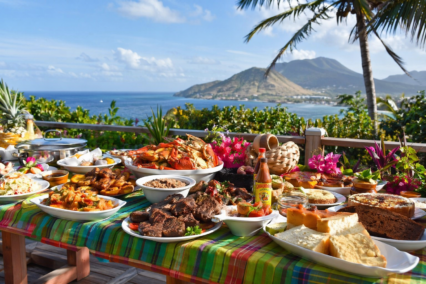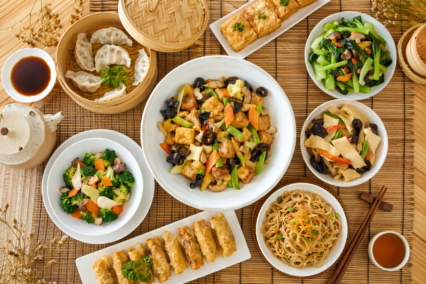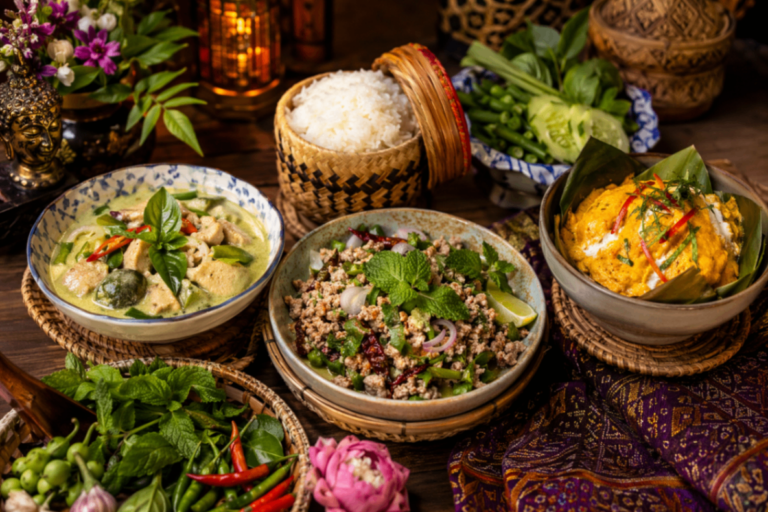
Key Highlights
-
Mainland Southeast Asia in Australia brings Thai food, lao cuisine, and cambodian food together. This makes one rich group of asian cuisine.
-
You will find these Southeast asia foods have some things the same. Fresh herbs, fish sauce, rice noodles, and curry paste are common here. But, their tastes show clear regional variations.
-
Thai food is known for mixing heat, sour, sweet, and salt all at once.
-
Lao cuisine always has sticky rice, grilled meats, fresh herbs, and lots of street food to try.
-
Cambodian food goes for mild curry, coconut, rice noodles, and good rice dishes.
-
All over southeast asia, people eat a lot in markets and on the street. This is how many of their classic dishes are made to be enjoyed.
Introduction
Mainland Southeast Asian cuisine brings together bold tastes and deep history. The food from Thailand, Laos, and Cambodia is a big part of this. You can find dishes from many ethnic groups. And you get to taste fresh, local things in every bite. All these parts come together and make something that people want to eat again and again.
In Australia, asian food like this is becoming more popular. People here are starting to love trying thai curries, noodle dishes from Cambodia, and grilled meat from Laos. Asian food is capturing attention because it is full of exciting tastes and colours.
This guide will help you learn about southeast asian cuisine. You will see the main things in southeast asian food. It covers the big flavours, cooking styles, and well-known dishes that show the best of the region’s food history. If you want to know more about asian cuisine, or are looking for something new to cook or try, this will be a good starting point.
Understanding Mainland Southeast Asian Cuisine in Australia
The food from mainland Southeast Asia brings bold flavours and long-loved traditions to Australia. Thai, Lao, and Cambodian food all offer salty and sweet tastes that hit the taste buds just right. People there use fresh herbs, coconut milk, and fish sauce a lot in what they cook. It shows what makes this kind of food special. Plates come from all sorts of ethnic groups, with local and old-school ways mixing together. This makes eating these foods a new but comfortingly familiar experience. It’s a big part of what makes Australia’s food scene exciting and brings some of the soul of southeast Asia right here.
Defining Mainland Southeast Asia: Thailand, Laos, Cambodia
Right in the middle of Southeast Asia, you’ll find Thailand, Laos, and Cambodia. These three countries are full of culture, history, and food, mixing together to make something special. The mekong river and old trade routes have helped shape each place in its own way.
Thai cuisine is known for its strong tastes and the way it mixes many flavours at once. That can be pretty different from Laotian food, which is much more simple and earthy. Cambodian dishes use a lot of fresh seafood and herbs, thanks to the country’s coastlines and farms.
If you visit these countries, you’ll get to see how their food shows off the best of southeast asia. The mix of tastes and styles really points to their amazing culinary traditions.
Diversity and Cultural Roots of Each Region
The food scene in Thailand, Laos, and Cambodia is full of life and colour. You can see lots of different cultures and traditions come together in these places. Each spot has its own groups of people, and the ways they prepare and cook meals are a mix of their old customs and things they learned from other travellers. Where they live by the Mekong River matters a lot, too, because there are always plenty of fresh ingredients around, such as freshwater fish and local veges. People cook with rice and all kinds of proteins as their main foods. With all these layers mixed in, the food here in Southeast Asia brings many different tastes to your taste buds, with each dish giving you the real feel of this special part of the world.
Culinary Differences from Island Southeast Asian Food
There are clear differences between the food styles in mainland and island parts of southeast asia. In mainland dishes, people often use fish sauce, lime juice, and fresh herbs. These ingredients come together and make bold, lively flavours. On the other hand, food from the islands uses coconut milk in their curries, which gives most dishes a creamy taste that you do not find much in food from the mainland.
You will often see noodles in meals like pad thai and khao soi in this region. But rice is the main staple food on both the mainland and the islands. It is the base for most meals in southeast asia and shows how, even with their own ways of cooking, these places still share important parts of their food life.
Historical Influences on Thai, Lao, and Cambodian Food
Culinary traditions in Thailand, Laos, and Cambodia are shaped by the old cultures and the background of their different regions. Over the years, people moving along old trade routes brought in key ingredients and ways of cooking. This mix has given these places a unique taste. The Indian subcontinent played a big part. It brought new spices and foods that had an effect on thai curries and also on noodle soups from Laos. Chinese immigrants brought their own ways with them too, like stir-frying. All of this mixing made each place’s cooking stand out. In thai cuisine, you get strong tastes from things like fish sauce. Over in Cambodia, there are curries rich with coconut milk. These special styles make their cooking truly stand out and show what they are all about.
Ancient Civilisations and Regional Heritage
Throughout time, old groups of people had a big part in making the food we know today in mainland Southeast Asia. Different ethnic groups, like Khmer, Thai, and Lao, brought new flavours and ways to cook. They mixed their food styles together. The things they used to cook, like coconut milk, fish sauce, and rice, came from what grew around the Mekong River. These items became key parts in most dishes and showed how good the land was for farming. When we enjoy this food now, we get a taste of southeast asia’s rich story. Each meal shares something about the people and how recipes were passed down over the years.
Colonial Legacies and Migration Patterns
Colonial times had a big impact on the food you find in mainland Southeast Asian countries like Thailand, Laos, and Cambodia. The mix of local things like rice and coconut milk with other foreign ingredients started out because of the colonial past. Who comes and goes from these countries matters, too. When ethnic groups move around, they bring new ways to cook.
A good example is when many Thai people moved to Australia. They brought along street food habits and traditional dishes. Now, foods such as pad thai and green curry are popular here. All this mixing of cultures makes Asian food in Australia fresh and exciting. The way southeast asian food comes together means people get to try most types of food and it brings a new twist to our food scene, making it a tasty adventure for everyone.
Impact of Trade Routes on Food Traditions
Routes like the Silk Road and sea trade networks have played a big part in shaping the food of southeast asia. These paths helped people move spices, food, and cooking styles across the region. Because of this, things like coconut milk, rice noodles, and shrimp paste became common in many dishes.
Food from nearby places, mixed with local tastes, led to special meals like khao soi and green papaya salad. Over time, these links have made the food of southeast asia bright and rich, showing the history of trade and different cultures coming together.
Signature Flavours in Mainland Southeast Asian Dishes
The main flavours in the lively food from Thailand, Laos, and Cambodia give you a great taste you won’t forget. There is a mix of sweet, sour, salty, and spicy that makes every dish stand out. Coconut milk adds a smooth, rich feel to curries. Lime juice gives things a fresh kick. Fish sauce and shrimp paste are used to boost the flavour and bring more taste. Fresh herbs like Thai basil and mint add something special to every bite. All these flavours go together and wake up your taste buds, turning each meal into a real food journey.
Sweet, Sour, Salty, Spicy, Bitter Profiles
Food from mainland Southeast Asia is made to please the taste buds. The meals mix sweet, sour, salty, spicy, and even a bit of bitter in a good way. Dishes like pad thai and green papaya salad bring lots of flavours and often get even better with lime juice or palm sugar. The cooking in this part of the world is all about balance. Some use shrimp paste and fish sauce to add the savoury taste you get, and these mix well with fresh herbs and chili peppers. Every bite in southeast Asia meals feels fresh and full of flavour. They give you a taste of their real culinary traditions and make every meal a good and bright food experience to remember.
Balancing Taste Sensations in Local Dishes
One thing that makes mainland Southeast asian cuisine special is how well it balances tastes. Sweet, sour, salty, and spicy flavours all come together to make dishes that stand out and wake up the taste buds. When you have a good pad thai, you get tamarind for sweet, fish sauce for depth, and some tang from fresh lime juice. These flavours mix with herbs like cilantro and thai basil. The way these tastes blend shows how strong and rich the region’s culinary traditions are. Every bite gives you something new, and you get a real taste of asian cuisine.
The Role of Umami in Southeast Asian Cooking
Umami is often called the “fifth taste.” It plays a big part in lifting the flavour of many mainland Southeast Asian meals. You can find umami in things like fish sauce, shrimp paste, and soy sauce. It gives a rich and savoury taste to soups, curries, and stir-fries.
When umami mixes with other tastes, it makes fresh ingredients like herbs and lime juice stand out. This brings a good balance and helps create a great eating experience. You notice this taste a lot in dishes like pad thai and khao soi. In these meals, umami comes together with sweet, sour, and spicy. This makes every dish special and hard to forget.
Key Herbs, Spices, and Aromatics
Key herbs, spices, and other fresh ingredients give real flavour to Southeast Asian cuisine. Things like lemongrass and kaffir lime leaves add a zesty touch that stands out in many dishes. Galangal is also common. It brings a warm base to soups and curry pastes. Many meals use spice mixes and curry pastes that boost the taste and smell of the food.
Fresh herbs, like Thai basil, coriander, and mint, lift the taste and keep things bright. They help balance the rich and savoury flavours you find in dishes from Thailand, Laos, and Cambodia. All these fresh herbs, kaffir lime, and lime leaves not only add great taste but show the strong culinary traditions and culture in Southeast Asian cuisine.
Lemongrass, Kaffir Lime, Galangal, and Others
Fresh ingredients are very important in Mainland Southeast Asian cuisine. They give asian cuisine its bright taste and lovely smell. Lemongrass adds a zesty and fresh note. It makes soups and curries special with its citrusy scent. Kaffir lime leaves, or lime leaves, give a sharp and tangy flavour. You will often find kaffir lime leaves in popular Thai recipes.
Galangal looks like ginger but is not the same. It brings an earthy touch and warmth. It’s used a lot in broths and spice pastes. Thai basil and palm sugar help blend the flavours well. They give that nice mix of sweet, sour, and savoury that people love in southeast asian cuisine. This is what makes the food stand out and taste so good.
Essential Spice Mixes and Pastes
Spice mixes and pastes are an important part of mainland southeast asian cooking. They help bring out the strong flavours that many people love in asian cuisine. Thai curry paste, for example, mixes things like chili peppers, kaffir lime, and garlic. This creates a full, rich smell and taste that goes into curries and soups. Another is laab seasoning, which mixes toasted rice and herbs together. It adds a bit of crunch in dishes like larb.
In Cambodia, you often find fish sauces and shrimp pastes that are already mixed and ready to use. These give food an extra rich, savoury taste. Each of these spice blends comes from local ingredients found in southeast asia. They show off shared food ideas and long-standing cooking styles that link the people of the region, keeping culinary traditions alive.
Fresh Herbs: Mint, Basil, Coriander
The fresh herbs you find in mainland Southeast Asian cuisine do more than just make food taste nice. They really lift every dish. Mint gives salads and spring rolls a cool, fresh taste that wakes up your mouth. Thai basil has a one-of-a-kind anise taste, and you will find it in many curries and stir-fries. It gives them a special smell and flavour you do not get from anything else. Coriander tastes lively and pops up in a lot of dishes. People use it both to top meals and mix into dips and marinades. When these fresh herbs come together, they give asian cuisine that bright and complex flavour people love. The mix makes each bite exciting and full of life.
Staple Ingredients for Day-to-Day Cooking
A mix of fresh and bright ingredients is at the heart of daily cooking in southeast asian cuisine. Jasmine rice and sticky rice are main parts of many meals. You see them often under curries or next to grilled meats. There are different noodles, like rice, egg, and glass noodles. These make food taste and feel even better.
For protein, southeast asian cuisine uses a lot of freshwater fish, poultry, and pork. These make the food stand out. The use of fresh herbs, like basil and coriander, brings more in each bite. Coconut milk and fish sauce also add rich taste, taking simple things and making them so good. These simple parts all come together as strong parts of the asian cuisine and keep the old culinary traditions alive.
Rice: Jasmine, Sticky, and Aromatic Varieties
Different kinds of rice are very important in southeast asian cuisine. Each type has its own taste and feel. Jasmine rice is sweet-smelling and a bit sticky. It goes well with curries and stir-fries. Sticky rice is chewy and goes great with grilled meats or fresh herbs. There are also spicy types of rice. People use these to make noodle dishes and soups in asian cuisine.
All of these kinds of rice help bring out the strong flavours you find in thai, lao, and cambodian food. Rice is used in many dishes and is loved in these culinary traditions. It has been part of people’s meals for a long time.
Noodles: Rice, Glass, Egg, Wheat
Noodles are a big part of mainland Southeast Asian cuisine. There are lots of flavours and textures to try. Rice noodles are a staple. You will find them in classic dishes like pad thai and in many noodle soups. Glass noodles are made from mung beans. They have a chewy bite and taste great in salads or stir-fries. Egg noodles are common too, mostly in noodle soups. They make the dish rich and add more flavour. Wheat noodles are not as common, but people do use them in some dishes across the region. Each of these brings something special to the table. If you love asian cuisine, make sure to try these different noodle dishes. There is always something new and tasty to find in southeast asian cuisine.
Meats, Seafood, and Plant-Based Proteins
Culinary traditions in Mainland Southeast Asia have a good mix of meats, seafood, and plant-based proteins. You will find chicken, pork, and freshwater fish in many dishes. This food often stands out for grilled meats marinated with zesty lime juice and fresh herbs. There are also plant-based choices like tofu and fermented soy that bring a lot of flavour, so there is something for everyone. Seafood is a big part of many Thai and Lao meals. It is often steamed, grilled, or used in soups. With a focus on fresh ingredients, all these parts come together to make a tasty balance. This makes the food exciting to eat and enjoy.
Sauces, Condiments, and Fermented Foods
In mainland Southeast Asian cuisine, sauces and condiments are important for adding lots of taste to the food. Fish sauce is a must-have in many dishes. It gives a deep, savoury flavour that stands out. Soy sauce is also often used. It brings a strong salty taste to the table. There are dipping sauces too, and people love to use them with spring rolls. These dipping sauces are usually made with lime juice and palm sugar, which gives them a sweet and tangy kick.
Fermented foods like shrimp paste and pickled vegetables are common in southeast asian cuisine. They add a special tang and make the food interesting. All these ingredients, including fish sauce and shrimp paste, show how varied and fresh the flavours in Asian cuisine can be. In places like Thailand, Laos, and Cambodia, people like to go bold with their flavours, and you can taste it in every bite.
Fish Sauce, Soy Sauce, Oyster Sauce
Fish sauce, soy sauce, and oyster sauce play a big part in the flavour of Thai, Lao, and Cambodian food. Fish sauce, made from anchovies that have been left to ferment, gives a deeper taste to meals like pad thai and som tam. Soy sauce has a rich, savoury taste that people use a lot in marinades and as a sauce to dip in. Oyster sauce is a bit sweet and gives a good, rich taste. It’s used a lot in noodle dishes and stir-fries.
When these sauces come together, they show how Southeast Asian cuisine balances the different tastes. They work well to bring new flavour to every bite and really get your taste buds going. So, if you want to enjoy real asian cuisine, don’t forget these sauces with your next meal.
Shrimp Paste and Fermented Specialties
One thing that makes Southeast Asian cuisine stand out is the use of many fermented foods, especially shrimp paste. People often call this tasty paste ‘bagoong’ or ‘kapi’. It brings a deep, rich taste to food, making the whole meal better. Dishes in asian cuisine like pho and green papaya salad would not be the same without these salty sauces and pastes. They give the food a special flavour. When you try Thai curry or Laotian larb, you can really taste how these ingredients make the meals pop and balance out the flavours.
If you want to know what southeast asian cuisine is really about, give these dishes a try. With foods like shrimp paste and green papaya salad, you get a real taste of what people eat in that part of the world.
Dipping Sauces and Pickled Vegetables
Dipping sauces are served with many dishes and can add a lot of flavour to your meal. You might have the savoury taste of fish sauce or the tang of lime juice. They can help bring out the best in things like spring rolls or grilled meats.
Pickled vegetables, often seen as a side, are crunchy and help clean your palate. Pickled daikon and carrots, with their bright colours, are mixed with vinegar and palm sugar. This gives each bite a little extra taste.
With these condiments, you get a mix of sweet, sour, and salty that is common in southeast Asian cuisine. Give them a try and find out more about the special flavours in asian cuisine.
Cooking Techniques Unique to Mainland Southeast Asia
Cooking in mainland Southeast Asia is full of colour and flavour. People use different ways to bring out the taste of the region. Stir-frying, usually done with a wok, cooks food fast and keeps the freshness and crunch of things like vegetables and proteins. Grilling, with meats soaked in marinades, adds a smoky taste. Steaming helps keep the real flavour of meals and is good for health. Braising and currying bring together spices and coconut cream, and that makes those rich smells and tastes that everyone likes in southeast asia, from big bold curries to clear noodle soups made with fresh ingredients.
Stir-Frying and Wok Methods
Stir-frying is a big part of cooking in mainland Southeast Asia, especially in places like Thailand and Laos. With this way of cooking, you put everything in a wok. You cook your food quick on high heat. This helps keep the bright colours and good texture of fresh veggies, meats, and seafood.
The use of good oil with fresh herbs like thai basil and the right spices makes every dish stand out. You can use wok methods for all kinds of cooking. You might make noodle dishes or pad thai, and you can go for strong or lighter flavours.
The best thing about this cooking style is how you use heat and timing. You get those complex flavours people want. This way, every bite is sure to make your taste buds happy.
Grilling and Barbecue Traditions
Grilling is a big part of Southeast Asian cooking, especially in Thai, Lao, and Cambodian food. People often use fish sauce and spices to marinate meats before putting them on skewers. This adds great taste and gives the meat a nice, smoky finish. There are many street vendors who grill things like spiced pork sausages and marinated chicken. These meals are a top pick for locals and for tourists who want to eat real asian cuisine.
In Laos, grilled food is a strong tradition. One example is Sai Oua, a sausage full of fresh herbs. People often eat it with sticky rice. There are also special sides like green papaya salad and dipping sauces that are a bit spicy. These make the barbecued food stand out and show what is best about southeast asian cuisine. If you want to try true flavours, give these dishes a go.
Steaming, Braising, and Currying
Steaming is a popular way to cook in mainland Southeast Asia. People use it to keep the soft texture of fresh ingredients like fish and vegetables. They often use bamboo baskets to steam, which lets the food soak up soft tastes from herbs and other seasonings.
Braising is a different style you can find in the region. It makes plates like thick curries full of strong taste. This is because it mixes a few spices, creamy coconut milk, and meats, then cooks them slow. All of these stay together for a long time, so flavours blend well and the meal feels warm and homey.
Currying is also common in Southeast Asia. It uses many spice mixes, with things like chili peppers and kaffir lime being used often. Every dish ends up full of bright taste and reminds you of the old ways people cooked.
Popular Thai Dishes in Australia
Australia really loves thai food, and you can see that in the way people fill up street food markets and restaurants. The country has made some thai dishes a real part of how people eat. You will find pad thai, which is a mix of rice noodles, peanuts, and fresh herbs, up there with top comfort foods. Many people also like green curry because it brings together coconut milk, strong spices, and just the right amount of spice for the taste buds. If you want a soup that stands out, tom yum is a good choice with its sharp and sour taste. Another dish you should try is som tum salad, which is crunchy and made from green papaya. It gets extra kick from lime juice, chilies, and fish sauce, bringing that top zing to every bite.
Pad Thai and Green Curry
Pad Thai is one of the best-known dishes in Thai cuisine. It mixes stir-fried rice noodles, fresh herbs, and proteins, like chicken or prawns. With tamarind sauce and crushed peanuts on top, you get a good mix of sweet and salty in every bite. Street food fans love Pad Thai because it shows off some of the best parts of southeast asian cuisine. A splash of lime juice makes the flavour bright and fresh.
Green curry goes a different way. It is made with coconut milk, green chilli paste, and lots of colourful veggies. The dish has a nice spicy kick and fits well with jasmine rice. Both green curry and Pad Thai highlight the regional variations and the real culinary traditions you find in asian cuisine from the southeast.
Tom Yum Soup and Som Tum Salad
Few dishes show what Thai cuisine is all about like tom yum soup and som tum salad. Tom yum is a hot and fragrant soup. It is full of bold taste from things like lemongrass, kaffir lime leaves, and fresh shrimp. These flavours mix together well and really wake up your taste buds.
Som tum is also called green papaya salad. It has a cool crunch and a mix of lime juice, fish sauce, and chili peppers that works together so well.
The best thing about these dishes is how they show off the bright and bold culinary traditions of Thailand. These flavours, like chili peppers and kaffir lime, make tom yum and papaya salad a top pick when people want to dive into the wide world of Southeast Asian flavours.
Thai Street Food Classics
Thailand is known for its lively street food. The food here has many tasty options that will make your taste buds happy. You can find pad thai everywhere, a fried noodle dish full of flavour. Som tam, a green papaya salad, is zesty and very fresh.
Street vendors cook up curries filled with strong smells, and people love to eat them with sticky rice. Khao soi is also a favourite. It is a creamy, spicy northern noodle soup, and one you have to try. Spring rolls packed with fresh ingredients are another bite you shouldn’t miss.
Every mouthful brings out the core of thai cuisine and its culture.
Laotian Specialties Available Down Under
Laotian food brings lots of tasty dishes that really show the country’s lively culture. One of the standouts is larb. This is a salad with herbs and minced meat. It has a sharp flavour from fish sauce and lime juice, making it fresh and bright.
You should also try khao soi. It comes in a rich broth made with coconut milk and spices that smell really good. If you want something filling, go for Lao-style grilled meats with sticky rice. These dishes make a good meal.
The fresh herbs, like Thai basil and mint, add life to every dish. Trying these foods gives the food scene in Australia something new and exciting.
Larb and Khao Soi
Larb and khao soi are popular dishes in Asian cuisine that stand out for their mix of tastes. Larb is a minced meat salad where you use fresh herbs like mint and cilantro. People also add lime juice for a fresh kick. Khao soi comes from northern Thailand. This dish is a creamy noodle soup made with coconut milk, giving it a rich and smooth taste.
Both larb and khao soi are a big part of the local culinary traditions. They use things like chili peppers and fish sauce to spark the taste buds. If you want to try real Southeast Asian cuisine, these two dishes are great choices.
Sai Oua and Sticky Rice
Sai oua is a well-loved dish in Laos. It gives you rich herbal flavours that go well with the tasty minced meat. The sausage is grilled and made with things like lemongrass, galangal, and kaffir lime leaves. You can put this with sticky rice for a meal that feels just right. The sticky rice has a good chewy bite, and helps the flavours come together. You can find this pairing at a street food stall or while eating with mates. Each bite of sausage and rice takes you right into Lao culture. It shows the warmth that comes from sharing food and time with others.
Lao-style Grilled Meats and Salads
Lao-style grilled meats bring together smoky and salty tastes. They are often covered in lemongrass, chili peppers, and other fresh herbs before they go on the grill. People in Laos love to eat grilled pork or chicken and you will usually see them together with sticky rice, which makes a great match.
One dish you need to try is larb. It’s a salad where minced meat gets mixed with herbs and lots of lime juice. This awakens the taste buds and gives a kick that stands out.
With these meals, people also eat fresh salads that have raw vegetables and herbs. These make each meal taste fresh and give a nice crunch. Fish sauce and sauces with chili peppers go alongside the food as dipping sauces. They add more taste and help bring out the best flavour in every bite.
Cambodian Favourites in Australia
Cambodian food is becoming very popular in Australia. Many people are falling in love with these dishes. Chicken amok, which is seen as the national dish of Cambodia, is known for its fresh coconut milk and fragrant kaffir lime leaves. It has a very smooth and creamy taste.
There is also bai sach chrouk, where the grilled pork is marinated and put over sticky rice. The dish feels just like a warm meal from home.
Num banh chok is liked by many too. It has rice noodles mixed with a rich fish sauce, green curry, and fresh herbs on top.
And let’s not forget the Cambodian snacks people are eating here. Crispy spring rolls and sweet treats are just right for a tasty bite when you are exploring Asian food in Australia.
Chicken Amok and Bai Sach Chrouk
Chicken amok is a rich and tasty dish that many people in Cambodia love. This steamed curry uses coconut milk for a smooth feel. It gets a nice scent from kaffir lime leaves. The dish is served in a banana leaf cup and looks wonderful on the table.
Bai sach chrouk is another popular rice dish in Cambodia. It has marinated grilled pork that goes with the soft taste of jasmine rice. You also get pickled vegetables on the side.
Both dishes use fresh ingredients that show off the flavours found in Cambodian cuisine in southeast Asia. Each one has its own flavour from things like lime leaves or coconut milk. Trying these dishes is a good way to get a taste of Cambodia and what is special about its food. It really makes you feel the lively spirit of the country.
Num Banh Chok and Khmer Curry
Num banh chok is a tasty dish that people in Cambodia like to eat. It has rice vermicelli noodles with a thick and rich fish curry on top. The dish gets extra flavour from fresh herbs like mint, Thai basil and cilantro. When you add some lime juice, the taste gets even better. People have this as street food, and it’s great to eat for breakfast or at any time of the day. It really shows the spirit of Cambodian street food.
Khmer curry is a bit different. It uses coconut milk and a mix of rich spices. You will often find soft meats or freshwater fish in this dish. Khmer curry brings out the strong food customs from the Mekong River where a lot of people get their fish. It is a good example of the area’s culinary traditions.
Cambodian Snacks and Desserts
Cambodian food brings you many tasty snacks and desserts that show off its long food traditions. You can try num ansom, which is a sweet rice cake. This cake is filled with mung beans and coconut, and it is often wrapped in banana leaves. Koh is another snack that’s made with coconut milk. It is steamed together with palm sugar and a bit of pandan leaf. People love to eat this one at special events, since it is full of flavour. If you want something savoury, you can get bai sach chrouk. This dish has marinated pork on top of warm rice, and there are always fresh herbs to go with it. Eating these snacks is a good way to get to know the best of Cambodia’s food and culture.
Everyday Eating Habits and Street Food Culture
Street food is a big part of daily life in mainland southeast asia. Families and mates gather around these stalls to share meals. These stalls sit on busy streets and have dishes full of flavour, like pad thai and khao soi. As you walk through the markets, you can smell fresh herbs and see sweets for sale. The place feels alive and welcoming.
People here like to share plates, so everyone gets to try different flavours. You might taste spicy som tam, and then have something with coconut milk. It could be a quick bite or a long meal, but street food brings people together. This way of eating is a big part of the food culture in this region.
Communal Meals and Sharing Traditions
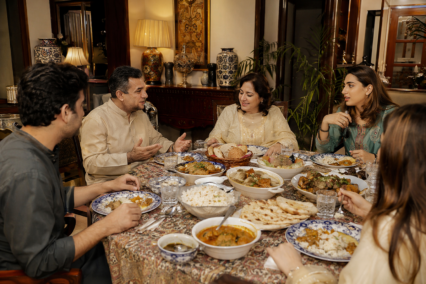
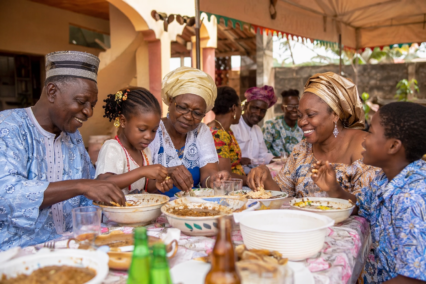
Sharing meals together at the table is a big part of life in mainland Southeast Asia. In places like Thailand, Laos, and Cambodia, people like to eat with family or friends. Everyone has their own plate, but you pick and share from meals placed in the middle. You often find bowls of hot sticky rice, tasty curries, and plenty of dips on the table. All the colours and smells make the meal feel full of life, and it gets people talking and spending time together.
These big meals are about more than just eating. They help people feel close as a group. Dishes like spicy som tam and pad thai bring out the best in their food, and every shared meal is a time for people to catch up, laugh, and enjoy food from their own country.
Market Food and Quick Bites
You can find all kinds of quick and tasty bites when you check out the busy street food markets that offer Mainland Southeast Asian cuisine in Australia. There are many stalls where people serve well-known dishes like pad thai and som tam. It is easy to get these on the go. The food stands use fresh ingredients in things like coconut cream-filled spring rolls and colourful papaya salad. Many of them also have favorites from the area like khao soi, which show what makes their culinary traditions special. There is always the mix of good smells in the air and the sound of food cooking. So, there is going to be something nice for everyone to enjoy when you walk through these markets.
Beverage and Dessert Choices
A wide range of drinks goes well with the bright meals found in mainland Southeast Asian cuisine. You often see fresh juices with lime or pandan mixed in. These drinks help cool you down after spicy food. Coconut milk is used a lot to make sweet treats too. One good example is sticky rice served with mango.
Many like to finish with sweet snacks. Banana fritters and coconut jelly are some of the favourites. For a nice afternoon drink, there is always Thai iced tea or even Lao herbal tea.
All these choices show the rich culinary traditions of Asian cuisine. With every bite and every sip, your taste buds will be happy.
Regional Variations Within Mainland Southeast Asian Cuisine
Different regional variations make Southeast Asian cuisine interesting. The food in northern Thailand gets ideas from the cooler weather. You will find lots of aromatic herbs and spicy curries. They use things like fresh lime and kaffir lime leaves to add a great taste.
The flavours of Laos focus on what the Mekong River gives, with dishes like khao soi showing off rice noodles and fresh herbs.
In Cambodia, people use pork and tasty sauces in meals like bai sach chrouk. Rice is very important there. All these dishes help show the special food map of the region.
You can taste the difference in asian cuisine. Things like kaffir lime, lime leaves, and good local food make every spot stand out in southeast asian cuisine.
Northern vs Southern Thai Food
Thai food in the north and south of Thailand has different flavours and ways people cook. In the north, you often get fresh herbs, some nice spices and foods like sticky rice and herbal pastes. One well-known dish from the north is khao soi. The people there also like to use coconut milk in their curries.
But the south is a bit different. Thai food from there can be very spicy and bold. They use a lot of chili peppers, fish sauce and fresh seafood. The curry dishes in the south are strong in taste. You also find ingredients that come from the Mekong river and plenty of fruit from the south. All of these give you a good and tasty way to enjoy Thai cuisine.
Lao Highlands and River Flavours
The Lao highlands are known for their food that stands out. The area gets a lot of ideas from the rivers nearby. Freshwater fish, herbs, and greens grow well in the highlands. These are used to make dishes full of taste and colour. Khao soi is a much-loved noodle dish. It brings together coconut milk with local tastes. People often cook food here by grilling or steaming. This keeps meals fresh and good for you. At waterside markets, you can find many sellers. They offer snacks full of flavour and some tasty dips. Every bite in Lao cuisine has the touch of nature in it.
Cambodian Provincial Dishes
Try the wonderful taste you get in Cambodian food from different parts of the country. Every dish has its own special flavour because of what is used and how things are done in each area. You can have bai sach chrouk, which is grilled pork with rice, and you will notice the great smell and taste in it. There is also num banh chok, a rice noodle dish that comes with fish sauce and a lot of fresh herbs on top.
Many local foods show how important fresh things are, like holy basil and lime juice. Every mouthful of food tells about their way of life. You can find these special meals that tell the story about Cambodia’s food with every bite.
Vegetarian and Vegan Options
Looking for vegetarian and vegan meals in mainland Southeast Asian cuisine? You will find some good ones that let the best of the region shine. In Thai cooking, pad Thai can be made without meat. Just add tofu or tempeh, with some palm sugar and lime juice, and you get that real, bold taste. There is also khao soi from Laos. You can make this dish with a plant-based broth and noodles, so it has the flavours people love in Asian cuisine without using meat. Cambodian food has its own treats like banh chok. These rice noodle dishes use fresh herbs and a mix of colourful vegetables. You will find every mouthful is full of taste. Try these noodle dishes with your friends or family, and enjoy all the good, new things southeast asian cuisine has to give.
Plant-based Dishes in Thai Cuisine
There are many plant-based choices in Thai cuisine. These dishes are full of vibrant flavours from Thailand. You will often see classic meals like green papaya salad or som tam. These offer a great mix of sweet, sour, and spicy in each bite. Tofu and a lot of fresh vegetables star in curries and stir-fries. This shows their strong culinary traditions in Thailand. Many of these meals use coconut milk. It adds a creamy base to the food and matches nicely with herbs like Thai basil and kaffir lime leaves. These vegetarian meals do more than suit different diets. They also share the real taste of Thailand’s plant-based food traditions.
Lao Vegetarian Specialties
Lao vegetarian dishes are a great way to try lots of flavours and feels. You can taste how fresh the ingredients are in every bite. People love eating “tam mak hoong,” which is a papaya salad with a good kick of lime juice and loads of fresh herbs. Another dish that many go for is “khao soi.” It comes with rice noodles in a coconut cream broth that’s full of taste. A lot of these meals show off how good the local vegetables are, mixed with nice spices. If you’re vegetarian, you can also enjoy sticky rice with tasty dipping sauces. Every meal shows a bit of Laos, gives you something new, and ties back to rich culinary traditions.
Cambodian Vegan Alternatives
There is a great range of Cambodian vegan food that shows off the country’s rich cooking history. A favourite dish, num banh chok, has rice noodles and is topped with a lovely green curry paste. You can make it vegan by using vegetable broth. Another dish, Amok, can be made with tofu or tempeh instead of meat. Mix it with coconut milk and add fresh herbs and spices for a full taste.
If you want a snack, try spring rolls that are packed with veggies and fresh herbs. They give you a nice crunch and go well with a homemade peanut sauce for dipping. By picking these plant-based meals, you can enjoy the true taste of Cambodian cooking and still stick to your own food choices.
Conclusion
The bright range of mainland southeast Asian cuisine is a good way to go on a trip through the different stories and tastes from this region. Every dish has its own story. It could be the smell of rice noodles in a bowl of khao soi. Or you might enjoy a strong curry full of flavour. The mix of sweet, sour, and spicy parts is something your taste buds will notice. This lets you enjoy the area’s food history the right way. When you check out Australian restaurants that serve great southeast Asian cuisine, remember that every bite means more than food. It is about sharing past and good times too. Enjoy this fun food trip!
[khao soi,rice noodles,asian cuisine,southeast asian cuisine,culinary traditions,taste buds]
Frequently Asked Questions
What are the most common ingredients in mainland Southeast Asian cooking in Australia?
Common ingredients in mainland Southeast Asian meals in Australia are fragrant jasmine rice, different noodles like rice and egg noodles, and fresh herbs like mint and coriander. People also use important spices such as lemongrass and galangal. These make up the bold flavors that you find in Thai, Lao, and Cambodian dishes.
Are there authentic vegetarian options available in Southeast Asian restaurants in Australia?
Yes, you can find lots of Southeast Asian restaurants in Australia that have real vegetarian choices. You will see dishes like green curry made with tofu, Lao larb with mushrooms, and Cambodian num banh chok with vegetable toppings. These meals show the rich culinary traditions and flavors of that region.
Where can I experience the best Thai, Lao, and Cambodian food across Australia?
To try the best Thai, Lao, and Cambodian food in Australia, you can visit local places in big cities like Sydney and Melbourne. Go to community festivals and markets, too, where you will find real, tasty dishes. Make sure to stop by the well-known spots that people love for their traditional food.