Key Highlights
-
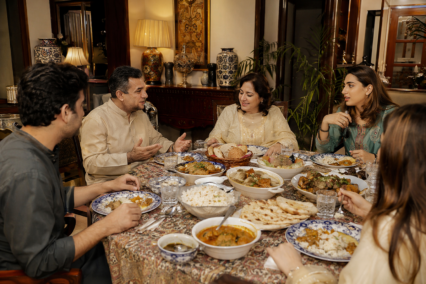
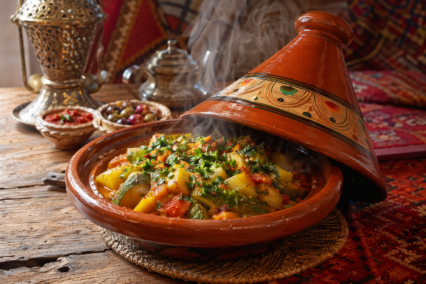
Macedonian cuisine in Northern Greece brings together foods from the area, the best food buys of each season, and great taste.
-
The tastes of the food tell old stories that start from ancient Greek times, move through the Ottoman Empire, and show signs from Asia Minor.
-
You find key ingredients like olive oil, sheep’s milk cheeses, fresh herbs, lemon juice, and red peppers.
-
Small plates, savoury pies, meat dishes, and sweets all show this part of Greece has its own style.
-
There are also strong options for those who go for vegetarian meals, with wild greens, salads, and dishes made from vegetables served at local tavernas.
Introduction
Macedonian cuisine brings a rich and inviting side of Greek food that a lot of Australians might not know much about. It comes from Northern Greece, that part of Greece where people bring together food from the mountains, farm-style meals, and serving up food to share around the table. The meals have clear flavours, big serves, and each dish shows where it comes from and its long past. If you are thinking about your next visit, or just want some new foods to try at home, this cooking from the region is really worth a look.
The Origins and Influences of Greek Macedonian Cuisine
Greek Macedonian cooking comes from a region where many cultures meet. The food in the region of Macedonia still shows many old habits from ancient Greek times. Bread, greens, cheese, and olive oil are still enjoyed at the table, and the way people eat together is important in this area.
As time went by, food in the region changed with outside influences. The Ottoman Empire and long Turkish occupation brought new things, like pastries, yoghurt in dishes, more spices, and the style of eating meze. People in Macedonia also got flavours from Asia Minor, which helped add more taste and depth to Greek cuisine. Because of all this, macedonian cooking feels both like something you know, but also brings something a bit different.
From Ancient Traditions to Ottoman Heritage
Macedonian cooking starts with foods that go back to ancient Greek life. You find things like grains, bread, pulses, olives, cheese, and seasonal veggies at the centre of macedonian cuisine. This shows that old stories and food habits can last many years. These old ways still turn up in simple family meals at home.
Things did not stay the same though. In the time of the Ottoman Empire and during the Turkish occupation, new foods and ideas got mixed in. Thin pastry, yoghurt, pepper pastes, small plates, and sweets with syrup and nuts showed up more in regular cooking and for special days.
The thing that makes macedonian cuisine stand out is how all these bits fit together. You will taste a Greek base in many of its foods, but you will also spot touches from the east in sauces, pastries, and how things are seasoned. Together, this blend gives macedonian cooking its own distinct set of delicious delicacies, but it still keeps its place as part of greek cuisine. That mix of old stories and new ideas is easy to see at the family table.
The Impact of Northern Greece’s Geography on Local Flavours
Northern Greece shapes food through the land and its long past. The region of Macedonia has mountains, farms, lakes, and the coast. So, the kitchen gets food from a mix of different places. That is why Macedonian cuisine can be so different from other Greek foods, and it happens without much fuss.
In the mountain areas and places far from the sea, people use a lot of dairy, meats, beans, wild greens, and baked meals. Local products are key because farming shapes what is in the shops. Cheeses, herbs, peppers, and fresh produce play a big part in the way of eating every day.
Near the sea and lakes, you find fish on the table more often. Things like the water of Lailias show how local water and other resources can give flavour to the food. Put simply, the northern region of Greece is full of surprises. You get rustic slow-cooked food as well as light meals made with olive oil, lemon juice, and herbs. This is what makes Macedonian cuisine stand out in northern Greece.
Essential Ingredients in Macedonian Greek Cooking
If you want to get to know Macedonian cooking, you need to look at the key ingredients first. Olive oil is at the centre of Greek cooking. It gives flavour to things like vegetables, fish, sauces, and meze. Fresh herbs, like dill, mint, oregano, parsley, thyme, and bay leaves, help the taste stay light, not too heavy.
Dairy is a big part of it too. Sheep’s milk is important, especially in yoghurt and white cheeses. That’s what gives many foods a creamy and tangy taste. When you add lemons, tomatoes, onions, garlic, peppers, and grains, you get the base of a lot of favourite dishes people make in this region. From there, the local pantry lets you add in more special things.
Signature Meats, Cheeses, and Freshwater Fish
A Macedonian meal can move easily from dairy-rich starters to hearty meat dishes. Pork and chicken are common in daily cooking, while lamb and goat carry stronger links to tradition and feast days. Ground meat also appears in pies and baked dishes, often paired with tomato and herbs.
Cheese is just as important. Across Greek cuisine, white brined cheese and yoghurt made from sheep’s milk stand out for their salty, tangy taste. In the region of Macedonia, local cheeses help define the table, whether served simply with bread or folded into pastry.
Freshwater fish adds another local note where lakes and inland waters shape local cooking. This helps separate the region from islands more focused on seafood.
|
Ingredient group |
What it brings to Macedonian cuisine |
|---|---|
|
Ground meat |
Used in filling, baked meat dishes, and rustic family recipes |
|
Local cheeses |
Salty, creamy character in pies, salads, and meze |
|
Sheep’s milk dairy |
Tangy yoghurt and white cheese with rich flavour |
|
Freshwater fish |
A regional contrast to the seaside Greek seafood tradition |
Herbs, Spices, and Olive Oil Unique to the Region
Seasoning in Macedonian cuisine is simple and well balanced. You taste the main ingredient first, and then you notice what is added to support it. Olive oil is the main thing in lots of dressings, cooked vegetables, and other easy dishes. Lemon juice is added to fish, salads, and sauces to give them a clean finish.
In the region of Greek Macedonia, people use fresh herbs all the time. They like to add dill, mint, oregano, parsley, thyme, and bay leaves. Black pepper, paprika, dry chilli, cinnamon, cloves, and cumin add warmth when people want that extra kick. Red peppers get used a lot too, especially in relishes and side plates.
You get these key flavour notes in Macedonian cuisine:
-
Lots of fresh herbs to brighten up grains, vegetables, and yoghurt
-
Olive oil is important for ladera-style vegetables and dressings
-
Red peppers give a boost in spreads, salads, and roasted sides
-
Lemon juice is there to make fish, greens, and meze plates sharper
Classic Starters and Small Plates (Meze)
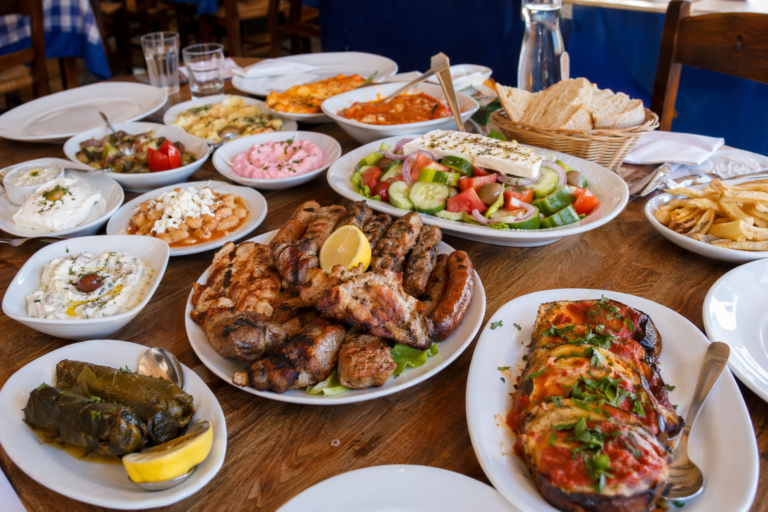
In local tavernas across Northern Greece, the meal often starts with small plates put in the middle of the table. This meze style fits the region well. People can share, eat slow, and enjoy different textures, like creamy dips, roasted veggies, and cheese.
Savoury pies are a big part of macedonian cuisine too. There is wheat, phyllo, herbs, yoghurt, and cheese mixed together in ways that feel true and fun. These dishes at the start are not just sides. They show how in northern greece, the food builds flavour from the start, all the way up to the bigger mains.
Spreads, Dips, and Savoury Pies from Northern Greece
One of the most simple ways to try northern Greece is by sampling the spreads and pastries at the table. You will often get fresh bread first. It goes well with yoghurt-based sauces, garlic dips, or pepper relishes. These foods may be simple, but they show how people here like to eat and welcome others.
Savoury pies are also a must if you want to eat like a local. They have thin layers of pastry and are filled with things like cheese, greens, or ground meat. This shows the everyday side of Macedonian cooking. You will often find rice mixed with herbs, olive oil, and lemon inside grape leaves or vegetables.
Look out for these:
-
tzatziki with fresh bread or grilled meat
-
skordalia, which is a strong garlic dip
-
roasted pepper spreads with garlic and olive oil
-
savoury pies with cheese or ground meat
-
stuffed grape leaves, sometimes covered in a rich tomato sauce
Vegetable-Based Appetisers and Beloved Meze Combos
If you like lighter entrees, Macedonian cuisine will give you a lot to enjoy. There are many vegetable-based dishes in this food, and they are not left out. They are a big part of the way of eating every day. People use tomatoes, aubergines, courgettes, okra, and leafy greens with skill.
Wild greens are also very important in Greek cooking. People eat them boiled, dressed, or put into pies. Bell peppers and roasted peppers bring extra sweetness and taste. Olive oil, garlic, and lemon make sure everything tastes fresh and clean. Many of these meals are full of nutritional value. That is one reason they are still found in many homes.
A plate of classic meze might have greens, dips, olives, cheese, bread, and roasted vegetables. This simple mix gives a good blend of flavours. Many travellers want to know if there are solid vegetarian choices in this style of food – and there are. This regional food culture has a lot to offer.
Standout Main Dishes of Greek Macedonia
The main dishes of Greek Macedonia are big and simple. They give you comfort. A Macedonian meal mostly has braised meats, food cooked in an oven, grilled food, or fish. It will change with the year or where you are. You will see that the food looks homey and not fancy. The strong taste comes from slow cooking.
Meat dishes made with ground meat, stews, and foods baked in the oven show who the people are. Most come with thick tomato sauce, use herbs, or have yoghurt on the side. At the same time, this place uses fish and special recipes to balance out the rich food from the land. The next parts give more detail about these two sides.
Hearty Meat and Stew Specialities
Inland Macedonian cuisine is known for solid and warming meat dishes. During the week, people often eat pork and chicken. Lamb and goat are saved for family get-togethers and for big holidays. These meals match the cooler weather and the farming way of life. That might be why these dishes have stayed popular for so long.
A dish of Macedonia usually uses slow cooking over tricky methods. Braising is common because it helps onions, tomatoes, herbs, and meat all blend their flavours together. Ground meat is often used in pies and baked meals. Dishes cooked in deeper pans usually have a thick tomato sauce. This gives them more flavour.
Common styles include:
-
braised lamb or goat with herbs
-
chicken or lamb with rich tomato-based cooking juices
-
ground meat baked in pastry
-
grilled pork and other rustic meat dishes
-
holiday meals built around slow-roasted lamb
Fish, Seafood, and Festive Regional Recipes
Not every main dish in the region is heavy. In seaside tavernas, the menu usually depends on the catch of the day. People often keep fish simple here, with just olive oil, lemon, and oregano. This way, the freshness does all the work, and it really shows what Greek cuisine is all about.
Up north, the plate often has freshwater fish, too. This gives the place a different taste compared to island food. It is one thing that makes Macedonian cuisine stand out, because lakes and other local waters do change what people make at home.
At special occasions and family parties, you see more of the big meals. Lamb is really important at Easter. People will put on a full spread with pastries, salads, grilled meats, pickles, and sweets. The whole idea is to show there is plenty of everything for the people there. This way of showing good hospitality is a big part of local cooking.
Iconic Macedonian Desserts and Sweets
Desserts in Macedonian cuisine use things like pastries, nuts, syrup, and dairy. These sweets feel rich, but they are not hard to make or eat. Many Australians will find the style easy to love. In Greek cuisine, the mix of soft filling and crunchy dough is also very important.
You will find many honeyed treats and bakery sweets at big gatherings, on holidays, and at long family meals. These desserts show the mix of cultures in the area. Phyllo pastry, syrup, and spices show both the local style and some eastern ideas too. To see this clearly, it is helpful to look at pastries and fruit-based sweets as two different things.
Traditional Pastries and Honeyed Treats
Many of the best sweets from this area start with classic Greek ideas. You often see thin pastry layers, nuts, syrup, or dairy. What makes them stand out is the texture. A good sweet will mix syrup with crunchy dough, so it feels rich and not boring.
Honey is important too. Greek sweets use a lot of honey or sugar syrup. Sometimes pine honey brings a deeper taste. These are the special things that can turn a simple tray bake into something your guests will remember after the meal.
You are likely to come across:
-
baklava, which has layered pastries, nuts, and syrup
-
kataifi, known for its fine strands and crisp finish
-
galaktoboureko, with a creamy filling and pastry
-
sweet breads or biscuits, often made for special occasions in Macedonian families
Unique Fruit Preserves and Local Confections
Macedonian cuisine is not just about pastry. People here also enjoy fruit preserves and small sweet treats. This fits well in a place where local products and seasons matter a lot. Keeping fruit this way helps make the most of every harvest, and it adds a special homemade feel to the table.
These sweets can often feel lighter compared to pastries full of syrup. Still, they have an intense taste. People serve them in small pieces, which goes with the slower way of eating that is common in Greek and Balkan food culture. They go well with coffee, yoghurt, or as a nice way to finish a big meal.
There is a good side to preserved fruits as well. Even when made into sweets, they keep some of the nutritional value of the fruit. This mix of pleasure and goodness is a big part of the region. Here, food is made to enjoy, but it is also about the time of year, old memories, and using local products as well as you can.
Vegetarian and Plant-Focused Choices in Macedonian Cuisine
If you are vegetarian, you can still enjoy Macedonian cuisine. The food here has a lot of plant-based cooking at the heart of it. This is not just something new but comes from old traditions. You will find vegetables, beans, grains, yoghurt, cheeses, peppers, and herbs in many meals and on meze plates.
Wild greens show how strong this way of eating is in Macedonian cuisine. You also get ladera-style vegetables. These are cooked with olive oil and tomatoes. Many dishes have a simple recipe. They use a few good things instead of a lot of extras. This way, eating vegetarian food here is both natural and tasty. There are a lot of options, so you will feel happy and full.
Creative Vegetable-Based Dishes and Salads
One great thing about Macedonian cooking is how well it uses simple, fresh produce. Many of the vegetable dishes can be a meal by themselves. You can eat them with some bread, a bit of yoghurt, or some white cheese. You will see tomatoes, aubergines, courgettes, peppers, beans, and different greens used in all sorts of ways.
Salads are also a big part of Macedonian food. People do not see salad as just something extra on the side. A good salad can go well with grilled meats, pies, or beans, and still taste great on its own. Olive oil, lemon, herbs, and white cheese are what make the taste bright and simple.
If you want to try some new foods from Macedonian cooking, start with:
-
wild greens with olive oil and lemon
-
roasted bell peppers with a bit of garlic
-
tomato and veggie salads with white cheese
-
beans and other veggie dishes cooked in olive oil
Conclusion
Greek Macedonian cuisine brings a real taste of Northern Greece to your table. It has a mix of old flavours, fresh foods, and bright meals. You get everything, from tasty meats and seafood to sweet treats and food for those who do not eat meat. There is something in Macedonian cuisine for all to enjoy. When you try these foods you learn more about the culture of Greece. You get more from your meal and also feel close to history.
Why not try making some dishes from Macedonia in your own kitchen? Have a go, try out some new recipes, and share them with your family or friends. Cooking and eating these foods can be fun. Let the friendly feel of Macedonian hospitality inspire what you put on the table next time.
Frequently Asked Questions
How does Greek Macedonian cuisine differ from other regions of Greece?
Macedonian cuisine is a type of food that comes from the region of Macedonia. It stands out because it mixes foods from mountain, inland, and coastal areas. The way people cook there often uses simple baked dishes. You will find a lot of dairy, peppers, greens, and freshwater fish in the meals. Macedonian cuisine is a part of Greek cuisine. This is shared here for general information purposes.
What are must-try Macedonian Greek dishes for Australian travellers?
Australian travellers should try savoury pies, meze spreads, roasted pepper dishes, grilled fish, lamb for special occasions, and yoghurt-based dips with fresh bread. These typical delicacies of Macedonia show their local cooking at its best. The regional specialties use one strong main ingredient instead of a lot of steps to make the food.
Are there similarities or differences between Greek Macedonian and North Macedonian cuisines?
Yes, there are a lot of shared things in macedonian cooking. People often use peppers, pastries, cheese, and like to eat together at the table. Still, small changes can make a big difference. The region of greek macedonia is part of greek cuisine. There are stronger ties to olive oil, lemon, and the old greek food ways here. These points give peace of mind when we talk about the aspects of the topics.