Key Highlights
-
The cuisine of Liechtenstein brings together alpine cooking with flavours found all over central Europe.
-
You’ll see filling options for a main course, like schnitzel or cheese pasta that’s rich and creamy.
-
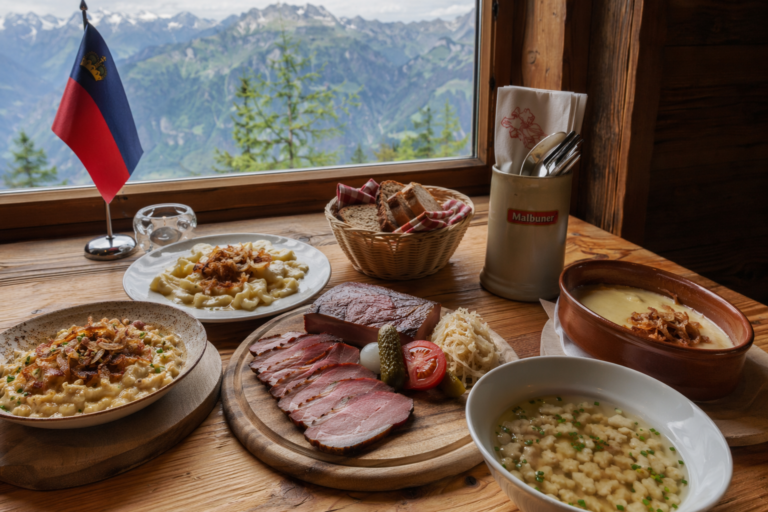
Käsknöpfle is often called the national dish of Liechtenstein, made with plenty of local cheese.
-
Classic foods, such as ribel and soups, show that simple meals can delight your taste buds.
-
Baking for special times is important too, and king cake is a favorite during big local events and around family tables.
Introduction
Liechtenstein is small, but the food there stands out. This country, found in the alpine part of central europe, leans on local dairy, handy home cooking, and close ties with the food from places nearby. If you come from Australia or like to try new things at home, this guide gives you an easy look at Liechtenstein’s cuisine. You’ll find out which foods are important, how old habits shape what people eat, and why simple things from the kitchen mean so much to their meals across europe.
Liechtenstein Cuisine Guide for Australians: Alpine Dishes, Local Traditions, and Key Ingredients
The cuisine of Liechtenstein focuses on alpine dishes, dairy foods, soups, and easy family meals. In Liechtenstein, food is more than just a break in your day. It’s a real part of life. Your taste buds will get to enjoy rich cheese, warm grains, and filling plates. The food of Liechtenstein also picks up a lot from central Europe.
Since Liechtenstein sits between Austria, Switzerland, and Germany, you will see where food gets ideas from these places. You can taste flavours from Austria and Switzerland in many dishes. Some things you have to try are the national dish Käsknöpfle, ribel, schnitzel, barley soup, and a sweet treat that goes great with a cup of coffee. Now, let’s talk about each classic on its own.
1. Käsknöpfle – The Iconic Cheese Pasta of Liechtenstein
Käsknöpfle is the best-known comfort food in the food of liechtenstein. Many people say it is the national dish. This is because it brings together the country’s love of milk products, a hearty feel, and simple cooking. If you know mac, you may find this dish familiar. Käsknöpfle uses small noodles or dumplings that are a bit firmer to bite.
To make käsknöpfle, people mix eggs, milk, flour, salt, and pepper. They beat this together to make a thick batter. Next, that batter is pushed into a large pot of salted water. The bits of noodle cook until they come up to float. When the noodles are ready, they get mixed with butter and a mix of local cheese for flavour and melt.
What makes this food of Liechtenstein stand out is the local cheese and what goes on top. Most people put crispy fried onions on it, and sometimes there’s apple sauce on the side. Cheese is very important in Liechtenstein dishes because they have strong milk products from an expansive dairy industry. This main course is filling and tastes good.
2. Ribel – Classic Cornmeal Comfort Food
Ribel is a dish that shows a lot about local life in central Europe. It is made with cornmeal and is usually seen as a classic and simple food. People often call it a poor man’s dish, but this doesn’t show how important it is on the table in many homes.
Ribel works well as a breakfast dish or as a side dish. This is one reason it still shows up at family meals. It is for the kind of people who use good, affordable food to keep warm and go through cold days.
If you visit Liechtenstein, you will want to try ribel. It is part of the national dish of Liechtenstein talk, but you will find it is different. Not every national dish has to be fancy or cost a lot of money. The ones you just eat with a cup of coffee, in a simple way, like ribel, can be the best. These modest foods are loved by many and often shared the most in a home.
3. Hafalaab – Traditional Barley Soup
If you want a traditional dish that comes from the mountains, hafalaab is worth a look. This hot soup is big in alpine cooking and really shows the practical way people in the Alps eat. It’s good, steady food made for colder weather, and it does a great job filling you up.
The main idea is simple. Barley and oats are cooked in broth until the whole thing gets thick and full. It’s more like a light stew than a thin soup, so it fits right in with homemade meals. The texture is just as important as the taste.
For Australians visiting Liechtenstein, hafalaab is a good choice if you want to try a traditional dish that feels like home-made food. It’s not fancy, but it gives you a real idea of what people in the Alps eat day to day. That’s why it’s a must-try meal to get a taste of true local life.
4. Schnitzel – Alpine-Style Breaded Meat
Schnitzel is to be one of the easiest main course dishes for Australians to spot on a Liechtenstein menu. The way it’s made just fits right in with alpine eating and it’s a good show of how the cuisine of nearby countries, like Switzerland, Austria, and Germany, have helped shape food in Liechtenstein. There are clear ties to those places when you see this well-known favourite.
Schnitzel uses thin slices of meat, often veal, and the meat is cooked until there’s a golden brown, crispy coating. Sometimes, bacon or ham will be in other big meals too, showing that people here like their food to be hearty and savoury.
When you pick it as your main course, schnitzel is a good, reliable choice if you want something traditional on your plate. It’s a great answer to the question about Liechtenstein food and if it’s a lot like the food in places like Austria, Switzerland, or Germany. Liechtenstein’s alpine setting and local ways help give their cuisine its own feel, even though there are many things in common with the countries next door.
5. Kratzer – Rustic Mountain Pancakes
Kratzer brings a warmer and more home-style feel to the food of liechtenstein. This pancake is simple and fits right into alpine kitchens, where people have used batter dishes for a long time. It feels casual and cosy, and you can just picture it being served on a family table.
You make it with a batter. It is cooked as a thick pancake, not like the fancy ones you get at a café. The rough look is part of what makes it nice. People often serve kratzer with fruit like plums or pears. It can be sweet or savoury depending on what you’re having for your meal.
If you are looking for food of liechtenstein and want a good vegetarian side dish, this is a nice pick. You can eat it as a side, a light meal, or even share it with others. If you want to try foods from liechtenstein that are not packed with meat, kratzer is an easy way to start. It helps you get to know everyday alpine cooking.
6. Dreikönigskuchen – Festive King Cake
Dreikönigskuchen is a special bake from Liechtenstein that brings out the sweeter side of the place. If you like food that goes with certain times of the year, this king cake is a good one to try. It joins food and celebration in a way that shows a lot about local ways of life.
You will most often find dreikönigskuchen at a bakery or in small bakeries, where baking for the season is still strong. With almonds as one of the well-known tastes, it fits well for breakfast or morning tea. It is made for sharing and is not the kind of thing you eat on your own, quick.
As a breakfast dish, it shows the how family meals can keep a tradition going even when they are not too formal. That is why many say it’s a must-try food for visitors who want to try more than just a big meal. Often, the best way to see what a place is all about is a sweet loaf that people pass around the table.
7. Schwartenmagen – Jellied Pork Sausage
Schwartenmagen is a sausage dish that comes from the strong meat cooking ways you find in central europe. Some people in Australia might find the jellied part a bit odd, but it fits the simple and no-waste cooking style from the region. It is a hearty and straight-up meal, and it really shows off that old-style food culture.
This main course is made from pork and shows the german effects in Liechtenstein’s food, which is normal since the country shares a lot with those nearby. People often eat it with cabbage, and it can fill you up without much else on the plate.
If you want to know if Liechtenstein’s cuisine is much like the food in nearby spots, this is a good dish to show you. It is part of the europe food scene, but still fits the local way people eat. As a main course, this is good for travellers who want to try something real and not made for the tourist’s taste.
8. Liechtensteiner Fish Stew – Freshwater Alpine Flavours
Liechtensteiner fish stew gives you a new take on alpine food. Most of the time, people talk about meat or cheese, but this stew based on fish shows that traditional dishes in the area are not all alike. The stew still keeps that love for warmth and simple cooking.
The main idea behind liechtensteiner fish stew is pretty simple. It’s a traditional dish with fish in a stew style and you get that freshwater taste as part of the flavour. You might hear fish like cod or snapper when people talk about it, but what matters is that it’s easy to eat and makes you feel good, not that it’s a hard recipe.
You can have liechtensteiner fish stew as a main course, and it’s great if you want something lighter after eating bigger meals. It also gives people who don’t eat much meat another choice—because not every dish without meat is just plants. So, this stew shows that the local cuisine can be light and fresh as well as filling.
Key Ingredients and Cooking Traditions in Liechtenstein
To really get the feel for the cuisine of Liechtenstein, you need to look at what is in the kitchen first. A lot of what people eat starts with an expansive dairy industry. Because of this, milk products and local cheese are in a lot of food again and again. The national dish of Liechtenstein shows this, as it is rich, simple, and connected to the land.
Common vegetables like potatoes, greens, and cabbage are also a big part of the meals. Grains are used a lot in the cooking too. In Liechtenstein, food is a big part of life. People often share meals in a formal way with family. These things make a mark on how food is cooked, served, and remembered. The next parts will break it all down more.
Essential Alpine Ingredients in Liechtensteiner Cuisine
A good way to read Liechtensteiner food is through its ingredients. Alpine conditions favour sturdy, useful staples rather than delicate extras. That is why milk products, cheese, grains, and root vegetables appear so often. They support both daily eating and the richer dishes visitors usually notice first.
Here is a simple text table showing the main building blocks:
|
Ingredient |
How it appears in the cuisine |
|---|---|
|
Cheese |
Central to hearty dishes, especially pasta-style favourites |
|
Milk products |
Common due to the expansive dairy industry |
|
Cornmeal |
Used in ribel and other simple staples |
|
Oats |
Added to soups and filling bowls |
|
Potatoes |
A regular part of everyday meals |
|
Cabbage |
One of the common vegetables on traditional plates |
These ingredients also explain why the food can feel similar to nearby alpine cuisines. Switzerland and Austria share some of the same foundations. Still, in Liechtenstein the mix has its own rhythm, from a cup of coffee with simple fare to cheese-led comfort food that feels distinctly local.
Family Meals and Local Culinary Customs
In Liechtenstein, the cuisine is more than just what is on your plate. The cuisine of Liechtenstein is tied to the way people stick to their local food habits. For many people there, the way they eat is just as important as what they eat. People have three meals each day, and meals are often formal. It shows that food is a big part of life and not just about finishing a meal fast.
This daily routine is why family meals have a steady feel. Most foods can be a breakfast dish, a side dish, or even the main thing people eat, and this depends on the time or the family.
A few things stand out in Liechtenstein:
-
Three daily meals are a normal part of home life.
-
Shared tables help keep family meals central to routine.
-
Practical dishes can appear as a breakfast dish or side dish.
-
Festive baking adds extra meaning to special occasions.
If you visit Liechtenstein, you will see the food makes more sense when you see their customs. The real draw is about how people use the cuisine of Liechtenstein every day and how these dishes are a part of life, and not just about the food’s taste.
Exploring Modern and Vegetarian Options in Liechtenstein
If you want to know if you can eat vegetarian food in Liechtenstein, the answer is yes, at least a little bit. A lot of classic dishes in Liechtenstein use meat or dairy. But their cuisine also has plenty of meals with grains, batter, cheese, and common vegetables.
These days, more modern food places are making things easier for people who want to try vegetarian dishes or even plant-based food. You can find potato salad, rustic pancake dishes made with batter, ribel, and some soup meals too. These meals suit people who want more flexible food choices. So while many main course dishes are big and filling, there are ways to eat lighter if that’s what you want. Now, let’s have a closer look at these options.
Vegetarian and Plant-Based Choices in Local Dishes
A lot of classic dishes in the cuisine of Liechtenstein can fit a vegetarian way of eating, especially if you like meals with grains, dairy, or fruit. The food isn’t all plant-based by itself, but you can find good options if you don’t want a trip that’s all about meat.
Some good dishes from the cuisine of Liechtenstein are:
-
Ribel, a cornmeal dish that you can have for a breakfast dish or as a simple side dish.
-
Kratzer, which is a pancake that tastes good with fruit like pears or plums.
-
Potato salad and other meals made from common vegetables.
If you want to try a meal at home, Käsknöpfle is a good option. You just mix a batter using eggs, milk, flour, salt, and pepper, and cook it in salted water. Then add cheese and onions. It’s vegetarian, tasty, and easy to cook in an Australian kitchen.
Comparing Liechtensteiner Cuisine with Swiss and Austrian Influences
The cuisine of Liechtenstein is very much linked to Switzerland, Austria, and Germany. But this does not mean it is just a copy. The reason for the similarities is the shared alpine weather, the same ingredients, and the old connections across these countries. For Australians, this makes the food seem easy to get to know if you are used to central European food.
You can see there are links in cheese-filled comfort food, schnitzel-style meals, sausages, and soups. The cuisine of nearby countries shows up in how the dishes are made and the things they use in them. Dairy means a lot to people in Liechtenstein, and this is why the national dish is so special.
But even with this, liechtenstein keeps something of its own in the food. Local ways of doing things and a smaller food scene help give the cuisine its own feel. There is a focus on proper meals, home cooking that just works, and using lots of dairy from their own farms. The cuisine of Liechtenstein is like the food next door, but it still keeps its own little alpine mood.
Conclusion
To sum up, Liechtenstein’s cuisine brings together many flavours and old traditions that will interest people in Australia who love food. You will find dishes like Käsknöpfle and Hafalaab, and they are both full of taste and warmth. These meals show the rich food roots of the area, and you also get to see what makes their ingredients and way of cooking special. When you try these Alpine dishes, you can see how food brings people closer, with little bits of influence from Switzerland and Austria. You might want to cook these recipes at home or maybe you’ll look for places nearby that serve them. No matter what, there’s plenty for you to discover and enjoy. If you want real recipes or ideas for where to get these dishes, just ask for more tips. Enjoy your food adventure!
Frequently Asked Questions
Where can Australians find authentic Liechtensteiner recipes online?
Australians can find real food of liechtenstein recipes on websites about world cuisine or home cooking. Look for dishes from liechtenstein, like Käsknöpfle. You can also get ideas from travel blogs, bakery sites, or use an app that sorts regional cuisine and bakeries.
What are the best restaurants in Liechtenstein for traditional dishes?
The list does not say which are the best restaurants. It’s a good idea to check what’s popular in the area when you travel. Try to find a good place where you can eat a traditional dish, like Käsknöpfle or schnitzel. Menus that talk about the cuisine of liechtenstein and offer a main course are often a good sign.
How important is cheese in Liechtenstein’s culinary culture?
Cheese plays a key role in the cuisine of Liechtenstein. You can see it in the food here, like Käsknöpfle. In this dish, local cheese is what gives it taste and a nice feel. The people here use a lot of milk products. The expansive dairy industry in Liechtenstein has shaped a lot of what people eat in their homes every day. The strong cheese culture comes from all this.