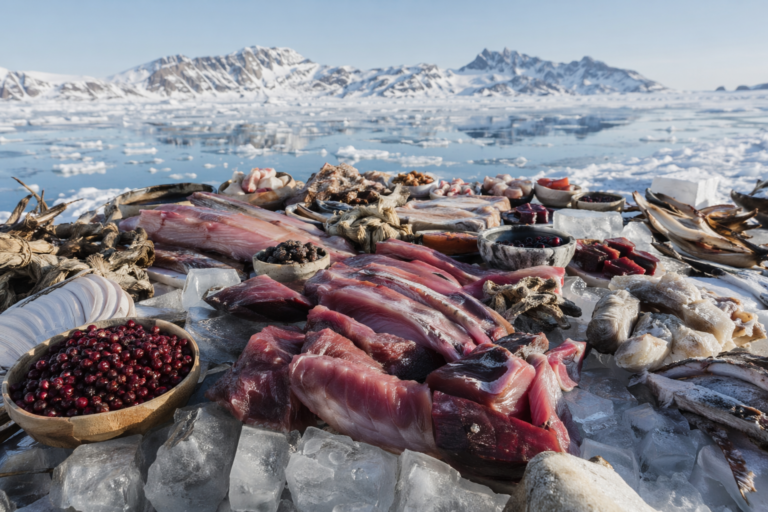
Key Highlights
-
Inuit cuisine is about foods that people hunt, fish, or gather in the Arctic. The way the inuit diet has been shaped is by the tough and cold conditions there.
-
The traditional inuit diet uses a lot of sea mammals, fish, land animals, and some plant foods you find in the right season.
-
Main arctic foods like seal, whale, walrus, arctic char, and berries are more than just food. These carry deep meaning for people and are a big part of inuit culture.
-
When it comes to traditional food, people hunt, share, dry, freeze, ferment, and sometimes eat things raw.
-
For inuit people, country foods are tied closely with identity, caring for the group, and showing respect for animals.
-
The inuit diet is also important for people as it gives energy, and is great for vitamins like vitamin c and vitamin d, plus important fatty acids.
Introduction
Inuit food might look new to many people in Australia. But, it’s easy to see why when you know where Inuit people live. The inuit diet grew in cold places where it is very tough to farm. Winters go for a long time, and people need to help each other, work hard, and know the land well to live there. That is why the traditional inuit diet is all about eating hunted meat, seafood, and plants that they can find, not grains or normal garden veggies. If you think about the way they live, you can start to see why Inuit food traditions are special and make sense.
The Foundations of Inuit Cuisine
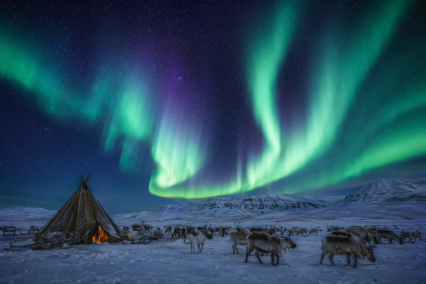
The inuit diet is based on what people can get from the land, sea, and ice. Main foods in traditional inuit food are sea mammals, fish, land animals, birds, eggs, roots, berries, and things people can pick or gather. In places where there are not many plants, animal foods became the base for traditional food.
The traditional inuit diet is also very important to inuit culture. Food is not just for eating. It helps people gain skills and is a big part of who they are and how they live together. To see why this matters, you need to look at the land, the weather, and how the seasons change the way people make food choices.
Influence of Arctic Geography and Environment on Traditional Diet
The way people eat in the Arctic is shaped by what’s around them. Up north, it’s hard to grow crops, so people eat what they can get from the sea, rivers, and wild animals. Arctic char, seals, whales, shellfish, and caribou are always needed in the diet because you can find them in these places.
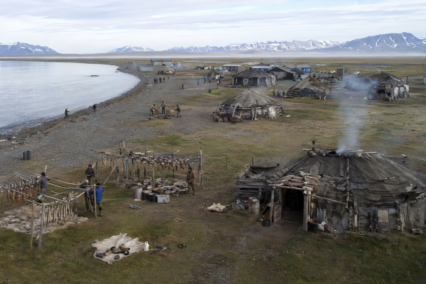
Sea ice is important too. It helps decide how people hunt, fish, and get food ready. Hunters move and fish over frozen ground. They also use breathing holes to catch seals. People keep food by freezing it, drying it, or just eating it as soon as they get it. There’s not much fuel, fresh veggies, or farming here, so people use easy ways that work best.
Places close to north atlantic oceans and Arctic coasts have the same story. The way land is shaped affects food security for everyone. When the world outside changes, people cannot always get their favourite foods so easily. This is why knowing your place and what’s around is so important for Inuit cooking.
The Role of Climate in Seasonal Ingredient Availability
Climate helps shape what people can get or hunt at different times of year. When the short summer months are here, people collect berries, roots, and some wild plants. In colder times, hunting and fishing become even more important. This is when sea mammals and fish help the community through winter.
Late spring and summer can change hunting patterns too. There are some animals that are easier or safer to get during certain seasons. People often hunt walrus in winter and spring. Other food items depend on migration, ice conditions, and which way you can travel.
Food practices have changed over a long time because of these patterns from one season to the next. In recent years, as the weather gets warmer and ice changes and more people settle in new places, the times and ways people harvest food have changed. Even now, seasonal knowledge is still a big part of how people eat the traditional way.
Essential Arctic Ingredients in Inuit Food
The most important arctic ingredients in traditional inuit foods come from the nearby waters and the tundra. People in inuit communities often use sea mammals, fish, birds, eggs, land animals, roots, berries, and plant foods from the coast. These country foods are what the environment gives, not what people can grow on a farm.
For a lot of inuit communities, the meats and seafood they eat most are seal, whale, walrus, arctic char, lake trout, caribou, and muskox. If you look at each group, you can see how many different kinds of inuit food there be.
Sea Mammals: Seal, Whale, and Walrus
Sea mammals play a big part in the eating habits of the Inuit. Seal meat is valued by many, and people get more than just one kind of food from seals. People also eat whale meat and whale blubber. There is something called maktaaq or muktuk, and it is whale skin with a thick layer of blubber.
These animals matter because they provide a lot of energy, which is needed in the cold places where the Inuit live. Fat from the sea mammals is very important. In the past, lean meat was not enough, so the energy in foods like seal meat, whale meat, and whale blubber helped with warmth, strength, and getting through tough times.
Walrus is another important sea mammal that people use. In some groups, aged walrus meat is shared by all and eaten as a traditional food. Sea mammals give more than just food, too—the blubber and skin can help with clothing, keeping warm, and making tools. All these things show how sea mammals help support Inuit life, and how people make sure to use every part of what they catch.
Land Mammals: Caribou, Muskox, and Arctic Hare
Land mammals help add more range to Inuit diets. Caribou and muskox are two of the best-known sources, and both have been a part of old ways of hunting for a long time. Caribou is a main food in many places, as it gives meat and other useful things from just one animal.
Muskox shows up now in new ways to push for eating the old, local foods. This even includes cooking shows that put local meats in the lead. Other land mammals, like arctic hare and bears, get eaten too. However, not every animal gives the same value for their body.
This difference matters when it comes to food security. The Inuit knew that very lean meat could not take the place of well-fed animals as the main power for the body. In the harsh Arctic cold, what people eat depends not just on what is found, but on what will truly keep them fit and healthy.
Fish and Seafood: Arctic Char, Salmon, Shellfish
Fish is a big part of Inuit food. Arctic char is famous and comes up often when people talk about country foods. Inuit also get freshwater fish, like lake trout, plus other types from rivers, lakes, and the sea.
Seafood gives even more choice. In some places, shellfish are part of what people eat, and some people who live near the sea will pick seaweed and kelp too. The long list of foods from the ocean shows Inuit food is more than just big animals people hunt.
Sometimes, you hear about things like lumpfish roe and other local catches when talking about northern food. What matters is that fish and seafood give good fats, vitamins, and protein. They are a strong part of the traditional diet.
Foraged Berries, Roots, and Wild Edible Plants
Even in the Arctic, people include plant foods in the traditional diet. The Inuit gather berries like crowberry and cloudberry. They also collect roots, stems, grasses, fireweed, seaweed, and different wild plants that grow in the area.
These plant foods are local and come and go with the seasons. The way they are gathered depends on the land and weather. That means plant foods are mostly added to meals, not the main part. But, they give more food choices and good nutrients that help health.
In the real world, these foods also help with food security. If people can get both animal and gathered foods, there are more ways to eat at different times of year. This mix shows that the Inuit traditional diet uses a lot of meat, but it is not only meat. Plant foods and wild plants are still part of the way we eat.
Traditional Inuit Hunting and Gathering Practices
Traditional inuit hunters get their food by hunting, fishing, trapping, and gathering. The way they hunt depends on the time of year, where they are, and what the animals do. People clean, skin, and split what they catch. They also keep and store it with simple and useful ways they learn from family and the whole community.
They start getting things ready right after they bring food in. Traditional food is eaten in many ways. People might eat it fresh, frozen, raw, boiled, dried, fried, or fermented. It all depends on what they like and where they live. If you want to know more, it’s helpful to look closely at how hunting and gathering work for inuit hunters.
Sea Mammal Hunting Methods and Tools
Hunting sea mammals takes a lot of patience. People need good local knowledge, and they have to work together as a team. When hunting seals, you often find them by their breathing holes in the ice. A hunter sits by the hole with an indicator. He uses a harpoon when the seal comes up to breathe. This only works if you watch the animal move very closely.
Going after walrus is harder because the animal is very big, and it can be dangerous. Hunters get together as a group, move in quietly, and make sure the animal is secure before taking it. Whale hunting also uses harpoons. Sometimes, hunters chase the whale or let the currents take it toward shore.
People in the north hunt other animals too, like polar bear in some places. All these hunts show how skill is very important for survival. When hunters get an animal, they often share it with community members. This way the catch becomes part of a traditional diet for everyone in the group. Sharing keeps old ways strong and fits in with what the whole group needs.
Fishing Techniques and Ice Fishing Traditions
Ice fishing is a clear sign of how people get used to life in the Arctic. The hunters make a square hole in the ice. Then, they drop a lure down to look like a little fish or animal the bigger fish want to eat. When a live fish swims close, they spear it instead of using a regular hook.
People use this way to catch arctic char and other freshwater fish from lakes and the coast. It works well in frozen places because it is simple and gets the job done without being hard to use.
Many times after fishing, people eat the fish right there. Some even think you should eat freshwater fish raw at the fishing spot. Later, once you move away from the water, you can cook it. This way of fishing and eating shows that people follow their taste, the rules of their group and sometimes looks after old traditions, not just what is easiest.
Gathering Wild Foods in the Tundra
When people gather food in the tundra, they look for wild plants that grow naturally, mostly during the milder part of the year. People often pick foraged berries, roots, grasses, and seaweed. These foods can be eaten right away or saved for later. Even though these don’t seem big compared to hunted meat, they still matter.
Some foods people get from gathering are root vegetables and stems. If they are near the coast, people may collect kelp and other sea plants you can eat. This work needs people to know the area and when to collect. It’s important to be able to tell which plants are safe, much like hunting or fishing.
Today, food security and local harvesting are linked together by groups working on food policy. Groups like the Nunavut Food Security Coalition help make sure people have access to the foods they want, including wild plants and other traditional foods. Local harvesting keeps us healthy and strong and lets us keep our way of life.
Inuit Food Preparation and Preservation Techniques
Traditional inuit foods are made for cold weather, long trips, and the need to use little fuel. People eat a lot of different food items. They might eat them raw, frozen, boiled, dried, fried, fermented, or aged. These ways help keep the flavour and nutrients as they use what the Arctic gives them.
Raw inuit food and meats saved for a long time, like aged walrus meat, are all part of these food traditions. Seal oil is also very useful. People use it not just for food, but for heat too. Now, let’s see the main ways people make these foods and the tools they use to keep these traditions going.
Eating Raw, Fermented, or Aged Foods
A big part of the traditional inuit diet is that people eat some foods raw, frozen, fermented, or aged. This does not happen by chance. Living in the Arctic, these ways to keep and prepare food are practical, quick, and fit well with the things people have. The inuit diet also shows what people like to eat and what is part of their life and culture.
Hunters may eat what they catch right away. After the hunt, they might eat pieces of liver or drink warm seal blood while it is still fresh. Raw meat and raw fish are also usual in some meals, and muktuk is often given to people uncooked.
Fermented or aged foods are part of the traditional inuit diet as well. Whale blubber and walrus meat can be kept safe from going bad by using the old ways. Making and eating these foods still matters a lot for some groups today. The way people keep food in the Arctic is linked with the hard weather and the long-time knowledge people have.
Smoking and Drying Food for Arctic Storage
Drying food is a good way to get through long winters and times when fresh food is hard to find. Seal meat can be sliced into strips and left to dry. This helps to keep protein for longer and makes it easy to carry. Drying keeps food from going to waste and helps good food last longer.
Whale meat and other foods caught from the sea can also be dried or kept for later, based on what people use in the area and what’s going on with the weather. In cold places, freezing is a simple way to store food outside, while drying is another handy choice when there is a lot of food around.
Using these ways to store food helps with food security because the family can keep something good to eat after a hunting day is over. In parts where the weather can be tough, the travel can be hard, or things cost a lot, using these ways isn’t just about making life easier. Arctic food storage, like drying seal meat or whale meat, can be the key to making it through and staying ready for what comes next.
Traditional Cooking Tools: Ulu and Qulliq
In Arctic life, people use tools made for their way of living. The ulu is one of these tools. It is a knife that curves. The ulu is used to skin animals, cut meat, clean fish, or work with found food. Its shape helps you do careful work or simple kitchen jobs.
The qulliq is another major tool. This is a classic oil lamp. The qulliq gives you heat and light. It also helps you make food when it is cold. When there is not a lot of fuel, it is good to use tools that can do a few things.
The ulu and the qulliq are made to be useful. They are not just pretty items. These things are used every day for eating and living. Using them is a way for people to stay linked to their culture and traditional food. People learn and pass on ideas about what to use in a traditional diet by using the ulu and qulliq.
Signature Dishes of Inuit Cuisine
Several food items help people outside the community know traditional Inuit foods. These dishes are just a small part of a bigger food system. Some of the well-known food items are muktuk, akutaq, bannock, and soups made from local meats or birds. Each one gives you a look at a different side of traditional Inuit foods.
Some of these dishes focus on what people get from the sea, while others show how food has changed with time. If you want to get a good idea of which traditional Inuit foods people talk about now, these examples are a good way to start.
Muktuk: Whaleblubber Delicacy
Muktuk is a well-known Inuit food. It is made from whale skin with a thick layer of whale blubber still on it. People often use whale blubber from a bowhead whale, beluga, or narwhal. Some people spell it as maktaaq. Usually, it is eaten raw, not cooked a lot.
What makes it special is the feel and taste of that thick layer of blubber under the skin. The thick layer gives people lots of energy and is a reason why it has been important in Arctic life for so long. This Inuit food is also a good way to get vitamin c, which is hard to find in a place where there are not many plants to eat.
To people who do not know much about it, muktuk stands out because it is not like Western foods. But in Inuit cuisine, it is common because fresh foods, fat, and not wasting any whale meat or marine foods matter a lot.
Akutaq (Inuit Ice Cream) and Its Variations
Akutaq is often called Inuit ice cream, but that can give the wrong idea. It’s not like something you would get from a shop freezer. Akutaq is a mix of fat and berries. You get sweet and rich flavours with this, and it uses what’s locally found.
What makes akutaq special is how it mixes country foods with plants that people gather. Because of that, it shows that Inuit food isn’t just big pieces of meat. It can be about mixed food items you find at the right time of year.
Everywhere you go, people make it a bit different, depending on what they have. The mix of berries and fat might be more of one than the other, but the heart of the dish doesn’t change. It’s a traditional food that uses what is out there. Being able to swap ingredients is a big part of inuit food culture.
Bannock and Other Staple Foods
Bannock is a kind of flatbread that shows up in many northern and Indigenous food lists. In inuit communities, it is one of the main foods served with things that people hunt or pick. Over time, as more store-bought food made its way in, bannock stayed a big part of meals.
Bannock is not the same as foods like muktuk or dried seal. It shows how people do not just keep to old ways, but also add new favourites. Now, bannock is a big part of what many eat each day. This tells us that food habits are always changing, not stuck in one way for all time.
Other staple foods are soups like suaasat. People might use seal, whale, caribou, or seabirds for this. Every household has a special way to cook these old favourites. This keeps traditional inuit foods full of life and lets them change as families do.
Daily Meals and Special Occasions
Daily meals in Inuit families depend on what foods are around and how fresh they are. People share food often. Usually, there are two main meals each day with some snacks in between. Food is served in a plain, communal way, not split into strict courses. This fits their hunting-based way of life.
When there are guests, elders, or big gatherings, there is a special way of serving and sharing food. The mix of everyday food habits and celebration dishes shows how food is not just fuel. It also helps people connect and feel together.
Everyday Eating Habits and Mealtime Customs
Inuit families have often had a flexible way of eating. There are two main meals each day, and people eat more if there is extra food. This works well because hunting and travel are important in that place, and they matter more than the time on a clock.
Mealtimes are made for the whole community. Big pieces of meat and fat are put out so everyone can cut what they want. Food isn’t served to each person on a plate but shared by all. This shows the close bond of community members and is also practical.
When someone calls out that cooked meat is ready, people come together fast. In smaller camps or settlements, this kind of eating includes the whole community. Food becomes a part of daily life, brings people together, and helps everyone support each other.
Celebration Dishes and Shared Feasts
Sharing big meals is a big part of Inuit culture. When someone catches a large animal, like a bowhead whale, the food often goes to many families. This turns one good catch into a big special day for the whole group.
These celebration meals are not just about having plenty. They also show what matters to people in the community. Giving food to someone else, especially to elders, is seen as a clear sign of respect. That shows a feast is for more than just eating—it’s also about caring for each other.
These get-togethers help build trust and make people feel like they belong. Food from the sea or the land is there to be shared, not kept by just one person. Shared feasts turn hunting wins into good times for everyone. That is why they are such a strong part of Inuit culture.
Passing Down Recipes Across Generations
Inuit food knowledge is passed on by doing, not by following written recipes. The elders show the young ones how to hunt, clean, cut, keep, and share food. This way, recipes stay alive and move from one generation to the next.
This matters, because traditional food is part of inuit culture. It is not only about taste. When you learn to prepare seal, char, berries, or dried meat, you also learn to show respect for animals, to follow the right seasons, and to look after a catch in the proper way. Food traditions teach us more about our place and how to act.
Some young people now are not as close to these skills because of living in settlements, learning in schools, and new shop foods. Still, education programmes and community work help to keep traditional food knowledge passing from one generation to another.
Cultural and Social Significance of Food
Country foods are very important in Inuit life. The reason is not just about good nutrition. These foods help show Inuit identity. They express Inuit culture. They help people feel close to the land, water, and animals. When people hunt and make these foods, they teach others knowledge. They pass on values and help everyone feel they belong.
This is why food insecurity is such a big problem. When country foods are hard to get, something more than food is lost. People feel pressure on their culture. Sharing networks get weaker. There’s less of a connection to the traditional Inuit way of living.
The Importance of Country Food to Inuit Identity
Country foods are seen as being part of Inuit identity. They are not just old menu options. They show a traditional diet made with Arctic skills and memory. People say these foods help them feel strong about who they are.
This feeling comes from everything involved. Things like hunting, fishing, preparing, and eating local foods teach people about the land, water and animals. These things put food in a bigger picture that connects it to the environment and not just as something you buy.
The value is there for the whole community. When country foods are shared with family and neighbours, they help everyone survive and feel like they belong. That’s why getting these foods is vital when people talk about Inuit identity, health, and cultural strength in the future.
Sharing and Community: The Heart of Inuit Meals
Sharing food is at the centre of many Inuit meals. When someone has a good hunt, it’s common for more than one home to get help. Once there is food, people in the community will get their share. How much they get can depend on need, family ties, age, or how things have been done before. This way of doing things makes social bonds strong.
In a practical way, sharing helps the whole community get through times when food is short or costs too much. If one family gets a catch and others do not, they share, and so less people go hungry. The network of exchange is key, not just a show of kindness. It is part of how people survive.
Giving food is important on an emotional level too. When you share food with elders or family, you show you care and respect them. Traditions around food can also build lasting promises between families. In Inuit society, sharing food means meals are not only about eating. They are about keeping strong ties between people in the whole community.
Food-Related Traditions, Beliefs, and Ceremonies
Food traditions in Inuit communities are not just about what people eat. They are about respect, health, and the strong link between people and animals. Hunting is more than just getting meat. It often means being thankful, following rules, and knowing that animals and people are connected.
Many beliefs are to do with what happens after the hunt. For example, giving fresh water to a seal shows thanks and respect for what the animal gave. Simple actions like this put traditional food choices inside a special and thoughtful way of living.
Ceremonies do not need to be fancy to matter. Things like songs, small rituals, and the care taken when handling food show how important these traditions are. All of these beliefs help people understand why traditional food from the land is so meaningful for Inuit communities, and why it cannot be replaced just by buying food from a shop.
Nutrition and Health Benefits of Inuit Foods
The inuit diet came about to help people live in the Arctic. They eat many traditional foods that are high in protein, give lots of energy, and contain important nutrients like vitamin c, vitamin d, iron, and healthy fatty acids. Fish oils and foods from the sea are a big part of what they eat and matter a lot for their nutrition.
The inuit diet is tied to better health. It helps protect people from illnesses that come from not eating well or not moving enough, like heart disease. At the same time, food insecurity in the North and more store-bought foods now play a big part in what people eat. That shift is something people need to take a closer look at.
Unique Health Properties of Arctic Ingredients
Traditional Arctic foods provide nutrients in forms that suit the climate. Fish oils and marine animal fats contain fatty acids linked with heart health, while some raw or lightly processed foods supply vitamin c in ways that surprised early outsiders. Vitamin d is also important in fish oils and animal sources.
Foods such as muktuk, raw meats, kelp, and certain berries contribute useful nutrients. Seal oil and whale blubber are valued not just for calories, but for how they support warmth and energy in extreme cold.
|
Arctic ingredient |
Noted health value |
|---|---|
|
Muktuk / whale blubber |
Source of vitamin c and dense energy |
|
Fish oils |
Rich in fatty acids and vitamin d |
|
Seal oil |
Energy, warmth, and useful fats |
|
Meat and fish |
Protein, iron, and B vitamins |
|
Fish heads |
Calcium source |
|
Berries and raw kelp |
Added vitamin c |
Balancing Nutrition in an Extreme Environment
Getting the right food in the Arctic is about finding meals that give you enough energy and the must-have nutrients to survive the tough cold. The traditional inuit diet does this well. It is based on fat-rich meats, fish, and other foods from the arctic. These foods help you stay warm and active in the cold.
This way of eating also does more than feed you. Gathering these foods means people have to move around, travel, and work hard, too. This helps fight heart disease and other problems that come when people sit too much. So, with the traditional inuit diet, good comes from both the meals and the work to get them.
But things change when food security drops. If people do not have easy access to traditional foods, they might reach for more items that keep on the store shelf. When there is this shift, the quality of what people eat can go down. People also stop doing the physical work linked to collecting their food in the first place.
Adapting to Modern Dietary Changes
Inuit food ways have changed a lot over the last hundred years. Things like living in settlements, getting paid jobs, bought foods, guns, motor transport, and school systems have changed how they get and eat food. Now, many families eat country food along with groceries.
These eating changes are not always good. Store foods often cost a lot, but processed foods are cheaper and easier to find than healthy food choices. More sugar, salt, and trans fats are causing health worries. There is still a lot of food insecurity in many communities.
Sharing still helps. Younger couples give food from their hunts to elders as a sign of respect, and support from the community is important. At the same time, programmes, schools, and cooking initiatives still encourage people to use traditional knowledge and eat local Inuit food.
Conclusion
Inuit food is shaped by tradition, culture, and the Arctic land. The way they hunt, gather, and keep food all matter in keeping their special way of eating alive. Australians can try these foods and enjoy the meaning behind each dish. You might like to find out about the health perks of Arctic items, or how people come together to share meals. There is a lot to learn and enjoy. If you want to know more about this food, you can get a free consult to see how to use Inuit food in your own cooking.
Frequently Asked Questions
Can Australians try or cook traditional Inuit dishes at home?
Yes, an Australian can try traditional inuit foods in a respectful way. It is good to first learn about what the food means in their culture. Start with easy dishes that use food items like berries or fish. Do not see the food as just something new or a trend. Try to know how it is part of their feasts and life with others in the community.
How has the Inuit diet changed with modern influences?
The inuit diet used to be about hunting, fishing, and gathering. Now, it is a mix of their old foods and stuff from the shops. Things like modern living, higher prices, and living in settled places have made the way they eat different. Food insecurity is still a big problem for them. Groups like the Food Security Coalition are working on food security to help out.
What makes Inuit cuisine different from other Indigenous cuisines?
Inuit food is very different from other foods made by Indigenous peoples. This is because it comes from the Arctic, where the weather is very cold and growing food is hard. Their traditional food uses arctic ingredients like sea mammals, arctic char, and preserved meats. The way they prepare food is built around ice, cold storage, and picking foods depending on the season.