Key Highlights
-
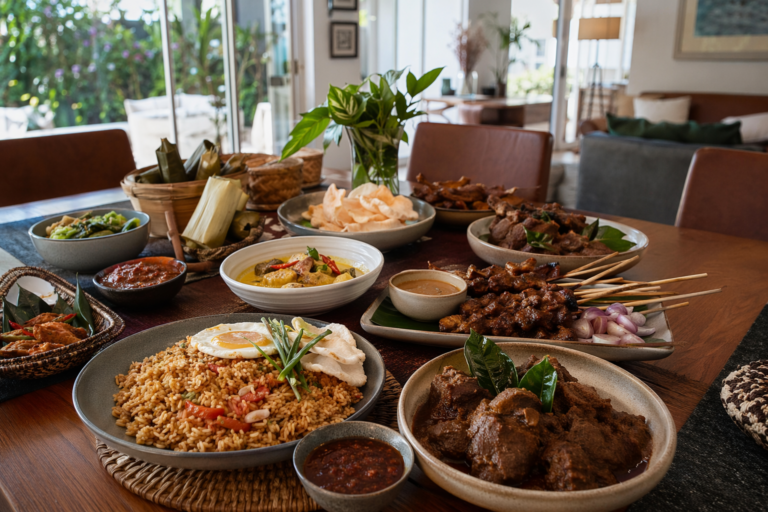
Indonesian food in Australia lets you enjoy favourites like nasi goreng, sate, rendang, and gado gado without much trouble.
-
You can taste strong Javanese, Balinese, Sumatran, and Sulawesi flavours at many Indonesian restaurants here.
-
Some of the main things used in dishes are kecap manis, coconut milk, peanut sauce, palm sugar, rice, spices, and fresh herbs.
-
Cooking is done in different ways such as grilling, stir-frying, slow simmering, deep frying, and wrapping food in banana leaf.
-
You will find real Indonesian restaurants in the big cities and in multicultural spots across Australia.
-
Many people also go for vegetarian food. Tempeh, tofu, gado gado, and sayur lodeh are some top picks.
Introduction
Indonesian food has become very popular in Australia. It’s easy to see why so many people love the mix of sweet, spicy, savoury, and tangy tastes. You get bold flavours, but the food is still very comforting. You can see this in busy Indonesian restaurants and also when people cook at home. More of us in Australia are enjoying classic Indonesian dishes for lunch, dinner, or even brunch. This guide looks at how special food from different parts of Indonesia, the main ingredients, and the way people cook all help to make the Indonesian dishes we know in Australia today.
Exploring Indonesian Cuisine in Australia: Regional Dishes, Key Ingredients, and Cooking Traditions
What helps Indonesian food stand out in Australia? It is the mix of rice meals, spice pastes, fresh herbs, sweet soy sauce, a nice kick from chilli, and the many different textures you find in the food. With indonesian food, you can get hearty meals, bright and fresh flavours, smoky touches, or deep savoury tastes. Sometimes, you will get all of these in the one meal.
You will see regional dishes at indonesian restaurants that come from different parts of Indonesia. Some use a lot of coconut milk and slow-cooked sauces. Others use grilling, soups, or mix in peanut sauce. The next bit will walk you through some of the most well-known dishes and show you the indonesian style that comes with them.
1. Nasi Goreng – Indonesia’s Iconic Fried Rice
If you ask people about the most popular dishes in Indonesian food, nasi goreng is one of the top ones. This rice dish is made by stir-frying rice with kecap manis, shallot, garlic, tamarind, and chilli. The sweet, dark soy sauce makes the rice a nice deep colour and has that good mix of sweet and salty taste.
In Australia, nasi goreng is easy to find on menus at many places. It’s great for a quick lunch, a simple dinner, or when you want some takeaway. People find it good because it’s a type of fried rice, so it is not too different for those trying Indonesian food for the first time.
Most of the time, you will get a fried egg on top of your nasi goreng. People like to add chicken, prawns, or salted dried fish too. Many also enjoy having sambal on the side which adds more heat and flavour.
2. Sate – Skewered and Grilled Specialties
For your first taste of Indonesian food, sate is a good choice. These grilled meat sticks are easy to eat and have a lot of flavour. In Australia, you can find chicken and pork versions. The meat is covered in tasty ingredients and grilled over high heat.
Some well-known kinds of sate include:
-
Ayam sate, which is chicken and goes well with peanut sauce
-
Sate babi, which is pork and has a sweet, rich taste
-
Sate padang, a style from a certain area that many people try when they want more types of Indonesian food
What makes sate stand out is how the smoky meat and tasty sauce come together. Peanut sauce is thick and a bit sweet, but you can also get versions with hot spice paste, tamarind, or chilli. You can have sate as a quick snack, a starter, or even the main part of an Indonesian meal.
3. Rendang – Slow-Cooked Spiced Beef Curry
Rendang really shows what makes Indonesian food stand out among the rest in Southeast Asia. This main dish comes from West Sumatra. It takes a long time to cook. The meat sits and cooks slowly with coconut milk and a spice mixture until most of the sauce cooks down. The flavours get deep and strong.
You always taste the warmth from all the spices, a soft sweetness from the palm sugar, and that creamy feeling from coconut milk. When you slowly cook the food like this, it brings out a big, bold flavour that you remember.
Rendang is a dish many people in Indonesia link with special occasions. That’s because it needs a lot of time and effort to make it right. Here in Australia, when you go out and order rendang, you know you’re picking one of the most loved dishes on the menu. It’s good for moments that mean a lot.
4. Gado-Gado – Mixed Vegetable Salad with Peanut Sauce
If you want to try Indonesian dishes that work for vegetarians, gado gado is a great pick. This bright salad gives you a mix of veggies, tofu, eggs, and a good splash of peanut sauce. It tastes fresh, fills you up, and has a nice balance to it.
A usual plate of gado gado might have:
-
Mixed veggies like some cooked greens and other fresh things from the season
-
Tofu for more protein and body
-
Rice cake as a soft starch to fill you up
All over Australia, gado gado has become popular in the vegetarian food world. It’s one dish you can always enjoy, even if new to Indonesian food. The peanut sauce makes it rich, and the veggies keep it nice and light. For plenty of people, this is a tasty order when you want lots of flavour but no meat.
5. Soto Ayam – Aromatic Chicken Soup
Soto ayam is a warm chicken soup you often find in Indonesian food. The soup base comes from chicken broth, and people use ginger, garlic, galangal, and turmeric to give it most of its taste. The smell is nice and fresh, with flavour that is clear and light, not thick.
When it’s ready to serve, soto ayam gets some extras added on top. You will see bean sprouts, fried shallots, and some herbs there. These give the soup a mix of crunch and more flavour. Lime leaves also go in, so you get a fresh and bright taste that is so good and really stands out in this Indonesian dish.
In Australia, soto ayam can be perfect for breakfast or brunch. It feels soft and easy to eat but still has a lot of taste. If you are thinking about trying Indonesian food for the first time, this soup can be a good start. It is not too bold for your first spoonful but you can taste the spices clearly.
6. Tempeh – Fermented Soybean Cake
Tempeh, known as tempe in Indonesia, is used in many indonesian food dishes across the country. It comes from soybeans that have been fermented, then pressed into a firm block. Because it is simple, it has become a big part of indonesian food and you see it a lot in everyday meals and in indonesian restaurants.
The texture of tempeh is firm and filling. That makes it good for lots of ways of cooking. You can have it fried as tempe goreng, in sweet soy dishes, or with a spice paste to give it a stronger savoury taste. Tempeh keeps the flavour well. It is more than just a swap for meat.
If you follow a vegetarian or vegan diet, tempeh will help. It gives vegan protein and fibre, while being something you can see and bite into on your plate. In Australia, these things have helped tempeh become popular, not only at indonesian restaurants but far beyond them too.
7. Mie Goreng – Stir-Fried Noodles
Mie goreng is a classic noodle dish in the world of Indonesian food. It gives you the bold taste you get from nasi goreng, but in noodle form. People cook it Indonesian style, stir-fried with sweet soy sauce. This adds sweetness, colour, and more taste to the noodles. The dish is savoury, a bit sticky, and very easy to love.
The base for mie goreng is very flexible. It is good for beginners because you can start with what you know. Feel free to add things you like. You can build more taste as you go. Adding fresh herbs is a great way to lighten the plate. A fried egg on top can also make it more filling.
This noodle dish really shows off the fun side of Indonesian street food. You can make it quickly, and it will keep you full. It is also easy to change, so many people like it. If you want to try Indonesian food for the first time, mie goreng with soy sauce is a top choice.
8. Ayam Goreng – Indonesian Fried Chicken
Ayam goreng is a classic part of indonesian food that brings strong taste and home-style feel together. In this fried chicken, you start by marinating the meat in a spice paste. That makes sure the flavours go right into the chicken, not just on the coating.
When cooked just right, ayam goreng gives you that crispy fried chicken most people like, but the taste is all indonesian meal, not your usual fried chicken. The spice paste is full of aroma and savoury feel, so every bite offers a lot more than you would think.
You will often see ayam goreng served with rice, a bit of sambal, some pickles, or steamed greens. These sides help make the meal complete. This shows how indonesian meals often use a simple starch, a bit of chilli, and different sides to make a good, balanced feed.
9. Sambal – The Signature Chilli Paste
How spicy is Indonesian food in general? That often comes down to the sambal. This chili sauce is a big part of the food and can make a dish just a bit warm or very hot. Lots of Indonesians like that chilli hit at the table.
Sambal is not just one chili sauce. The sauce can be made in many ways, with chili peppers plus some mix of spices, fruits, or veggies. Sambal terasi is a well-known type of sambal, but sambal matah and lots of other styles show you there are all sorts.
You can use sambal as a side dish, dip, or to finish off your meal. Some make it with palm sugar, which can cut back on the heat but doesn’t take it away. If you want something mild, just put in a small bit at first.
https://indonesia.travel/gb/en/news/11-best-traditional-indonesian-foods-which-ones-have-you-tried
10. Bakso – Indonesian Meatball Soup
Bakso is a favourite street food in Indonesia that people often know right away. It is made with beef meatballs in a hot chicken broth. You can get it with noodles and a few easy extras. This can make it light like a snack or good enough for a filling meal. It is clear why so many people like it.
The soup uses a clear and salty chicken broth, not a thick sauce. It has a lot in common with a noodle dish. This makes bakso easy for most people to eat. You can have it on its own when you want a quick meal. Or you could add a side dish and make it part of a big spread.
Another reason bakso is loved by many is that people of all ages like to eat it. The soup warms you up and does not have too many extras. You can make it how you want by adding chilli, herbs, or more noodles. Because of all this, bakso stays a top street food.
11. Sayur Lodeh – Coconut Vegetable Stew
Sayur lodeh is a creamy, comforting stew with coconut milk, mixed veggies, and sometimes tofu. It shows that indonesian food can be full and tasty even when there’s no meat. If you want a good dish that’s vegetarian-friendly, this one is worth trying.
The coconut milk gives the stew a rich and smooth taste. It brings out the spices, like turmeric, but the dish isn’t too strong or hot. Everything comes together well, so you get lots of flavour but it’s still easy to eat.
The veggies change, which is part of what makes it nice. If you live in Australia and want to have an indonesian meal that is both healthy and packed with plants, this dish is a good option. You can have it with tofu and rice, and maybe some sambal on the side, and you’ll have a filling and full plate.
12. Babi Guling – Balinese Spit-Roasted Pork
If you want to have a real Balinese meal, babi guling is one you should try. This is a spit-roast pork dish. It’s famous for being full of flavour and for its special place on big occasions. The pork gets cooked slowly, so the skin and meat soak in all the taste.
In this dish, you will find a rich spice paste. This is what gives the meat that strong kick. It’s also common in Balinese cooking to wrap or show food with a banana leaf. This makes the meal feel a bit more special too. The mix of roast pork, all the spice paste, and this careful, ritual way of cooking, is why babi guling stands out.
You will mostly see babi guling at big Bali meals and ceremonies. It means more here than your normal roast. In Australia, we now see more people wanting to try Indonesian food from different regions. That is why babi guling is getting more notice, even in places outside traditional Balinese eateries.
13. Pempek – Savoury Fish Cakes from Palembang
Pempek is a tasty fish cake from Palembang. It is one of the many snacks you see in Indonesian street food. It may not be as well-known as nasi goreng. But people who look for new Indonesian dishes often get keen to try it.
What really lifts pempek is the sauce served with it. The sauce is sweet and sour, which makes a big difference. It gives a nice punch and keeps the fish cake from being plain. This sharp mix is just how Indonesian food so often blends sweet, sour, and a bit of spice.
The texture is another big plus. Pempek has a firm, springy feel that is good to bite into. It works as a side dish, a snack, or even a light meal. In Australia, many people who want to get more from the menu notice it and want to give it a try.
14. Martabak – Sweet and Savoury Pancakes
Martabak comes in both sweet and savoury types. This makes it fun to try when you want something new. The savoury kind is common as a street food snack and is often made with egg and a rich filling. The sweet side is more of a dessert and feels a bit more special.
There are many toppings and fillings, but chocolate is one people look for in sweet martabak. Palm sugar is also often used in Indonesian sweets, and it gives you a richer, deeper sweetness than just plain sugar. The mix of deep sweet and savoury tastes is the reason why martabak is loved by so many.
In Indonesian food, martabak fits nicely between snack culture and dessert culture. You can have it late at night as street food, share it with your mates, or eat it after a meal if you want something sweet. It is one of the most versatile things you can find and try.
15. Es Campur – Refreshing Mixed Ice Dessert
When people ask about the most popular desserts in Indonesian cuisine, sweet mixed ice desserts really stand out. Es campur is a favourite that is both fun and cool. This lively treat is made with shaved ice, sweet syrup, and bright toppings. It’s such a good way to cool down on a hot day and enjoy different textures in one bowl.
You will often find tropical fruit and coconut milk in it. These bring a fresh taste along with a bit of richness. Indonesian sweets are known to be bright and colourful, and this dessert lives up to that. The dish always looks layered and pretty when it comes to the table.
At Indonesian restaurants in Australia, desserts like es campur get lots of interest because they are not like your usual café treats. After a big, spicy, or savoury meal, people like to finish with a cold dessert filled with fruit and syrup. If you want something a bit lighter but still good and sweet, it is a great pick.
Regional Diversity of Indonesian Dishes Found in Australia
Indonesia has a lot of islands, so the food can change a lot depending on where you are. Because of this, you get a big mix of tastes, ways to cook, and what goes into the meals. That means when you try dishes at Indonesian restaurants in Australia, what you eat might taste very different, or use other things, based on which parts of Indonesia the food comes from and what local ingredients are around. Some dishes will be grilled, but in other places they might use a broth, make a curry, or add a thick, rich sauce.
You can see this range in many menus at Indonesian restaurants in Australia, as they take ideas from all parts of Indonesia. They use local ingredients, but each plate still keeps its special roots. In the next few sections, you can see how the main island styles show up in these Australian spots.
Celebrated Javanese Specialties in Australian Cities
Javanese food is something many people in Australia try first when it comes to Indonesian meals. The menus in different cities often have dishes coming from Central Java or East Java. These dishes help people get to know more about Indonesian flavours. You often see rice meals and soups on the menu, which are a good way to start.
People look for names like nasi uduk and soto betawi when they want to taste Javanese dishes. People think of Java when they want balanced tastes and foods that are good for both everyday eating and special occasions. Rice is at the heart of these meals, with sambal, pickles, and side dishes on the side.
Here in Australia, you get these meals served in a way that helps people feel welcome and comfortable but still gives you real Indonesian flavour. Javanese cuisine works well as a bridge between the old ways and new tastes. This is true when you go out to eat in busy city restaurants.
Balinese Flavours: From Ubud to Sydney
Balinese food has a big and clear style. Many people in Australia know about it from their holidays or from seeing it on a menu at an Indonesian restaurant. If you want the most well-known foods to try, babi guling and ayam betutu are two that most people point out first. Both of these dishes say a lot about where they come from.
The taste in Balinese food usually comes from using big spices and from how they prepare things so well. People often wrap food in banana leaf. This gives it extra smell and makes it look good too. Slow cooking lets the flavour go right into the meat. This care and time put in gives Balinese meals a fun, big feel that people remember.
From Bali to Sydney, a lot of Indonesian restaurants like to bring that same happy and full-of-life energy to their meals. Even if they change things a bit to be right for locals, these meals still show the rich taste and bright spirit that so many people in Australia like about this food.
Sumatra’s Rich and Spicy Culinary Offerings
West Sumatra is known for its strong flavours, and you can find that in Australia too. The food from this place helps show why Indonesian cuisine is different from other foods in Southeast Asia. There is the use of a lot of spice, slow cooking, and a balance that gives you both rich taste and heat.
Nasi padang and rendang are the dishes that people know best. With these foods, you eat rice with bold mains and side dishes. The food is often hot from the spice, but the heat is balanced with richness, sweetness from palm sugar, and a hit of sambal on the side.
People in Australia who like big, bold dishes often enjoy food from West Sumatra. The meals from there are full, warm, and have a lot to them. If you are looking for a strong start with Indonesian cuisine, these foods from Sumatra give you some of the best and most unforgettable examples.
Sulawesi and Eastern Indonesian Dishes in Local Restaurants
Sulawesi and Eastern Indonesian dishes are not as common as the big national dishes, but that is what makes them interesting. When you go to local places to eat, you can try these Indonesian dishes and get to see a more detailed side of Indonesian food. It is nice to try something different from just nasi goreng, sate, or rendang.
One dish people do know about from Sulawesi is Coto Makassar. This is a soup with a spicy taste and it shows a unique side to the food from that area. Fresh herbs and good use of spices make these dishes stand out when you put them next to other meals that use a lot of coconut.
You do not see Sulawesi dishes everywhere, so finding them in Australia can feel like a real treat. When you do see them, they give the food scene something new. It is a good way to remember that Indonesian food is much more than just the big famous choices.
Key Ingredients Defining Indonesian Cuisine
Every type of food starts with some basics. Indonesian food is the same. The main things used are sweet soy sauce, coconut milk, rice, chilli, peanuts, tofu, tempeh, and lots of herbs and spices. These ingredients come together to give the food its sweet, salty, sour, and spicy mix that people like.
In Australia, you can get most of these local ingredients or something close to them without much trouble. This makes it easier for home cooks and restaurants to bring more Indonesian food to different tables. Now, let’s go through the ingredients that really show what the cuisine is about.
Essential Spices and Herbs: Galangal, Lemongrass, and Turmeric
A lot of Indonesian food gets its unique taste from aromatics. People often start with fresh herbs and roots. These are pounded or blended into a spice paste, then cooked. This way, each dish builds up layers of flavour from the start. That’s why Indonesian food stands out and doesn’t taste flat.
Some must-have ingredients are:
-
Galangal, which gives a sharp and earthy smell to broths and curries
-
Lemongrass, loved for its clear citrus note in soups, marinades, and grilled items
-
Turmeric, which brings warmth, colour, and depth to rice, stews, and chicken broth recipes
Lime leaves and lemon basil also play a big role in creating the food’s fresh and aromatic kick. In Australia, cooks might use local fresh herbs or look for good swaps if needed. No matter what, the goal is the same: keep that fresh, bright, and true indonesian food flavour that things like lime leaves, chicken broth, spice paste, lemon basil, and other herbs give.
Coconut Milk and its Role in Savoury and Sweet Dishes
Coconut milk is used a lot in Indonesian food, not just in main dishes but in desserts too. It makes spicy food less strong, helps the sauce get thick, and gives meals a full and rich taste that many people now link with Indonesian cooking. Once you notice coconut milk in meals, you see it all the time.
For main dishes, coconut milk is great for curries, stews, and slow-cooked food like rendang and sayur lodeh. When it comes to sweet food, coconut milk is used in another way. It makes cold desserts smooth and creamy. It also mixes well with palm sugar, fruit, and pandan flavours.
Some classic meals are rendang, sayur lodeh, and cold desserts like es campur or eis cendol. You can use coconut milk for many things. It makes a main dish taste fuller, or a dessert feel cool, smooth, and soft. This is why people care so much about coconut milk in Indonesian food.
Unique Proteins: Tempeh, Tofu, and Seafood
Protein in Indonesian cuisine comes from many places, and this gives you lots of choice. Tempeh and tofu are big parts of most Indonesian dishes. They are important for normal meals and for anyone wanting vegetarian food. These foods show that indonesian dishes don’t need meat to feel filling and tasty.
You can fry tempeh to make tempe goreng. Or cook it with a sweet soy mix. Tofu pops up in meals like gado gado and dishes with peanut sauce. For vegetarians and vegans, it’s easy to use tempeh and tofu. They work well with other tastes and feel right at home in these foods.
Seafood is also common, mostly near the sea and on islands. Meals like ikan bakar use grilled fish. Shrimp paste gives a savoury, deep taste to sauces and spice mixes. Together, these things show us that Indonesian food has so many protein options.
Rice, Noodles, and Other Staple Foods
Most Indonesian meals start with something simple, and white rice is the big favourite. You will see white rice at breakfast, lunch, and dinner in many parts of Indonesia. This shows why some classic dishes like nasi goreng use white rice as their base.
Noodles are a big deal in other meals. Mie goreng is a well-known noodle dish. Many soups and street food dishes here also use noodles. Rice cake comes up in quite a few meals, too. It gives you another starch, but with a different feel.
At a normal meal, these staples do more than just fill the plate. They help balance spicy sambal, soak up sauces, and bring side dishes, grilled foods, and curries together. When you get nasi campur or just a noodle dish, what holds everything in place is usually the starch.
Traditional Indonesian Cooking Techniques
Indonesian food gets its taste from both the things that go in and the way you cook them. People often grill, stir-fry, deep fry, slow simmer, and roast things. Most recipes for indonesian food kick off with a spice paste. This gives the dish its first flavour before you put in other things.
In Australian kitchens and places to eat, you can see these ways of cooking work well. They are useful and can change to suit what you have. Some indonesian food will keep its real style, and some will change a bit based on your tools or what you can buy. The last part will go into one very common method a bit more.
Stir-Frying and Deep-Frying Methods
Stir-frying and deep-frying are both common ways to cook Indonesian food. They help give the food its energy and appeal. With stir-frying, you can make meals like nasi goreng or mie goreng fast. The sauces and spices cover all the rice or noodles in true Indonesian style.
Deep-frying is a bit different but still gives you a lot of flavour. Dishes like ayam goreng and tempe goreng are good examples because the outside turns crisp and holds the strong seasoning well. Even a dish like deep fried catfish shows this, as the feel of the food is as important as how it tastes.
If you are new to cooking, these ways are some of the easiest to start with at home. They don’t always take a lot of time to get ready. After you get used to using heat, oil, and seasoning, you will find Indonesian style cooking much easier. You can make simple indonesian food and enjoy it as much as anyone.
Grilling Over Charcoal: Sate and Ikan Bakar
Charcoal grilling plays a big role in Indonesian food. There are dishes like sate and ikan bakar that get even better on the grill. Sate is skewered meat that you marinate. You usually serve it with peanut sauce, which adds a rich, tasty layer. Ikan bakar means grilled fish, and it lets you taste the freshness of local ingredients and spices.
People use sweet soy sauce, lime juice, and the right mix of spices for both dishes. Every bite comes with its own special flavour. Grilling over charcoal puts a smoky smell on the food. This goes well with all the strong spices. Because of that, sate and ikan bakar are a must-try if you love food, especially for anyone wanting to try new tastes.
Steaming, Braising, and Slow-Cooking Traditions
Techniques like steaming, braising, and slow-cooking are a big part of Indonesian cooking. These ways of cooking do more than just bring out good flavours. They also help keep the nutrients in the food. Steamed dishes in Indonesia are often wrapped in banana leaves. This keeps them fresh and gives them a strong aroma. Braising helps the spices go deep into the meat and vegetables. Slow-cooked meals are known for being warm and comforting. Stews are a good example, as they cook for a long time until everything tastes just right. These ways of cooking remind people of home, and let you enjoy the rich taste and feel of local dishes from many parts of Indonesia.
Indonesian Cuisine for Different Dietary Preferences
There are plenty of tasty choices in Indonesian cuisine for people with different food needs. If you are vegetarian or vegan, you will like gado gado. It is packed with fresh herbs and vegetables. It gets topped with peanut sauce, which goes so well on top. There are halal options as well, so everyone can enjoy the good, familiar flavours.
If you like a bit of heat, you will want to try sambal terasi. It is spicy and works great on the side. If you want something softer, you can pick nasi uduk. It is milder and a good way to start. You can see now, there is an Indonesian meal for all of us. It is easy to get what you like, and everyone gets to come together over a nice meal.
Vegetarian and Vegan Indonesian Dishes to Try
There are plenty of tasty Indonesian dishes to try if you want vegetarian or vegan food. Gado gado is a bright salad covered in peanut sauce, and it’s a dish you must try. Tempe goreng gives you crispy fried tempeh, so you get good protein and a nice crunchy bite. Bubur ayam, or rice porridge, can be made with lots of veggies and herbs, so it’s a filling meal for anyone. Nasi uduk, which is coconut rice with lovely smells, goes really well with many side dishes. For something cool, you can go for some fresh tropical fruit, or pick sayur asem—a tangy vegetable soup that’s good for every taste.
Halal and Gluten-Free Options in Indonesian Menus
Indonesian menus usually have a lot for people who want halal and gluten-free meals. That means most people can find something good to eat and enjoy. Dishes like gado gado are very popular. In this, you get fresh veggies and plenty of flavour from the rich peanut sauce. Nasi uduk is also a nice choice. This is rice cooked in coconut milk, so it’s both tasty and soft.
There’s more. You can try ayam bakar or ikan bakar too. Both are grilled, pack a lot of taste, and don’t have any gluten in them. To go with your main meal, sayur asem is a great pick. This sour vegetable soup gives you a real taste of Indonesia without missing out on your food needs.
Spicy vs. Mild Choices for Every Palate
Indonesian food is great for people who like all types of tastes. It has the perfect mix of both spicy and mild dishes. If you want more heat, try sambal terasi or ayam bakar. These have a strong kick, which goes well with the sweetness from palm sugar or sweet soy sauce. For something not as spicy, you can pick dishes like gado gado or nasi uduk. These are gentle and made with coconut milk and fresh herbs. Every meal lets you feel something new, so there will always be something for your taste. You will walk away with a good and easy meal you remember.
Experiencing Indonesian Cuisine in Australia
Enjoying Indonesian food in Australia is a real treat for your taste buds. There are a lot of Indonesian restaurants in big cities where you can get favourites like nasi goreng and sayur asem. These dishes are made with fresh local ingredients, so they taste great. Food events like Indonesian festivals are a good way to try both old and new dishes. You can also join cooking classes if you want to learn to make real Indonesian food at home. Make sure you try the street food, too. Things like pisang goreng and tempe goreng are tasty and really show what this fun and lively food is all about!
Popular Indonesian Restaurants Across Major Australian Cities
There are many Indonesian restaurants in big Australian cities, and the food scene is lively. In Melbourne, head to Warung Nasi for nasi goreng and tasty gado gado. In Sydney, satay fans go to Satay Brothers to get delicious sate skewers. If you are in Brisbane, Tjakra is known for its bubur ayam and ikan bakar. Gold Coast locals visit Bali Thai, where they use fresh herbs and know how to grill food well. The vibe at each place is warm, so they are great for a family or just to grab a quick bite. These Indonesian restaurants invite people to try the many rich tastes that Indonesian cuisine has to offer.
Indonesian Food Festivals and Cultural Events
Festivals that celebrate Indonesian food and culture are a great way to try tasty dishes and learn about bright, lively customs. At events like the Indonesian Food Festival, you get the chance to eat well-known foods like sate, gado gado, and bubur ayam. These events always bring people together who want to enjoy real Indonesian flavours.
People in Australia join in and add to the event with music, dance, and cooking demos. These show the different areas from Bali to Java and make the whole festival feel special. The vibe at these festivals is warm and friendly. You can check out local ingredients like coconut milk and palm sugar and see how they are used in cooking. Sometimes, you can even try making your own much-loved dishes.
Tips for Cooking Indonesian Food at Home in Australia
Exploring Indonesian food at home can be fun and tasty. Begin by finding local ingredients like kecap manis, fresh herbs, lemon basil, and kaffir lime leaves. These help you get the real flavours of places such as Java and Bali. Try out different ways to cook. You can use a charcoal grill or grab a wok to stir-fry. Don’t be afraid to use spices like tamarind or add in spice pastes—the sambal terasi will really stand out. Get your family and friends to join in the cooking. Make and share food such as nasi goreng or gado gado together, and enjoy the lively way this brings everyone closer.
Conclusion
Exploring Indonesian food in Australia shows that there is a lot to try for every taste. You can find great vegetarian dishes like gado gado and nasi goreng. There are also tasty halal meals to enjoy. For those who love a kick, there is spicy sambal terasi. If you like it mild, dishes made with coconut milk are a good choice. Every bite brings something good for the taste buds.
Indonesian food is not just about the meals, though. People also get to learn and share a bit of Indonesia’s culture by going to local Indonesian restaurants or joining in on festivals. Tasting and enjoying these foods can really make you see how bright and full of life the traditions from Indonesia are.
Frequently Asked Questions
What makes Indonesian cuisine unique compared to other Southeast Asian foods?
Indonesian food is special because it has many different tastes from different areas. These tastes come from the many people and cultures in the country. The food uses some spices and cooking ways that are special to Indonesia. People grill or slow-cook the food, and this gives the dishes a taste you do not find in other foods from Southeast Asia.
Are there easy Indonesian recipes that beginners can cook at home?
Yes, there are lots of easy Indonesian recipes that are great for beginners. Foods like nasi goreng, which means fried rice, and gado-gado, a vegetable salad with peanut sauce, are simple to make at home. You only need a few basic ingredients. The steps are easy too, so anyone can try these and get the taste of Indonesia in their own kitchen.
Which Indonesian dishes are suitable for vegetarians or vegans?
Indonesian food has many choices for people who eat vegetarian or vegan. You can try tempeh stir-fry, gado-gado salad, or vegetable curries. Sayur lodeh, which is a vegetable soup, is always a good meal. Dishes like sambal terasi, which uses shrimp paste, can be changed for plant-based diets. This way, you still get tasty alternatives.