Key Highlights
-
Indian cuisine in Australia brings many regional specialties, rich curries, and classic indian dishes to the table.
-
Lots of indian restaurants use special spice blends, fresh ingredients, and keep the cooking techniques true to tradition.
-
North indian cuisine is a favourite, with people enjoying naan, paneer dishes, and tandoori meals.
-
South india gives us rice cakes, coconut, and lighter food styles, which add more variety to the menu.
-
Street food culture makes people go for pani puri, fried snacks, and quick bites.
-
Indian culinary ways blend well with Australian tastes and their local produce, and keep changing for the better.
Introduction
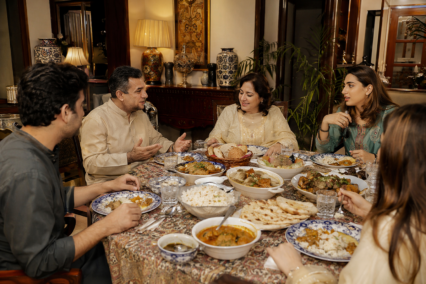
Indian cuisine is big in Australia because it brings comfort, great taste, and lots of options. You see it in full dining spots, takeaway menus, and family events with curries, breads, and grilled dishes. People love how Indian food uses spices and fresh ingredients, just as it does in India. The food comes from recipes that have been passed down in families for years. In Australia, these things help share a wide food culture that feels close to people and fun at the same time.
The Essence of Indian Cuisine: Features and Characteristics
Indian foods are known for their range, rich flavours, and the way they show off their strong culinary identity. One big thing is the blend of spices in indian dishes. These spices are used with care, not just to add heat. This mix brings deep flavours and aromas, making the taste stay with you well after you finish eating.
Indian dishes are special because the cooking comes from different places, beliefs, customs, and outside influences. In india, food styles have changed over time. Even then, each region still has its own personality. That mix of tradition and new ideas is one thing that makes indian cuisine so unique.
Distinct Flavours and Aromas
One reason Indian cuisine stands out is how it uses spice blends. A dish does not rely on just one strong flavour. Instead, there is a blend of spices that creates balance, warmth, and depth. That is why the aromas and flavours in Indian food often come across as layered, not sharp or flat.
Real Indian kitchens use coriander, ginger, and cardamom to shape the taste, without letting any spice take over. Restaurants that make their own spice blends, cook curries when ordered, and bake bread fresh in a tandoor seem closer to traditional ways.
You can feel this difference as soon as food hits the table. First, the aromas fill the air. After that, the flavours open up slowly. This careful use of spices and blends is one reason Indian cuisine is so unique. It is also why people keep coming back for it.
Diversity Across Regions
Indian food changes a lot based on where you are in the country. The weather, land, and local cooking habits all play a part. If you taste north indian cuisine, you could find a dish very different from what people eat in south india. This is also true when you look at food from eastern india or western india.
Different regions are famous for their own tastes and foods:
-
North indian cuisine will use breads, rich sauces, and tandoor cooking.
-
In south india, people make rice cakes and cook with coconut or mustard seeds.
-
Western india is where you find gujarati food and its styles.
-
In tamil nadu and karnataka, people use their own ways to make food with unique textures and flavours.
This wide regional mix is what makes indian food so special. There is not just one menu for all. Instead, people get to enjoy many styles of indian cuisine, shaped by where they live and the community around them.
Cooking Techniques and Traditions
Cooking techniques are at the heart of Indian food. The way you handle or heat the ingredients changes the meal. If you cook a curry fresh for that day, it tastes better than a curry that sits too long. Bread made in a clay oven gets a special texture and char on it, and you can really tell the difference.
You see this with tandoori chicken. The meat, after being marinated, is roasted with strong heat, so you get lots of taste. Rice cakes, which are common in south Indian food, are another good example. When people cook every day, they often use ghee, mustard seeds, and let things cook slowly. This is how they build flavour step by step.
Old traditions are just as big a part of Indian cooking as the actual hands-on work. In a lot of homes, the foods people pick come from old beliefs, often from ayurveda. So the real stars of Indian cuisine are these special cooking techniques, strong local habits, and the respect for ideas passed down from family and community.
Influences of Indian Culinary Heritage
Indian food traditions changed over a long time. Many things shaped what people ate, like religion, caste rules, the weather, and where people lived. The way they cooked also changed when they met new people from other places. Because of this, Indian cuisine is wide, deep, and closely linked to its local roots.
From the 16th century, the food in India started to mix with ideas from Turkish, Persian, and Afghan ways of cooking. This mix helped create a lot of the dishes that people now know as classics. If you want to get why Indian cuisine is like this, it helps to look at its past, the customs, and how people moved across places.
Historical Roots and Evolution
The history of India has shaped its cuisine by bringing different food traditions together. People in the country ate what local customs said was right. Where people lived and the weather also decided what they could grow and cook. So, from the start, food in India grew to be very different from place to place.
By the 16th century, food from Turkish, Persian, and Afghan cooking started to mix with Indian food. These new styles did not take away old local dishes. Instead, they mixed together with Indian food, bringing new cooking ways, thicker sauces, and fresh ways to use masalas.
This steady change is why indian cuisine feels special now. When you taste a curry today, you can get hints of old royal food, food from homes, and food from different parts of india, all in one meal. Indian cuisine did not stay the same. It grew by bringing in new things, while still keeping its old ways.
Culinary Customs and Rituals
Indian food is closely linked to local ways of cooking and eating together. Meals are about more than just taste. They bring people, families, and ideas about what fits well on the table. In many spots in India, what gets made comes from what people believe, the time of year, and how each home does things.
Several factors guide these food ways:
-
Religious and caste-based rules can shape what people have.
-
Ayurveda plays a big part in picking ingredients, their balance, and how they affect digestion.
-
Staple items change with each region and the routine in every house.
These ways help show what makes indian cuisine really stand out. It’s not just about recipes. It’s about a food system that lives through people’s memories, day-to-day habits, and local pride. Because of this, even simple dishes in india can feel important and deeply tied to a place.
Influence of Migration and Globalisation
Migration and globalisation helped Indian food settle naturally into Australia. As cooks and restaurant owners brought their food traditions with them, diners gained access to curries, tandoori dishes, breads, and vegetarian meals in more everyday settings. Indian restaurants now serve both local communities and wider Australian audiences.
In Australia, menus are often shaped for local demand. Some dishes are selected because they suit the palate, group dining, or event catering. That means Indian cuisine here can differ from traditional Indian food by focusing on familiar favourites, practical service styles, and crowd-pleasing combinations.
|
Aspect |
Indian cuisine in Australia |
|---|---|
|
Menu focus |
Often highlights popular dishes, rich curries, and tandoori items |
|
Dining style |
Strong takeaway, delivery, dine-in, and function catering presence |
|
Street food culture |
Street food favourites appear in restaurant menus rather than roadside settings |
|
Audience |
Serves both Indian communities and broad Australian diners |
Key Spices and Ingredients in Indian Cuisine
Spices are a big part of Indian cooking. But, they work best with everyday staples. Indian cooks use more than one flavour on purpose. They mix things to make food taste deep, smell good, and be balanced. That is why Indian food feels rich. Yet, it is not hard to make.
Turmeric, mustard seeds, lentils, yoghurt, rice, and coconut are the usual staples. In some Indian styles, coconut milk is also used a lot. These ingredients work together in the food. They can be found in light meals or big curries. The next part shows how spices and staples work in indian cooking.
Signature Spices and Their Roles
A lot of indian dishes get their taste from a few main spices used in many ways. These spices don’t just add heat. They also bring colour, smell, freshness, and warmth. When cooks use them well, they turn simple food into something with real character.
Some key spices in indian dishes and what they do:
-
Turmeric gives colour, adds a warm note, and makes things taste earthy.
-
Ginger brings freshness and a sharp kick to sauces and marinades.
-
Coriander adds a bright, rounded flavour in spice blends.
-
Cardamom and black pepper give fragrance and a gentle lift.
You will see these spices in heaps of indian dishes, but not always together. Fresh spice blends are important. Balance is the thing. When cooks grind and mix the spices with care, the taste gets fuller and more true. It makes all the difference, for curry, grilled meat, or a veggie dish.
Staple Ingredients in Everyday Dishes
Beyond the use of spices, Indian cuisine relies on staples you find in many homes. Lentils, rice, and other legumes are at the heart of many dishes. These staples are good for every day. They fill you up, are easy to find, and you can use them in different ways, no matter where you are in India.
Fresh ingredients change how a meal turns out too. Yogurt gets used in lots of sauces and to marinate meat or veg. Coconut is common in many regional Indian styles, especially for curries from the south and places near the coast. When you mix these basics together, you get meals with different textures and a nice balance, whether the food is light or rich.
The great thing about these staples is that they work with anything. You can use them for vegetarian meals, grilled food, or slow-cooked curries. They never lose their own taste or place in the dish. That’s why you get so much variety in Indian food. With just a few pantry basics, you can make many different meals using fresh ingredients, yoghurt, coconut, and legumes.
Ingredient Adaptations in Australia
Indian cuisine in Australia often keeps its traditional flavour base while adjusting to local ingredients and service needs. Restaurants source produce available in Australian markets, then match it with familiar methods such as tandoor cooking, curry preparation, and fresh bread baking. This kind of ingredient adaptation helps maintain consistency.
You can see the difference most clearly in how menus are designed. Dishes are selected to suit regular dining, takeaway, and catering. In some cases, fusion cuisine ideas may also appear, though the stronger pattern is adaptation through produce and presentation rather than major recipe changes.
|
Traditional need |
Australian approach |
|---|---|
|
Regional ingredients |
Use of australian produce where suitable |
|
Fresh spice use |
Kept through house-made or fresh spice preparation |
|
Daily cooking |
Meals cooked fresh to order for dine-in and takeaway |
|
Bread and grilling |
Tandoor methods remain important in many kitchens |
Regional Indian Dishes Loved in Australia
Australian diners like to try many regional specialties because Indian cuisine has more than one style. Menus usually have food from northern India, south India, east India, and western India. This means you get a wide choice of textures, staples, and spice levels.
Popular dishes are from regions that work well for both restaurants and takeaway. These meals are good to share too. You often see breads, grilled meats, rich curries, vegetarian classics, and rice-based dishes on the menu. If you check out regional specialties and what people eat in each city, you can know what to try first.
Northern, Southern, Eastern, and Western Specialties
Regional variety is one of the best things about trying Indian food in Australia. If you’re new to it, you can start with dishes that make it easy to see how food in India is different at every place. Each part of the country uses a different main grain or bread, a new way to cook, or serves a mix of spices you won’t find elsewhere.
Here’s a simple way to get your head around all that’s out there:
-
Northern parts usually have paneer dishes, naan, and makki di roti on offer.
-
In the south, you’ll spot a lot of coconut, soft rice cakes, and coastal seafood on the table.
-
If you move east, you will find bengali food and classic meals shared with Odisha.
-
Out west, like Goa and Kerala, people love seafood and meals with layers of flavour from their spices.
If you are eating Indian for the first time, choosing a biryani is a good idea. This fragrant rice dish gives you a taste of what can happen when rice, spices, and slow cooking come together. It’s easy to eat if you are new but is still true to everything that’s Indian.
Iconic Dishes Popular in Major Australian Cities
In big cities across Australia, Indian menus often mix dishes you know with some lively street food. People sometimes start with the favourites, then add bread, grilled meats, or snacks to finish a meal. The way Indian food is set up, it’s very easy to try—even if the first time is now.
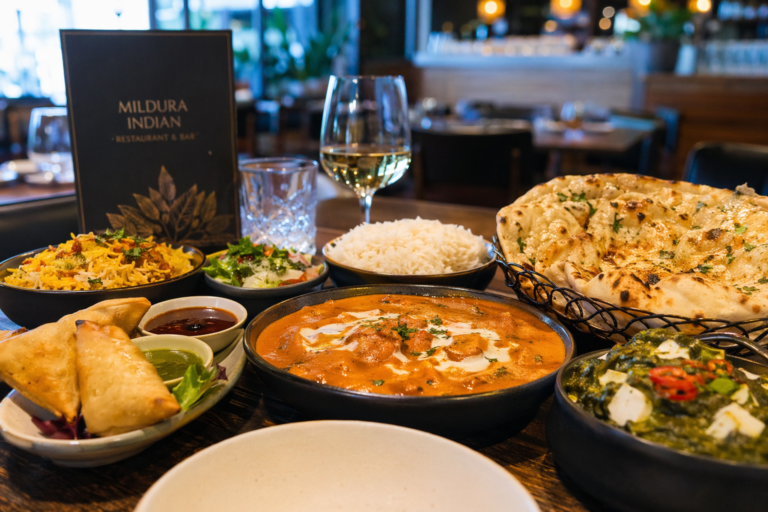
Popular picks in Indian restaurants include:
-
Butter chicken, which is a mild curry that tastes rich and good.
-
Tandoori chicken, with its smoky taste from the oven.
-
Pani puri, a fun way to try indian street food.
-
Naan and some other indian breads that you can share with others.
-
Fried snacks from the street like Chicken 65 and Fish Amritsari.
If you want to find good indian restaurants in Adelaide, the menu helps you best. Choose places where food is made fresh for you, spice blends are mixed with care, and you see a mix of curry, tandoori items, breads, and street food. When places have these things, you often get a better meal.
Conclusion
To sum up, Indian cuisine brings bright flavours and strong aromas to Australia. It adds to the food scene with all the different spicy dishes and new tastes. You get curry smells from the North and coconut dishes from the South. Each one is full of story and old ways. When you try these foods, you see how well the ingredients can fit with what people here like, but they still keep that real Indian taste.
Trying out Indian cooking is not just good for the taste buds, but also helps everyone get to know and enjoy all the cultures we have in Australia. Like the sound of new flavours and spices? Give our free trial, demo, or consultation a go and lift your cooking skills to the next level!