Key Highlights
-
This guide looks at what people ate in ancient civilizations and medieval times in Africa, Asia, Europe, and the Americas.
-
You will get to know how bread, beer, rice, maize, olive oil, and many spice mixes helped to shape food history in every region.
-
It talks about culinary arts like fermentation, roasting, stewing, baking, and some early ways to keep food good for longer.
-
You will also find some things that are not talked about much, like garum, chicha, court feasts, and pottages.
-
Each section connects old food traditions to today’s Australian interest in cooking, food history, and learning more about the past.
Introduction
Old-style food always has a way of drawing people in. It tells the story of how people lived, farmed, traded things, and held parties. By looking at food history, you get to see how people got by, what was important to them, what they believed in, and the new ideas they brought to the table. All that is on show, from kingly feasts right down to plain country dinners. The culinary arts of the old days still play a big part in what people enjoy now. If you live in Australia and like to try new tastes and learn about where meals first came from, looking back at historical cuisines can give you a real and fun way to link the past with what lands on your plate today.
Historical Cuisines Guide for Australians: Exploring Ancient and Medieval Food Traditions
This guide will take you on a trip through food history. It will start with old groups of people and go on into the middle ages. You will see ideas from some main foods in places like Mesopotamia, Egypt, Greece, Rome, Persia, India, China, Japan, Korea, the Americas, Scandinavia, and medieval Europe.
At every stop, you will find out how the culinary arts from each place connect with what people in Australia know now. Things like having meals together, using food from nearby, keeping food for later, and how tastes spread around the world. When you read about food history from different parts of the world, you will see how modern tastes, key ingredients and cooking ways in Australia still have roots in the middle ages and beyond.
1. Sumerian Stews and Early Flatbreads
In the fertile crescent, Sumerian cooks made simple meals that used the food they had most – cereal grains. Early flatbreads and stews were common. These meals were easy to cook, helped keep people full, and fit well with everyday life. For many ancient civilizations, dishes like these started what we now call the food timeline.
Bread was important, because growing grains let larger groups of people live together. Stews put different plant foods into one pot. People just used what there was at the time. That way of cooking shows up again and again in food from later times.
Archaeological findings show there was a strong link between what people ate, and the way they farmed and kept food. If you want to know what staple foods were common in these ancient historical cuisines, the answer is simple: cereal grains. Their use in breads and other cooked dishes helped shape food customs for hundreds of years.
2. Ancient Egyptian Banquets and Beer-Making
In ancient Egypt, people ate simple food every day and had big feasts at times. Bread and beer were the main things people ate and drank. These came from barley and wheat. People also ate vegetables, fruits, fish from the Nile, and sometimes meat. Stews were common too and went well with this grain-based way of eating.
Beer was not just something to drink. It was part of daily life. People had it at home, during social times, and in their beliefs and rituals. This shows how close eating and belief were for the ancient Egyptians. Dairy products, fish, and grain foods were important too. They made ancient Egypt one of the best-known regional cuisines of the ancient world and help us learn a lot about food history.
Cooking methods used by ancient Egyptians had a big effect on food traditions that followed. Baking, brewing, and making food for many people were important then. We can still see bread-making and eating shown in tomb scenes. This tells us how much food meant to them. These old records give food history a real, human feel that still grabs people now.
3. Greek Symposium Cuisine and Olive Oil Dishes
Ancient Greek cuisine is known for having balance and not going over the top. For most meals, there would be bread, olives, figs, cheese, fish, and wine. Olive oil would be used in the cooking and in serving the food too. At a big event called a symposium, people did not just eat and drink—they also had rituals, good chats, and showed their status.
The main dish did not need to be big or fancy. Instead, people often used just a few good ingredients in a simple way. This gave their food a real sense of place. That helped to make the rich history of ancient Greek cuisine that still shapes what the world thinks about Mediterranean food today.
If you want to talk about foods from the past in different parts of the world, ancient Greek cuisine is a great example. It shows how to mix everyday meals with special times and groups. Olive oil dishes, sharing wine, and the way they set up their gatherings have gone on to shape how people across Europe and other spots eat and get together.
4. Roman Feasts, Garum, and Dining Rituals
The Roman Empire made eating more than just a way to fill up. For many people, meals were pretty simple. But the rich liked to put on big feasts with lots of courses and new, different foods. This really showed the difference in status and wealth. It also highlighted the range of roman empire regional cuisines.
One thing that stood out in these meals was garum. It was a type of fish sauce. People liked it because it gave food a strong, savoury taste. You can see from its use how the culinary arts grew. People used a lot of strong flavours and kept their condiments. As the roman empire grew, new ingredients spread from one end of the empire to the other. Cooks started using foods that began far away from where they lived.
It wasn’t just about the food, though. In roman empire, people followed dining rituals. How you ate mattered as much as what you ate. These meals often turned into a show of power and style. That way, cooking and eating changed not just through new flavours, but also through customs. We still see this today. Some meals are about impressing people or showing who you are, not just having a bite to eat.
5. Persian Royal Dishes and Rice Innovations
The food in Iran has roots that go back to old Persia. Back then, bread, fresh herbs, meats, and rice were important to both special and everyday meals. Rich dishes at court did not mean bigger amounts of food. The real flavour came from how well things were made and the special things they used in cooking.
Rice is a big part of this cooking style. With herbs and meats, rice gave Persian food a new feel that later touched food traditions in places nearby. Things like pine nuts also show how those at the courts often set trends. What they liked soon became what others wanted to eat as well.
Trade played a key role by moving ideas and food both into and out of Central Asia. This is one reason why food traditions are not all the same in ancient, medieval, and later times. New foods and methods would come in and be made to fit local taste. The history of Persian food shows how the want for good food, trade, and trying out new foods can change the flow of a whole way of cooking.
6. Indian Vedic Meals and Spice Blends
The history of Indian cuisine goes back a long way and is all about variety. From early times, people made food with grains, dairy products, and what they could find close by. As time went on, different parts of India made their own food styles and ways of cooking.
Spice blends are a big part of Indian cuisine. They gave food more taste, helped to keep it fresh, and let cooks change the flavour how they liked. This is why old cooking ways from the past are still in many Indian meals today.
If you want to know what was used most in ancient meals, it was grains, dairy, herbs, and spices. Indian food traditions show how you can mix these simple things in so many ways and still keep what makes the food special. That keeps Indian cuisine strong and important today.
7. Han Dynasty Chinese Delicacies
Chinese cuisine is one of the oldest in the world. The Han Dynasty is a big part of this long food story. For a lot of places, rice was the main food, but other staple foods helped bring variety to different regions. This is because China is such a big and complex country.
Cooking techniques in chinese food really stand out. In Chinese cuisine, the way you cook is just as important as what you cook with. How you prepare the food adds to the texture, taste, and style of the meal. There is a balance between what people eat and the way they cook it. That has been a strong point for a long time.
Old cooking methods helped shape chinese cuisine in a big way. They made the food easier to change for different tastes and times. That is clear when you look at Han cooking. When people have good, dependable cooking techniques, their dishes can spread across many places and last a long time. You can still notice this in what people eat today, as old ways of cooking are still used in everyday chinese food.
8. Japanese Heian Period Court Feasts
Heian court feasts show a polished side of Japanese food, where how you present it was as important as taste. The meals often had rice and fish, and how you placed each dish told others about rank, feelings, or the event. The meal was not just for eating, but a way to show culture.
Instead of one big main dish, the court served lots of smaller, well-made foods. This style was all about having balance, using what was in season, and keeping everything looking neat and tidy. You didn’t just eat the meal—you took the time to enjoy how good it looked, too.
Many people say these food traditions have the most fascinating history, because style and ceremony are so closely mixed in. Today, Japanese ceremonial food still stays true to that long past. For Australians who care about good plating and looking at detail, Heian dining is a strong example of how a meal can be beautiful on the table, not just on your plate.
9. Korean Three Kingdoms Fermented Foods
Korean food has used fermented foods for a long time. If you look back to the Three Kingdoms times, you can see why. Fermentation helped staple foods and side dishes last longer. It also made the flavours strong and special. Keeping food fresh became a big part of the main food culture.
Today, most people know about kimchi the most. But the idea of using many kinds of fermented foods is just as important. These foods made it easy for people to store vegetables and enjoy different meals in every season. In the history of food, this was a good and important change.
What foods did people use back in the old days? In Korea, local vegetables, grains, and simple seasonings were used to make many fermented staple foods. People counted on these foods because they lasted and tasted good. Now, a lot of people also like them because they can be good for your health. The mix of old ways and new interest helps keep Korean food a part of life for all kinds of people.
10. Mayan and Aztec Maize-Based Specialties
In Central America, the Maya and Aztec people built their meals around maize. They ate tortillas and tamales a lot, and they also had beans, squash, and chili peppers. These foods from the new world show how one plant can shape cooking, farming, and even ceremonies.
The Maya grew cacao, avocados, and fruits. The Aztecs used many foods from their land, even insects. This gave meals a lot of taste and helped link food to social and religious life. Maize was more than a crop; it was the base of their way of life.
People can still make some of these old recipes today. There are dishes made from maize dough, meals with chili peppers, and drinks with cacao. Modern Mexican food still shows these traditions, which is why it’s one of the easiest ones to spot now.
11. Incan Quinoa, Potatoes, and Chicha
High up in the Andes Mountains, the Inca made their main food from crops that did well with the high ground and rough land. Quinoa and potatoes were at the heart of what they ate. These two foods gave people good energy to get through tough days in the mountains. They set up the main food you find in the Andean diet.
The Inca also kept llamas and alpacas. They got meat from these animals and also used them to carry things over the mountains. Chicha was one of their alcoholic drinks. It was more than just a drink—it was part of their social life and helped bring people together. This shows us food and drink were often about more than just feeding yourself.
Food traditions changed from ancient times to the present as things like potatoes and quinoa moved far from the andes mountains, their first home. These main foods started out as simple Andean staples, but later they changed what people ate around the world. For people in Australia, this is a reminder that a lot of what you find on store shelves today has a deeper story, that goes way back in time.
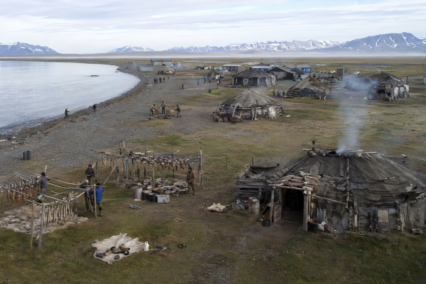
12. Viking Age Scandinavian Cooking
Viking Age cooking was all about being practical and working with what the land could give. Most simple meals used fish, dairy products, and root vegetables. People would get the most out of the food that was on hand. In cold places, it was more important for food to be there when needed than to be fancy or special.
Keeping food safe to eat was needed in the Viking Age. Drying meat or fish, using salt, and stocking up on foods helped people live through long winters or trips. These ways of saving food were not flashy, but they were clever. They helped shape what people could eat no matter what time of year it was.
There’s a fun fact to share with kids – Viking food was not about big feasts, but about being smart with food and planning meals. Cooks could not always get new ingredients. They had to be smart and make do with what they could find. Thinking this way makes the story of Scandinavian food history easy to get and something people can connect with, even now.
13. Medieval English Pottages and Roasted Meats
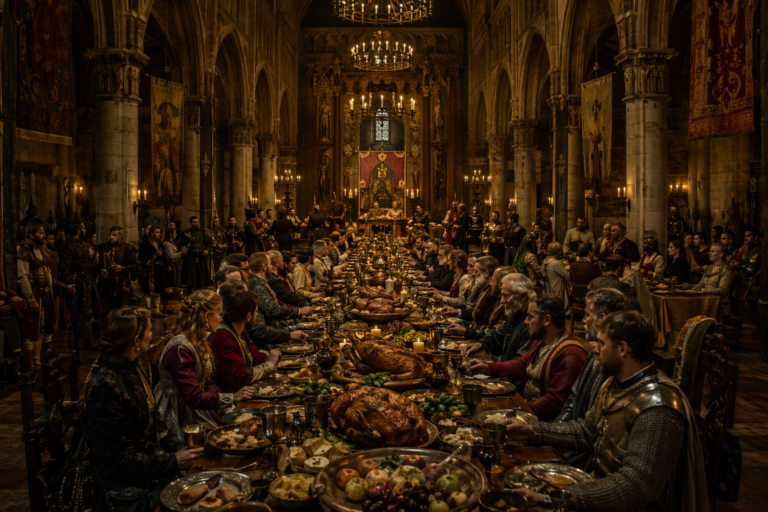
In medieval times, the food people ate was not the same for everyone. What you ate often depended on your place in the social order. Many people made pottages every day. These thick, slow-cooked pots of food used grains, veggies, and anything else you could get. This meant people got good, filling meals and did not waste much.
Those with more money and power put roasted meats on the table to show off at feasts. These rich people could get fancy ingredients and have special meals. Most families, though, still used simple cooking in one big pot. This big difference in how people ate tells us a lot about how things were back then.
Old cooking methods in ancient and medieval times still shape how people cook now. Slow cooking showed people that you can get good food with less. Pottages helped start the thick soup and stew meals many of us enjoy today—especially when it gets cold or when you do not have a lot to spend. When new foods came later, the habit of making simple, filling one-pot meals stayed common.
14. Moorish-Andalusian Influences in Spanish Cuisine
Spanish food was shaped a lot by Andalusian food habits. These habits started when the Moors ruled the area. At that time, the Iberian Peninsula was linked with North Africa. This helped new ideas, ways to cook, and ways to mix flavours get into Spanish kitchens.
New ingredients changed things in a big way. Things like citrus fruits, new spices, and other crops made food look and taste different. This made people think in new ways about what they could cook. Over time, these new things didn’t feel strange—they became a part of local life.
All this shows how food traditions changed in history. In ancient times, people mostly ate food from nearby. Then in medieval times, because of new contacts with people from other places, cooking changed for everyone. Spanish cooking is a good example of how exchange, rule, and movement from one place to another can stay with a country’s food for a long time.
15. Byzantine Imperial Dining Traditions
Byzantine food mixed Roman and Greek ways with flavours from the Middle East. This gave it a rich history and made it spread over a big area. Fish, veggies, and olive oil were in many dishes. People used these in both everyday food and special main dishes.
Eating at the palace was not just about the main dish. The way the meal was served, and how things were put on the table, were also important. The meals at court showed power and style. They also showed links to a long past in politics and culture.
If you want a type of food that has a unique story, you should look at Byzantine cuisine. It stood at the meeting point of continents and big empires. It kept old ways from places like the Mediterranean, but it took in new ideas too. That mix shows how a cuisine from history can change and also stay much the same.
16. French Medieval Sauces and Pastries
French cuisine in medieval times became known for being more fancy, mostly because of its sauces and pastries. Cooks used dairy products and rich mixes to make food that had more layers and felt more special than simple country food.
Sauces were important because they turned plain things into something you could really notice. Pastries gave a fresh feel and changed how food looked on the table. This showed how kitchen skills could set your food apart and was a big step for french cuisine.
Old food history, like gastronomy from that time, played a part in how people cook in Australia now. The way we love pastry, creamy fillings, and strong-tasting sauces today comes from those times. The recipes might not be the same, but in french cooking, the idea that how you cook things with even basic stuff makes a big difference is still very real.
17. Italian Renaissance Culinary Innovations
The Italian Renaissance gave cooking a stronger sense of art. At this time, people worked in the culinary arts and began to care more about balance, how food looked, and the new things that could be done as trade grew and old contacts changed.
New ingredients started to come into Europe and slowly widened what people in Italian kitchens could make. The Italian Renaissance was important on the food timeline because it was when old food ways met new chances. The history of food at this point is about what people can imagine as much as what they have.
Gastronomy grew during these times of sharing and trying new things. When cooks get to use products they have not seen before, they start to change their styles, menus, and what food can taste like. This is still how modern cooking moves forward. Renaissance Italy stands out in the history of food because it shows how culture, status, and people’s ideas can change what comes to the table.
18. Ottoman Turkish Delicacies and Sweet Treats
Ottoman food brings together ideas from Central Asia, the Middle East, and the Mediterranean. This mix helped make the Ottoman Empire one of the world’s great food crossroads. The cuisine is known for things like kebabs, rich main dishes, pastries, and sweet treats. These all became key parts of a big and well-known system of cooking.
In Ottoman culinary arts, the main dish could be filling and salty, but sweets were also very special. Many people liked this mix of strong dishes and elegant sweets. It shows how food changed at court, at the dinner table, through trade, and by picking up new ideas from different places.
As new foods and ways to cook moved through Ottoman lands, they also moved into Mediterranean and European kitchens. This is a good way to see how the Middle East—and the Ottoman Empire—helped shape cooking in other parts of the world. You can still find tastes from the Ottoman Empire in baked goods, meat meals, and syrupy sweets that people eat today. This is true in places all over, including in Australia.
19. Ethiopian Injera and Hearty Stews
Ethiopian food is easy to spot in African cuisines because it has a strong feel and brings people together. Injera, which the people make with teff flour, is both bread and the tray for your food. Hearty stews go right on top, giving each meal flavour, feel, and lots of choice.
When you eat this way, it turns the meal into time with others. Instead of making everyone’s food different, people sit around and eat together. That is the kind of pattern that makes Ethiopian cuisine so special when you give it a go for the first time.
Old-school, traditional recipes often used ingredients that were right for local land and weather. You see that with teff, which stands out here. People have used it for a long time, and that’s how regional cuisines work—strong, lasting traditions build up around crops you know you can count on. These days, more people around the world get into injera and the stews from Ethiopia, not just because they taste great but also because the meal feels friendly and giving.
20. Medieval Arab and Levantine Cookery
Medieval cooking from the Middle East and the Levante became well known because it mixed old ways of farming, lots of trade, and special seasoning blends. People used olive oil, grains, fruits, and new spices to make dishes that stood out in this food world.
People and goods moved about a lot, and that helped these cuisines grow. New ingredients came into markets and then into homes, so recipes started to change. This back-and-forth of things and ideas made the medieval table feel more connected than many might think.
Food traditions weren’t the same everywhere or at every time, because people could get different things, or their beliefs or trading habits kept changing. This is clear when you look at cookery from the Middle East and Levante. By using things they grew at home, and mixing in some imported flavours, they shaped how the Mediterranean eats, and this influence still lasts. These connections are still there in many foods today, though people may not always know where food patterns first started.
Key Influences and Milestones in Historical Food Traditions
When you look at the history of food, you can see a few big changes that come up again and again. People started to farm, keep animals, trade, find ways to keep food fresh, and follow social rules. All these things made the main food in each place and shaped how local foods grew over the years.
The history of food is a story about how people learn to get by. The way culinary arts changed with weather, beliefs, money, and trade made diets what they are today. The next parts talk about farming, trade routes, and what people felt they had to do. These things had a big say in the way the main food and eating style of each place turned out.
The Rise of Agriculture and Domestication of Crops
Farming changed things for people because it let them stay in one place and live together in bigger groups. When people started growing their own crops, they could keep food, feed more people, and count on getting food from the land instead of having to move around all the time.
Cereal grains turned into some of the most important staple foods in early food history. Wheat, barley, maize, and rice all made a big mark on what people ate in different places. Their mark still shows in Sumerian bread, Egyptian beer, meals in Greece and Rome, Chinese rice ways, and all the maize foods from Central America.
The way people cook, or gastronomy, grew from all this because farming meant folks could know what food they’d have. Instead of just picking up what was out there, people could make meal plans, save up food, and become experts. This change set up different food customs in each place, and it even started new ways to eat and cook. In short, agriculture gave us the base for many well-known cuisines we learn about in food history, even now.
Trade Routes and the Global Spread of Ingredients
Trade routes changed the history of food by moving ingredients far beyond their original homes. Once merchants, travellers, and empires connected distant places, cooks gained access to new ingredients that could reshape familiar dishes and create fresh combinations.
This movement explains why food traditions shifted so much between ancient, medieval, and early modern times. Some ingredients stayed regional for long periods, while others spread widely and changed cooking habits in multiple continents. Black pepper became a prized flavouring, and later movements of crops deeply altered food cultures.
|
Ingredient origin |
Destination region |
|---|---|
|
Maize in Central America |
Wider parts of the Americas through neighbouring food cultures |
|
Potatoes in the Andes Mountains |
Later European kitchens, where they changed everyday diets |
|
Citrus fruits linked with North Africa and Andalusian exchange |
Spanish cuisine and nearby Mediterranean regions |
|
Black pepper from Asian trade networks |
Medieval European tables, especially among the wealthy |
|
Chili peppers from the New World |
Later kitchens beyond the Americas, where they transformed seasoning |
Religious, Social, and Cultural Impacts on Food Practices
Food traditions have always been shaped by more than just the food people had. Things like religion, social rank, and customs often decided what people got to eat, when they ate, and how food was served. This has been a big idea through the history of food.
In ancient Egypt, you can see food in tomb art. This shows that eating was connected to belief and ritual. Greek get-togethers would link meals to drinking and talking. In Rome, a big feast would be part of a social show. The tables in the Byzantine Empire were full of ceremony, showing order and power.
Even with all this, local ingredients always kept daily meals real and simple. The main dish in a place could be maize, rice, fish, bread, or stew. That would change because of the land and the climate. People had to work out the mix of belief and what foods were actually around. This is why food traditions can be so different. What people ate always showed both where they lived and the rules they followed.
Notable Ingredients and Cooking Techniques in Ancient and Medieval Cuisines
To make sense of old recipes, you have to look at the ingredients and the way things are cooked. In food history, a grain, herb, or oil means more when you see how cooking techniques shape the texture, taste, and how long the food lasts.
The culinary arts of cooks in ancient and medieval times were practical, but not basic or boring. In the next parts, you will see grains, herbs, spices, ways to keep food, and tools. These things helped turn raw food into meals people could store, use in ceremonies, or eat every day.
Common Grains, Spices, and Herbs Across Civilisations
Throughout the history of food, you see the same types of things pop up again and again. Grains gave people energy, herbs made things fresh, and spices added some extra depth. These are the building blocks you find in lots of kitchens, which shows how much all these different places are connected.
Every place mixed these things in their own way. Even so, you can spot a few big trends. Grains kept whole groups of people going. Herbs and spices showed off what people knew about their own land and what came over from trade far away. Black pepper, for one, ended up being really wanted a long way from where it first grew.
-
Wheat and barley were a big part of food in places like ancient Egypt and in other societies that counted on grains for things like bread and beer.
-
Rice played a key role in food traditions in Persia, China, and Japan.
-
Maize was at the heart of what people made and ate across Central America.
-
Olive oil brought flavour and helped tie dishes together, especially in Greek, Roman, Byzantine, and Levantine food.
-
Herbs and spices help make Indian cuisine and many meals from the Middle East so special.
Traditional Preservation Methods: Salting, Drying, and Fermenting
Before people had fridges, saving food was a must. People had to keep their food good for travel, cold winters, times when crops didn’t grow well, and when they were far from getting anything fresh. This need played a big part in the history of food and it is why we have many tastes we now call old favourites.
Salting, drying, and fermenting did more than just stop food from going off. These ways also changed the food’s feel and taste, and sometimes turned things into loved foods that people asked for again. Fish, meat, fruit, veg, and more got saved this way. Preserved foods helped shape each region’s style of eating.
-
Salting let people keep fish and meat for more time and get it from place to place with less worry.
-
Drying did a good job with fruits, fish, and lots of other foods when the year hadn’t been good for food.
-
Fermenting gave people foods that lasted and had big taste, like the well-known Korean kimchi.
-
These ways to keep food shaped how people cooked too. Meals were often made from what was safe to keep for a while.
The history of food shows people came up with good ideas just to beat the clock on food going off.
Cooking Tools and Methods from Fire to Ovens
People started using different cooking methods when they learned how to manage heat better. At first, fire helped them roast, boil, and warm food. Later, tools and closed ovens gave cooks more choices and let them cook more evenly. This change helped make more things a regular main dish.
Baking bread in large amounts in ancient Egypt shows how equipment shaped what people ate. When people had ovens and places to prepare food, they could make staple foods faster and for more people. This was good for big homes, groups, and special meals.
The culinary arts kept growing as cooking methods got better. Better tools let people try new types of breads, pastries, stews, and roasted items. These tools also made it easier to cook recipes the same way each time, which helped food traditions last. Simply put, cooking technology gave people more to eat and made staple foods from the past easy to know and enjoy for many years.
Surviving Ancient and Medieval Dishes Today
Many people who love food enjoy dishes that have lasted since ancient and medieval times. Today, we get to eat these meals at home or out. There are rich stews and big breads that come from the Mediterranean diet. There are also spiced rice recipes that show the long history of Indian cuisine. These dishes let us taste how people cooked back in the day.
You will find olive oil, black pepper, and chili peppers in many of these meals. Long ago, these items were valuable trade goods, but now they make our food taste better. The way food is made with old cooking techniques brings the culinary arts of past societies into our kitchens now. You can cook and enjoy foods from ancient civilizations any day.
Timeless Recipes Still Enjoyed in Modern Australia
Many in Australia enjoy meals that go way back to ancient times. One example is Mediterranean food, where the olive oil and fresh herbs mix well to make meals full of flavour. These dishes connect the people to the world of culinary arts. There is also a big influence from Asian cuisine, with things like chili peppers and rice used in many well-known recipes. Stews and roasted vegetables stay popular too. These meals come from the Middle Ages and show how local ingredients keep their place in the food world. All of these tastes show how the past and present meet in the food we eat now.
How Ancient Dishes Are Adapted to the Modern Table
Old recipes have a new spark thanks to smart ideas that suit what people like and need today. Olive oil, which was always part of Mediterranean meals, is now used in many foods. It makes them taste better and adds a healthy touch. You will find New World foods like sweet potatoes and chili peppers mixing well with old ways of cooking. This gives dishes a fresh feel, mixing old and new.
Modern cooking methods make it easy to use what’s in season and what grows nearby. This means foods that started in Ancient Greece or the Roman Empire can change a little and keep up with our tastes. In the end, it is a nice mix of old-time ideas and new thinking, making sure these great flavours last and that people will want to eat them for years to come.
Fun Facts and Lesser-Known Stories from Historical Cuisines
Looking into the world of food history, you can find many interesting facts. For example, the ancient Egyptians used fish sauce to make their meals taste better. People still use things like this today. Trade routes played a big part in food history too. They brought in new spices like black pepper and chili peppers. This changed food traditions in many places. In medieval times, people drank alcoholic drinks not just for fun but because it was often safer than water. Stories like these show how people back then found new ways to eat and drink. They remind us of how clever and creative the ancient peoples were.
Curious Food Customs and Legends
Looking at food customs shows how much they connect to culture and history. Long ago in ancient civilizations, people thought some foods could bring good luck or help them in battles. Because of this, mealtime turned into a ritual. In Australia, local traditions still reflect these ideas. Bush tucker is a good example. It uses local ingredients and the knowledge of Indigenous people. These foods tell stories about how people survived and the strength of their community. Old tales, like the story of how lamingtons started, make people curious about the past of favourite meals. They help us see the deep background of food history that shapes what we eat every day.
Unique Ingredients with Fascinating Backgrounds
Over the years, some ingredients have played a big part in food traditions in different places. Take olive oil, for example. People in ancient Greece loved it, and now it is found in most Mediterranean foods. That is a big part of their history. Black pepper was so important in the past that people once used it like money. It shows how old trade routes helped people from different places connect. Sweet potatoes come from the Andean region, and they spread around the world as people found new foods. Each ingredient has a story that goes back to ancient civilizations and their cooking techniques. They remind us that food is more than just something we eat. It is a story we all share.
Researching and Reconstructing Historical Food Traditions
Uncovering the secrets of old recipes brings together the world of cooking and careful research. Food historians look into old books, cookbooks, and sometimes dig up findings from the past to learn about what people used to eat. In doing this, they don’t just find out about cooking methods and staple foods. They also show us the rich history that shaped food traditions in different countries.
These days, chefs often change up those ancient dishes. They mix regional cuisines and modern ways of cooking. With local ingredients, they keep these old flavours alive. This helps us enjoy the taste from years ago and makes sure these strong parts of our food tradition stay with us now.
How Food Historians Study and Interpret Old Recipes
Food historians look into food history by studying old recipes and focusing on things like regional cuisines and historical context. They check what ingredients people used, how they cooked the food, and the way dishes changed over time. This often happened because of trade routes and cultural exchanges. By going through food timelines and old writings, these experts bring back dishes from places like ancient Egypt or the Roman Empire, so we can try them now. They also work with archaeologists and anthropologists to learn more. This helps us better understand the culinary arts and the classic flavours that people still enjoy today.
Where to Find Authentic Historical Recipes to Try at Home
Trying out real recipes from the past can be a fun way to learn about history. The local library will have cookbooks that talk about food history and share stories about the culinary arts from old times and ancient civilizations. You can also find many online places and special websites that give old recipes made easy for kitchens of today. If you join food groups, talk with people on social media, or go to local workshops, you can find out about lots of cooking methods and special old ingredients. All these sources help us remember our past and, at the same time, make you want to bring those timeless tastes back into your own kitchen.
Conclusion
When you look at how food has changed over time, you see more than just new dishes. You also see how people from different places have always shared ideas and ways of cooking. Old recipes and the way people cooked them have spread all over the world. These recipes change a bit to fit in with what local ingredients are around and what people like to eat now, but they still keep their heart.
When we get into these food traditions, we can understand the past of what ends up on our plate. It brings together many tastes, and some recipes go back thousands of years. Going on this trip through food makes our meals better and helps us see more about the lively food world we live in.
Frequently Asked Questions
Which historical cuisine has the most interesting or unique history?
Many old food traditions have their own stories, but food from medieval Europe is pretty special. They would use local ingredients and swap ideas with others, which has shaped how we taste things today. Things like how spice trading started also make their history very interesting.
Are there ancient recipes that Australians can recreate today?
Yes, people in Australia can make food from old recipes by using local ingredients. Things like damper and bush tucker show the food ways of the first people here. You can also find bits of old world dishes in pies and stews. These foods help everyone in Australia feel a link to the country’s food past.
How has historical gastronomy influenced modern Australian cuisine?
Old cooking ways and local foods have played a big part in how people cook in Australia now. These cooking techniques mix with newer styles to give us lots of food choices. This good mix keeps the old traditions but also brings in new tastes. Because of this, you can see the rich history and the many different people who live in Australia in the food people enjoy today.