Key Highlights
-
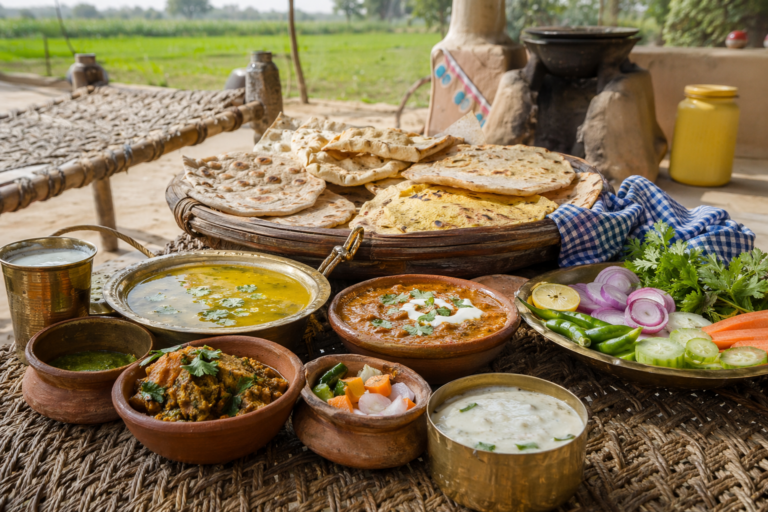
Haryana cuisine is basic, hearty, and shaped by old cooking ways from North India.
-
Haryanvi food uses grains, plenty of dairy, and fresh ingredients from rich farmlands.
-
Many classic Haryanvi dishes include bajra roti, kadhi pakora, mixed dal, and bathua raita.
-
The area is known as the land of rotis, showing how important breads are each day.
-
When there are festivals or it is a special season, people cook sweet foods like mithe chawal and alsi ki pinni.
-
For Aussie readers, these foods show a simple, well-loved side of Indian cuisine.
Introduction
Haryana cuisine shows a quieter and more down-to-earth side of Indian cuisine that many people in Australia might not know about. The food of Haryana comes from a farming life. People there use grains, dairy, and food that is in season every day. You can see this in plain rotis, thick dals, cool buttermilk, and sweets made for festivals. These are more than just something to eat. The dishes show how people work, the weather they live in, and what families do. This makes Haryanvi cooking a straight-up look into local life.
Keywords: haryana cuisine, indian cuisine, food of haryana
Exploring the Essence of Haryanvi Cuisine
Haryana cuisine is simple, gives you energy, and is closely linked to life in small towns and villages. Most Haryanvi dishes are made with easy-to-find ingredients, not fancy items like those you see at big restaurants. This is what makes the food feel real and down-to-earth.
The heritage of Haryana shows up in the way people cook their rotis, meals with lots of milk products, and veggie dishes made from local crops. Haryanvi food stands out from other North Indian styles because it is more basic and straightforward. To get the full idea of this, you need to look at the land, the way people grow food, and how they live each day.
The Role of Geography and Agriculture in Shaping Flavours
Haryana has good soil, and farming is a big part of life there. People cook with what they can grow and keep in the home. The food is simple, and what they eat changes with the different seasons.
Things like pearl millet and wheat flour are used a lot, because these suit what people want to eat and what the land can give. Bajra, or pearl millet, is eaten more when it gets cold. Wheat is everywhere, and it is used for making rotis most days. Basmati rice is important too, especially for sweet rice dishes such as mithe chawal.
Fresh ingredients are a big deal as well. People use seasonal vegetables, green channa, bathua leaves, carrots, and other things that grow close by. The farm and the kitchen are close together, and that’s why the tastes are so fresh, solid, and full of the feeling of the land.
Cultural Traditions Behind Haryanvi Cooking
Food in Haryana is a big part of work, family, and local ways of living. Lots of people here work with farming and dairy, so their meals are simple and fill you up. You notice this in things like rotis, buttermilk, chutneys, and thick dals. They serve their food in an easy and honest way.
The rich culture of the state shows up when food looks a bit different for each occasion. The everyday meals, like bajra or wheat roti with some chutney, ghee, or curd, are not fancy but will keep you going. In a village, even a plain meal at lunchtime feels good and just right.
Special days and festivals mean there can be more dishes and sweets. This style of moving between simple food each day and fun cooking for festivals really shows the heritage of Haryana. It is all about giving people good food in any season, and enjoying meals together, no matter if it is an ordinary day or a big event.
Common Ingredients Found in Haryanvi Kitchens
Walk into a Haryanvi kitchen and you will see the main ingredients are well-known and easy to cook with every day. Wheat flour, gram flour, pearl millet, yoghurt, ghee, and pulses are used again and again for daily meals.
People use spices with purpose, not too much. Cumin seeds, cumin powder, coriander powder, chilli powder, mango powder, and fresh coriander help give flavour to breads, sabzis, and dals. These simple things you find in the pantry show why the food feels homely and very local.
Staple Grains, Millets, and Local Pulses
Grains are at the centre of Haryanvi food. Because Haryana is the land of rotis, most homes use flours and millets in lots of their meals. Wheat flour and bajra are very important here. They give a good base for the breads and other filling dishes.
Pulses help add texture and make the meal more filling. Moong dal is used in bajra khichdi, and people often put a mix of different dals together for a thick, strong meal. Gram flour is another ingredient people use a lot. You will find it in besan masala roti, kadhi pakora, and even in gram flour fritters.
-
Bajra roti is eaten a lot in villages, mainly when the weather is cold.
-
Gram flour is used in besan masala roti and kadhi pakora.
-
Wheat flour is the base for many rotis and parathas people eat every day.
-
Moong dal is often cooked with bajra to make a healthy khichdi.
Dairy Products: Ghee, Butter, and Buttermilk
Dairy products are a big part of what people eat in Haryana. The people here drink a lot of milk, and many families still make butter and ghee at home. This gives the food a rich, homely feel.
Ghee goes into breads, sweets, and lentil dishes. You can find it in besan masala roti, mixed dal, bhura roti, and also in treats like alsi ki pinni. Putting fresh butter on hot bajra aloo roti is also a common thing.
Buttermilk, which locals call chach or mattha, is just as important. It’s a daily part of village life and is good for having with heavy foods. Along with curd and raita, buttermilk shows how much dairy products add taste, feel, and comfort to haryana cuisine.
Distinctive Cooking Techniques of Rural Haryana
Rural Haryanvi food gets its taste from both the way you cook and the things you use. Most cooking happens in simple kitchens using old cookware. People use easy methods that fit with their busy days. This is why the food feels close, warm, and fills you up.
You may notice that many breads are cooked straight over a fire or in a tandoor. Dals and sabzis are cooked slow and steady. This way, they get good texture and a real homemade feel. If you want to see how it all happens, it’s good to take a closer look at the main ways people make haryanvi food.
Open Flame, Tandoor, and Traditional Cookware
One thing that stands out in Haryanvi food is how people make breads. In the villages, you can see folks baking roti in a tandoor right in the middle of the yard. This gives the bread a smoky taste. The bread is strong, and it’s perfect for these simple, home-cooked meals.
An Indian flat bread like bajra roti, besan masala roti, or bajra aloo roti is cooked with heat from an open flame. The outside gets a crunchy feel, but the inside stays soft. This makes it easy to have the bread with curd, raita, or a veggie dish like sabzi.
There is good, simple cookware for all this, which fits everyday cooking needs. Houses use basic tools because they focus on food that gets made often rather than looking fancy. So, most Haryanvi food comes out hot, fresh, and all set to eat straight from the tandoor, stove, or pan.
Slow Cooking Styles Unique to the Region
Slow cooking is important in Haryana cuisine. Many of these dishes use grains, lentils, and firm vegetables. These ingredients take time to get soft, thick, and soak up the spice. When you slow cook the food, you get good flavour, but it is not too fussy or hard to make.
Mixed dal shows this well. When you half-crush the lentils and cook them in ghee, you get a side that is thick, filling and has a nice balance. Bajra khichdi also cooks better if you give it time. The soaked bajra and moong dal mix together and make a warm, simple meal that’s right for daily meals.
Dishes made with singri, green channa, fenugreek leaves, or carrots do well when you use old-style pots and keep the heat steady. This way of cooking follows a relaxed pace you’ll find in the countryside, where people make food first to feed their family. It’s about being practical, and this way of cooking and thinking is at the heart of Haryana cuisine.
Iconic Haryanvi Dishes Every Food Lover Should Try
If you are new to foods of Haryana, it’s good to start with haryanvi dishes that local people know and eat a lot. The most loved foods of Haryana are not fancy. They give you a full stomach, come from the area, and are linked to farm work, dairy, and grains.
A famous dish here can be a roti, a dal, a veggie dish, or even a sweet made for a special time of year. If this is your first try at haryanvi dishes, go for breads and simple main meals first. The next parts will talk about what stands out most.
Signature Breads: Bajra Roti, Missi Roti, Bathua Paratha
Bread sits at the heart of Haryanvi food. The state is often called the land of rotis because of this. These breads do not act as the extras. They often are the main part of a meal. You get them with chutney, curd, sabzi, or fresh butter.
The types of breads change with what is grown there and with the weather. Bajra is good for winter. Gram flour and wheat flour help make spiced rotis. People mix bathua and potato into dough as well. This gives the breads a stronger feel and makes them useful for every day.
-
Bajra roti is the usual bread. It tastes earthy, has a thick feel, and is found in most homes.
-
Besan masala roti uses gram flour mixed with wheat flour, ghee, and spices like mango powder to add flavour.
-
Bathua paratha puts leafy greens into another indian flat bread. This one feels right in colder months.
-
Bajara aloo roti mixes pearl millet and mashed potato. It is most tasty when served hot with fresh butter.
Rustic Curries, Lentils, and Sabzi Favourites
Beyond bread, Haryana has a range of simple curries, dals and sabzis that show how a few easy things can make tasty daily meals. These dishes most often come with roti or rice and use a small variety of spices. They are not heavy or complex.
You will see lentils and yoghurt-based gravies a lot. Local veggies and some foods kept from earlier seasons fit what you find in many village kitchens. When you try them for the first time, you get a real taste of food people in the region eat every day.
-
Hara dhania cholia is made by cooking fresh green chickpeas with veggies and spices in a simple sabzi.
-
Moong dal is found in bajra khichdi and shows up in many daily meals, bringing a soft, good taste.
-
Singri ki sabzi uses dried desert bean that gets soaked and cooked with spices, and sometimes yoghurt as well.
-
Kadhi pakora is a tangy curry made with yoghurt and gram flour, with gram flour fritters that most people see as comfort food.
Seasonal and Festival Specialties from Haryana
Seasonal eating is very common in Haryana’s food culture. There are some dishes that people eat in winter to keep warm. Other foods are made at local events or after a big harvest. The time people make these dishes follows the farming year. This shows how food is tied to each season and to special days.
If you have a sweet tooth, you will enjoy foods made for festivals. Two great sweet dish choices from Haryana are mithe chawal and alsi ki pinni. You can see that both of these not only taste good, but they also come from simple, everyday things in the kitchen. Now, let’s talk a bit more about the sweeter foods first.
Celebratory Sweets and Desserts: Mithe Chawal, Kheer
Sweets in Haryana are simple and rich, and people often share them on family days. They don’t need to look fancy or have big decoration to be special. These sweets get their taste from good grains, dairy, a bit of ghee, and spices that feel warm.
Mithe chawal is one of the best-loved sweets. This is a sweet rice dish that people make with basmati rice, ghee, sugar, and flavours like cardamom and saffron. If you have a sweet tooth, it isn’t hard to see why you will remember this dish.
-
Mithe chawal, which people also call sweet rice, is a festive pick with a bright smell and taste.
-
Kheer is a good fit for celebrations as many like milk-based desserts in the area.
-
People sometimes add dry fruits to some sweet dishes to give more taste and a warm touch.
-
Ghee makes many desserts softer, richer, and helps them feel extra special.
Special Dishes Prepared for Harvest and Local Festivals
In Haryana, seasonal and festive cooking often grows from what is available at that time of year. Winter-friendly ingredients, stored grains, dairy, and seeds all shape harvest foods and festival foods. This gives celebratory dishes a practical side as well.
Bajra khichdi is a strong example of seasonal comfort. Since bajra is valued in colder weather, this dish feels especially suited to winter tables. Alsi ki pinni also matches that pattern, using flax seed, wheat flour, sugar, nuts, and ghee in a dense, nourishing sweet.
Here is a simple guide to these local favourites:
|
Dish |
When or why it is prepared |
Main features |
|---|---|---|
|
Bajra khichdi |
Common in cooler seasons and comforting family meals |
Made with soaked bajra and moong dal, cooked until hearty and filling |
|
Alsi ki pinni |
Enjoyed as a seasonal sweet and festive treat |
Uses flax seed, wheat flour, sugar, nuts, and ghee, rolled into balls |
|
Mithe chawal |
Served on special occasions and festive days |
Sweet basmati rice cooked with ghee, sugar, and fragrant flavourings |
Bringing Haryanvi Flavours to Australian Tables
For people in Australia, the food of Haryana feels easy to try. This is because a lot of Haryana cuisine uses fresh ingredients, grains, yoghurt, and simple cooking styles. You do not have to make anything complicated to get a taste of this food. You just need a few good staples and to enjoy its country-style feel.
To bring these tastes to your home, start with breads, dals, dishes that use buttermilk, and sides that are in season. The best way to get as close as you can to these flavours outside India is to visit restaurants or cooking spaces in the community.
[haryana cuisine, food of haryana, fresh ingredients]
Where to Find and Enjoy Authentic Haryanvi Cuisine in Australia
It can take a bit more time to find real Haryana food in Australia than just the usual Indian food. That is because food of Haryana is mostly regional and made at home and you don’t see it much on big restaurant menus.
The best way to get started is to look for Indian places that serve simple breads, besan masala roti, dal, food that has a lot of veggies, and sides with yoghurt in them. These foods help you get a taste of what haryana food is like, even if the menu does not say it’s from Haryana.
You might also get lucky at special events, kitchens run by families, or community meet-ups. There, you often see other types of food of haryana that are not as famous. If you see things like bajra roti, bathua raita, mithe chawal, or bajra khichdi on the menu, you’re probably close to the real deal.
Conclusion
As we finish looking at Haryanvi food, you will see that it is a mix of the land, old ways, and real ingredients. The grains are filling, the dairy products creamy, and the haryanvi dishes like bajra roti and mithe chawal really stand out. Haryanvi food gives you a special taste that shows the lively way of life in north India. When you bring these flavours to your table in Australia, you not only get to enjoy north India, but you also take part in its deep roots and culture.
You may want to try old ways of cooking dishes, or maybe you will look for spots close by that sell real haryanvi food. There is a big range of tastes and foods to try in this world, ready for you to eat and discover. So get ready and go on a tasty trip!
Frequently Asked Questions
What makes Haryanvi food unique compared to other North Indian cuisines?
Haryana cuisine is known for being rustic and practical. In this part of India, you often find plain and everyday foods. Many Haryanvi dishes use rotis, dairy, pulses, and food that grows nearby. The people keep their cooking simple and use a small variety of spices. You can see their rich culture in the way they eat, and it shows their close link to farming.
Which Haryanvi dishes are must-try for first-time visitors?
If you want to try Haryanvi food for the first time, you can start with bajra roti, besan masala roti, kadhi pakora, and bathua raita. You can finish the meal with mithe chawal for something sweet. These dishes show how people in the area love grains, yoghurt, simple cooking, and everyday flavours.
How does Haryanvi cuisine reflect the culture and lifestyle of Haryana?
Haryanvi food is all about farming, dairy work, and life in the village. Daily meals often have grains, buttermilk, and simple veggie dishes. On festival days, there are sweets and dishes that come with the season. This mix of daily meals for health and special food for fun shows how the food is tied to the heritage of Haryana and village life.