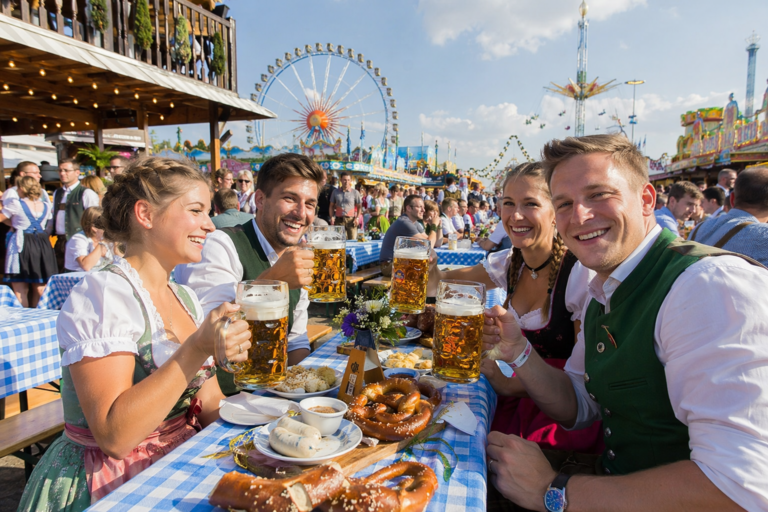
Key Highlights
-
German food in Australia mixes its strong traditions with the way people here eat.
-
You will see that every classic dish, from bratwurst to schnitzel, is still a big part of meals.
-
The menu is shaped by favourites from southern Germany, southwest Germany, and northern Germany.
-
Important foods for these meals are pork, cabbage, potatoes, and rye. Potato salad is also a side dish many people love.
-
Sweet treats like black forest cake are still a hit at cafés, bakeries, and family dinner times.
-
German beer is also important to the food culture, especially when people come together for a relaxed family dinner.
Introduction
German food has a big spot in Australia. This is because german immigrants and locals love to keep their favourite dishes going. From good bakery snacks to filling mains, these meals bring warmth and a lot of character to the food culture here. You might know things like pretzels or sausages, but there is more to german food than just that. This guide will talk about classic dishes, different regional foods, and must-have ingredients. It helps show why german food keeps making people happy, no matter their age or how they like to eat.
Exploring German Cuisine in Australia: Classic Dishes, Regional Specialties, and Key Ingredients
When people ask about the most well-known traditional german foods, the list usually starts with bratwurst, schnitzel, pretzels, sauerbraten, and potato salad. These german dishes are known by many and people still love to eat them in Australia.
But, german recipes include more than just these favourites. Many of the main course options have potato dumplings, cabbage, or noodles on the side, so they are great for a family dinner. The meals below help to show how many types of dishes there are.
1. Bratwurst – Germany’s Beloved Grilled Sausage
Bratwurst is well-known as part of german food, and it’s still a big hit in Australia because it’s simple, filling, and easy to serve. You can get it at the markets, at festivals, in a laid-back pub, or just at home as a good main dish. It’s great when you want a fast food meal, but it keeps its old-fashioned style.
What makes bratwurst special is how the sausage is the main attraction. The flavour is clear, meaty, and balanced, not covered up by heavy stuff on top. When it’s served hot from the grill, you often get spicy mustard and some bread, so the sausage stands out.
-
The many varieties of bratwurst show the regional touches in german cooking.
-
A cold pale lager is one of the most simple and natural things to have with it.
-
In Australia, it’s still one of the easiest german favourites for people to try when it’s their first time.
2. Schnitzel – A Crispy Pan-Fried Favourite
German schnitzel is known for having a crispy outside and being a simple, comforting meal. Here in Australia, lots of people like to order it because it feels familiar, but it still has its own taste from Germany, especially when you add classic sides. You will find it in the main course part of the menu, usually next to potatoes or things like white asparagus.
When I travelled in Germany, I got schnitzel with asparagus and Hollandaise sauce. That showed me just how much you can change up this meal. It’s the mix of that crunchy outside, soft meat, and easy sides that makes schnitzel stand out in german dishes.
-
Schnitzel is not as heavy as something like pork knuckle. It feels lighter to eat, but it’s still going to fill you up.
-
People love it because the flavours are clean, the coating is crispy, and it’s served in a way that’s both practical and tasty.
3. Sauerbraten – German-Style Pot Roast
Sauerbraten is one of the most well-known dishes in german cooking. This sour roast starts with meat placed in wine or vinegar. You wait, letting it soak up those flavours, then cook it slow until the meat gets soft. The taste is rich and warming, with good depth, but it’s not hard to tell what’s in your plate.
Here in Australia, people who like slow-cooked meat and want a meal with tradition often enjoy it. Sauerbraten is usually put on the table with potatoes, potato dumplings, or Spätzle. These sides are great because they soak up the juicy sauce and help finish off the main dish.
-
Sauerbraten is a top example of how german cooking uses sourness from vinegar or wine to add flavour, and not just a sharp bite.
-
Some people might pick beef rolls such as Rinderroulade, but even though it’s put together a different way, both this and Sauerbraten are made with care and have the same hearty traditions.
4. Pretzels (Brezn) – The Iconic Soft Bread Snack
Not many things say german food like a german pretzel does. In Australia, you will find it in bakeries, at beer events, and during festive times. It is good to share and easy to spot. You can have it as a snack, use it as a side dish, or add it to a bigger meal.
What makes it great is the texture. The inside is soft, and the outside has a darker crust. You get a deep baked smell that fills the air. That fresh bread smell is what many people remember when in Germany, especially near bakeries and at christmas markets.
-
A pretzel is good to eat by itself, with some butter, or with mustard sauce.
-
It feels more special than plain bread snacks. Its shape, crust, and freshness make it stand out from the rest.
5. Kartoffelsalat – Traditional German Potato Salad
Potato salad is one of the most well-known german dishes in Australia. But Kartoffelsalat has more to it than many people think. You can put it on the table as a side dish. But you can also make it almost a main dish if you serve it with sausages, bread, or cold cuts. This kind of flexibility is one reason it is still so loved.
You can really taste the big flavours of german cooking in this salad. Potatoes make it filling and homey. The dressing can be tangy, creamy, or a bit of both. That mix of strong and bright tastes is why potato salad stays close to the centre of so many home-style meals.
-
Potato salad shows the what german food is all about: filling, trusty, and good for sharing.
-
It also proves that simple, everyday things can have a lot of their own style if you make them the old german way.
6. Currywurst – Berlin’s Street Food Staple
If you are picking dishes you really should try, Currywurst needs to be on your list. It is one of the best examples of german food that feels easy, modern, and right for city life. In Australia, it works well at food trucks, festivals, and places where things are laid-back, because it be made and served fast like other fast food.
The main part of this dish is sliced sausage. It has seasoned tomato sauce over the top, which makes it stand out from a plain grilled bratwurst. Some people like to have it with spicy mustard on the side. It depends on how you want it given to you.
-
Currywurst is a good choice for travellers as it shows what real city food is like. It is not just for people who want to go out for fancy meals.
-
This food is popular not because of a third party or a quick trend. It stays loved because it is simple, tasty, and people want to eat it over and over.
7. Sauerkraut – Fermented Cabbage Classic
Sauerkraut is a great example of how german dishes get so much taste using just a few things. It is made by letting cabbage sit and ferment. This gives it a tangy kick that helps cut through rich food and keeps heavier meals from feeling too much. In Australia, when you see sauerkraut on a plate, you know you’re having a true german food experience.
You will usually get sauerkraut on the side with sausages or roast meats, but it can back up a bigger main course too. The sharp taste, soft feel, and savoury style show that german cooking is not just about heavy flavours. They like a good mix.
-
Sauerkraut puts cabbage in the spotlight as a key part of traditional german meals.
-
It also shows how german food is not just hearty and warming but often throws in some tangy hits too.
8. Spätzle – Swabian Egg Noodles
Spätzle are soft german noodles and come from Swabian cooking. They are still one of the favourite choices when it comes to traditional german foods. In Australia, you often see them as a warm and comforting add-on for meat dishes. But you can eat them on their own too, especially with cheese and onion.
Spätzle are good in many ways. While they are not part of a typical german breakfast, they work well for lunch or dinner when you want a main dish that fills you up. Their soft style makes them great for soaking up sauces.
-
Spätzle can be a side or the main dish.
-
They show that german food is not only about meat, but you can also get full on tasty noodles and dumpling-like meals.
9. Maultaschen – German-Style Dumplings
Maultaschen is a well-known dish in german cooking. These are german dumplings, and many people say they are like filled pasta. There is a story that monks used Maultaschen to hide meat during Lent. Some may care about this tale, but even if you do not, it is still a dish you should try.
Maultaschen is good because you can have it in many ways. You can eat it in broth as a starter. It can be your main dish. There are even vegetarian and vegan fillings. This makes Maultaschen perfect for your family dinner, as everyone can find a taste they like.
-
Travellers should try Maultaschen because you get to see a more local and less common side of german cooking.
-
The way the fillings change shows one main shape can take in new things but still stay true to itself.
10. Rinderroulade – Beef Rolls with Pickles and Bacon
Rinderroulade is another classic style in german cooking. This main dish is made with beef rolls that you fill, roll up, and cook until soft and tasty. The result is a meal that feels right for special days, but it stays close to what people eat at home. In Australia, it sounds good to those who want something big and filling, not just sausages and schnitzel.
This dish goes well with sour roast and other famous german recipes. Still, the eating will feel quite different with this one. You do not have just sliced pot roast. You get a dish that has a clear shape, and every bite is full of layers of taste. That is the reason it gets noticed among the most well-known main dish choices from germany.
-
Beef rolls show the careful and put-together side of german cooking.
-
They are great for people who want a classic meal with more taste and detail than just an everyday dish.
11. Schwarzwälder Kirschtorte (Black Forest Cake)
Black forest cake is one the best-loved German desserts and you can find it all over Australia. Some people call it black forest gateau. It comes from southwest Germany. Most people know this sweet right away when they see it. You will spot it at parties, cafés, and bakeries because it is both a classic and fun dessert.
People like it for many reasons. It has a rich chocolate taste, sweet fruit, and cool cream. This cake comes in neat layers and looks lovely, but it is not hard to enjoy. It might not be the main course at dinner, but it often feels like the star of the show once the food is done.
-
Black forest cake is one of the top sweet treats because it feels classic, from the region, and always good for a big event.
-
You can have it with vanilla ice cream too if you want it to feel extra special.
12. Apfelstrudel – Apple Strudel Dessert
Apple strudel is one of the favourite German desserts you can get in Australia. It brings a sweet taste, but it’s not as heavy as cakes full of cream. Instead, it gets its flavour from the apple, the pastry, and the warmth. This makes it good to eat after lunch or dinner. You can also enjoy it as a small treat when having a coffee in the afternoon.
People usually serve it warm. You might see it with white sauce or vanilla ice cream on top. Even though it’s mostly a dessert, some like to have a small piece as a side dish with coffee or something lighter from the bakery.
-
Apple strudel stays a popular choice because the taste is clear, you know what you’re getting, and it’s not too sweet.
-
The mix of soft apple and pastry is something people of all ages love, and it suits many different times to eat, from meals to snacks with friends.
These little touches, like ice cream or white sauce, can make every piece of apple strudel feel a bit special.
13. Lebkuchen – German Gingerbread Treats
Lebkuchen shows the fun part of german food during holiday times. This german gingerbread is easy to spot at christmas markets, where the smell of spices fills the air. These sweet baked treats help set the mood. In Australia, you usually see it most at Christmas, especially in special shops and at holiday events.
Lebkuchen stands out because of its warm spices and the way it is part of the season. You don’t find this as a main course. But you can have it with coffee or as a sweet side dish when people gather to celebrate.
-
Lebkuchen is one of the most well-known christmas treats in german baking.
-
People like it because it brings memories as well as taste. When you bite into it, you remember winter markets and christmas baking.
14. Königsberger Klopse – Meatballs in Creamy Caper Sauce
Königsberger Klopse give you a different look at german food. This dish is not just about grilled meats or fried cutlets. These meatballs come in a creamy white sauce with capers. The taste is softer and more gentle than what most people think german food can be. You do not see this dish a lot in Australia, but it should get more love.
The white sauce is very important here. It brings a smooth, rich taste that feels fancy but also warm and homey. This makes Königsberger Klopse a good pick as a family-style main dish. This meal also shows that german food is not always vegetarian or vegan.
-
For people who do not eat meat, german food also has things like vegetarian and vegan Maultaschen, along with dishes that use lots of veggies.
-
Try Königsberger Klopse if you want a main dish that feels classic but is not the same as other german meals.
15. Rotkohl – Braised Red Cabbage
Rotkohl, or braised red cabbage, is a classic part of german food. It has a sweet taste, a bit of tang, and is soft. All of these things make it a good side dish for heavy meats or big main dish meals. In Australia, you will see it in places that want to have a true traditional menu.
Rotkohl brings colour to the plate, and helps balance out the meal. It will give you something that feels just right when you want a lighter main dish. People often have it with bread or potatoes. That is why cabbage is often in plans for german food.
-
Red cabbage gives you the comforting and sharp taste you find with many german plates.
-
Rotkohl shows that veggie side dishes are not just extras. They are part of what makes the meal work.
Distinctive Flavours and Essential Ingredients in German Cuisine
German cuisine is known to be hearty and comforting, with flavours that balance out with a little tang. You can taste this in meals like cabbage, potato salad, sauerkraut, or sour roast. These dishes mix rich taste with some zing or gentle sweetness.
The food culture in Germany relies on simple and solid foods. People often use pork, potatoes, cabbage, rye, and a few well-picked herbs and spices. These basics give most meals in Germany their signature taste. The next parts will show how these items play a big part in their cooking.
Common Herbs and Spices: Caraway, Mustard, Dill, and Juniper
Much of the flavour in German food comes from steady and practical ways of adding taste instead of a lot of heat. The herbs and spices you find in these meals are there to build up smell and give the food some shape. Instead of taking over the taste, they help meat, bread, cabbage, and sauces work together in a way that feels homely and easy to like.
Caraway plays a key role in bread and cabbage recipes. It brings a warm, earthy touch. Mustard, including spicy mustard, gives a clear bite and a sharp taste, which cuts through heavier meats. Dill offers lightness and freshness, while juniper gives a deeper taste you often get with slow-cooked meals or game.
-
Caraway is what gives rye bread and cabbage meals their smell.
-
Mustard, also spicy mustard, gives a strong sharp note you notice in German foods.
-
Dill and juniper let you see how much small, mild herbs add, just like big, strong ones.
Key Ingredients: Pork, Potatoes, Cabbage, and Rye
If you want to get a quick look at German food, it helps to start with four main things: pork, potatoes, cabbage, and rye. These four show up in most meals, from the plates you have every day to the meals for a big day. They are easy and common, but they show a lot about what German cooking is about.
Pork is in many forms, like sausages, different kinds of schnitzel, and well-known dishes such as pork knuckle. Potatoes end up as mash, dumplings, or in salads. You will see cabbage used in sauerkraut or red cabbage. Rye is used to make strong breads, which a lot of people think about when they think of German food. These all work together, so you can find them in snacks or a main course.
-
These basic foods help explain why German meals are often filling and solid.
-
They also show how a few go-to foods can help make lots of different dishes, no matter the region or home.
Flavour Profiles: Savoury, Tangy, and Comforting
German cooking can surprise you with its range of flavours. Many dishes are hearty and savoury, but there is more to it. The food also uses things like acidity, fermentation, and sweetness to keep it balanced. That is the reason it feels rich but not always too heavy.
You find this balance in just one meal. For example, a roast or sausage as the main dish will often sit next to tangy sauerkraut, red cabbage with sweetness, or a strong mustard. This way, you get classic comfort food that has contrast, not just richness stacked on top of more richness.
-
Savoury taste mostly comes from meat, bread, and slow cooking.
-
Tangy flavours come from vinegar, mustard, or fermented vegetables, which make the taste full.
Regional Variations of German Cuisine in Australia
German cuisine isn’t just one way of cooking, and you can see that across Australia. There are many regional variations between southern Germany, northern Germany, and southwest Germany. These regional differences show up in what german immigrants choose to cook and share with their local communities. It’s also clear during special events and celebrations.
These regional variations shape the food culture in very real ways. In southern germany, you’ll find more dumplings, pretzels, and hearty meat dishes. In northern germany, there is a lot more fish on the menu. Southwest germany stands out for tasty things like Spätzle and Maultaschen. This is where you notice how those patterns matter to people from different places and the way food is enjoyed.
Bavarian Fare: Weisswurst, Obatzda, and Pretzels
Bavarian food from southern Germany is what most people in Australia picture right away. It’s made to eat with others. It’s filling, and it goes well in beer halls, markets, and around big tables. Dishes here are perfect for groups. That’s why they’re great for events and festivals.
Weisswurst is a soft sausage that’s a big part of Bavaria. Obatzda is a creamy cheese spread that often goes on the table, too. Put in a pretzel, and you can see how regional variations work in southern Germany. You’ve got bread, sausage, and a dip, each bringing something that fits the local flavour.
-
Bavarian fare is hearty, easy to share, and meant for everyone at the table.
-
The pairing of Weisswurst and pretzel is one of the best examples showing southern Germany’s food.
-
Obatzda gives a creamy change-up, so the meal is more than just bread and meat.
Swabian Specialties: Linsen mit Spätzle and Zwiebelrostbraten
Swabian food from southwest Germany stands out with its special style of cooking. It is easy to make, keeps you full, and is packed with noodles, dumplings, and slow-cooked meat. You can find these meals across Australia, mostly on menus that use family recipes or try to bring in some regional heritage.
Linsen mit Spätzle is a good example of how german noodles can make up the whole plate, especially when you add lentils. It’s simple, but it fills you up. Zwiebelrostbraten is another Swabian dish that puts beef and onions in the spotlight, so the meal feels richer and a bit more fancy. These two show that even in southwest Germany, there are many regional variations from one area to another.
-
Swabian food brings together thrift, comfort, and strong flavour.
-
It makes southwest Germany stand out, which is different from the better-known Bavarian image.
Northern German Flavours: Labskaus and Fischbrötchen
Northern Germany gives you a whole new look at food culture, mainly because of its coastlines and fishing background. You’ll find there, people don’t just go for bread and sausages. Instead, they love seafood. Smoked fish and flavours from the sea are big here. For Australians, this might be a surprise, but it’s a big piece of the food culture in northern Germany.
Labskaus is one of the best-known dishes in this area. Fischbrötchen is much simpler, but it’s a classic way locals have their fish. That fits with what you find across Germany. Seafood, smoked fish, trout, and salmon show up often in markets and stalls.
-
Northern Germany stands out, thanks to a strong seafood identity.
-
Labskaus and Fischbrötchen are great examples of how the food in food culture connects with the place and the habits of the people, as well as history.
German Meals Throughout the Day
German food is different depending on the time of day. The way people eat is clear and can be seen as quite practical. A typical german breakfast is simple. There are often breads, spreads, pastries, or other cold things on the table.
When it comes to lunch or dinner, the meal is bigger. You may get a main course. That can be meat, noodles, dumplings, or some vegetables. These ways of eating are good for a family dinner. People often gather around the table for warm food and sides.
The next parts will show more about how german food works through the day.
Typical German Breakfast Options
A typical german breakfast is not built around a big cooked main dish. Instead, it has many bakery items. There are lots of german breads, rolls, cakes, and pastries. The smell of fresh baking can be one of the best parts of being in Germany. In Australia, german bakeries still help keep this breakfast style going strong.
At breakfast, you might see cold cuts, cheese, butter, and sweet choices. Each home or hotel buffet is a bit different. They sometimes add food that is in season, too. For example, white asparagus is very popular during spargelzeit. It can show up on lots of menus, even though you may not always find it served right at breakfast.
-
Bread is often the number one part of a typical german breakfast.
-
Cold cuts and cheese make it quick, tasty, and simple to put together.
Popular German Lunches and Dinners
Lunch and dinner in Germany are usually built around warm and classic plates. A german main dish could be schnitzel, sauerbraten, Maultaschen, or sausages. What you get depends on the part of Germany and the event. These meals are made to fill you up, and that is why they have stayed popular in Australia, too.
If you want a bigger main course, pork knuckle is a good pick. It is one of the more hearty options. You will often see it served with things like potatoes, cabbage, or bread on the side. Other dishes might come with a side dish like potato dumplings, Spätzle, or salad. These help bring different tastes to the meal, but do not make it hard to enjoy.
-
Lunch and dinner are usually about warm and filling meals, not small or light snacks.
-
Sides are important because they round out the plate and give balance to the richer main dish.
Conclusion
To sum up, trying German food in Australia is a great way to enjoy classic meals and local favourites that bring a lot of flavour. You can taste foods like bratwurst, crispy schnitzel, or a sweet black forest cake. Every dish shows the strong history behind German cooking. The many different ingredients and unique tastes in German cooking make it very popular with people here in Australia. These meals give you both comfort and joy. They’re not just food—they help people feel close and share good times together. If you would like to learn more about real german cooking, you can try a free trial of our recipes or cooking classes.
Frequently Asked Questions
What makes German breads, sausages, and schnitzel unique in Australia?
German breads, schnitzel, and sausages are well known classic dish options in Australian food. They are easy to spot because they keep old traditions strong. German breads help make the bakery area feel bigger and full. Sausages bring some local style that is clear to see. Schnitzel is simple and crunchy. These classic dish choices feel close and nice on the plate, but you will always spot the difference and think back to them.
Are there vegetarian or vegan German dishes available in Australia?
Yes, you can find vegetarian and vegan choices with german food in Australia. The material shows there are vegetarian and vegan Maultaschen. You can also see that plant-based eating has grown in german cuisine in recent years. Many vegetable dishes, bakery treats, potato foods, and cabbage sides help you eat without meat.
How can I find authentic German ingredients or recipes in Australia?
Look for German bakeries, specialty shops, and well-known cooking websites that focus on food culture and real german recipes. When you use recipes online, remember to follow copyright laws. Do not copy anything from a third party without checking if you can. Instead, use trusted guides to get inspiration, shopping tips, and help for cooking these german recipes at home.