Key Highlights
-
European cuisine in Australia shows food traditions from many european countries. It is not just one way of cooking.
-
Fresh ingredients, olive oil, dairy products, fresh herbs, and traditional recipes are a big part of european food culture.
-
People love to eat pasta dishes, paella, fish and chips, wiener schnitzel, tapas, and greek village salad in Australia.
-
Western Europe, central europe, and eastern europe all have their own cooking techniques and flavours.
-
Immigration has helped make these kinds of food a big part of the dining scene in Australia.
-
Many classic dishes are simple to make at home in your own way.
Introduction
European food has become a big part of life in Australia. You can get everything from old-style stews to simple salads made with fresh ingredients. So, what is it that people like about it? A lot of people say it is the strong food traditions and how every area has its own style. The recipes feel both new and a bit like old favourites. You will find european cuisine everywhere—in cafés, pubs, delis, and family kitchens. It helps shape what Australians cook, share, and enjoy every day.
Exploring European Cuisine in Australia: Regional Food Traditions, Signature Dishes, and Culinary History
Across european countries, food is shaped by where you are, the time of year, and what people always make. This is a big part of the story behind european food culture. National dish traditions, local food, bread, cheese, seafood, and slow-cooked meals all show how climate and big customs help build european countries’ food.
In Australia, those food traditions from different regions still matter a lot. From France, Italy, Spain, Greece, Germany, Britain, and eastern and central europe, there is something special from each place. The main things seen in European cuisine are fresh produce, simple ways to cook, and meals that show the local food traditions. The sections below will talk about how these show up on tables in Australia.
1. French Gastronomy: Classic Dishes and Local Twists in Australia
French cuisine is known around the world. Here in Australia, it still has that same good name. But the charm of french food is not just all about fancy restaurants. It’s about old-school dishes that use careful cooking and fresh ingredients.
A great example is beef bourguignon. People often say this is a national dish from Burgundy in France. It is beef cooked slowly in red wine, with carrots, mushrooms, and shallots. This rich stew gives people in Australia a true taste of traditional comfort from french cuisine.
On the menu, you might see steak-frites. This is steak and chips. It’s simple, but it shows how french food can feel easy and laid-back. Of all the classic dishes from european countries, French staples like these are some of the easiest for Australians to try and enjoy.
2. Italian Flavours: From Pasta to Pizza in Australian Kitchens
Italian food is now a big part of life in Australia. You find it everywhere. The simple foods, well-known tastes, and easy recipes are what make italian cuisine so popular. You can get it from a local shop or make it at home. This is why italian food stays one of the top picks for eating out.
Pizza is the best-known part of italian food. It is different from place to place in Italy. For example, Neapolitan pizza has tomatoes and cheese. But pizza bianca from Rome is much more simple. It is made with just bread, salt, and olive oil. Pasta dishes are loved too. Many use tomato sauce or fresh herbs, making them both quick and tasty.
If you would like to try easy european meals, you should try spaghetti aglio e olio, bruschetta, or a basic pizza. These are a good way to get a taste of italian food. Italian cuisine is about turning simple things into food that people all over like to eat.
3. Spanish Specialties: Tapas, Paella, and Their Popularity Down Under
Spanish cuisine has become more popular in Australia because the way people like to eat now fits well with it. Many the people here enjoy sharing plates, bold flavours, and a relaxed social way of dining. These things really match the vibe in Australia. The food also shows a bit of where it comes from, which comes out through dishes tied to Spanish food traditions.
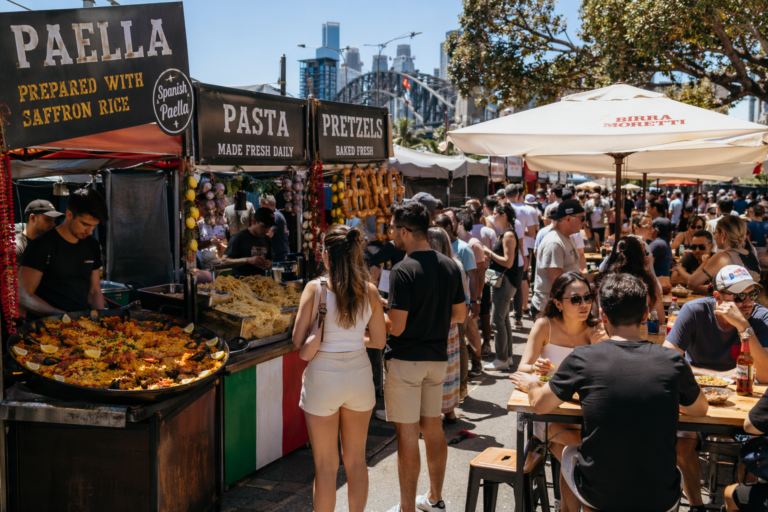
Paella is one national dish that most people know. It is usually called Spain’s top dish and is made in a shallow pan. They cook it with rice, seafood, and saffron. Tapas also gets plenty of love, as it gives you the chance to have more than one taste in one go.
Popular Spanish favourites are:
-
Paella de Marisco, a seafood rice dish made in a shallow pan
-
Tapas, with small shared servings instead of a big meal
-
Patatas bravas, an easy dish with fried potatoes and spicy tomato sauce
-
Sangria or red wine pairings that finish off the meal
When you look at the best European dishes, something like paella and tapas are often right up there. These dishes feel fun, good, and welcoming for most people.
4. German Classics: Sausages, Pretzels, and Schnitzel on Aussie Menus
German cuisine is popular for big meals, strong tastes, and a simple way of cooking food. In Australia, you can find it on pub specials, beer hall menus, and in European delis. Sausages are at the heart of this food, and they are still one of the best ways for people to try german cuisine.
Currywurst gives a good example. It starts with bratwurst sausages that get fried, then topped with a tomato sauce mixed with curry. The story of currywurst is linked to british soldiers, who gave some key ingredients when they were in Germany after the war. This mix of easy street food and big flavours makes german cuisine stand out.
Australian menus pick up ideas from central europe as well. So, you might find wiener schnitzel served as a main course with potatoes or other root vegetables. German cuisine is seen as one of the most famous european foods worldwide because it is filling, easy to know, and nice to share with other people.
5. Greek Cuisine: Olive Oil, Feta, and Mediterranean Staples in Australia
Greek food has a big spot in Australia because it tastes fresh, feels generous, and is easy to enjoy when the weather is warm. A lot of what makes it good comes from using simple, well-known ingredients instead of adding too many things. Olive oil is in the centre of a lot of greek dishes and gives them their special style.
The greek village salad, or horiatiki, is a good example of this. It brings together tomatoes, cucumber, green capsicum, red onion, kalamata olives, and feta cheese. There is usually no lettuce. This type of salad shows how a variety of vegetables can make a whole meal by using just a few touches.
For people in Australia, this is one of the easiest parts of Mediterranean food to notice and make at home. It also shows that European cooking has many local dishes to get to know. Greek food shows that you can use freshness, balance, and simple ways to put things together, and it will still stand out just as much as dishes that take a long time to cook.
6. British Comforts: Fish and Chips, Pies, and Roasts in Australian Dining
British food has been part of Australian dining for a long time. Some dishes still feel very close to us. Fish and chips, savoury pies, and Sunday roasts are still some of the most common meals. They are simple, filling, and people have them for easy meals. These foods helped lay down the base for how we eat day to day in Australia.
Fish and chips is the best example. The old chip shop style is all about soft battered fish and thick chips, with salt, vinegar, and at times, tartar sauce. Our breakfast habits also show the British influence. Meals like the full english breakfast and different fry-ups are still here.
This British influence came with the movement of people, food, and ideas from one place to another during migration and the building of empire. Even stories connected to british soldiers are seen in other parts of Europe, which shows how food trends go across borders. Here in Australia, these British comforts are still a big part of our food traditions and what people like to eat.
7. Scandinavian Traditions: Salmon, Pickled Foods, and Nordic Breads
Scandinavian food is not as well-known as Italian or Greek food in Australia, but you can still spot its influence. You see it on café menus, in bakery displays, and in specialty food stores that aim for clean flavours and simple looks. Salmon, pickled foods, and nordic breads stand out the most.
These traditions use a lot of preservation, as well as fresh food. Pickling and curing make sense because of how cold it gets in the north. Fresh seafood and dairy products are also used by many. That mix helps give Scandinavian food a style of its own, without needing heavy sauces or a lot of steps.
If you are searching for real European food suppliers, Australians often check local delis, fish shops, and specialty grocers first. Nordic breads, smoked salmon, and preserved foods can show up in these shops when people want regional European ingredients.
8. Eastern European Favourites: Pierogi, Goulash, and Hearty Stews
Eastern European food brings real heart and warmth to tables across Australia. The dishes are often made from simple, everyday things and need slow cooking. This makes them great for cool days. You will find hearty stews, dumplings, soups, and a lot of preserved meats in these meals.
One well-known dish is goulash. It started in Hungary and is made by cooking meat, paprika, and a variety of vegetables in a thick soup or stew. There is also Poland’s bigos. This dish mixes meat with sauerkraut and is often tied to hunting days there. You will see that cold cuts are also a key part of eating in the region.
Another favourite is pierogi. People love these, though the way you make them can change from home to home and one group to another. If you travel or love good food, these must-try European national dishes show you how the people of eastern Europe can take simple ingredients and turn them into meals that are warm, honest, and full of feelings for the place they come from.
9. Portuguese Delights: Bacalhau, Chorizo, and Sweet Treats
Portuguese food is not well known in Australia, but it is one of the good parts of European cooking. The food has deep, savoury tastes mixed with some bright and simple flavours. Many traditional recipes from Portugal are great for people who like to cook at home. When you use things like chorizo, soups, and pastry, you get a big part of what makes Portuguese food special.
One of the easy dishes to try first is caldo verde. In this soup, you mix potatoes, kale, garlic, olive oil, and chorizo. It feels warm and feeds you well, but it is not hard to cook. In Mediterranean kitchens, people talk about olive oil like it is liquid gold. When you use it in Portuguese cooking, you get to see why everyone says that.
There are more classic dishes, like bacalhau. If you like sweets, the custard pastries from Portugal are loved all over. So if you want to find some easy European recipes, start with caldo verde. It is a simple way to make something at home. Plus, it lets you enjoy a real taste of Portuguese comfort food.
10. Belgian and Dutch Influences: Waffles, Beer, and Homestyle Cooking
Belgian food and Dutch food are not the first things most Australians talk about, but there is a lot to like there. These food traditions mix good taste, skill, and a simple, practical touch. They focus on snacks, easy café meals, and dishes meant for you to share. This makes them easy to enjoy with friends or family, any time in your day.
People think of Belgium when it comes to beer, hot fries, and steak and chips. Waffles are also popular, taking the sweet side of Belgian food into cafés and dessert shops. All of this shows how Belgian cooking can move from fast street food to a nice sit-down meal. Dutch cooking is usually more quiet and linked to homestyle dishes.
There are some special foods from these places that are good to try. For example, Belgian fries stand out and make people proud of their roots. Together, Belgian and Dutch food traditions show you that Europe has more than the big name cities. Small places and smaller traditions can stay with you and give a nice memory.
Key Features That Define European Cuisine in Australia
You can spot European cooking in Australia by looking at the key ingredients. The most common ones are olive oil, bread, cheese, potatoes, herbs, seafood, and preserved meats. These are basics for many meals. They tie the different types of food together, but at the same time, they don’t make every dish taste the same.
Traditional recipes and cooking techniques are important too. Things like slow braising, grilling, frying, roasting, pickling, and cooking meals in a simple pan really shape what you get in the end. In Australia, people use these ways of cooking but often change them a bit to fit local tastes. Still, the heart of european cooking stays clear in the food. The next parts will give you more details about the main features, like olive oil, traditional recipes, and key ingredients.
Use of Fresh, Seasonal Ingredients in European Cooking
One of the most common things you see in European food is it uses fresh ingredients. This doesn’t mean every meal is uncooked or feels light. It means much of the cooking starts with what is on hand in the place, then builds taste by using good ways of cooking, not too many extras.
You can see this everywhere in Europe. If you are near the coast, you get meals with a lot of fresh seafood. If you are more inland, you see dairy products, grains, meats, and lots of root vegetables. Salads and soups will often show off a variety of vegetables, not cover them in lots of thick sauce.
Common things you notice:
-
Fresh fish and fresh seafood in places by the sea
-
Cheese, cream, and other dairy products in many meals
-
Potatoes, onions, cabbage, and root vegetables in colder parts of Europe
These food choices make it clear what European cooking is about. It is mostly about what foods come from the region, sensible ways to prepare it, and a strong tie between the land, each season, and what you see on your plate.
Traditional Cooking Techniques Adapted for Australian Tastes
Australian cooks and restaurants often keep the heart of european dishes but give them their own way. They may serve food in a lighter style, put it on a plate a different way, or use what they can get at the shops near them. Still, they don’t forget the classic cooking techniques, as these are what really shape the dish in the end.
If you look at paella, you see how they use the shallow pan each time. This shapes the look and taste of the dish. Italian food remains true to olive oil, tomato, and fresh herbs. French cooks still go with slow, gentle cooking for braises. Many traditional recipes keep their look and feel, since it is not just the food but how you cook it that matters most.
This also shows why european cuisine changes from western europe to eastern lands. Western europe may go for olive oil, wine, and lighter sauces. Eastern styles, though, use a lot of soups, stews, dumplings, or foods made to last. In Australia, we mix both styles but keep what is good from each so that you still know they come from their past.
Influence of Immigration on Local European Food Traditions
Immigration is a big reason why European food traditions feel so common in Australia today. When families came here, they brought their recipes, ways of cooking, and foods. They passed these things down to others in shops, at restaurants, and inside their own homes. That helped european food culture become a normal part of life here.
The impact is clear. You can see southern european dishes like pizza, pasta, and Greek salads served almost everywhere these days. At the same time, tastes from central europe and eastern areas have stayed here, too. That happens with things like sausages, schnitzels, dumplings, stews, and deli foods. These european dishes did not show up because they were trends. They got here because of the people who moved.
In a new country like Australia, those food traditions took on a new life. This is also the way european food culture has shaped bigger food ideas all around the world. When people go somewhere, their recipes and meals go too. After that, the food in local spots starts to change, even now.
Regional Variations: Western, Central, and Eastern European Food in Australia
European cuisine does not come as just one thing. Food traditions in western europe can be very different to what you find in central europe or eastern europe. These food ways still show up in Australia today. Some foods use more olive oil, seafood, and wine. Others go for dumplings, sausages, soups, and foods kept for a long time.
Each part of europe brings its own way with meals, the ingredients they use, and how they eat. This is why people in Australia might go from Spanish plates to a Czech roast or a Hungarian stew. You can still tell each food has its own style. The next parts will look at those regional food traditions in western europe and central europe to compare them.
Western European Cuisines: Flavour Profiles and Must-Try Dishes
Western european cuisine often feels the most familiar to Australian diners because many of its dishes are already common here. It usually balances refinement with simplicity, using seafood, dairy products, bread, potatoes, and wine in ways that let the ingredients stay visible. Sauces matter, but they rarely hide the base of the dish.
This part of Europe also covers a wide range of meals, from French braises to Spanish rice dishes and Belgian steak-frites. In some areas, you also find game meats and strong regional pairings with red wine, especially in colder or inland settings.
|
Cuisine |
Typical flavour profile |
Must-try dish |
|---|---|---|
|
French |
Rich, slow-cooked, wine-based |
Beef bourguignon |
|
Italian |
Simple, herb-led, olive oil based |
Pizza or spaghetti aglio e olio |
|
Spanish |
Shared, savoury, saffron or paprika notes |
Paella |
|
Belgian |
Hearty, café-style, beer-friendly |
Steak-frites |
These examples show that the main characteristics of western european cuisine are regional produce, strong identity, and practical but polished cooking.
Central European Richness: Sausages, Dumplings, and Comfort Food
Central Europe has a richer, heavier style of food that is perfect for comfort eating. Most meals there focus on meat, potato, and foods that are kept for a long time. This mix makes the meals feel very solid and filling. In Australia, you can find these old food traditions in many pubs, clubs, European bakeries, and family restaurants that have been around for years.
Sausages are a big part of these meals, but dumplings are just as common too. The Czech Republic gives you roast pork with knedliky, which is a type of bread dumpling, and sauerkraut. Slovakia is famous for its potato dumplings, which come with sheep cheese and bacon. And you can’t forget about that well-known dish, the Austrian wiener schnitzel. It is one meal nearly everyone from central Europe knows.
There are many more unique things to try if you look a bit more. Farmer-style meat plates, blood sausage, cheeses from the area, and different kinds of bread dumplings show you just how special the food from central europe is. The food is not just one fixed style. It is a mix of all sorts of comfort foods that come about because of the different weather and local history.
Eastern European Diversity: Hearty Soups, Stews, and Baked Goods
Eastern Europe is a part of europe that has big food traditions. People there love to cook warming soups, stews, dumplings, and baked treats. These foods are perfect for cold days and for long meals with family. Many of these dishes are good for every day, but the different places also give them a strong local touch.
Hungarian goulash shows this well. It mixes meat, paprika, and veggies in a dish that sits between a soup and a stew. Polish bigos is another good food; it uses sauerkraut and meat. Other countries have filled dumplings, breads, and sweet pastries that can turn a small bite into a big meal.
You will find many special dishes here if you want to try something new. Eastern European food is not just heavy—it has a lot of variety. The ingredients may seem the same, but each place has its own way to make taste stand out. That style is still easy to find in Australia today.
How European Cuisine Has Shaped Australian Food Culture
European food culture has played a big part in how people in Australia cook, eat out, and think about meals. A lot of our daily food habits, like grabbing pizza for takeaway, sharing plates of tapas, or picking up cheese from a deli, come from old European food traditions that families have brought here over the years.
This impact is not just about one type of food or a single time in history. Today, we live with global changes like international money transfers, but people moving from place to place is still the main thing that shifts food traditions. The dishes people brought with them found a way into local suburbs, and these foods, over time, have become a big part of eating in Australia.
European Culinary Influence on Modern Australian Restaurants
When you walk into many new places to eat in Australia, you can see that european food plays a big part in what’s on the menu. You might notice pasta, schnitzel, tapas, and seafood. Sometimes, the influence is not so direct. It could show up in how meals are served, how wine matches your meal, or how chefs use what is fresh for the season. The influence is easy to see.
One good way to explain this comes down to how flexible european cooking can be. There is a wide range of food to try, from quick bites at a café to slow-cooked meals and shared plates for families. Because of this, chefs in Australia can make menus that feel both like home and special at the same time. People can order something good and comforting, or try something from another place, all at the same restaurant.
European food has become a big part of what people eat all over the world because of this. In Australia, it is now a big part of life. It did not push away food from here. It helped make restaurants think in new ways about flavour, about what a menu can be, and what a good meal looks like.
Evolution of Fusion Dishes Combining European and Australian Elements
Fusion dishes in Australia often come from traditional recipes. They get changed by adding local produce. The way people eat here, with casual service or mixed dining styles, also has an impact. You can find European food served in a lighter way, or plates made for sharing, but in a way that suits what people in Australia want. These changes help to make Australian food special. Still, these foods do not lose the main idea behind the original dish.
This works well because european food culture is already so mixed. Many recipes use olive oil, bread, some seafood, or slow-cooked meat, which can be changed to suit new places. The key thing is to keep the main idea in the dish, even if it looks a bit different. European dishes do well with this, and that’s why you see them find new homes in other parts of the world so often.
For general information purposes, it’s fine to say that European cuisine has shaped food trends everywhere. It stays the same at its base, but can also change. In Australia, fusion dishes show that old styles can last, while new ones made just for this place can grow at the same time.
Conclusion
European food in Australia is full of life. It comes from many places, each with its own special touch and food story. You can find everything from classic French cooking to big German sausages. Each new flavour brings something fresh to the way we eat here. There is the use of cooking techniques along with fresh, local, and seasonal food, so these meals fit what people like to eat while still holding on to their real taste. When you try all these dishes, you don’t just get a good meal. You get a glimpse of culture and history that bring people together. If you want to try more of these tasty European flavours, you can get a free consultation today and find out what you can make.
Frequently Asked Questions
What are the main characteristics of European cuisine found in Australia?
European food in Australia is known for using fresh ingredients and traditional recipes. People here often cook with olive oil, bread, herbs, seafood, and dairy products. These foods are cooked in ways that show their original taste. Many dishes keep a strong sense of where they come from, with families passing down these ideas and flavours.
Which European dishes are most popular with Australians?
Some of the most popular things you can get are pasta dishes, fish and chips, tapas, pizza, and Greek salads topped with feta cheese. You will also see wiener schnitzel on a lot of Australian menus. These meals work well because they are easy to know, taste good, and fit with the way people like to eat when they go out here.
Are there unique regional European specialties available in Australia?
Yes. People in Australia can try food from many regions, like bacalhau, goulash, pizza bianca, and even salads that use kalamata olives. There are also a lot of strong stews that come from central Europe and eastern Europe. This shows that European food in Australia is about more than just the big, well-known dishes.