Key Highlights
-
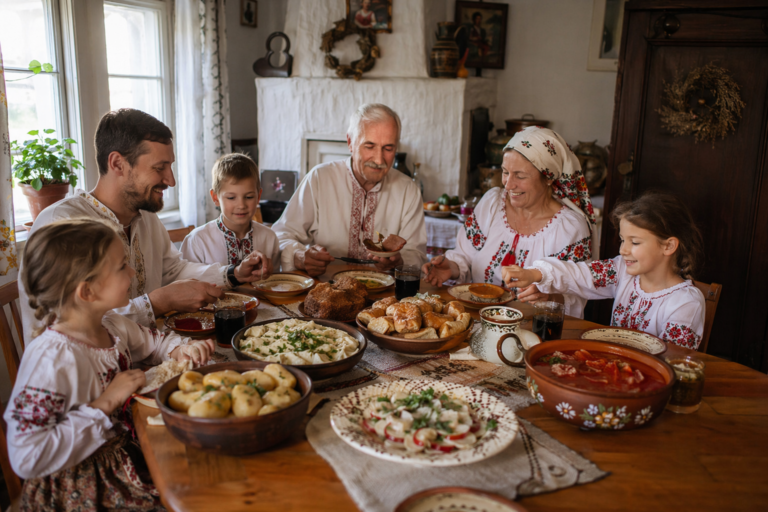
Eastern European food is loved for being hearty comfort food. It feels warm, welcoming, and is a big part of family life.
-
You will see how culinary traditions shape classic dishes like pierogi, borscht, goulash, cabbage rolls, and khachapuri.
-
Many meals burst with rich flavors from things like paprika, dill, caraway seeds, beets, cabbage, and fresh bread.
-
Sour cream is used a lot. It gives a cool touch to soups, dumplings, and stews.
-
Sweet pastries and holiday bakes also have a big place in the story of this old-world food.
Introduction
In eastern Europe, food is tied to the home. It is about meals, memories, and sitting with others. You will often see thick soups, filled dumplings, meats cooked slow, breads, and pastries. People have these for normal days and also at special occasions. If you are in Australia and want to try comfort food with a long story, this is for you. You will find meals that stand out, the main things used in cooking, and the style that shows why eastern Europe’s food feels good, easy, and satisfying.
Exploring Eastern European Comfort Foods and Culinary Heritage
Some of the most loved dishes in eastern european cooking are pierogi, borscht, goulash, cabbage rolls, and khachapuri. People keep making these because they are filling, good to eat, and packed with rich flavours.
Eastern european food is a big part of family gatherings and special occasions. Recipes often come from family and get passed down. Each house might have its own way of making them. If you want to know more about that heritage, look at the dishes people know and love, like cabbage rolls and borscht.
1. Pierogi – Polish Dumplings Packed with Flavour
If you want to try a real dish that is easy for beginners, pierogi are a good choice to start with. These dumplings from Poland come from deep roots in eastern european food and other food customs in Europe. People often make them in large amounts and then share them with others at the table.
One thing that makes pierogi easy to make is how you can choose different fillings while the way to make them stays simple. When you serve them cooked, they usually come with sour cream. This gives a cool and creamy taste next to the soft dumplings.
-
Pierogi are among the most popular dumplings in eastern european food.
-
They are tied to home cooking and family recipes given to the next generation.
-
You can pick from many fillings, so it lets new cooks try the dish without making it hard.
-
Sour cream finishes them off and matches well with their soft feel.
2. Borscht – Vibrant Ukrainian Beetroot Soup
Borscht is a great choice when it comes to vegetarian-friendly eastern European cooking. This well-known soup from Ukraine uses beets and other veggies, which give it a bright look and a taste that is both fresh and earthy. People enjoy it a lot during the winter months, as nothing beats a warm bowl of comfort food when it’s cold out.
You will often find borscht finished off with sour cream and dill. These two soften the beet’s sweetness and make the soup taste even better and more balanced.
-
Borscht is a strong option if you want a vegetable-based dish.
-
Beets, sour cream, and dill create its classic flavour profile.
-
It suits cold weather and shows that eastern European comfort food is not only meat-based.
3. Goulash – Hearty Hungarian Stew
Goulash is a great example of eastern European cuisine. It’s a classic meal from Hungary that’s known for being warm and full of good flavour. This stew brings a lot of comfort, with tender beef that has been cooked slowly so the taste gets even better.
The dish gets its rich flavours from both paprika and caraway seeds. These spices help make goulash stand out as something you won’t mix up with anything else. Many people also like to add sour cream for a creamy touch. Noodles or mashed potatoes often go with it, which makes the meal feel complete.
-
Goulash from Hungary shows the region’s love for meals built around stew.
-
Paprika and caraway seeds are important for the rich flavors you find in this food.
-
Tender beef is what makes it filling, so it’s great for a dinner with your family.
4. Sarmale – Romanian Stuffed Cabbage Rolls
Sarmale are tasty cabbage rolls from Romania. They show how eastern European cuisine comes from simple home cooking and the sharing of food ideas between places. In Romania, people make meals like this to keep the flavour strong, use every bit of what they have, and feed a lot of people at the same time.
This dish is easy but full of taste. Cabbage leaves hold a mix of beef and rice inside. It’s a good dish to fill you up and is great for both big and small gatherings. People usually scoop some sour cream on top, which goes well with it.
-
Sarmale are some of the most well-liked cabbage rolls in this part of the world.
-
Cabbage leaves, a mix of beef, and rice help make this dish feel sturdy and nice to eat.
-
This recipe is a good way to see how cooking styles in Romania look after family and use what you have.
5. Khachapuri – Georgian Cheese-Filled Bread
Among the foods that people remember right away, khachapuri stands out. This tasty bread with cheese from Georgia gets a lot of praise. That’s because it brings together fresh bread, a rich centre, and a simple kind of joy all in one. You can put it at the heart of your next meal, or serve it with something like salad and other side dishes for a more special dinner.
For those in Australia, khachapuri is a straight-up way to get how bread is a big part of different culinary traditions. It feels like something for a party, but the dish is easy enough for anyone to enjoy without too much fuss.
-
Khachapuri from Georgia is known for its generous cheese filling.
-
It pairs well with side dishes or a simple salad.
-
Its appeal comes from warm bread, comforting texture, and crowd-pleasing flavour.
Essential Ingredients in Eastern European Cooking
The main things used in eastern european cooking are simple to spot once you know what to look for. Spices like paprika and caraway, fresh herbs such as dill, and strong fresh ingredients like cabbage, beets, and cucumbers are in a lot of the dishes.
Staples like rye bread, fruit preserves, and fermented vegetables are also just as key for everyday meals. These basics make the food taste good, feel handy, and show its close link to the seasons. The next sections go into what’s in the pantry.
Common Herbs, Spices, and Pantry Staples
If you are looking for authentic recipes for beginners, start by getting familiar with the flavour base. In many eastern european kitchens, the real difference comes from a few dependable spices and pantry staples rather than complicated technique. Paprika, dill, and caraway seeds appear often and help shape recognisable regional flavours.
You can see these ingredients across soups, breads, stews, and salads. They are practical, affordable, and tied to culinary traditions that value home cooking over fuss. Saffron is far less central in the compiled dishes, while paprika and dill appear much more clearly.
|
Ingredient |
How it is used in the compiled dishes |
|---|---|
|
Paprika |
Gives Hungarian dishes such as goulash and green beans their warm flavour |
|
Caraway seeds |
Common in goulash and caraway seed rye bread |
|
Dill |
Used with borscht and cabbage rolls for freshness |
|
Rye |
Appears in rye bread, a key staple |
|
Sour cream |
Added to soups, dumplings, cucumbers, and stews |
Seasonal Vegetables, Preserves, and Fermented Foods
A lot of eastern european food uses seasonal vegetables, preserved veggies, and fermented foods. That is part of why vegetarian meals are common in this cuisine. You see cabbage, cucumbers, and beets again and again. People use them in soups, salads, roasted dishes, and stuffed recipes.
Fruit preserves are also a big part of eastern european meals. Preserves and jam-like spreads work in both daily meals and in baking for special days or when you give gifts. This way of eating shows people are close to the seasons and want to make the most of each ingredient.
-
Cabbage is used in cabbage rolls, roasted dishes, and in meals cooked like a stew.
-
Cucumbers often get served with sour cream, especially when they are picked fresh in the warm months.
-
Beets and fruit preserves—including those made with plums and with beets—show how to use produce even after the harvest is over.
Sweet Treats and Festive Desserts from Eastern Europe
Eastern European dishes are more than just savoury food. Sweet treats are just as important, especially at special occasions or during holiday get-togethers. There are all sorts of desserts, like tea cakes and nut rolls, and many of them are part of family traditions and baking fun.
You’ll find that pastries and fruit preserves bring rich flavours and add variety. At the same time, they don’t make sweet treats feel too heavy or rich. These bakes often get handed down over time, made for guests, and are part of every celebration. Here are a few classics you should know about first.
Classic Cakes, Pastries, and Holiday Sweets
If you want easy desserts to start with, classic eastern European baking has some good choices. Many cakes, pastries, and sweets for holidays come from old family recipes. People make these every year, and that shows how much they mean in their food traditions.
Some of these are simple treats you can eat any day. Others are made just for special occasions or family gatherings. Nut rolls, kolaches, mandelbrot, Russian tea cakes, and old-world cookies all show that desserts do not have to be hard. You will see pastries with fruit fillings like cherries, nuts, or sometimes a light dusting of sugar on top.
-
Kolaches are pastries that people often make for special occasions or when the family gets together.
-
Nut rolls are popular treats for the holidays and have a soft walnut filling.
-
Russian tea cakes are a much-loved biscuit-style dessert you will find at festive times.
-
Cherries and other fruit fillings are used often in old-world desserts and pastries.
Must-Try Eastern European Desserts for Australians
For Australians who want to try these sweet treats at home, the best way is to use recipes with easy steps and simple ingredients. Start with pastries like kolaches or biscuits such as Russian tea cakes. These are great if you want to get the feel of local desserts and you don’t need special skills.
You can also use breads and bakes with rye or sweet fruit fillings like plums. You will find many how-to guides online on shaping and timing, but it’s good if you stick to the easiest recipes at first. That way, you can focus on the taste, not on making things look perfect.
-
Start with pastries or tea cakes before you try bigger and more tricky festive desserts.
-
Pick recipes with plums, nuts, or soft fruity-style fillings.
-
Rye-based baking is another nice way to try out the sweeter side of the region.
Conclusion
In the end, eastern european cuisine brings a lot of comfort food and tasty dishes from a rich past. These meals show the many cultures and ways of life in europe. With pierogis and goulash, every dish belongs to a story about tradition and family gatherings. When australians cook these foods, they find new tastes and also feel the warmth of eastern europe. Why not bring this in to your kitchen now? Try these real recipes and have a good time making and eating dishes that are all about comfort and flavour.
Frequently Asked Questions
Which countries are considered part of Eastern European cuisine?
When folks chat about food in eastern Europe, they usually talk about Poland, Ukraine, Romania, Slovakia, and the Czech Republic. Sometimes, the talk gets bigger and includes Hungary, Georgia, Russia, and Bulgaria too. The food is all about what’s around, not set in stone. Many countries use the same things and cook in similar ways.
What vegetarian options exist in Eastern European cooking?
There are quite a few options for vegetarians in eastern european cooking. Borscht stands out as a good pick. It uses beets and other seasonal vegetables. You can get dumplings with veggie fillings, so they work for people who don’t eat meat. Sour cream is popular, and you’ll see it served with cucumbers, cabbage dishes, and preserved foods like sauerkraut. This cuisine isn’t just about meat. It also brings out flavours from vegetable fillings and fresh ingredients.
How can Australians try authentic Eastern European recipes at home?
Australians can try easy recipes like pierogi, borscht, cabbage rolls, or tea cakes. Start with simple eastern european cooking techniques that use fresh ingredients. Pick dishes with a short ingredient list first. These recipes are good for everyday dinners and can add something special to special occasions.