Key Highlights
-
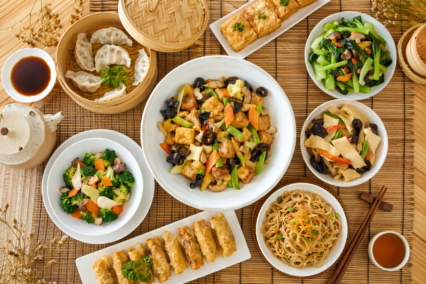
East Asian cuisine mainly comes from Chinese food, Korean food, and Japanese food. Rice, noodles, soy products, and fresh vegetables are the main things you find in these dishes.
-
East Asian food is not like southeast asian cuisine. Southeast asian food often uses coconut milk and fish sauce. The taste is more sweet, sour, and spicy all at once.
-
In Australia, the most liked east asian cuisine dishes are dim sum, hot pot, sushi, ramen, and korean fried chicken.
-
Asian food from China, South Korea, and Japan all bring their own cooking methods and the way they balance flavours.
-
Chinese tea, fermented foods, and the careful way that meals are made help support the healthy side of asian cuisine.
Introduction
Across Australia, east asian food is now a regular part of what people eat. You can find it at your local sushi bar. It is there at the busy dumpling house, the Korean barbecue, and those food courts that serve ramen and rice bowls. Many people love east asian food because there is so much to try. Some meals are light and easy, and some are strong and full of flavour that warms you up.
But there are people who still mix east asian food with southeast asian food. If you know the difference between them, you can enjoy asian cuisine even more. It can make you feel sure about what you choose when you eat asian food.
Defining East Asian Cuisine: Chinese, Korean, and Japanese Food Traditions
East Asian cuisine is about the food and cooking from China, Korea, and Japan. In these countries, people eat a lot of rice, noodles, soy sauce, vegetables, and foods that are kept or saved for later. There are also special cooking methods that help give the food great taste and feel when you eat it.
Even with these things in common, each one has its own way with flavour. Chinese food has many types from different places and uses lots of spices and sauces together. Korean food stands out for dishes with strong tastes and many things that are left to change, like kimchi. Japanese food is more about getting the right mix, making everything clear and looking good on the plate. You will see these east asian food differences in the cooking sections below.
Distinguishing Features and Unique Elements
The main features of east asian cuisine are all about balance. There is always a mix of staple food, good seasoning, and the right way of cooking. You will often see rice, noodle dishes, soy products, and fresh ingredients used in these meals. The food looks simple but is made with care. In east asian meals, both the feel of the food and its taste matter a lot.
In chinese food, there are many different styles, mostly depending on the region. You can get char siu, dim sum, wonton soup, and hot pot all at the same table. They all show another way of cooking. People use stir-frying, steaming, and braising for these dishes.
Korean food is easy to pick by its use of kimchi, chilli paste, and lots of side dishes. These all sit around one main dish to make the meal complete. japanese food is a bit different again. Sushi, ramen, and miso soup are some of the most known dishes. They show clean taste, look nice, and have a peaceful balance in every meal.
Historical Roots and Culinary Evolution
The roots of east asian food go way back. They started from long food habits shaped by trade, people moving, and always adapting. Asian cuisine did not stay the same. Over time, the ingredients, how people cook, and even what they liked to eat all changed, moving from place to place as people’s needs changed.
China played a big part in this. Things like noodles, rice meals, soy for seasoning, tea, and cooking methods such as steaming and stir-frying all spread around thanks to China. If you look at the dishes collected, like Hainanese chicken rice, char kway teow, and pad thai, you will see how the chinese way of cooking helped shape food found in southeast asia.
Japan and Korea put in their own spin, too. They brought in ways of fermenting, pickling, how food gets served, and the pattern of meals. These changes are a big reason people now know what east asian food is meant to be: all these connected food traditions have the same base but still, each country has its own style. That mix keeps shaping how people eat in Australia today.
Influence in Australian Food Culture
Walk through any big city in Australia and you will see the impact of east Asian cuisine everywhere. The tastes from Asian food have blended right into the local food scene. It is now easy these days to grab a quick sushi lunch, eat some late-night ramen, find a dumpling place, have Korean barbecue, or enjoy bubble tea with your friends. Asian cuisine is not seen as just something special anymore. It is a big part of everyday eating in the country.
The most loved east Asian dishes here include dim sum, peking duck, hot pot, sushi, ramen, bibimbap, bulgogi, kimchi, and korean fried chicken. These east Asian dishes are great for a relaxed lunch on your own or a fun meal with a group.
At the same time, there is a rise in mixing different food ideas to make fusion cuisine. Many chefs and regular cooks now put east Asian flavours into new looks with some local touches added. They keep old favourites but make them fresh to suit everyone. This mix between old styles and new ways is a big part of why east Asian cuisine, and Asian food in general, stays so liked in Australia.
Countries Representing East Asian Cuisine
When most people talk about asian food, they often think of three main east asian places: China, South Korea, and Japan. These are big names in east asian food, and each has a strong food style with popular meals that people know all over the world.
Chinese food stands out for its many types and well-known banquet and street food dishes. In South Korea, people love the bold taste and all the ways they use fermented food. Japan is known for a good balance in flavour and how they make food look nice on the plate. Together, these asian countries help shape what many Australians think of when it comes to east asian food, from easy takeaway treats to meals for a special day.
China: Regional Diversity and Iconic Dishes
China is one of the first places people think of when it comes to East Asian cooking. This is because the food there is so wide and has a big impact. Chinese food changes a lot depending on where you are, and that is one big reason why chinese food, and other types of asian cuisine, have become so big in Australia and in other places too.
Some dishes are known everywhere now. Dim sum is a favourite because the style is all about variety and sharing. Peking duck is known for its tasty, rich meat and that crisp skin people love. Sichuan dishes stand out for their strong seasoning and hot taste, which you find in hot pot and quick stir-fried food.
China is special because it has so many things to choose from. You might have a meal that is just dumplings and tea, or sit down for a big bowl of noodle soup or char siu. Sometimes it is all about bold flavours from the wok. With all this to enjoy, Australia gets to see a good mix of East Asian and asian cuisine just through chinese food.
Korea: Heritage and Flavour Profiles
South Korea is well known in the world of east asian food, and Korean food has its own feel. When you eat it, the meals have a bit of everything. You get a main plate, some side dishes, rice, sauces, and foods that are pickled or made with fermented items. This mix keeps every bite of asian cuisine lively.
Kimchi is the most famous side dish that shows this off well. It’s a good example of how fresh and fermented tastes help south korea make their asian food known for bold flavors. Chilli paste, garlic, sesame oil, and special sauces blend and give that punch of taste people talk about.
In Australia, you see that style in classics like bibimbap, bulgogi, kimchi, and korean fried chicken. These asian dishes make you feel that lively mix by offering big changes in both texture and taste. That helps korean dining stand out among other east asian food, but it still fits right in as part of the bigger world of asian cuisine.
Japan: Balance, Simplicity, and Presentation
Japan is known for being a key part of East Asian and asian food. Japanese food makes use of simple things in a good way. Instead of adding a lot to the plate, most dishes try to find the right balance, clean taste, and good looks. This way of making food helps even everyday meals feel special.
Dishes like miso soup, sushi, and ramen show what Japanese food is like. Miso soup is light, and it is also warm and nice. Sushi shows off rice, seafood, and care in making. Ramen has a deep taste with its broth, noodles, and toppings. These three all are different, but they all show skill and care.
In Australia, many people have started to enjoy this Asian cuisine. Sushi fits as a fast asian food. Ramen is a good choice for an easy meal. Japanese food is great if you want something filling that does not feel too much. This style is calm but has class, and that keeps Japan a big part in east asian food.
Comparing East Asian Cuisine with Southeast Asian Cuisine
A lot of people put all asian food together, but east asian food and southeast asian cuisine are not the same thing. They come from different places in the world, and they each make flavour in their own way. Even though some dishes share rice, noodles, and soups, the taste is often not the same.
In east asian cooking, people often use soy, things that are made by letting them sit for a bit, clear broth, and they need to be careful about how they cook. In southeast asian cuisine, the food gets its taste from coconut milk, fish sauce, fresh herbs, and a stronger mix of sweet, sour, and spicy notes. If you look at their ingredients, how they season food, and the main dishes, you can really see those differences in asian cuisine.
Key Differences in Ingredients and Cooking Methods
An easy way to say how east asian food is different from southeast asian food is by looking at what goes in and how you cook it. East asian food has a lot of soy sauce, rice, noodles, broth, and things that keep well for a long time. In southeast asian cooking, you will often get coconut milk, fish sauce, tamarind, herbs, and pastes with a lot of chilli.
You can spot this when you look at famous dishes from both sides. Pad thai, laksa, green curry, tom yum goong, and nasi lemak from southeast asian cuisine all use things that add layers of sweet, sour, spicy, and rich taste. East asian cuisine builds taste with soy sauce, tea, stocks, pickled stuff, and lots of texture.
-
East asian dishes use more soy sauce, but southeast asian food has more fish sauce.
-
Coconut milk turns up a lot in southeast asian curries and noodle soup, but much less in east asian food.
-
Steaming, stir-frying, and pickling are cooking methods used a lot in east asian food; southeast asian food also goes big on grilling and curry bases full of flavour.
-
Animal fats and broth are used more in east asian dishes, while southeast asian meals are full of herbs, sambal, and tangy sauces.
Flavour Profiles and Seasoning Approaches
Flavour profiles are a simple way to tell these two regions apart. East Asian meals try to find balance, depth, and good texture. The seasoning can be gentle to start with, but it is done with care. It often uses soy, things that are fermented, broth, vinegar, and things like garlic or ginger.
On the other hand, southeast asian cuisine stands out with much sharper tastes. You often find fish sauce, tamarind, coconut milk, chilli peppers, and fresh herbs in foods like pad thai, laksa, tom yum goong, and som tum. These pieces work together to bring a big, quick punch to the taste.
That does not mean one has to be plain and the other always strong. Both can be soft or quite bold. What really sets them apart is the way they go about things. East asian meals use sauces and cooking ways to build up flavour in layers, while southeast asian food often gets its brightness from spices, herbs, sharp flavours, and heat.
Signature Dishes Across Regions
Signature dishes make it easy to see where east asian and southeast asian food are not the same. In east asia, people usually think of things like dim sum, sushi, ramen, bibimbap, kimchi, peking duck, and hot pot. These dishes show off a lot of soy, broth, rice, and noodle ideas. Meals often have a set way of how things come to the table.
In southeast asia, you hear names such as pad thai, pho, nasi lemak, laksa, satay, green curry, hainanese chicken rice, bánh mì, khao soi, rendang, nasi goreng, and roti canai. There is a big use of fish sauce, palm sugar, tamarind, herbs, and creamy coconut in their food.
Some asian food is not hard to find in both regions, and it can mix together. Think about spring rolls, noodle soup, and rice dishes – you get these all over asia. Hainanese chicken rice is from southern china but became one dish that many people love in southeast asia as well. This kind of sharing is a big reason why asian food in australia is so good to try.
Staples of East Asian Kitchens
Every East Asian kitchen needs some main things. Rice, different noodles, soy sauce, foods kept for a long time, and veggies are at the heart of many meals. These foods are used often, they don’t cost much, and you can mix them in so many ways.
That is one reason why east asian cooking is not only varied but also feels easy for a lot of people. With the same basic things, you can make a rice bowl, a hot noodle soup, or a plate of dumplings. If you want to get to know asian cuisine better, it’s smart to start by learning about these basics.
Rice Varieties and Their Significance
Rice is a staple part of east asian cooking. You see it used as a side, topped with other food, as a main meal, and as comfort food. In many east asian homes, having a rice bowl is like having bread in other places.
There’s more than one kind of rice. Glutinous rice and sticky rice come up often in asian cuisine. Texture is important. Some rice is meant to stick together, while others stay light and don’t clump. This matters for sushi, meals you share with others, and easy home cooking.
Basmati rice is mostly tied to the indian subcontinent and south asian cuisine, not east asia. This highlights how asian cooking differs from place to place. In east asian kitchens, choosing rice is about picking the right texture, fitting the meal, and matching what people are used to.
Noodles: Wheat, Buckwheat, and Rice-Based
Noodles are another big part of what people use in east asian cooking. They can be fast to cook, great for comfort, and be used in many ways. You will see them in noodle soup, stir-fries, cold meals, and big celebrations.
Wheat noodles show up a lot in chinese food and ramen. The taste of noodle soup comes from the feel of the noodles and the broth. Buckwheat noodles bring a new taste and a lighter touch in japanese food. Korea has its own, like japchae, where noodles are the main thing people share.
Rice noodles are more linked with many southeast asian dishes we look at, like pho, laksa, or char kway teow. This is good to show where east asian noodle culture stands—wide, with lots of ways to cook, always matched with sauce, broth or how it feels in your mouth.
Soy Products: Tofu, Soy Sauce, Miso, and Gochujang
Soy products are key in east Asian cooking. People use them in the kitchen to add a deep, salty taste, or even a creamy feel without dairy. That’s why you see things like tofu, soy sauce, miso, and gochujang in many Chinese, Korean, and Japanese dishes.
Tofu is great not just for taste but also for the way it feels. It can be soft, firm, fried, cooked slowly, or put into soup. Soy sauce is used as a seasoning and as a dipping sauce you can have with plenty of foods. Miso adds a full, rich taste to soups and other sauces. Gochujang brings the sweet and spicy flavour that you get in so much Korean food.
All these soy products highlight how east Asian cooking uses layers of different flavours. Chefs do not count on just one spice or herb. Instead, they use things like fermentation and put flavours together step by step. This way, their food tastes rich and full, even if the list of ingredients is short.
Essential Ingredients in Chinese, Korean, and Japanese Cooking
East Asian cuisine is more than just rice and noodles. It uses the full range of asian ingredients in everyday meals. You get veggies, proteins, flavour boosters, and preserved foods in every dish. These come together to give the meal its taste, but the cooking does not feel too hard.
What you see a lot in east asian kitchens is that fresh ingredients are used with fermenting or dried staple food. This gives each dish more flavour and flexibility. The parts below show which staple food is common in Chinese, Korean, and Japanese cooking.
Vegetables: Bok Choy, Daikon, Mushroom, Seaweed
If you ask what fresh ingredients people use a lot in east asian cooking, vegetables are the main part of the answer. They are not just served as something extra on the side. In asian cuisine, they have a big impact on taste, the way it looks, and how the meal feels to eat.
Bok choy is found often in chinese food. You will see it in stir-fries, soups, and cooked dishes. Daikon gives a nice crunch or a bit of a mild taste in pickles, hot broths, and as a side dish. Mushroom brings a hearty flavour and works well in noodle soup, hot pot, and rice.
Seaweed brings out another side of asian cooking. It gives a taste of the sea, a deep umami flavour, and makes food look more interesting. All of this happens without needing heavy sauce. When you put together bok choy, daikon, mushroom, and seaweed, you see how east asian and asian cuisine uses vegetables for more than decorating a meal — they are basic, important parts of every dish.
Proteins: Fish, Pork, Beef, Chicken
Protein is used in many ways in east asian cooking. The most common are fish, pork, beef, and chicken. What you get depends on the type of dish, where it is made, and the cooking style. There aren’t fixed rules about what has to be served.
Pork is found in dumplings, char siu, buns, and a lot of noodle dishes. Beef is put in soups, grilled foods, and hot pot. Chicken is popular as it is used in broths, rice meals, and fried food. Fish is key for asian cuisine that needs a lighter touch and clean taste.
What really matters is how the protein is treated. Asian cooking often means the meat is sliced thin, cooked quickly, poached in water, or eaten with dipping sauce and veggies. This stops the meats from taking over the meal and keeps things balanced on your plate.
Spices and Aromatics: Ginger, Garlic, Scallions
Many east asian dishes start with fresh things like ginger, garlic, and scallions, not strong spice mixes. You see these same three used again and again, because they bring freshness, warmth, and a nice savoury feel without taking over the taste of the main food. They are the quiet touch that helps make the tasty flavours you know.
Ginger can lift up a broth or cut through rich meat. Garlic gives body and a deeper taste to sauces, marinades, and stir-fries. Scallions add a green, lively note that is good in soups, dumplings, noodles, and dipping sauce. These aromatics may look simple, but they do a lot for east asian dishes.
When you look at some southeast asian recipes in the material you have, the spices, herbs, chilli, and fish sauce might stand out and feel strong. But with east asian seasoning, it often feels more calm and careful. This does not mean the food is bland. It’s a way to make the main foods shine, while still bringing good, strong flavour.
Fermented Foods: Kimchi, Natto, Pickled Vegetables
Fermented foods play a big role in East Asian cooking. They bring salt, tang, richness, and a deep taste that fresh ingredients alone can’t give. These foods also tie the meals we eat now to long-held traditions of keeping food and getting flavour in new ways.
Kimchi is the best-known example and it’s a key part of Korean food. It gives a strong, crunchy, and sour kick to many dishes. There’s also natto, which shows how Japanese food uses preserving in its own way, with a totally different taste and feel. Pickled veggies are common in the region. People have them on the side or use them to clean the palate.
These foods do more than just season a meal. They set the feel and pace of eating. A simple bowl of rice with grilled meat and soup is lifted by kimchi or pickled veggies. They bring in a new taste, and help every bite feel fresh again.
Key Sauces, Seasonings and Condiments
Sauces, condiments, and seasonings are the base for East Asian taste. Even the most basic bowl of rice or noodles will change with the soy sauce, vinegar, oil, or paste you add. These ingredients bring out flavour with little effort.
It’s good to look at how they are used compared to other nearby styles. In southeast asian food, fish sauce is used a lot. East Asian meals often use soy sauce, fermented paste, rice vinegar, and sesame oil. Each one is important, and the way it’s used makes a big difference.
Soy Sauce: Types and Applications
Soy sauce is one of the most common ingredients in east asian cooking because it does a few things at the same time. You can use it to season a broth. It can bring more flavour to a stir-fry. It can make a marinade better, or it can even be a simple dipping sauce. Not many things are as flexible as soy sauce in asian cooking.
In chinese food, soy sauce helps noodle dishes, braised meats, char siu, dumplings, and meals with rice. Using a light or a darker soy sauce will change both the colour and taste of the dish. You only need a small amount to turn a dish from plain to full of flavour.
What is good about soy sauce is that you can control how you use it. Put it straight on food at the table, mix it into a dressing, or blend it with ginger, garlic, or rice vinegar. It is this kind of range that keeps soy sauce at the heart of restaurant cooking and in all those simple home recipes.
Dairy Alternatives: Miso, Doenjang, Mirin, Sake
East Asian food does not use a lot of dairy. You will find that many things in the pantries give the same feel as dairy does. They make things sweeter or richer without needing cream or butter. Items like miso, doenjang, mirin, and sake are used. Each one adds a bit of something different to dishes.
Miso brings a strong, deep taste to soups and sauces. Doenjang does a similar job in Korean cooking. It gives food an earthy and grown-up taste. Mirin puts a soft sweetness and a nice shine on your food. Sake helps smooth things out and gives support to different sauces or soups. Putting them together helps east asian dishes taste complete and well-rounded.
This is good because it helps with both taste and variety when you make asian cuisine at home. With these ingredients, it becomes easy to add richness using the power of fermentation, and at the same time, you keep it from feeling heavy. That is why a lot of east asian food feels nice and comforting, while still being quite clean and light.
Vinegars and Oils in East Asian Cooking
Vinegars and oils might seem like they just sit in the background, but they are a must in east asian cooking. They lift the flavour, bring out the smell of the food, and pull sauces together. If you leave them out, then a lot of dishes feel heavy or only taste like one thing.
Rice vinegar is pretty handy because it gives a soft tang and doesn’t take over the dish. You see it in dipping sauce, dressings, pickles, and for making rice. Sesame oil gives both smell and depth. It’s usually used in small bits so its nutty taste comes through clear. Even black pepper makes a difference when it’s used with key foods like these.
The big thing is to use these gently. Asian cuisine likes oil and vinegar to help out the main flavours, not cover them up. Just a few drops of sesame oil or a splash of rice vinegar can do more for noodles, dumplings, or veggies than loading in extra seasoning.
Chilli Pastes and Specialty Spices
Not every East Asian food is spicy, but chilli paste and special spices are still key. These give certain dishes their unique taste and let cooks add heat, smell, and colour in a controlled way. Instead of picking any spice at random, East Asian food goes with a paste or spice mix that has a clear job to do.
Korean food is a great example. Chilli condiments help make the big, bold flavours that people hope for at Korean places. Chinese cooking also uses chilli in its own style, especially in dishes with strong seasoning. Japanese food uses spice less often, but it really cares about getting balance and aroma just right.
-
Gochujang is a Korean chilli paste that gives heat, sweetness, and rich fermented flavour.
-
Chinese chilli pastes make stir-fries, noodles, and hot pot taste even better.
-
Chilli peppers show up more in certain regional dishes than in most Japanese meals.
-
Special spices often boost aroma and texture in Asian food instead of only making it hotter.
Classic Dishes Popular in Australia
People in Australia really enjoy eating many different East Asian dishes. You can find these in restaurants, have them for a quick lunch, or as a snack late at night. Many love dim sum, korean fried chicken, ramen, sushi, bibimbap, and hot pot. Each one is a good way to try asian food, and all have their own fans.
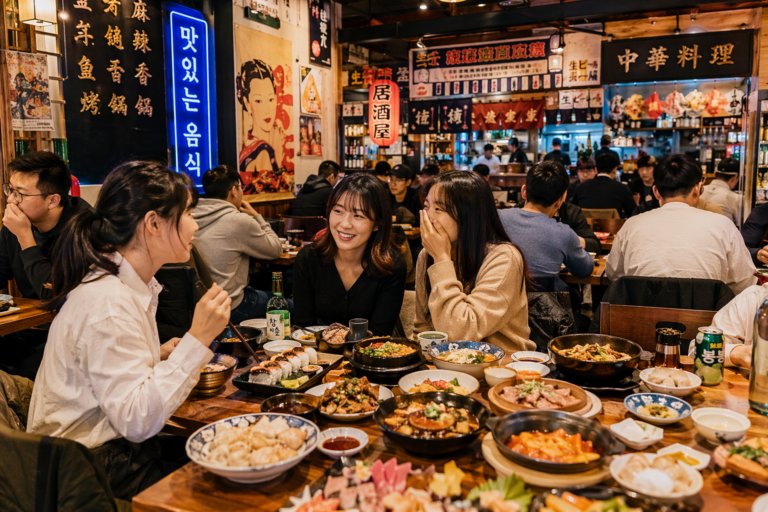
Some of these east asian dishes come from formal dining, but some are more like street food. This mix goes well with how people like to eat in Australia. You can sit down and share asian cuisine with friends, pick up takeaway to eat on the go, or try street food and market snacks. It’s a fun way to see how east asian food is now part of life in Australia.
Dim Sum, Peking Duck & Sichuan Hotpot
When people talk about the most popular dishes in east asian cuisine, these chinese food favourites are some of the first to be named. Dim sum, peking duck, and sichuan hotpot all have something special of their own, and people in Australia really enjoy them.
Dim sum is great because it is a fun and social way to eat. You get to try dumplings, buns, little rolls, and many other small plates all at once. Peking duck feels more like a treat, with its crisp skin and rich meat, so it is perfect for a special day or eating with a group. Sichuan hotpot makes the meal feel more exciting, as people cook the food themselves right at the table.
Australians enjoy these dishes because it is not only about the taste, but the whole experience. With this chinese food, you get food that can be shared, eaten together, and enjoyed in different ways. That style matches how people like to eat now and is why these classic asian cuisine dishes stay popular every year.
Bibimbap, Bulgogi & Kimchi
Korean food has become really popular in Australia, and dishes like bibimbap, bulgogi, and kimchi show this well. These meals give people a taste of South Korea but do not seem hard or strange. Each one is easy to eat, makes you happy, and you want to go back for more.
Bibimbap puts rice, veggies, sauce, and toppings in one bowl. You often see a fried egg on top. Bulgogi is marinated meat that is sweet, savoury, and soft. It suits lots of tastes. Kimchi gives that sharp, fermented bite you find in lots of korean food.
People like these meals because they feel good and give something fun at the same time. There is warmth from rice and cooked meat, and something brighter from pickles, sauces, and side dishes. For Australians, this mix means south korea’s food is easy to try but still brings something fresh and makes you remember it.
Sushi, Ramen & Tempura
Few Japanese dishes are seen more in Australia than sushi, ramen, and tempura. They fit different times and feelings, and that is why they are loved by many. One is good for a fast lunch, one is good for cold days when you want comfort, and one gives a crisp taste you can share.
Sushi is liked because it is fresh, not hard to take with you, and simple to make your own. Ramen is different, giving you a hot bowl of noodle soup that feels filling and happy. Tempura has a light batter and a nice feel, and it often comes as part of a bigger meal, not just on its own.
These dishes show which japanese food can travel well. They keep their style even when the way they are served changes to fit Australia. That is why japanese food keeps getting more popular, from takeaways you grab on the go to sit-down meals the old way.
East Asian Street Foods in Australia
In Australia, you will see east Asian street food at markets, food stalls, night events, and shopping centres. This kind of food is usually quick, easy to hold, and good for eating while walking. Bubble tea fits right in with that, even though it is a drink and not a meal.
Traditional east Asian dishes often link more with bigger meals, eating with family, or how people eat in certain places. Hot pot, a dim sum plate, or a Japanese meal served with care feels different from a snack you grab fast. Street food is all about fast service, relaxing, and making a strong first impression.
You will find that spring rolls, wonton soup, dumplings, skewers, and fried snacks change a bit to fit Australian tastes and what people want from asian food here. This does not make them less fun or good. It shows how asian food shapes itself to new places and the way people live every day.
Traditional vs. Modern East Asian Culinary Practices
East Asian food today mixes old ways with new ideas. Traditional asian cooking still shapes how we eat, with the tools, layout, and basics in the kitchen staying the same. But there are also modern restaurants. They are trying new tastes, styles, and ways to serve food.
This kind of change has happened before. Food always moved and grew because of travel, trade, and what people want, especially since the early 20th century in east Asian areas. In Australia, you can really see the mix of classic asian food and fusion dishes. The next parts will show how these two ways of cooking work with each other.
Traditional Techniques: Stir-Frying, Steaming, Pickling
Old ways of cooking still play a big part in east asian kitchens. Stir-frying, steaming, and pickling are not just old habits. They are the heart of cooking here because they work well, are simple to do, and go with the kind of food you get in chinese food and other asian cuisine like Korean or Japanese.
Stir-frying makes food quick and hot, and gives it a great texture. You find this a lot in chinese food. Steaming is good for dumplings, buns, fish, and other meals where you want the real taste and wetness to stay in. Pickling is important in all three cultures—there’s kimchi, pickled veg, or small side dishes that clean up your taste and make you want another bite.
These cooking ways show what china, korea, and japan brought to east asian and asian cuisine. They taught people to watch their methods, timing, and to balance soft and crisp. Many well-known meals still use these old styles, which is why you see a bit of old tradition, even now in new places to eat in Australia.
Contemporary Adaptations: Fusion Cuisine in Australia
Are East Asian dishes in Australia real or made to match what people here like? The truth is, most of the time it’s both. Some places stick to the old way of cooking, but others mix asian food with local ingredients, make meals quicker, or change things so more people will try it.
Fusion food is one way this shows up. You can get street eats as café meals, taste Japanese flavours in takeaway meals, and find Korean dishes with less or more spice, different serving sizes, or a new look. This does not get rid of the original way. It shows that food grows and changes with all of us.
In Australia now, changing dishes is part of doing well. The best meals keep what makes them asian food, but turn a little to fit in here. That’s why east asian food can be both comfort and a surprise. It comes from rich history, but it also fits the place and the people eating it.
The Rise of Plant-Based and Vegetarian Dishes
One big change in Australian dining is the move toward more plant-based and vegetarian meals. East Asian food fits well with this because many dishes are built on rice, noodles, veggies, fermented foods, and soy, not big cuts of meat.
Tofu is the star here. You can fry it, simmer it, braise it, or put it in soups. This makes it handy for old favorites and new menu ideas. Plant-based bowls, noodle dishes, and side plates do not lose their appeal when tofu, mushrooms, pickled veggies, and sauces bring the taste.
The trend links to health, too. Many east asian meals come with veggies, balanced portions of protein, and less use of dairy sauces. For Australians who want meat-free meals that still fill you up, asian cuisine is a great and familiar choice.
Health Benefits of East Asian Foods
East Asian foods often get linked to health because people build their meals around balance, not eating too much. You see a lot of rice, vegetables, soups, some protein, and things like fermented foods in these meals. This mix makes you feel full but not heavy.
Not every dish will be healthy all the time, but the way these meals are set out does have some good points. The balance of portions, the mix you get, and the use of preserved foods can help your body and can fit the idea of living a long life. The next parts talk about where these strengths show up most in everyday asian food.
Balanced Eating: Protein, Rice, and Vegetables
One good thing about east asian food is how well it brings balance to a meal. Most of the time, you get some protein, some rice, and also some vegetables on your plate. You can see each part with your eyes, and there is not too much sauce or too much of any one thing.
When you try asian food, you might see a rice bowl with vegetables and meat. You might get a noodle soup with greens and sliced protein, or have a meal made from different side dishes. With east asian food, you do not end up eating only lots of one part. The plate feels full, but it is the mix of everything that works.
This way of eating is good for both variety and having the right amount of food. Vegetables help add freshness and fill the plate. Rice brings you energy to keep going, and protein helps you feel full. There are many reasons why people in Australia like east asian meals. Asian food like this fits into day-to-day meals, not just when you feel like eating something out of the ordinary.
Gut Health and Fermented Foods
Fermented foods are mostly talked about when it comes to gut health, and east asian cuisine has some well-known ones. Kimchi, natto, and pickled vegetables are not just side items. In a lot of asian cuisine, they are an important part of how people eat.
Kimchi brings taste, a crunch, and the effect of fermentation to Korean meals. If you look at japanese food, you will see natto. That also comes from the tradition of fermenting. Pickled vegetables are used in many parts of the region, and they often help balance out the rich foods. You will find their role is not just about taste or culture, but being practical as well.
No single ingredient does everything. But you will see these fermented foods most of the time in east asian meals. That is one reason people link what they eat with feeling good. These foods can give you more to enjoy and make simple meals like rice, soup, and vegetables seem fresh and exciting.
Lower Meat Consumption: Longevity and Wellness
Another thing people talk about with East Asian food is that folks eat less meat. In many meals, meat is just one part, not the whole plate. The main focus is often on things like veggies, rice, tofu, and soup, so every item gets its own bit of attention. That kind of eating is thought to be good for you.
This doesn’t mean that East Asian cuisine is nearly all veggies. Meat like pork, chicken, beef, and fish are often on the table. The change is that, in east asian meals, you get these meats in smaller amounts, mixed in with noodles, side dishes, pickles, and other plant foods, instead of a big chunk of meat served by itself.
That way of eating could be why people say east asian food is good for a long life. Meals that stick to smaller portions and use things like fermented foods keep people feeling well. It also gives different things to use in each meal. For Australians who want to make changes they can do each day, this could be one of the most useful things asian cuisine has for them.
Dining Etiquette and Culture
Understanding how people eat in east Asian cultures can make a meal feel more special. In many Chinese homes, there is a lot of respect shown at the table. People do not stick chopsticks straight up in a bowl of rice, as this can mean death. In Korea, it is normal for people to share food from big plates. This helps bring everyone together and shows there is a sense of community. When there is a special day, people may give thanks before starting to eat. These small acts hold a lot of meaning for them. Following these customs adds to the taste of the food and helps people feel closer to each other. It can turn the meal into something you remember.
Chopstick Use and Table Manners
Getting the hang of chopsticks is a lovely part of eating in East Asian places. When you have a bowl of noodle soup or want to share dumplings, holding chopsticks the right way can make your meal feel better. Be sure not to point with them or leave them standing straight up in rice. People do not like that, as it looks like what is done for funerals.
How you act at the table matters a lot in this part of the world. It’s usual to let the oldest person begin the meal. Try to finish all the food on your plate, as it shows you liked the meal. Doing these things will help you show good manners. They also help you feel closer to East Asian cultures.
Family Style Dining and Shared Plates
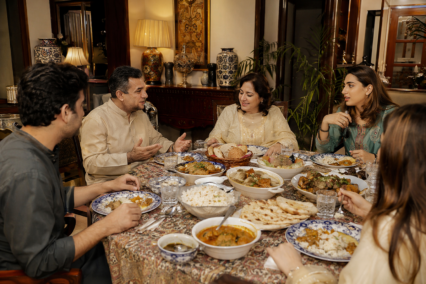
Eating together in a family style is at the heart of east asian dining. The food sits in the middle of the table so everyone can share and pick what they want. This way of eating helps people talk and connect with each other.
You might sit together with a big bowl of noodle soup or try different side dishes like kimchi or pickled vegetables. The fun comes from tasting all the bold flavors at the same time. Eating with chopsticks adds a bit of tradition too. You can pick up bites of fried rice or soft dim sum. Every meal turns into a little adventure when you share like this.
Rituals During Meals and Special Occasions
Rituals during meals and on special days show the rich mix of east asian culture. Many families in this region start their meals with a toast. It helps everyone feel closer. For special times, people cook dishes like kimchi stew or rich soup. These foods mean good fortune and wealth. Sharing food from the same plate lets everyone feel united. It gives a warm and friendly mood to the table.
On big days, there are special ways to mark the event. Families might honour their ancestors or give out foods meant to bring luck. All this makes eating together feel more special. These east asian rituals lift the meal and make everyone feel connected. It is a way to celebrate what community and traditions mean in asian cuisine.
Authentic East Asian Restaurants and Food Experiences in Australia
Trying out cultural authenticity is a fun way to get to know Asia’s great food scene here in Australia. Real east asian restaurants offer a wide mix of home-style food that can make you feel like you are eating at a market in Hong Kong or Seoul. You should check for menus that have dishes like peking duck or korean fried chicken. These meals are made using classic cooking methods and often with fresh ingredients to give the food its real taste. You can also feel part of this food world at festivals or asian markets. Here, you get to eat special street foods, try different herbal drinks, and see how asian cuisine is done the right way. These events help people enjoy and understand these tasty food ways even more.
Finding Genuine Chinese, Korean, and Japanese Restaurants
Finding real Chinese, Korean, and Japanese restaurants can change the way you eat. Try to find places that use fresh ingredients and stick to old cooking methods. This shows they care about keeping east asian food true to its roots. If the menu has dishes like char siu or japchae, that is a good sign you are getting asian food done right. Talk with the staff about what dishes come from their family. You might learn more about the way they do things. Another good way to find great east asian food is to visit local asian markets. You may find spots many people do not know, where you get the rich mix of food and culture, making every bite special.
Recognising Authenticity in Menus
Reading a menu can be a fun trip, especially when you want to get to know real east Asian food. Real asian cuisine has tried and true ingredients, like sesame oil, soy sauce, or miso. These things bring bold flavours to the table. When you see names like Peking duck or dumplings, you know the food is saying hello to its roots.
It’s good to check the cooking methods and how the food is prepared. That shows how much the place cares about its culture. If the menu is offering dim sum, Korean fried chicken or Japanese ramen all together, it means the restaurant takes pride in real east asian food. This mix gives you asian food that comes straight from tradition, and it’s what makes eating there feel good.
The Role of Cultural Festivals and Asian Markets
Cultural festivals and Asian markets are important for celebrating East Asian food in Australia. At these lively events, you get to explore the many tastes and cooking methods that come from east Asia. People will find classic dishes, like dumplings, skewers, and bubble tea, all cooked fresh as local vendors show what they can do.
Asian markets are filled with fresh ingredients, spices, and special products. This makes it easy for people at home to use what they buy and cook real east Asian meals. When people come together at these events, they can share food, have a good time, and really get what makes east Asia’s food so special. This all helps to make Australia’s food scene even more exciting.
East Asian Food in Australian Home Kitchens
Bringing East Asian food into Australian homes adds bright flavors and rich culture to every meal. Well-known dishes like fried rice, japchae, and teriyaki show basic cooking methods and use fresh ingredients that make asian food special. When you go to a local Asian market, you can find good staples, such as soy sauce and sesame oil, which help your dishes taste better. Using easy tips for preparing your food, like using proper knife skills and the right seasoning, makes sure anyone can cook real east asian food. In the end, these food moments help us all feel closer to East Asian culture at home.
Classic Recipes to Try: Fried Rice, Japchae, Teriyaki
Exploring East Asian food at home can be great fun. Fried rice is a dish you can make in many ways. Use what you have, like fresh vegetables or proteins such as chicken or prawns. Japchae is a well-known Korean dish. It uses sweet potato noodles and mixes sweet and salty tastes. It also has sesame oil and stir-fried veggies in it.
Teriyaki is easy to cook. You can use chicken or tofu with it. This way of cooking brings out the good flavours in fresh ingredients. These meals taste good, and they help you feel close to the food culture of East Asia.
Where to Shop for East Asian Ingredients
Checking out local Asian markets can be a great way to get real ingredients for your east Asian cooking. These shops are full of life and often have things like soy sauce, miso paste and sesame oil on their shelves. You will find these goods used in a lot of asian cuisine. Be sure to look at the fresh produce section too. There you can pick up things like bok choy and bean sprouts that will add colour and taste to your meals.
If you want more options, some bigger supermarkets will have an international part in the store. You can grab popular east Asian products there, too. Going to these places does more than help your cooking. It also lets you learn more about where the food comes from and what makes it special.
Tips for Cooking East Asian Meals at Home
Making east Asian food at home is good fun and can be very rewarding. You will want to get some basics first, like soy sauce, sesame oil, and fish sauce. These stand out in a lot of recipes. Learn simple cooking methods. Stir-frying and steaming are great for most meals. Try out different spices and herbs, like chili peppers and bok choy, to bring out big flavours. The way you set up your food matters. Put plates in the middle so everyone can share, which is how people do things in east Asian dining. Get excited for trying new recipes and enjoy what you make.
Conclusion
Exploring east asian cuisine in Australia brings us closer to amazing cultures and customs. You get bold flavors in korean fried chicken and warm comfort from miso soup. Every dish has a story to tell from east asia. When you share plates or enjoy group eating, you make connections and feel welcome. Let’s keep enjoying asian cuisine, as it gives us different tastes and brings people together. Appreciate these unique flavors and the ways they help us unite.
Frequently Asked Questions
What makes East Asian cuisine unique compared to other regional Asian foods?
East Asian food stands out because it uses lots of fresh ingredients and makes the flavours work together really well. People who cook this way focus a lot on making food taste nice with umami, giving us a mix of textures, and eating meals together. This makes east asian cuisine different from other asian cuisine, and gives it a rich and interesting mix of foods.
Are East Asian dishes in Australia authentic or adapted for Australian tastes?
East Asian dishes in Australia often mix real flavors with changes that fit local tastes. Some places try hard to stay true to classic east asian cooking, but many change recipes so they are good for Australian people. This makes each dish a bit different from what you would get in its home country.
Which East Asian foods are considered healthiest for everyday consumption?
East Asian food has many healthy choices you can eat every day. You can try steamed dumplings, sushi with fresh fish, kimchi, and stir-fried veggies. These foods have lots of good stuff and not much bad fat. Eating these dishes is a good way to look after yourself and enjoy great tastes.