Key Highlights
-
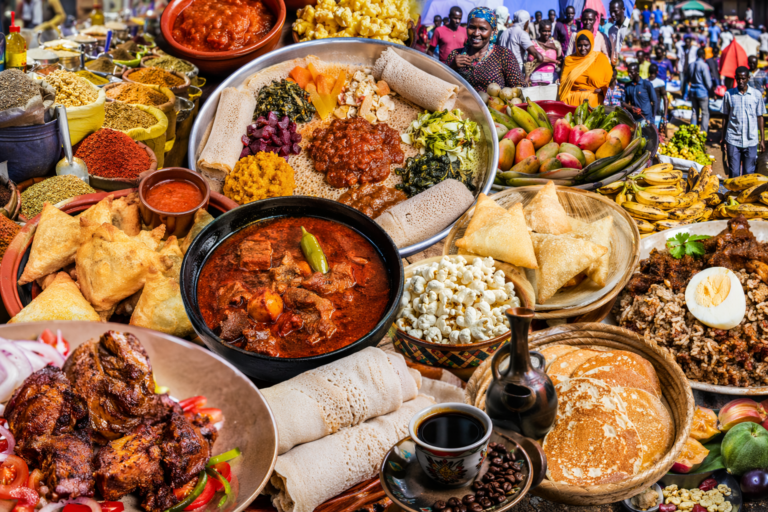
East African foods give you staple foods, taste from the coast, and spices that are bold but stay in balance.
-
You will find street food everywhere, like rolex, samosas, Zanzibar pizza, and masala chips.
-
Maize flour, rice, beans, wheat flour, eggs, and cassava leaves are in many day-to-day meals.
-
African cuisine here takes bits from local food in Kenya, Tanzania, Uganda, Ethiopia, and Rwanda.
-
Coconut milk, black pepper, chili peppers, and fresh herbs add flavour to lots of dishes.
-
Regional meals show off special foods at festivals, during family times, and in daily community life.
Introduction
East African cuisine is much more than just food to get you through a long day. In these African countries, what people eat says a lot about where they live, how they trade, and how they go about their daily lives. You will see meals made of maize, rice dishes, grilled meats, greens, and coastal foods with lots of coconut. You will also spot snacks people buy from busy streets. Some dishes are quite simple. Others have deep flavours, long histories, and bring out many old culinary traditions. If you are in Australia and want to know what people from this part of the world really eat, this guide about african cuisine will help you work out where to begin.
Essential East African Cuisine: Spices, Street Food, and Regional Specialties Australians Need to Know
Across east africa, the most well-known traditional dishes are often built around staple foods. You’ll find things like ugali, chapati, pilau, matoke, wali na maharage, and nyama choma on many tables. These meals have main ingredients like maize, rice, beans, greens, eggs, fish, and goat meat. They are foods that you can find in most places, and they fill you up well.
At the same time, the street food scene is a big part of the local food life. In markets and at roadside stalls, you will see things like rolex, samosas, chipsi mayai, mahindi choma, and Zanzibar pizza. Flavour is added with black pepper, chili, herbs, and on the swahili coast, people often use coconut milk in their food. Here are the dishes all Australians should know first about when it comes to east africa.
1. Ugali – The Beloved Maize Staple Across East Africa
Ugali is one of the most common staple foods you will find in East Africa. People in Kenya, Tanzania, and Rwanda call it ugali, but in Uganda, they say posho. To make it, you use maize flour, and sometimes millet or sorghum, and mix it into water. Keep stirring until it gets thick and firm.
Most times, you eat ugali with vegetables, sauce, meat, or fish. So, it is not the whole meal but the base for the main dish. In lots of homes, you’ll see it sitting on the table with side dishes, such as sukuma wiki or a stew. That is how maize, rice, and beans fit into East African recipes—they hold the meal together.
If you want to cook a simple version at your place, boil some water, then slowly add maize flour or mealie meal and stir until it is smooth and thick. Let it cook until it is firm and holds its shape. Serve while it is still warm, and use your right hand to enjoy it with the food around it.
2. Nyama Choma – Chargrilled Meat Feasts of Kenya and Tanzania
Nyama choma is just roasted meat, but to people in Kenya and Tanzania, it’s much more. In kenyan cuisine and tanzanian cuisine, nyama choma is one of the most loved traditional meals. You will see beef, chicken, and goat meat cooked on an open fire at street food stalls and in popular meat restaurants.
If you visit for the first time, you have to try nyama choma. It really shows the social side of eating in East Africa. The flavour is simple and smoky. It is not covered in heavy sauces. People often serve it with side dishes like kachumbari and ugali. This helps balance the meal.
What makes nyama choma special is not just the way it tastes but also where you eat it. It can be quick street food, a big meal on the weekend, or something you share with friends. If you want to see the real local flavour, this is one dish to try first.
3. Pilau – Spiced Rice Dishes with Indian and Arabic Roots
Pilau is a rice dish you will find in East Africa that shows how trade changed food on the Swahili coast. It is very popular in the coastal spots and Zanzibar. These are places where Indian cooking and links with Arabic places made a clear mark on the local cuisine. The rice in pilau is cooked with stock, meat, and some aromatic spices.
You can see this in the way pilau gets its taste. Pilau is not just plain boiled rice. The spice goes right through the grains. This is one good way Indian cooking and Arabic ties show in East African dishes. It shows up in how you cook pilau, not just in what things you put in it.
The way people cook rice across East Africa can be very different, and pilau helps show all these styles. In coastal places in Kenya and Tanzania, people use spiced rice and come up with more flavour. Other parts focus more on things like maize, beans, or green bananas. So, you see, every region has its own ways with rice and flavour, but together, they all make up what is special about African dishes from the east.
4. Mandazi – Fluffy Swahili Doughnuts
Mandazi are fried dough treats that many people call Swahili doughnuts. You’ll find them all over east Africa, and they’re a popular food for breakfast, with tea, or as a quick snack to have on the go. On the swahili coast, mandazi can be a bit sweet and soft in the middle.
Most of the time, mandazi are made using wheat flour and fried until they get a golden colour. People usually eat them plain. You won’t find much icing or heavy fillings on them. That simple taste is one of the best things about these snacks. Some desserts and baked snacks across african cuisine might include sweet potatoes, but mandazi usually use a dough made from flour.
If you’re thinking about sweet foods and desserts in east african cuisine, mandazi are at the top of the list. They sit next to things like kashata, mango with chilli salt, coconut bites, and dough treats covered in syrup. Still, mandazi are one of the most common and the easiest to spot.
5. Chapati – Flaky Flatbread Served in Every Region
Chapati is one of the most well-known staple foods in east africa. This soft and flaky flatbread first arrived with people and cooks from South Asia. Over the years, it became something that is loved in local homes. There are stories that say indian laborers and trade helped spread chapati in the region. What people care about most now, though, is that chapati is enjoyed all over.
Chapati is made from wheat flour, a bit of oil, water, and some salt. The mix is easy, but you can have it in many ways. You will find people eat it with stews, curries, grilled meat, beans, or a variety of sauces. Some like chapati just as a snack, topped with jam, fruit, or even peanut butter. Because it can go with so many foods, it has become a favourite in many homes.
When people want to know about how basic foods are used in east africa, chapati has to be mentioned. Some meals, like ugali, have maize at their core. On the coast, rice is common, but flatbreads like chapati give all sorts of homes a simple choice at breakfast, lunch, or dinner.
6. Kachumbari – Refreshing Tomato and Onion Salad
Kachumbari is a fresh salad made with tomato and onion. It brings a light and bright taste to meals that are heavy. You will usually find it next to grilled meat, chipsi mayai, or other rich foods. This salad is a big part of side dishes in east africa. Most of the time, people chop it fine and serve it cold.
The basic mix of kachumbari is quite simple. You just need tomatoes, red onions, oil, salt, and black pepper. Some people add cucumber, avocado, coriander, chilli, or lemon juice if they want more flavour. Because of this, you can match it with just about any main dish. It is good with nyama choma, roast chicken, and many other foods.
Kachumbari is not always the main item at street food stalls, but you will nearly always spot it beside east african street food. You will see it served with grilled meat, fried snacks, and egg meals a lot. It is that sharp and juicy taste which makes other foods really stand out.
7. Sukuma Wiki – Braised Collard Greens
Sukuma wiki is a popular greens dish made from collard greens. People cook it in a pan until it gets soft. You will find it in many homes in Kenya and it is also common in Tanzanian cuisine. It often sits next to ugali, rice, or meat on the plate. Out of all african dishes, this one is among the most steady and always shows up.
The way to make it is simple. You cut up collard greens and cook them in oil. Some people like to add onions, tomatoes, and a few spices. The reason people keep it easy is that food in East Africa often starts with simple things. They then use vegetable sides to fill out the meal. Sukuma wiki does this without any fuss.
So, where do things like maize, rice, and beans come in? They are usually the main food on the table. Dishes like sukuma wiki bring the colour, some crunch, and a good mix to your plate. One day you might eat it with ugali. The next day you could try it with rice or some roast meat.
8. Rolex – Uganda’s Famous Rolled Omelette Wrap
A rolex is not about watches at all. In Uganda, it means rolled eggs. This is an omelette wrapped up in chapati. People love this street food in the region because it is cheap, filling, quick, and you can make it your own. That is what makes it such a popular food.
The wrap starts with chapati. It is made from wheat flour. Then you get eggs and put in things like onions, tomato, cabbage, avocado, or sometimes minced meat. All this cooks together. Street stalls across Uganda sell them hot and fresh, ready for you to take away. It is the sort of meal you can eat as you move around.
If you talk about classic East African street food, a rolex belongs with samosas, chipsi mayai, and roasted maize. It shows how normal things from your kitchen turn into great food, all without a tricky recipe or spending a lot of money.
9. Zanzibar Pizza – Savoury & Sweet Island Street Snack
Zanzibar pizza is a street food you find on the Swahili coast. The name says pizza but, really, it is not like the pizza you know. It is more like a soft parcel made from thin dough, cooked on a pan. The dough gets crispy in ghee and holds either a savoury or sweet filling.
For savoury types, you can get egg, tomato, onion, cheese, meat, peppers, and some mayonnaise. If you want something sweet, people use banana, mango, or even chocolate spread. Coconut milk is part of a lot of coastal cooking, but with Zanzibar pizza, it is less about coconut-based sauce and more about the mixed fillings and dough cooked hot.
Anyone visiting for the first time should give this a go. It really shows off the creativity of local cuisine on the Swahili coast. Zanzibar pizza is fun, you can make it how you like, and it’s a big part of the evening food markets. If you like street food and want to try something both new and a bit familiar, this snack is one you will remember.
10. Kitfo – Ethiopian Seasoned Minced Beef
Kitfo shows just how wide african cuisine can be in the East. Ethiopian cuisine is not the same as what you first get in Kenya, Tanzania, or Uganda. This popular dish is made from minced beef. It has a strong taste and stands out from other meals with more maize or rice.
One big flavour here is niter kibbeh. It’s a type of clarified butter with spices that you find a lot in Ethiopian cooking. Even this tells you that Ethiopia brings something new to the way people cook in the region. Teff flour is also a big part of food in Ethiopia, mostly known in the flat bread called injera. But kitfo, the meat dish, is usually what people remember most.
People often want to know which countries are in East Africa and why the food is different. Ethiopia is a good country to look at. It is on the East African map, but how it uses seasoning, its type of bread, and how plates are put together help it stand out from the rest in an exciting way.
11. Isombe – Rwandan Cassava Leaf Stew
Isombe is a stew that’s well known in Rwanda and other places close by. Its main ingredients are cassava leaves, spinach, onions, tomatoes, eggplant, garlic, coriander, groundnuts, and peanut butter. When it all comes together, the taste is deep, earthy, and much richer than you might think from just reading the main ingredients.
This dish shows that meals in East Africa are not just about grains. People in the region do eat maize, rice, and beans a lot, but stews made from leaves are also important. Isombe is usually eaten with staple foods, not by itself, which is a common way to enjoy meals there.
What stands out about Isombe is the rich flavour that comes from using simple things. Some people even add stock made from boiled beef bones to give the stew a deeper, savoury taste. In Rwanda, this kind of cooking reflects the way many cook at home—making sure that texture, nutrition, and taste all come together in one meal.
12. Wali na Maharage – Rice and Beans from the Coast
Wali na maharage just means rice and beans. That simple name is why this meal matters to so many people. You find this rice dish up and down the swahili coast and in other parts of Tanzania, and it’s the kind of food people eat every day. It’s good, gives comfort, and it doesn’t cost much to make. Sometimes, the best meals are the easy ones.
People often cook the rice with coconut milk. This makes it taste smoother and gives it a fuller flavour. The beans you get are usually kidney beans. When you put it all together, this is a great example of how the food in East Africa is built around staples. Rice fills you up, kidney beans give you protein, and anyone can have this meal.
If it’s your first time here, give wali na maharage a try. You’ll get to taste local food that people really eat. It’s not fancy, but it’s honest, just like the people on the swahili coast. You get simple stuff, a rich but easy flavour, and a dish that makes you feel at home.
13. Chipsi Mayai – Tanzanian French Fry Omelette
Chipsi mayai is known as one of the top Tanzanian cuisine dishes that most people find easy to like. This omelette uses french fries and eggs, the whole thing gets cooked as a big, thick circle. You will see it in the local cafés, street food spots and other small places to eat.
The reason people go for it is clear. It’s hot, it fills you up, and feels familiar. You can eat it with kachumbari, some hot sauce or even ketchup. Even if it seems easy to make, it stands out as a popular food choice tourists remember about their time in Tanzania. This street food can be a bit greasy, but many say that makes it better.
If you want to know what street food you will see across east africa, chipsi mayai is up there with rolex, samosas and roasted maize. This food shows how people in the region can take simple things and turn them into much-loved street food with big local flavour.
14. Matoke – Stewed Green Plantains
Matoke is one of the most well-known traditional dishes in Uganda. You will spot it often across east africa as well. The dish uses green bananas that are steamed and then mashed. It comes out soft and not too strong in flavour, so it feels like great food when you eat it. These green bananas are not as sweet as the yellow ones, so this meal is more of a savoury dish instead of something you eat for dessert.
In many homes, matoke can be at the centre of the table. Sometimes, though, people have it as one of their side dishes, depending on what else is for the meal. You see this dish a lot in rural areas, where it is easy to find green bananas and people know how to use them well. That everyday, local touch is part of what makes matoke such a favourite.
If you want to talk about the top african cuisine or think about the most loved traditional dishes in east africa, matoke is always on the list. Even if it might seem simple, it has big national importance in Uganda. Matoke gives you a good look at how the people there make the most out of what they can grow, showing just how much they value their usual plant foods.
15. Samaki wa Nazi – Fish Cooked in Coconut Sauce
Samaki wa nazi is a fish dish cooked in a sauce made with coconut milk. It comes from the Swahili coast, and it is one of the best dishes you can try there. People sometimes call it Zanzibar fish curry. The dish is not too spicy. It smells good and is commonly served with rice and vegetables. If you like seafood, this one will be easy for you to enjoy.
You can get the fish as fillets or cut-up pieces cooked in the sauce. Sometimes, there is a whole grilled fish with the curry served on the side. Coconut milk makes the taste soft and smooth. Some people use king fish in samaki wa nazi, but the fish can change based on what they can get on the coast.
If it is your first time visiting, samaki wa nazi is a good pick. The dish shows off East African coastal flavours without being too hot. You will also notice that the style of food here is based on the ocean, and it is very different from food in southern Africa and other places across the continent.
Exploring Key Spices and Flavour Foundations in East African Cooking
East African cooking is not as hot as some think, but it is full of flavour. The food often has spices that are used for a reason. In the region, you will find aromatic spices in things like rice dishes, teas, fried snacks, and grilled meats. Black pepper and chili peppers are also there on almost every table and get added to food at the end.
On the coast, there are spice blends because of old trade links. When you move inland, people use fewer spices, but they still add a lot of taste. There is a mix of fresh heat, sweet taste, and good savoury flavours. To really know what the food is about, you have to look past just one meal and see how the spices, herbs, and different outside ideas come together.
Berbere, Pili Pili, and Other Signature Spice Blends
East African food uses spice in a range of ways, and it depends on where you are. Some meals build up taste during cooking, but others use sauces and extras added at the table. That variety is the big reason why no single blend sums up the whole area. Even so, a few names keep popping up.
Pili pili is one of the best examples. It is a hot sauce made with chillis, peppers, lemon, garlic, and oil. You often see it on restaurant tables for anyone who likes extra heat. Berbere shows off Ethiopian seasoning and is a good way to see how one country can bring a different, bold taste.
Here are a few key spice ingredients you’ll want to know about African food:
-
Berbere: a main Ethiopian spice blend, known for its strong, warm heat.
-
Pili pili: a sauce made with chilli, which brings sharp fire to many dishes.
-
Black pepper: found in salads, tea masala, and savoury meals.
-
Chili peppers: used fresh, dried, or mixed in for extra kick.
The Role of Fresh Herbs and Aromatics
Not every flavour in East African food comes from dry spice. Fresh herbs and other strong-smelling things do a lot in the cooking. Onions show up all the time. You see them in salads, stews, rice meals, and fried snacks. Coriander is common too. It is in kachumbari, masala chips, and cassava leaf meals.
Lemon juice gives a bit of brightness when the food feels heavy. You can taste it in fresh salads, chilli sauces, and even on maize that you get by the road, covered with citrus and heat. Garlic, ginger, and tomatoes help make the base for many sauces and cooked food, even if the list of what goes in is not long.
These little things matter because they make the food feel lively. A special occasion dish might use a lot of spice and have more layers to its taste, but everyday meals still need fresh herbs and strong tastes to feel right. If you want to get East African cooking, keep an eye out for those small touches that show up again and again.
How Indian and Arabic Influences Shape East African Flavours
East African food along the coast has a long history of trade and mixing with India and the Arabian Peninsula. You can find these culinary influences in meals like pilau, biriyani, chapati, samosas, and mandi-style dishes. These foods are not simple copies. They came from other places but now, they are changed by local ways and local ingredients.
Indian cooking brings flatbreads, new ways to cook rice, fried snacks, and lots of aromatic spices to these meals. Arabic roots are strong in rice meals, how they cook meat, and what they serve for big events. Along the Swahili coast, you see all these styles meet local things like coconut milk, seafood, and other produce from the area. This mix creates food that is both familiar and special to the region.
That’s what makes East African flavours so full and rich. At one meal, you might eat chapati, spiced rice, grilled meat, crunchy salad, and a sauce from the coast. Trade did not take away the old food habits. It added new parts and gave people on the Swahili coast the tools to make something truly theirs.
Must-Try Street Foods and Snacks Across the Region
Street food is one of the best ways to get to know African cuisine. It’s simple, not too pricey, and part of daily life. You’ll spot street vendors at markets and bus stops, selling food that locals have all the time. These are not just dishes for visitors. That’s what makes street food a good way for your taste buds to try something new.
You should try some classic options. There are samosas, mahindi choma, masala chips, rolex, chipsi mayai, and Zanzibar pizza. Each one has its own thing going on. Some are crunchy, some are smoky, some are spicy, and others use soft bread or eggs. Here are three more street food favourites Australians might like to know about.
Samosas – Spiced Pastries on the Go
Samosas are one of the top snacks you will see sold by street vendors in east africa. You can spot these small, triangle-shaped treats everywhere. People sell them in shops, at the beach, in restaurants, and from roadside stops. They are easy to hold, quite filling, and perfect to eat while you walk around. That is why you find so many people picking them for a quick bite.
The pastry is made with wheat flour and gets filled with things like meat, fish, vegetables, or even a bit of everything. The mix of spices gives these samosas their good taste, but things like how spicy they are will depend on who makes them. While samosas have a clear link to Indian food, now you can see how east africa has put its own flavours and style into them.
If you want to talk about top classic street foods in east africa, you have to include samosas. They are simple to carry, nice for first timers, and their taste brings out how every dish picks up a bit of history and local life.
Mahindi Choma – Roasted Maize Eaten Streetside
Mahindi choma is roasted maize you can buy by the roadside or in busy places. It is one of the simplest types of street food, and you see it everywhere in both towns and rural areas. The maize is cooked over open heat, and you get it ready to eat right there.
Maize is one of the main ingredients people use in this region, and that is why mahindi choma is important. Maize meal is used for ugali or maize porridge in different times, but when you roast whole maize on the cob, it is quick to make and great as a snack. Some people eat it plain, and some like to add butter, lemon, or chilli if they want.
Mahindi choma is a true classic East African street food and says a lot about what daily life is like. It does not cost much, you can take it with you, and it links back to what people grow or eat at home. Not every snack has to be made with a long recipe to be good, and this snack proves that point.
Masala Chips – Spicy Fried Potato Favourite
Masala chips are a well-known street food, especially liked in Kenya. They are just what you think they are—chips covered in a spicy tomato masala sauce. These chips are bold, a bit messy, and made for those who do not want plain fries. You cannot really walk past them when you see them as street food.
The sauce for masala chips is made using tomato, some spices, and herbs. People then put in extras like coriander and chopped chilli. You can find black pepper and chili peppers in there too, and these give the chips extra kick if the cook wants. The taste is strong but you do not have to use any fancy or expensive ingredients.
If someone is talking about classic East African street food, you should mention masala chips. They show how people in the area like to use what they have and add their own touch. Chips are found all over the world, but with this sauce, spice, and topping, they become something people in Kenya call their own. You will see this change in a lot of street snacks in towns and cities.
Regional Differences and Cultural Celebrations in East African Cuisine
East Africa is not about just one way of making food. Each country has its own taste. Even local places and coast towns can have food that is not the same. For example, Kenya, Tanzania, Uganda, Ethiopia, and Rwanda all have foods, ways to make the dishes, and different culinary influences. You will find different staple foods in each.
Food is not only for eating every day in these african countries. Meals also play a big part in weddings, festivals, and any time the community gets together. When people get together, certain foods show hospitality, stay in people’s memory, and help to mark a celebration. If you want to see this, start by looking at how countries in east africa are different. Then look at how food is used at special times.
Country-by-Country Highlights: Kenya, Tanzania, Uganda, Ethiopia, Rwanda
The countries most clearly highlighted in this guide are Kenya, Tanzania, Uganda, Ethiopia, and Rwanda. Each one belongs to East Africa, but the food differs in visible ways. Coastal Tanzania leans into coconut and spiced rice. Uganda is strongly linked with matoke and rolex. Kenya is known for nyama choma and everyday staples.
Ethiopia stands apart through Ethiopian cuisine, with distinct seasoning traditions such as berbere and dishes like kitfo. Rwanda brings foods such as isombe and brochettes, showing links with nearby Central Africa as well. These contrasts matter because East African regional cuisine is shaped by geography, trade, and local crops rather than one fixed template.
|
Country |
Well-known foods and style |
|---|---|
|
Kenya |
Nyama choma, chapati, sukuma wiki, kachumbari, masala chips |
|
Tanzania |
Pilau, chipsi mayai, wali na maharage, samaki wa nazi, Zanzibar snacks |
|
Uganda |
Matoke, rolex, posho, everyday banana and chapati dishes |
|
Ethiopia |
Kitfo, berbere, niter kibbeh, teff-linked food traditions |
|
Rwanda |
Isombe, brochettes, ugali-style staples, cassava leaf cooking |
Food Traditions During Festivals, Weddings, and Community Gatherings
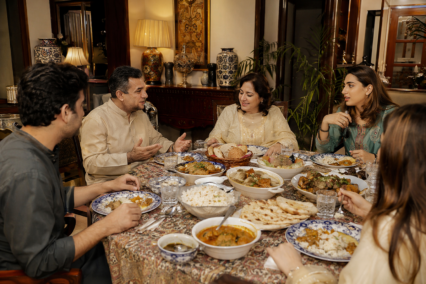
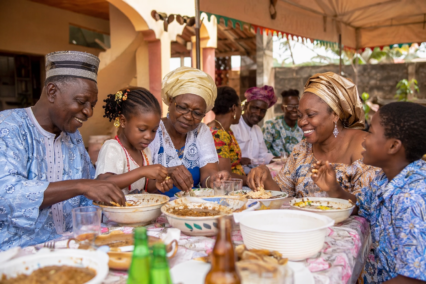
Food in East African culture is much more than just eating. The food helps make a special event into something everyone can enjoy together. At festivals, weddings, and when people come together, you will find meals that are made to feed many, feel welcoming, and bring people closer. Sharing a meal here means you greet people with more than words.
Some foods stand out when it is a special occasion. For example, local cuisine like beef pilau is a favourite on big days, such as weddings, festivals, and Friday family visits. This shows that food is not just about the taste. It shows care, makes people feel included, and lets others know who looks after the group.
These ways of cooking and eating together help people remember the past. People know what they will eat at certain times, and that makes each gathering mean more. Classic foods—like spiced rice, roast meat, or shared bread—become part of the event. So, thanks to these culinary traditions, food brings the community together and gives each special occasion its own feel.
Conclusion
To sum up, East African cuisine brings a mix of lively tastes and long-standing traditions. The food is full of spices, classic dishes, and street snacks that Australians really should try. There’s nothing like the comfort of Ugali or the smoky smell of Nyama Choma. Every dish has its own story, filled with meaning and a rich food history. Whether you go for Mandazi or get into the many spices in this region, trying East African food is a real treat for your taste buds.
If you want to explore more, look around for places that serve real African food or go to food spots that focus on African cuisine. Try new things and enjoy how each bite brings people together and opens you up to big flavours.
Frequently Asked Questions
What are some easy East African dishes Australians can cook at home?
Good starting points are ugali, chapati, wali na maharage, and sukuma wiki. These are african dishes that use staple foods and simple methods. You can try fish with coconut milk sauce if you are after something from the coast. For easy recipes, collard greens and rice with beans are good and not hard to make.
Where can I find authentic East African restaurants or food experiences in Australia?
Search for East African or Swahili places to eat in big cities in Australia. After that, look at their menus to see if they have chapati, pilau, nyama choma, samosas, or mandazi. You can also find African food and street food when there are community festivals and market pop-ups. Reviews and local food pages will help you get good, popular food.
What desserts and sweets are popular in East African cuisine?
Mandazi are some of the most well-known sweets in African cuisine. You make these fried snacks with wheat flour. People often eat them plain. This is a popular food you will find in many homes. Other sweet treats in African cuisine are kashata, coconut bites, syrupy dough snacks, and mango served with chilli salt. In some spots, sweet potatoes are used in baked or fried snacks too.