Key Highlights
-
Dagestani dishes from the North Caucasus are full of flavour, easy to make, and made to feel good.
-
Khinkal is the national dish. It comes with broth, meat, and garlic sauce.
-
People love their breads and pastries like chudu, chebureki, and other tasty favourites.
-
Lamb, dairy products, wheat flour, and fresh herbs are in many meals every day.
-
For sweet treats, the people often use honey, nuts, dried apricots, and local fruits.
-
Different peoples in Dagestan give the food its big mix of flavours and its unique character.
Introduction
Dagestan cuisine brings the taste of mountain life, strong flavours, and food that fills you up. This type of food comes from the North Caucasus. In Dagestan, many groups live together, and you can see that mix when you eat their food. There are big meat meals, hand-rolled dough, fresh herbs, dairy foods, and drinks made from local fruits. The way they cook is simple and straight to the point. The recipes are all about good flavour, not making things fancy for no reason. If you want to learn about a place through its food, Dagestan cuisine is a good place to begin.
Dagestani Food Guide: Discover Hearty North Caucasus Dishes and Traditions
Dagestani food brings meals that are big, warm, and full of comfort. In this national cuisine, you often see lamb, broth, dough, cheese, and fresh herbs used in tasty ways. Some of the most loved traditional dishes are khinkal, kurze, chudu, shashlyk, and zhizhig-galnash.
Dagestani cooking stands out because different peoples from the region add their own touches. Each one brings new habits, fillings, or ways to serve dishes. This is why the traditional dishes of Dagestani food have something that brings them close together but still stay unique in their own way.
1. Khinkal – The National Comfort Food of Dagestan
Khinkal is seen by many as the national dish of Dagestan. This dish is all about family meals and being a good host. It’s not the same as Georgian khinkali. Khinkal is made from boiled pieces of dough, with the meat and broth served on the side.
In a lot of homes, lamb is cooked slowly until it’s soft and gives a rich broth. The dough is usually made with wheat flour. In avar khinkal, the dough may have yogurt or kefir in it too. That helps it puff up when it boils. The dough is cooked in the same pot as the meat so it can pick up all those good flavours from the broth.
When it’s time to eat, the pieces of dough, meat, and broth are put on the table but kept apart — not all mixed together. You dip the dough into garlic sauce, or sometimes into sour cream. Some people also pour melted butter on top for even more flavour.
2. Kurze – Juicy Meat Dumplings
Kurze are one of the most loved dumplings in Dagestan. People make them with care, often shaping them like a teardrop or with a braid. This helps hold in the juicy filling. If you like dumplings that are packed with flavour, you should try these.
The dough for kurze is simple and thin dough is the key. It is made from just flour, water, and salt. Then, the dough gets cut into small rounds. Cooks put ground meat, often lamb or mutton, inside. They also mix in herbs, seasoning, and black pepper. The black pepper gives it a small bite but lets the taste of the meat shine through.
After the dumplings are sealed, kurze get boiled. They are ready when they float to the top. People eat them hot, usually with garlic sauce, yogurt, or sour cream on the side. Kurze are one of the most popular and traditional dishes in Dagestan. They are good because they are both practical and very filling.
3. Chudu – Stuffed Flatbreads
Chudu is a well-known flatbread in Dagestani food. It is thin and cooked in a dry pan or dry frying pan. People fill it and fold it, so you can have it as a snack or a meal. For many, this is a good example of mountain cooking that happens every day.
There is a big variety of fillings for chudu. Sometimes they use minced meat and spices. Other times, people use pumpkin, greens, or cottage cheese. You will often find fresh herbs in there as well. Wild garlic shows up in some regions, which means every chudu is a bit different.
The dough is rolled out thin, then filled, sealed, and cooked on the pan until it turns golden brown. When it is done, it is brushed with melted butter. If you want to know what types of bread are part of traditional Dagestani food, chudu is right at the top.
4. Shashlyk – Grilled Meat Skewers
Shashlyk is loved by people all over the Caucasus, and in Dagestan, they make their own strong take on this grilled meat dish. If you are in Australia, you might think it is like a barbecue, but here it is all about the skewers, the smoke, and simple seasoning.
Lamb is picked most of the time, but mutton is often used as well. They cut the meat into chunks and leave it in a marinade for hours. This helps the meat soften and get lots of taste. The main things in the marinade are onion, salt, and black pepper. Some people also add a bit of paprika. When it is ready, the meat is put on skewers, sometimes with tomato and onion.
It is then cooked over charcoal or wood on a mangal. This gives it a smoky taste that people look for in a shish kebab. Served hot, shashlyk is the go-to choice for traditional dishes when friends and family get together. People enjoy it a lot at celebrations and when eating outside.
5. Kaurma – Slow-Cooked Lamb Stew
Kaurma goes well with the filling side of Dagestani food. It is a stew that uses lamb as the main thing. The meal is all about pieces of meat cooked for a long time until they turn soft. The point is to let the meat soften and mix with the broth nicely.
People who want meals that warm you right up from inside will like this style of slow cooking. The way this stew is cooked means the lamb’s flavour can grow strong without too many things added. You will taste the bay leaves. They give the broth a light, tasty touch that is not too much.
This lamb stew is a good example of how mountain food is made in Dagestan. It uses basic, everyday things and turns them into something deep and comforting. If you talk about popular traditional dishes in Dagestani food, kaurma should be there. It shows that this cooking is about real food with good chunks of meat, cooked for a long time, with care and not too much fuss.
6. Urbech – Nut and Seed Paste Spread
Urbech is a sweet treat from Dagestan that stands out from others. It is a thick paste made by grinding raw nuts or seeds. Their oils help make it smooth. The idea is simple, but the taste is rich, and there is lots of energy in it.
Flax seeds are often used to make urbech. But there are various types of seeds and nuts like sunflower seeds, almonds, walnuts, and apricot kernels. Each one gives urbech a new flavour. It can be earthy, creamy, a bit bitter, or nutty.
You can eat urbech on bread, by itself, or mix it with honey and melted butter for a sweet sauce. That mix is nice spooned over porridge. If you want sweet treats and traditional Dagestani desserts that are not like normal pastries, urbech is a good way to start.
7. Bakhukh – Dried Apricot Porridge
Bakhukh is not as well known, but it’s a special part of Dagestan’s sweet treats. This apricot porridge is a good example of how dried fruit can make simple, tasty food without much trouble. That fits well with the food traditions where the things you need are often already in your home.
Bakhukh uses dried apricots. This gives it a strong fruit taste and natural sweetness. You end up with a soft dish you can eat with a spoon. It feels both filling and welcoming. Because the national cuisine of Dagestan is usually full of meat, dough, and dairy, bakhukh gives you something a bit lighter.
If you want to know about old-style Dagestani desserts, bakhukh stands out. It makes the most of local fruit ways without being over the top. It is direct and gives you what you need. This tells you a lot about how sweet foods work in this part of the world.
8. Zhizhig-Galnash – Meat and Handmade Noodles
Zhizhig-galnash is one of the classic traditional dishes in Chechen and Dagestani food. The name tells you what it is – meat and noodles. That simple idea fits the food well. The dish is filling and made for sharing with people. It uses just a few things done the right way.
To cook it, the meat is often lamb or beef. This goes in a pot with bay leaves and some seasoning. You boil everything until the meat is soft. The water left from cooking turns into a tasty broth. After that, you add dough pieces or handmade noodles to the same pot. They soak up all the flavour. The shape of the dough can change, so each pot has its own feel.
When it’s time to eat, the meat and noodles sit together on a big plate. You get bowls of hot broth with it. Garlic sauce is normally on the side, and some people like to add vinegar for more punch. Zhizhig-galnash is still so popular since it is good to share and simple to make.
9. Khingalsh – Cheese-Filled Pancakes
Khingalsh is kind of like both a flatbread and a stuffed pancake. This makes it something people like if they want baked food that has a soft inside. In Dagestan and the places near it, you will find khingalsh as a comfort meal. Folks eat it while it is hot, right from the pan.
The dough has wheat flour in it. Most times, there is kefir or some other type of dairy put in to keep it soft. Pumpkin is the filler most people use, but you will find cottage cheese filled pancakes too. The fresh cottage cheese can be mixed with herbs, and this gives the filling more flavour.
When you put the filling in and fold it to make a half-moon, khingalsh gets cooked until both sides turn golden brown in the pan. To finish, melted butter is brushed on top. Sometimes, people who want a richer taste use mutton fat. If you are looking for old-style breads or baked food, khingalsh will be a good pick.
10. Suluguni – Fresh Dagestani Cheese
Suluguni is often tied to Georgia, but fresh, salty cheeses like this are also a big part of eating in Dagestan. In day-to-day meals, you can see that dairy products mean a lot.
Dagestani cheese can be soft, like fresh cottage cheese, or a bit firmer with layers. People have it at breakfast with bread and herbs. It also gets baked into pastries and used as a filling for main dishes like chudu and khingalsh. Because the cheese holds its shape, it can go in many meals.
If you want to know the main ingredients in Dagestani food, you will see cheese up there with wheat flour, lamb, herbs, and sour cream. Suluguni and cheeses like it bring a salty and tangy taste. This helps go well with other, heavier main dishes.
11. Halva (Xalva) – Traditional Sweet Treat
Halva in Dagestan is not the same as the sesame kind you get in the Middle East. In this place, it is made with flour, butter, and sugar or honey. These are cooked together until you get a thick, rich mix that is ready to cool down and set.
People often put in walnuts or sunflower seeds for more taste and a bit of crunch. The flour gets some careful cooking first. Sometimes, it goes in a dry pan before everything gets mixed and left to cool. When the halva is set, it is cut into neat pieces, ready for parties or family get-togethers.
Out of all the sweet treats you can have in Dagestan, halva stands out as an old favourite. It is simple, gives you energy, and easy to pass around. It does not use fruit or act like a fruit juice drink, but you still see the same home-style touch found in a lot of their food. If you want a classic for dessert, halva is a good choice.
12. Chak-chak – Honey Pastry Snack
Chak-chak is one of the most well-known sweet treats you can find in Dagestan and the areas around it. It is golden brown, a bit sticky, and simple to share, so people put it out at parties, family times, and on snack tables.
The dough for chak-chak is cut up into small pieces. Then, these pieces are fried until they turn golden brown and get crisp. After frying, you coat the pieces in hot honey syrup to hold them together. Some people also add nuts or dried fruit to give the sweet a bit more bite and taste.
Because you can pull it apart and eat it with your hands, chak-chak is good as both a snack and a dessert. If you want to know if there are street foods or sweets you can carry around in Dagestan, this honey pastry is a great example. It is full of fun, easy to use, and made for everyone to share.
13. Chebureki – Crispy Savoury Pastries
Chebureki are a favourite when you want something hot, filling, and easy to eat. You can find these savoury pastries in many parts of the Caucasus and eastern Europe. In Dagestan, they are part of people’s everyday snack life.
The pastry uses an unleavened dough made of flour, water, and salt. You roll it out thin, then add the filling, fold it over, and seal it so it forms a half-moon shape. The most common filling is ground meat with onion, salt, and pepper. This mix keeps the inside nice and juicy, and the outside goes crisp when cooked.
Chebureki are not made like chudu, which are cooked in a dry pan. Instead, chebureki are fried in hot oil until the outside is crisp and has blisters on it. If you don’t eat meat, you can fill them with cheese, potatoes, or beans instead. If you want to try traditional bread and baked treats, chebureki are a good way to see the fried side of Dagestani cooking.
14. Nogai Tea – Aromatic Local Beverage
Nogai tea shows that drinks be just as important as food in Dagestan. It stands for real hospitality here and is seen as a local or national drink, especially by the Nogai people. When you share a cup, it can mean someone is very welcome and at home.
One way to make it is to use black tea with milk, butter, salt, and mountain herbs added. This gives it a savoury taste instead of a sweet one. It can catch people out if it is their first go at nogai tea. But, it matches well with the way of eating and drinking in the region, which is all about getting what you need to keep going. The taste is strong and stands out.
People use the word nogai tea to talk about other herbal teas too. These might be made from wild mint or thyme picked from the Caucasus mountains. As well as nogai tea, folks drink fruit drinks too when the weather gets hot. While nogai tea is not the main dish on the table, it is still one of the most unique and loved parts of a Dagestani meal.
15. Baklazhany – Eggplant Salad
Baklazhany is a good example of Dagestani food that can still be filling without meat. It uses fried eggplant and can be an appetiser, side dish, or a light meal. So, if you want something vegetarian, this dish is easy to like.
The way you make it is by slicing the eggplant, adding some salt, and frying it until it turns soft and golden. This gives it a soft feeling that goes well with tomatoes, garlic, and a variety of vegetables that people use in Dagestani dishes. Fresh herbs, like coriander, help lift the flavour and stop the dish from being too heavy.
You can add some black pepper for a bit of warmth, but what makes it stand out is the mix of softness, fresh flavour, and garlic. If you are after vegetarian or vegan Dagestani food, baklazhany is a top pick. It uses simple, everyday produce, fresh herbs, and brings good flavour without too much fuss.
16. Manty – Steamed Meat Dumplings
Manty brings another type of dumpling to the Dagestani table. This one is different from boiled dumplings like kurze. Manty are steamed, so the outside is softer and the inside stays juicy. These are loved by the people for the mix of dough and meat.
The filling is usually ground meat, like lamb or beef. It has simple seasoning. But people can use a variety of fillings, based on what they have at home or what they like. This makes manty a traditional dish that people know well but can change a bit each time.
When you steam them, the filling keeps its moisture, and the dough stays soft. Because of this, manty is a good choice for both family cooking and meals you share with friends. If you ask about good, popular traditional dishes in Dagestani food, you’ll hear names like manty, khinkal, kurze, and chudu.
17. Gozinaki – Nutty Honey Bars
Gozinaki is a basic dessert made from two things people in the area use a lot: honey and nuts. It is sweet, keeps its shape, and you can cut it into pieces easily. This makes it great for special events and for making at home.
The nuts are often toasted first, sometimes in a dry frying pan, so they get more taste before mixing with warm honey. After mixing them together, you spread the mix out, let it cool down, and then cut it into pieces or bars. You will find it crunchy, a bit sticky, and full of flavour, but it is not hard to make.
If you are looking for traditional Dagestani sweet treats, gozinaki is a good option. It shows the same simple style as halva and chak-chak. These sweet treats use only a few things and need a gentle touch, not lots of fancy looks. That fits right in with what local people like to eat.
18. Ayran – Refreshing Yogurt Drink
Ayran is a drink that goes well with rich Dagestani meals. It is made from yogurt, and it’s a part of the same group of dairy products you often see in this cuisine. After eating big meat meals or fried pastries, that cool taste just makes sense.
The drink is simple and handy, much like the local food traditions. It has a tangy taste a bit like sour cream, but it’s lighter and made to drink. Served cold, it helps give balance to dishes with lamb, dough, or grilled meat.
Ayran might not be one of the main dishes, but it is a common drink alongside them. When you want to try the most popular foods from Dagestan, it’s good to also look at the drinks. These drinks round out the meal and are just as important as what’s on your plate.
Essential Ingredients and Flavours of Dagestani Cuisine
In Dagestani cooking, the main foods are easy to spot when you pay a bit of attention. Lamb is the star here. You will also find grains like wheat and rice, with many dairy products and lots of fresh herbs. All these things show up in soups, dumplings, bread, and sauces.
A variety of vegetables are there, too. People often use pumpkin, tomatoes, eggplant, and greens. The cooking is mostly simple. This lets each food item have its own taste. If you want to understand this food, it helps to look at each group one at a time.
Grains, Dairy, and Fresh Vegetables
Grains and dairy products form the base of many Dagestani meals. Wheat flour is especially important because it is used for dumplings, noodles, breads, and pastries. Rice also appears in soups and other comforting dishes, giving the cuisine a solid, filling foundation.
Dairy is just as important. Fresh cottage cheese, yogurt, kefir, sour cream, and brined cheeses appear at breakfast, in sauces, and as pastry fillings. Alongside them comes a variety of vegetables such as eggplant, pumpkin, tomatoes, spinach, and wild nettles. Local fruits and berries also support drinks and sweet dishes.
|
Ingredient group |
Common examples in Dagestani cuisine |
|---|---|
|
Grains |
Wheat flour, rice, other grains |
|
Dairy products |
Cottage cheese, yogurt, kefir, sour cream, salty cheeses |
|
Vegetables |
Eggplant, pumpkin, tomatoes, spinach, nettles, lentils |
|
Fruits |
Apricots, berries, other local fruits |
Lamb, Beef, and Poultry: Meat Staples
Meat is a big part of Dagestani food. It starts with lamb. The mountains are good for sheep, so you often get lamb and mutton in the main dishes. You find them in soup, cooked on skewers, put inside dumplings, or in slow-cooked stews.
Beef shows up too, mostly in meals like zhizhig-galnash. In this dish, there is boiled meat that is soft, with noodles and broth. You sometimes get chicken as well, but it does not show up as much as lamb. The main thing people care about is how they cook the meat. They try to keep the meat soft and tasty, not cover it up with a lot of extra things.
Most meals use chunks of meat instead of just little bits. This way, the good quality of the meat can stand out. Often, you eat these meat staples with garlic sauce or sour cream. They make the meal rich and bright at the same time, but the food stays simple, not busy or confusing.
Herbs, Spices, and Distinctive Local Flavour Profiles
Dagestani food is not really about strong heat in the flavour. The taste comes from using fresh herbs, simple spices, and making sure all the flavours match well. This way, the food has a clear and real taste. It lets things like meat, dairy, and dough stand out, instead of just covering them up.
Fresh herbs get used a lot, both inside fillings and on top of the dishes. You will see a lot of coriander, parsley, mint, and thyme, because these help make heavier dishes taste lighter. Wild garlic can also be found in some breads and savoury fillings, giving the food a stronger local taste but not making it harsh.
When it comes to spices, black pepper is one of the big ones. Bay leaves are often added to broths. Paprika gives dishes a bit of warmth and nice colour, while you might find cinnamon in some soups. Garlic plays a big part too, and is often used in dipping sauces. With all these things put together, the herbs and spices help create flavours that are fresh and full but never feel too heavy.
Dagestani Bread, Pastries, and Vegetarian Specialties
Breads and pastries play a big role in Dagestani food. They usually start with simple dough. People cook them in a pan or sometimes they fry them in oil. You can find some with meat inside. There are also choices that have cheese, pumpkin, herbs or a variety of vegetables.
This part of the food is great if you want something different from the heavy meat meals. There is a lot to pick from, like stuffed flatbreads and tasty crispy pastries. They really show what you can do with flour, different fillings, and a bit of skill in the kitchen.
Traditional Breads: Khychin, Chudu, and Chebureki
Traditional flatbreads and pastries are a big part of meals in Dagestan. They add a lot of texture and variety to the food. Chudu is one of the best-known breads here. It has thin dough and a filled centre, and it is cooked on a dry pan. Chebureki, on the other hand, is quite different. It is fried, so the outside gets crisp and blistered.
Khychin is also common in this region. It comes from the north Caucasus and fits right in with this tradition of bread. Like other filled flatbreads from the area, khychin is made with simple dough and a good filling, then cooked straight away. This style makes these breads easy to adapt and people really like them.
If you want to know what kinds of bread or baked goods are traditional in Dagestani food, chudu and chebureki are must-tries. With khychin, these breads show everything from soft flatbreads cooked on a dry pan to crisp pastries. They are all made from the same base—a mix of flour and water.
Popular Vegetarian and Vegan Dagestani Dishes
Dagestani food is known for its love of lamb and broth, but there are still some good choices for people who don’t eat meat. Vegan foods are harder to find because dairy is often used. Still, some meals with a variety of vegetables, fresh herbs, and simple dough can be changed a bit to work.
Fresh herbs, garlic, and other vegetables help keep these dishes tasty. Black pepper and gentle seasoning let the main flavours stand out, so they do not feel too heavy. Some good ideas are:
-
Chudu filled with pumpkin, greens, or cheese is great if you want a vegetarian option.
-
Khingalsh with a pumpkin or fresh herb filling.
-
Baklazhany, which has eggplant, tomatoes, garlic, and herbs.
-
Cheese, bread, and vegetables made with the things grown in the area.
If you are vegan, try to pick meals that use only bread and vegetables with no cheese or milk added. This way, you get to enjoy pure Dagestani food by just making a few small changes.
Adaptations for Australian Tastes
For people in Australia, the best way to enjoy Dagestani food is to keep the spirit of the dishes alive while you use fresh things that are easy to find. This cooking style is known for using basic, honest flavour and simple ways to make food. It fits well with home cooking.
You can make your own take on these meals without losing what gives them heart. Australia has a perfect climate to grow herbs, vegetables, and to cook outside. This makes some of the dishes easy to try here. Here are some good ideas:
-
Try shashlyk on the barbie. Use your own recipe with a simple onion and pepper marinade.
-
Use greens you can get and local pumpkin in chudu or khingalsh.
-
On a warm day, serve ayran or some herbal tea with grilled meats.
-
Build up snack platters that have cheese, bread, herbs, and sweet treats.
The goal here is not about a remake. It’s to cook in a way that respects the original style but fits your kitchen and the things you have.
Dagestani Street Foods and Snacks
Yes, there are a few well-known examples of Dagestani street food and easy snacks. The most popular ones are things you can eat with one hand or pass around with friends, like chebureki and chak-chak. Chebureki is a hot, savoury pastry. Chak-chak is a sweet, honey pastry for when you feel like something sugary.
These grab-and-go treats show the same values you get from other Dagestani food. The food is filling, has clear flavours, and uses simple ingredients. If you want a quick start with Dagestani dishes, these snacks are a good place to start.
Grab-and-Go Favourites: Chebureki and Chak-chak
If you want food fast but that still feels like home, chebureki and chak-chak are the best picks. One is salty, the other is sweet. Both are easy to carry with you, easy to split with friends, and great for when you are eating on the run.
Chebureki are hot pastries with crunchy fried skin and juicy filling, often with minced meat and onion. Chak-chak is made of little fried dough pieces all stuck together with honey. It’s one of the best-known sweet treats found in the region.
-
Chebureki are perfect if you want something crisp, rich, and will fill you up right away.
-
Chak-chak is great as a snack you can carry or enjoy with tea at a party.
If you ask what the top Dagestani street foods or snacks are, you now know the answer. These two are loved by many for being tasty, easy, and sure to please anyone.
Unique Snack Choices for Australians
Australians who want to try something new can start with snacks from Dagestani food instead of going right for the bigger main dishes. The flavours in these snacks are direct and easy to like. This is true if you already enjoy things like baked goods, grilled food, or sweets made with fruit.
If your local bakery likes cooking from places around Eurasia, some of these foods might feel close to home. People here enjoy foods that get golden brown in a pan or fryer. Drinks made with fruit juice or tea are also easy for most to like. Good things to try first are:
-
Chebureki, which is a hot pastry snack that has a strong crunch.
-
Chak-chak, a sweet treat with honey in it.
-
Chudu, a lighter baked good that comes with pumpkin or cheese.
-
Apricot or berry drinks made from local fruits.
Starting with these snacks lets you get to know dagestani food without a full meal. It is simple, you will find it satisfying, and it is easy to share with others.
Where to Find Dagestani Street Food Experiences
It can be hard to find a spot that sells just Dagestani street food unless you are in the region. Even so, the best way to try dagestan cuisine is to check out places that serve Caucasus or Russian meals, as you could see some of the same foods there.
Dagestan cuisine is a lot like food from other areas close by. You may find things like chebureki, shashlyk, or honey sweets in markets, at festivals, or in certain cafes. These foods are easy to pick up and eat on the go. They travel well, so you are likely to see them more than bigger soups and stews.
If you cannot find any options near you, making these foods at home is still a good way to go. Street food from Dagestan is made with simple steps and just a few items. It may be easier than you think to make the best way of street food in your own kitchen.
Cultural Traditions and Regional Distinctions in Dagestan
Dagestani food comes from the many different peoples and ethnic groups who live in the mountains. That gives the national cuisine a lot of range, even when people use the same ingredients at home.
Another big part of this food is how people share it. There are large plates, hot soups, breads, and big meals to celebrate. These all show that eating here is as much about being together as it is about taste. If you want to know what makes dagestani food special, you should look at it next to food from nearby places.
Influences from Neighbouring Caucasus Cultures
Dagestan is at a spot where cultures meet, so the food comes from nearby areas too. You’ll see touches of Georgian khinkali, Russian pelmeni, and meals from all around the Caucasus. Still, Dagestan makes these foods its own and uses them practical ways.
The food shares signs with places in Central Asia, Eastern Europe, and the Middle East. You’ll find dumplings, grilled meat, pastries, and honey sweets that have cousins in these regions. That does not mean Dagestani food is copied. It’s proof these tastes move and settle in new places.
The real thing is the local twist. Khinkal might sound a lot like Georgian khinkali, but it’s made and eaten in a totally different way. That happens over and over again, and it makes Dagestan food feel close to others but still stand out as something of its own.
Unique Features That Set Dagestani Cuisine Apart
One thing that makes Dagestani food different is how dishes are served in separate parts, not mixed together. Khinkal, the national dish, is a good example. You get the meat, broth, and dough, each in its own spot on the table. This way of serving feels very special.
Another thing is the big part of Dagestan in using local dairy, herbs, and bread in daily meals. A national drink like Nogai tea gives the food its own personality too. Even if some dishes seem like what you’d see in nearby areas, the flavour in Dagestan is simple, direct, and full of aroma.
The mountain setting is a big part of Dagestan’s food story. It helps bring fresh lamb, herbs, and a variety of vegetables to the table. The perfect climate in some parts is good for wild herbs and other produce. The connection to the land stays strong, and that is what makes Dagestani food stick in your memory.
Celebratory Feasts and Family Gatherings
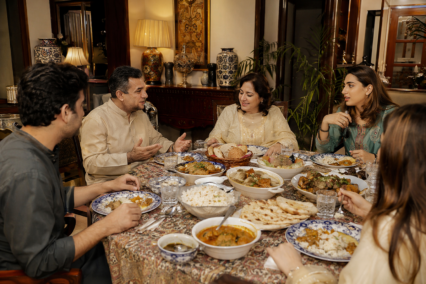
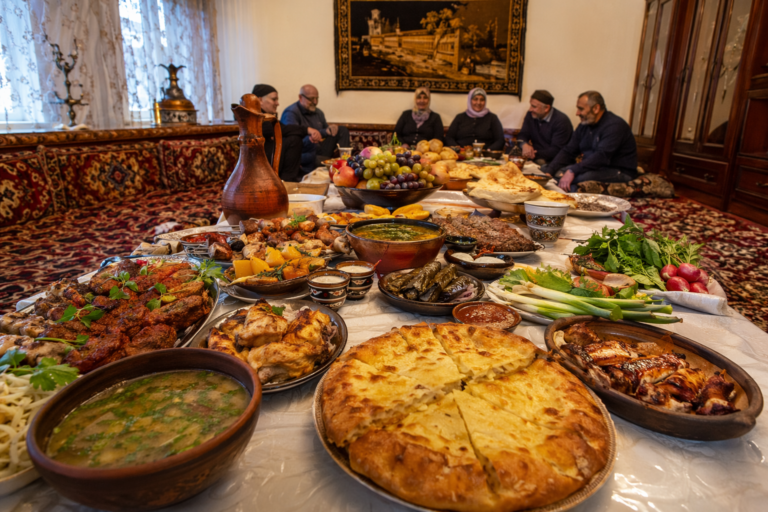
In Dagestan, food is a big part of getting people together. When there is a celebration or family meeting, it means a lot. People put big plates like khinkal, zhizhig-galnash, and shashlyk right in the middle to share. You will also find bread, sauces, broth, and tea on the table too.
Dagestani dishes are not just done for how they taste. They show care, time, and welcome for other people. You will see foods like sour cream, garlic sauce, fresh herbs, and warm breads there to make every dish feel good and complete. The way people eat together like this is the reason most recipes keep their place in the home.
If you wonder about a dish from Dagestan and Khabib, it is khinkal that is most tied to them. The best way to know Dagestan’s food is to see it as food that gets people in together.
Conclusion
To sum up, Dagestani food brings a wide range of tastes and old customs. It shows what the north caucasus is all about. You can try strong meals like khinkal and shashlyk, or smaller snacks like chebureki and chak-chak, so there is something that fits what you like. When you eat Dagestani food, you get great flavours and also learn a bit about the story of each meal. As you try these dishes, think about how they might bring something new to your meals in Australia. Get your friends and family together, and don’t wait to try out this wonderful world of Dagestani food. Enjoy your meal!
Frequently Asked Questions
Which Dagestani dishes are vegetarian or vegan friendly?
In Dagestani food from the North Caucasus, there are some good vegetarian choices. You can get chudu filled with pumpkin or cheese. Khingalsh also tastes good when it has a vegetable mix inside. There is a dish called baklazhany, and it is made using eggplant, tomatoes, and fresh herbs. If you are vegan, options are fewer. But some breads and a few meals that use a variety of vegetables can be changed so you can have them.
How is khinkal prepared and served in Dagestan?
Khinkal is made when you boil meat, most times lamb, to get some broth. Then, you cook pieces of dough in the same pot. In avar khinkal, the dough may have yogurt or kefir in it. People serve it in parts so you get the broth, meat, and garlic sauce on their own. This is a way of serving that’s pretty well-known in the north caucasus.
What are the main ingredients commonly used in Dagestani cuisine?
The food in Dagestan uses a few main things. The people there like grains the most, such as wheat flour and rice. Lamb is often used, too. There are a lot of dairy products in the dishes, like cottage cheese, yogurt, and sour cream. They also be sure to use a lot of fresh herbs.
For flavour, they keep it simple. They use black pepper, bay leaves, garlic, plus some mild spices to get that taste they like.