Key Highlights
-
Chinese food in Australia shows a long link between chinese food, movement of people, and the daily food culture here.
-
You will see how the different cooking styles from different places shape true and authentic chinese food in Australia.
-
The guide has well-known and famous chinese dishes like mapo tofu, dim sum, hot pot, and char siu.
-
It tells about important ingredients, sauces, and cooking techniques often used in chinese cooking.
-
You will know how the mix of flavour, texture, smell, and balance make chinese cuisine what it is.
-
It also points out the places where chinese food hotspots really stand out in the Australian dining scene.
Introduction
Chinese food is now a big part of eating out, cooking at home, and sharing meals with friends in Australia. People love it because there is so much to try, and things feel well put together. It also brings a bit of chinese culture with every dish. Food is not just about taste. It is also about everyone being together and using good, fresh ingredients. You get everything from a simple bowl of noodles to a huge banquet of chinese food. There’s a lot to enjoy. If you want to know why these dishes are so popular in Australia, it helps to learn about their history, the places they come from, and the way people cook them.
The Rich History of Chinese Cuisine in Australia
Chinese food in Australia started with chinese people moving here, especially during big times like the Qing dynasty. When these people came, they brought their food, the way they cook, and the idea that it is good to use fresh things.
As years went by, chinese food made a big mark on the food culture in Australia. It changed local tastes with things like noodles, dumplings, and wok cooking. People started to enjoy meals with strong flavour and texture, and loved sharing food at the table. If you want to know how all this happened, it is good to look at what life was like in the early days first.
Early Chinese Migration and Culinary Influence
The story of chinese food in Australia starts with chinese people coming here during the gold rush years. When they got to the country, they brought with them food ideas that were shaped in China over many years. These ideas included using fresh veggies, different grains, and meats in their meals. They did not use much dairy in their cooking.
Chinese culture gives a lot of meaning to eating with family and friends. They like picking food that is good for the season. They build dishes using flavour, colour, smell, and texture. These things are all a big part of chinese food. The chinese culture carried these habits with them, well before their cooking arrived in Australia.
This early influence from chinese culture changed how people cooked and ate. The use of woks, chopsticks, soups, noodles, and sharing food became more common in Australia. The change did not happen all at once. Over time, people in Australia got to try more kinds of food. This opened up a broader food world for everyone.
Evolution of Chinese Australian Food Culture
As Chinese communities grew in Australia, their food culture started to change to fit local life but still kept strong links to old ways. This is how many chinese dishes began to show up in Australian homes, in takeaway shops, and also in the city dining spots. You can see this change in the meals people have every day and at special events.
Street food style eating became well known with the people, too. Food that is quick, suits a busy day, and is full of flavour matched city life. At the same time, things like chinese sausage and noodles became more common and helped everyday meals get a new taste.
There was change and choice. People started to see that chinese food means much more than just one kind. Diners began to find different regional dishes with a big mix of flavours and textures. This helped people in Australia look at food culture in a new way. Now, there are soups, rice dishes, stir-fries, dumplings, and so much more, all seen as part of a wider food culture.
Notable Contributions to Australian Dining
Chinese food made dining in Australia more lively. It brought in the idea of sharing plates, instead of each person just having their own meal. This helped people eat together and try more types of food. That way of eating is still one of the biggest things Chinese food gave to us.
You can see the change in how restaurants serve food, too. Dim sum became a popular dish for group meals. Hot pot made eating out more hands-on and fun. These styles made going to restaurants not only easy but also more about spending time with others.
As time went on, cooks started mixing Chinese food with local tastes and what was in season. Even as some foods changed, people could still see things like wok cooking, noodle dishes, steamed foods, and strong sauces in many meals. This created the base for today’s interest. Australians now want more authentic Chinese food.
Understanding Authentic Chinese Cuisine
Authentic chinese food comes from many places, ideas, and ways passed down through chinese culture. It is not a set menu. Instead, chinese cooking changes based on where you are, the weather, and local food. Because of this, chinese dishes can taste very different from one spot to the next.
If you want to know what makes chinese food real, it is more about balance, skill, and reason. It is not just about how hot or sweet something is. Meals like mapo tofu, fried rice, chow mein, dumplings, and spring rolls all follow these ideas. This is what makes authentic chinese food special.
Core Principles and Traditions
At its core, chinese cooking is all about balance. The flavour matters, but it is not just that. There is also colour, aroma, and how food feels. People put care into meals every day. They often pick fresh ingredients in the morning and use them soon after. This way of cooking goes back a long way, even to the Qing Dynasty.
Harmony between food and place is important too. The type of food people cook depends on the weather, the land, and what grows in the area. In southern china, people usually like food that is mild and cool. In northern china, many use warm and strong ingredients like garlic and chili peppers instead.
Tradition is a big part of how people cook and what they keep in their kitchen. Rice wine brings deep flavour to sauces and marinades. People use woks a lot, but steaming, braising, and simmering are also common, letting the natural taste of each thing shine through. These habits are what make chinese cooking real, more than what any menu or label can say.
Differences Between Traditional and Westernised Chinese Dishes
Traditional chinese food is all about balanced taste. The food has layers of flavour, nice smells from spice, and aims to match the five main tastes. Authentic chinese food shows what makes each region special. So, a dish from Sichuan should not taste the same as one from Canton. That local feel is important.
Westernised chinese dishes often turn out sweeter, more salty, and heavier than the real thing. The information shows that these newer dishes use more sugar, more sodium, and a lot of soy sauce. They also cut back on spice and nice aromas. For some noodle sauces, brown sugar can get used to give a sweeter, richer taste.
This does not mean that western chinese dishes are not good. They just fill a different need and are suited to different people. If you want a taste of tradition, check out the ingredients, the way the food gets made, and if the dish is from one region rather than just your average takeaway style.
What Makes Chinese Cuisine Unique
What makes Chinese cooking special is how it mixes clear rules with lots of options. There are set ideas about balance and cooking methods. At the same time, there is plenty of space for people in each place to do things their way. So, you can have soft soups, hot noodles, and slow-cooked meats, and they all fit into one cuisine.
The cooking techniques are important too. Stir-frying, steaming, braising, frying, and simmering are more than just ways to cook. They help build up the taste, smell, and feel of the food the way you want.
A few things show what makes Chinese food unique:
-
Great focus on spice, smell, look, and texture in every meal
-
Lots of regional choices that come from the weather, history, and foods in each area
-
Food is made to be shared, so it brings family and friends together
-
Cooks use things in the pantry and fresh veggies to make meals taste strong, and they do it without using dairy
The Eight Great Regional Traditions of Chinese Cuisine
The way people cook in different areas is the best way to see how chinese dishes change across China. The weather, land, and things you can find to cook with all make the food different. People in northern china often like food that is strong and makes you feel warm. In southern china, people are known for cooking food that is lighter or has a more gentle taste.
The eight main styles are a good way to show this: Sichuan, Cantonese, Shandong, Jiangsu, Fujian, Zhejiang, Hunan, and Anhui. Every one of these regions creates chinese dishes with their own style. From hot and tingling to soft and fresh, each region stands out in its own way. Let’s see what makes them different from one another.
Sichuan Cuisine – Spicy and Bold Flavours
Sichuan cuisine offers big, bold heat and a special tingling you get from Sichuan peppercorns. The warm and wet weather in the area helps chili peppers grow well, so you’ll see lots of chili peppers pop up in many dishes, and they add a sense of boldness. If you love food that has energy and puts a kick on the palate, this style is easy to spot.
The taste is not just all about heat. You’ll see spicy notes mixed with strong, savoury flavours—using things like pork, mushrooms, and fresh herbs. That mix gives dishes from Sichuan cuisine layers you can taste, along with heat, no matter if the dish is dry, comes with lots of sauce, or is served as a soup.
Mapo tofu is likely one of the best-known dishes out there. It brings together tofu and minced meat, cooked in a bright red, spicy sauce that is lively, rich, and really stands out. You can look for hot pot, dan dan noodles, and the famous kung pao chicken to see even more of what makes this regional cuisine so special. With all these options, it’s not hard to see why this is one of the most known cooking styles in China.
Cantonese Cuisine – Freshness and Subtle Taste
Cantonese cuisine is the kind many people in Australia try first. It is not as strong as Sichuan food and puts a lot of focus on keeping things fresh, clear, and well-balanced. Instead of using a lot of spice, the main part of the dish is what you really taste.
There is garlic, ginger, green onions, cloves, and sauces like oyster and sweet-and-sour giving the food its flavour. This way of cooking comes from Southern China, and links up with other Cantonese-speaking places, like Hong Kong. Because of that, it spread to many spots.
Dim sum is one well-known part of Cantonese dining, great when you have a meal with a group. Char siu is famous too, with its sweet but savoury taste and shiny top. Roast duck with its crispy skin is a classic as well and shows how Cantonese food can be simple but also very tasty.
Shandong Cuisine – Crisp, Salty, and Savoury Dishes
Shandong cuisine is known for how crisp the food feels and for its salty, hearty taste. There is a big use of soy sauce, salt, and vinegar in the cooking here. These lot make the dishes feel real and full of flavour. If you like clear, bold tastes and food that is firm, Shandong cuisine stands out.
Seafood is a big part of it because the place sits by the sea. You often get things like rockfish, sea cucumber, clams, and other seafood in the dishes. The cooking tries to show off how fresh the seafood is. At the same time, it packs a lot of flavour into the food.
Sweet-and-sour carp is a classic meal from Shandong and steamed stuffed tofu is another good example that shows the area’s practical way of cooking. Pork belly is not really what you think of when you hear about Shandong cuisine, but richer meats sometimes show up and fit well with that salty style. A few menus might offer sour pork, but seafood is what the cuisine is most famous for.
Jiangsu Cuisine – Elegance and Complexity
Jiangsu cuisine is refined and exact, and you’ll find it is often lightly sweet. It stands out for a deep savoury taste, fresh changes with the seasons, and care for how the food feels, looks, and stays warm when eaten. All this makes the dishes seem elegant but not too fancy.
How the food is made is important. Jiangsu chefs cut things just right and keep the heat under control. Stewing, simmering, and braising are common ways to cook, with fish used a lot because many of these dishes started near the water.
Yangzhou fried rice and Nanjing salted duck are major dishes. Some people link heavy braised meals like dongpo pork to this style, which is known for slow cooking and even taste. Whether food comes out of a clay pot or is topped with a little sweet sauce, the main thing is to get the balance and detail right.
Fujian Cuisine – Umami, Soups and Seafood
Fujian cuisine is known for the gentle feel of its food, soft texture in the mouth, and a strong, deep umami taste. Soup is a big part of what the people eat in this area, and there is a lot of seafood since Fujian is close to the sea. This style of cooking feels warm and comforting, but it is also very different from other types you may know.
History played a role in shaping Fujian cuisine. Fujian used to be a safe place for people running away, so its food has ideas from other places and nearby cultures. That mix made a tradition that is open, able to change, and has a lot of different flavours.
People in Fujian use many ways to cook, like braising, frying, and simmering. Dishes like oyster omelets, stuffed fish balls, and stewed ginger duck show how the cooks work with seafood and rich, tasty stock. While sticky rice is not the main part of Fujian cuisine, there is still a spot for it beside these hot, soup-first meals.
Zhejiang Cuisine – Light, Healthy Fare
Zhejiang food is known for being light and all about freshness. In this style, eastern ways play a part. People there really value the natural taste of food, use what is in season, and like a clean look on the plate. That’s why people often say Zhejiang food is healthy and easy to eat.
You will get a milder taste here when you try it, not as strong as what you find in places further inland. The way they use simple seasoning and take care in how things are cooked helps every part of the meal stand out. Rice wine is used, but just enough to give more flavour—it never overpowers the dish.
Bamboo shoots and vegetarian meals are common in this style. That’s because texture and how fresh things are matter a lot to people here. Instead of rich, heavy flavours, Zhejiang cooking is all about those softer tastes. This makes Zhejiang chinese dishes a great choice in Australia if you want meals that are gentle, tidy, and quietly full of taste.
Hunan Cuisine – Hearty, Hot & Aromatic
Hunan cuisine is known for being spicy, a bit sour, and really full of punchy smells. The food uses a lot of ginger, garlic, and chili peppers. This mix makes every bite taste lively and warming. If you love strong flavours but want less oil than what you find in Sichuan food, you should get to know Hunan cuisine.
While Hunan and Sichuan food do have some things in common, there are clear differences. The dishes from Hunan usually use fresher stuff and are not as dry. This gives the food a brighter and more upfront flavour, but it still brings the heat.
Steaming, smoking, sautéing, and stir-frying are often used in their cooking. Some well-known dishes are steamed fish head with chopped chili, red braised pork, pearl meatballs, and stinky tofu. You can add a spoon of chili oil if you want even more taste, but what really makes Hunan cuisine its own is the way it mixes big flavours, real heat, and loads of good smells.
Anhui Cuisine – Rustic and Earthy Recipes
Anhui food is often called simple and real. The way people cook comes from the land around them and what they grow there. There may not be many detailed examples of it, but this shows how chinese food comes from the place, weather, and food that people have. Anhui is a good example of this.
This food has strong, earthy tastes. It is close to what people in the country make at home. The food is not fancy or made just to look good. It is made to bring more taste out of plain things and slow cooking. This style of cooking gives the food its real and honest feel.
In Australia, you won’t see as much Anhui food as you see Sichuan or Cantonese. You may need to search for it. When you find a place serving it, get ready for warm meals, clear flavours, and that home-style feel. The way food feels in your mouth is made to be soft and cosy, not like what you find in a high-end spot. You might find glutinous rice in some dishes too. That matches the useful and comforting side of this food.
Signature Dishes of Each Region
If you want to know which famous traditional Chinese dishes to try, it really depends on the area you’re in. Some dishes show how different places use flavour, texture, and what goes into each plate. In Sichuan, mapo tofu and kung pao chicken stand out because they bring heat and deep taste.
Other spots like Canton are known for dim sum, which shows off control and care in cooking. Fujian is great with soup and seafood. Some foods, like xiao long bao, are often linked to the eastern part of China, where people enjoy delicate cooking. When you look at all these chinese dishes, you get why each area can have its own taste and style.
Famous Sichuan Dishes in Australia
In Australia, sichuan cuisine is where people often go first when they want big flavour in their food. It is popular because you can spot many dishes right away and they still have that thrill in every bite. The heat, numbing pepper, and deep savoury taste are found in both casual places and full-service spots.
You will see some classic dishes pop up on menus in a lot of these places. These dishes help if you wonder what chinese food to try first, mainly if you like spice.
Popular sichuan choices include:
-
Mapo tofu, with tofu and minced meat in a bright red sauce
-
Hot pot, built for sharing and cooking at the table
-
Kung pao chicken, a bold mix of savoury, sweet, and spice
-
Dan dan noodles, a street food favourite with punchy sauce
Popular Cantonese Favourites in Aussie Restaurants
Cantonese cuisine is one of the most well-known types of Chinese food in Australia. People like it because it has gentle seasoning, fresh things in every dish, and meals that can be for a quick bite or big family times together. If you are starting out in Chinese cooking, this style feels easy and safe.
Most Aussie places show dishes that mix savoury flavour with texture. That makes Cantonese dining good for people who might be new to this kind of Chinese food, but want to try something nice.
Common Cantonese favourites include:
-
Dim sum, served in small portions that are good for sharing with others
-
Char siu, famous for its shiny look and sweet savoury taste
-
Roast duck with crispy skin, which adds both crunch and flavour
-
Chow mein, coming from Cantonese-speaking Taishan and loved by many people
Shandong’s Must-Try Classics
Shandong cuisine is not seen much on menus here in Australia, but the old favourites from this region really should get noticed. People in Shandong love crispy food, savoury tastes, and cooking with seafood from the coast. If you and your mates like fish and lighter flavours, Shandong cuisine could be a big surprise.
Sometimes you will not see ‘Shandong’ written next to a dish, so you need to look for the style instead of just the region name. If a dish has salty sauce, vinegar flavour, or is crisp to bite, it may be from Shandong.
Must-try classics:
-
Sweet-and-sour carp—this is a famous dish and really stands out
-
Braised sea cucumber—a rich, seafood treat with lots of flavour
-
Spicy stir-fried clams—full of local tastes and very fresh
You could spot names like sour pork on a menu, but most often, seafood dishes are the main focus for Shandong cuisine and local tastes.
Jiangsu Delicacies Worth Sampling
Jiangsu cuisine is known for food that looks good and tastes balanced. This is a good place for people who like a little sweetness, soft meats, and dishes made with care. The food here is not too bold, but it stands out because every part gets a lot of attention.
In Australia, you may find Jiangsu-style chinese food at places that cook food from the east of China or from big regional menus. Try dishes where how the food looks, how soft it is, and the taste all seem to matter a lot.
Some you should try are:
-
Yangzhou fried rice, a well-known dish where less is more
-
Nanjing salted duck, loved for the way it feels to eat and the clear, salted taste
-
Braised items, like dongpo pork or clay pot meals, with a sweet sauce
These foods show that Jiangsu cooking is about skill and not using too much strength.
Featured Fujian Plates in Australia
Fujian cuisine is not as common in Australia, but the dishes give you a real comfort food style option. This type of food uses a lot of soup, seafood, and brings that rich, savoury “umami” taste. Because of that, the meals feel light but still fill you up. If you want something with gentle heat, this could be the place to try first.
Seafood stands out because Fujian sits on the coast. The food from this area also comes from a lot of travel and sharing ideas, so you might find more choice than you think for just one part of China.
Look out for:
-
Oyster omelets, which bring a big flavour and a soft bite
-
Stuffed fish balls, served in a warming soup
-
Stewed ginger duck, a rich dish that goes great with sticky rice
These foods show how Fujian cuisine can mix a soft touch with lots of good savoury tastes.
Zhejiang Style Dishes to Discover
Zhejiang cuisine is great if you want chinese dishes that are not too heavy, but still make a full meal. In Australia, you might see it mixed in with other eastern Chinese foods instead of as its own thing. Still, it is worth trying because of the fresh taste and calm flavour.
People who take the time to try this style get rewarded. You won’t get food that is too spicy. Instead, you will notice the balance, soft way of cooking, and neat way the dishes look. It’s a nice change from hotter types of food from other places.
Some main dishes to look out for are:
-
Light braised or steamed foods finished off with rice wine
-
Veggie plates with bamboo shoots and other fresh produce in season
-
Mild vegetarian dishes where both how it feels to eat and taste are important
The Zhejiang style shows that food does not have to be bold to make people happy.
Hunan Specialties on Australian Menus
Hunan cuisine is showing up on more menus in Australia now. Many people want to try food from different regions with big flavours. This style has strong taste and a lot of heat, but it isn’t all hot. You get sour notes, smoky feel, and nice scents mixed in.
If you know Sichuan food, you should check out Hunan cuisine to see how it’s different. Hunan uses fresher food and not as much oil. So, the meal is sharper and feels lighter, but it still brings the heat. Many dishes come with spicy sauce or a dash of chili oil at the end.
Some great dishes you can try are:
-
Steamed fish head with chopped chili
-
Red braised pork
-
Stinky tofu for folks who want a bold hit of flavour
These hunan cuisine choices are for people who are ready for big tastes and don’t mind some strong spiciness.
Anhui Regional Signatures
Anhui cuisine is not something you see much in Australia. You will need to look harder to find its special dishes. Still, it is important when people talk about the eight main Chinese food styles because it has its own feel. Its food feels more rural, made with simple ways, and tastes earthy instead of being showy or rich.
When this sort of food is hard to find, the best thing to do is to look for places that serve lesser-known styles. You might not see Anhui listed by name, but dishes that seem simple and made like home food can show you are close.
Most Anhui plates are known for:
-
Slow-cooked meals with earthy tastes
-
Straightforward country dishes full of fresh produce from the area
-
Stuffings and sides made with glutinous rice to give comfort and substance
If you like to try something new, Anhui food gives you a gentle but true taste of the region.
Key Ingredients in Chinese Cooking
If you want to know what goes into traditional Chinese cooking, start with mixing things like soy sauce, oyster sauce, hoisin sauce, and other favourite sauces. These help add a savoury taste. You often use rice wine or sesame oil too. They give the food more flavour.
Using fresh things in the kitchen matters as well. You will see bean sprouts, bok choy, bamboo shoots, and mushrooms show up in a lot of dishes. Rice flour, different noodles, and rice are basic parts in the food people make. Spice blends and things like star anise play a big part in how dishes taste in each area. The sections below show you these basics in easy groups.
Essential Sauces and Condiments
Sauces are the base of many Chinese dishes. They add taste, make food tender, bring out deeper flavour, and you don’t need long ingredient lists to use them. If you have a small pantry, this is a good place to start. A few good bottles like soy sauce, oyster sauce, hoisin sauce, and chili oil will help you make stir-fries, braises, noodles, and use as a dipping sauce at the table.
The information below is a handy guide to staples used by home cooks across Australia. You see these sauces in different regional Chinese styles. They also help your food taste more real.
Here are some useful essentials:
-
Soy sauce, good for seasoning, marinades, and deep umami taste
-
Oyster sauce, adds savoury flavour to vegetables and meats
-
Hoisin sauce, sweet and savoury for glazes or as a dipping sauce
-
Chili oil, brings a bit of spice, often in hotter regional dishes
When you keep these condiments at home, it’s easier to get good flavour and cook Chinese dishes with more balance and confidence.
Fresh Vegetables and Herbs
Fresh vegetables are a big part of Chinese cooking. The food is all about buying what you need each day and eating what’s in season. You will find that, instead of covering up the taste, many Chinese dishes let the vegetables stay crisp, bright, and easy to spot. This is what helps make the meal lively and feel balanced.
In Australian kitchens, the right vegetables can be handy because they show up in many recipes and also cook fast. You will often find them used in stir-fries, soups, and noodle dishes.
Good staples include:
-
Bok choy for its soft leaves and crunchy stems
-
Bean sprouts for freshness and a bit of snap
-
Bamboo shoots for a clean taste in soups and stir-fries
Star anise is not a vegetable or a herb, but it is kept in many kitchens. It adds a warm smell to braised dishes and spice mixes. All these ingredients come together to give chinese food that fresh smell and taste people know from traditional chinese cooking.
Popular Proteins – Pork, Chicken, Duck, and Beef
Protein options in Chinese cooking are wide, and they change from place to place. Pork, chicken, duck, and beef are in many classic dishes. Seafood is a big part too, especially along the coast. The aim is not just to give different options, but to match the right protein with how it will be cooked.
Some meats go with certain famous dishes. You will often see beef or other minced meat in mapo tofu. Duck is used in roast dishes. Chicken is great for stir-fries, like kung pao chicken. If you use pork belly, it will suit simmered or slow-cooked meals.
Common favourites include:
-
Pork belly for slow-cooked meals with loads of flavour
-
Chicken for stir-fries, noodle dishes, and soups
-
Duck and chinese sausage when you want something deeper and different
These proteins show that chinese dishes are about what’s handy, what tastes good, and what comes from each place.
Rice, Noodles and Other Staples
Staples give shape to Chinese meals. Rice, noodles, wrappers, and flours do more than just fill your plate. They set the texture of the food, the way people cook it, and the job the dish has at the table. Dishes like fried rice, soups, dumplings, and noodle bowls all need these basics to work.
There are lots of noodle types used in Chinese dishes. For example, chow mein uses noodles that get softened first and then stir-fried. Lo mein noodles get cooked all the way and are just tossed in, which gives them a lighter touch and feel. The cooking method here changes the whole dish.
Useful staples include:
-
Rice flour for wrappers and soft, doughy recipes
-
Sticky rice which adds weight and comfort to many dishes
-
Noodles for stir-fries, soups, and popular takeaway meals like chow mein and lo mein
Rice wine is also key. People use this in many Chinese dishes as a base liquid to boost the taste of many sauces and marinades.
Unique Flavour Profiles in Chinese Cuisine
One thing that makes Chinese food stand out is the way flavours are balanced. There are the sweet, sour, bitter, salty, and spicy tastes. You often find umami in things like soy sauce, mushrooms, and strong broths.
These flavours are not used at random. People put them together with care so there’s balance, not too much. This is one reason Chinese food is different from western makes that sometimes go heavy on sweet or salty tastes. Texture and smell add even more to the meal.
Balancing Sweet, Sour, Salty, Bitter, and Umami
Balance is a big strength in chinese food. The goal is not just to make one flavour stand out, but to let each taste help the others. This makes meals feel complete and not too much. That’s also why real chinese dishes feel deeper than you might think at first.
In old Chinese medicine, flavour is tied to how good people feel, and there are five main tastes that shape chinese cooking. These are not just a part of the culture, they guide what goes into the food and how dishes are made.
The main taste points are:
-
Sweet that comes from whole foods, not from a lot of white sugar
-
Sour that can come from things like vinegar
-
Salty that’s in sauces made from soy beans and other tasty bits
Bitter and umami are added too. When you put all these together, you get meals that are even, easy to remember, and linked to chinese cooking and its history.
Spice and Aroma – The Role of Peppers and Spices
Spice in Chinese food isn’t just about being hot. It helps with smell, taste, and the feel of a meal. In some parts of the country, people use a bit of spice. In other places, they build whole flavour styles around strong spices. This is why you might find one spicy dish tastes or feels very different to another one from a different place.
Sichuan peppercorns are a top example. They give you a tingly, numb feel in your mouth that is not the same as just being hot. On the other hand, chili peppers bring quick heat and a punchy flavour. Star anise adds a sweet, warm smell you often find in slow-cooked meals and spice mixes.
Key flavour builders include:
-
Sichuan peppercorns for that numbing feel with depth
-
Chili peppers for heat and lift
-
Star anise for warmth and nice smell
When you use these well, they bring more than just heat. They give a dish its own style, show where it comes from, and help you know the food at once.
The Importance of Texture in Dishes
Texture is a big thing in Chinese food. The way it feels in your mouth is just as important as the flavour, the colour, and the smell. So, every dish is built on those four things. People care about how it tastes, looks, and also how it feels to eat.
That’s the reason why cooks pick the cuts, times, and ways to cook with so much care. If you are making a stir-fry, it should still have some bounce to it. If you go for a braise, it has to get soft but not fall apart. For roast duck, the skin has to be crispy with soft meat under it.
Texture in Chinese food often pops because of contrast. Some of these are:
-
Crispy skin with a juicy inside
-
Sticky rice sitting next to soft, braised things
-
Minced meat paired up with chewy noodles or smooth tofu
When you get these contrasts right, the dish comes together well. So, that is why Chinese food, with minced meat or sticky rice or crispy skin, still feels fresh from start to finish.
Essential Chinese Cooking Techniques
Cooking techniques are a major part of what defines authentic Chinese cuisine. The same ingredients can taste very different depending on whether they are stir-fried, steamed, braised, or roasted. Technique controls heat, texture, aroma, and timing.
If you want better results at home, start by understanding how each method works. Wok mastery matters, but so do gentler skills such as folding dumplings or steaming buns. This quick text table gives you a practical overview before we look at each method in more detail.
|
Technique |
What it does |
Common use |
|---|---|---|
|
Stir-frying |
Uses high heat and fast movement |
Noodles, vegetables, meat |
|
Steaming |
Keeps moisture and softness |
Dumplings, buns, fish |
|
Braising |
Builds deep flavour over time |
Pork, duck, tofu |
|
Roasting |
Creates colour and crisp exterior |
Duck, barbecued meats |
|
Folding |
Shapes wrappers around fillings |
Dumplings, buns |
Stir-Frying and Wok Mastery
Stir-frying is a well-known cooking technique in Chinese food. It is fast, needs you to get ready before cooking, and uses high heat. You have to chop the ingredients ahead of time. This helps them cook fast and still look and feel good. The way is handy, but you have to watch what you are doing all the time.
Being good with a wok is important because the wok heats up quickly and gives you different hot spots. This lets a cook sear food, toss it, and move things around. You can not always do that with a flat pan. It is also why people say restaurants get that smoky taste you want in Chinese food.
If you are cooking at home in Australia, most would say get a carbon steel wok. You do not need the tools that big restaurants use, but you do have to feel sure about your timing. When you get used to the way, stir-frying becomes one of the best and fastest ways to cook.
Steaming, Braising, and Roasting Methods
Not every dish in Chinese cooking is made fast or with high heat. In fact, some of the most important cooking techniques are a bit slower or softer. Steaming keeps the food wet and soft. That is why it works well for things like dumplings, buns, veggies and more gentle types of meat or tofu.
Braising lets a dish sit in hot, flavoured liquid for a while. This builds a lot of taste and makes the food softer. People often use braising for pork, duck, tofu, or other big and warm regional meals. This method lets you get a rich taste without the oil you get from frying.
Roasting adds colour and a nice smell to food. It also makes the surface feel just right. You can think about roast duck or tasty barbecued meats like char siu when you want an example. When you roast, the outside gets more texture. The inside stays soft. So, steaming, braising and roasting all show that Chinese cooking can be calm and exact, not only hot and fast.
Folding and Shaping Dumplings, Buns, and Noodles
Folding is a small trick that can make a big difference in your cooking. It helps dumplings and buns hold the filling, cook well, and look nice on the plate. With even simple folds, you can change the final texture by changing how thick the dough is, how it seals, and how steam moves while it cooks.
Dumplings go back a long way in history. From the information gathered, they have links to Zhang Zhongjing during the Eastern Han Dynasty. Over the years, the dough and filling may have changed. But the main thing—wrapping up the ingredients—stayed important. Today, folding still brings together home cooks and old traditions in chinese cooking.
Noodles in chinese cooking are shaped in other ways. How thick, long, or handled they are changes if the noodles come out springy, chewy, or soft. Rice flour may also be used in some noodle dishes or in wrappers for dumplings, giving you even more skill to work on. For most people, doing these things by hand is where chinese cooking starts to feel special and personal.
Chinese Restaurants and Food Hotspots Across Australia
If you want to find the best chinese restaurants in your city, there are a few things to look out for. Check if the place has a strong link to a region, a steady flow of people, and menus that offer more than just the usual dishes. You will often see the best food spots where migration, community, and curiosity come together.
In Australia, chinese food comes in many forms. You will see it as big dinners with lots of dishes or quick street food, dumpling houses, and even noodle shops. This wide range shows just how much chinese food is now a part of the food culture here. Out of all the cities, Sydney really stands out in the story of how chinese food has grown.
Sydney’s Emergence as a Chinese Food Capital
Sydney has become a great place for Chinese food. There are many flavours to try, giving you something new to enjoy every time. Each area in the city shares its own food, so you get tastes from different parts of China. You can have dim sum that’s fresh and hot, or try big bowls of hot pot full of good ingredients.
The choices for eating are wide. You will find street food stalls that are always busy, or you may want to sit down in an elegant place to try something special. There is everything, from the well-known Peking duck to newer dishes like kung pao chicken. The food comes full of things like soy sauce and oyster sauce for that good, true taste.
Sydney’s food culture really shines with these foods, letting us all be part of the Chinese food story.
Melbourne’s Vibrant Chinese Eatery Scene
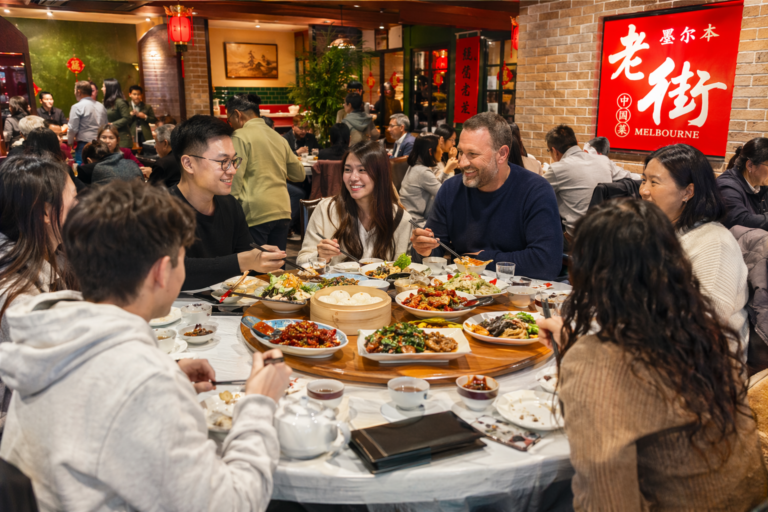
Melbourne is full of Chinese places to eat that show off the strong roots of Chinese culture. You will see all kinds of Chinese food here. There is tasty dim sum and lots of dishes with strong, spicy flavours like Szechuan food. You can stop by busy street food stalls for some kung pao chicken that is full of taste. There are also fancy places where you can try proper peking duck with its crispy skin done just right.
Both people who live here and people visiting love local food, like char siu and xiao long bao. These spots make it easy for anyone to get good chinese food. The way all these different tastes mix together brings the city’s people closer and helps Chinese culture grow even more in Melbourne. It’s a great place for anyone who likes kung pao, dim sum, char siu, xiao long bao, or just wants to try street food with something new.
Hidden Gems in Brisbane, Perth, and Adelaide
Brisbane has a busy food scene. You can find hidden spots here, like real dumpling houses offering xiao long bao. There is also spicy Sichuan cuisine, with dishes like mapo tofu. In Perth, you will spot small places where food like kung pao chicken and hot pot made with rice wine makes people feel happy and warm. Adelaide shows off special places known for making handmade noodles and stir-fried chow mein. These foods show old traditional tastes.
These cities ask food lovers to come in and try Chinese cuisine that is not just the usual. You will taste more of the local tastes and see what real food culture has to offer. There is always something new to get in each bite. It’s a great way to enjoy the rich and exciting food culture of these cities.
Authentic Chinese Ingredients in Australian Markets
Quality real ingredients are key to bringing out the strong flavours in Chinese food. You will find many of the basics you need at Australian markets. There are things like soy sauce, rice wine, and oyster sauce. These are must-haves when you want to make dishes like kung pao chicken or mapo tofu. If you visit local Asian grocery stores, you can also find special things like thin pancakes, glutinous rice, and Sichuan peppercorns. These will help make your cooking better.
It’s good to pick real ingredients, no matter if you make dim sum or a classic hot pot. This way, every meal you make will have all the right tastes of Chinese food culture.
Where to Buy Quality Products Locally
Finding good ingredients for your favourite Chinese dishes can be fun. You can go to local Asian grocery shops where they have many real items. Here, you can get things like rice wine and tasty soy sauce. They will help you with all your cooking needs.
If you want something fresh for hot pot or stir-fries, farmers’ markets are great. You can grab veggies like bok choy and bamboo shoots. These will make your Chinese dishes taste even better.
If you need something special, you can look online. There, you will find a wide range of things like chilli oil and rice flour. By checking out all these places, you can make sure you have the right things to make your food taste just like real Chinese cuisine.
Australian-Made Versus Imported Chinese Goods
Choosing between food made in Australia and items brought in from China can really change the way you cook. When you pick Australian producers, you often get ingredients with a strong local touch. This can bring a whole new feel to your chinese food and the dishes you make at home. For example, using fresh bok choy or local pork belly can take your kung pao chicken or stir-fried chow mein to the next level.
But if you use imported goods, there is more of the true taste from China. These things often bring key ingredients like hoisin sauce and sichuan peppercorns. That helps when you want to cook that classic chow mein or have a real kung pao.
Bringing both options together is a good way for you to know more about Chinese food culture. It lets all of us see new ways to cook and makes each of us better in the kitchen.
Tips for Choosing Genuine Ingredients
To cook real Chinese food, you need to choose the right ingredients. Start by reading the label to check for things like soy sauce, oyster sauce, or rice wine. It’s good if you see these from well-known brands. Fresh food is important, so try your local markets. Look for fresh bok choy and bean sprouts. You might also want to visit shops that have foods from overseas, so you can get things like Sichuan peppercorns or Chinese sausage. Think about when the food is in season, because this can change the taste—especially for things like hot pot or dim sum. Enjoy finding all the best bits for your cooking!
The Influence of Chinese Cuisine on Australian Culture
Chinese food is now a big part of life in Australia. You can see it at home dinners and at big parties. Dishes like peking duck and dim sum are on many menus. People from here and visitors both love them. Some kitchens in Australia also use tastes like sichuan peppercorns and chili oil. They mix old ways of cooking with new, local foods.
This mix keeps changing and growing. It brings the food world in Australia more great meals. There is now more fun at the table, especially during times like chinese new year. People come together to share food and good times. It is all about family, friends, and having meals as a group, with stacks of flavour and warmth.
Integration into Modern Australian Dining
Chinese food is now a big part of eating out in Australia. You can find dishes like kung pao chicken, dim sum, and crispy peking duck in many places. These aren’t just in fancy spots, but are also popular in everyday restaurants and when people get together with family.
Fusion foods are on the rise too. These dishes mix old recipes with new ways of cooking, bringing together tastes from both Chinese and Aussie backgrounds. As more people here enjoy these good meals, the food culture in Australia keeps changing. Today, having authentic Chinese food is a big part of how we eat and what we enjoy around the country.
Fusion Foods and New Trends
A mix of new flavors is making its mark in Australian food. Chefs like to try new things by using chinese cooking techniques, like stir-frying and steaming, with local tastes and food. Now, classic dishes such as kung pao chicken are made with native spices and fresh vegetables. These changes give every plate a fresh feel but still respect what came first. It’s also good to see street food, like dumplings and bao, get an Aussie spin. This change is how you know the food scene is busy and lively. All these twists add to the fun of eating out. It also shows how food culture in Australia can change and grow.
Conclusion
Chinese food is now a big part of Australia’s food culture. You can see this when you try favorites like hot pot from Sichuan or dim sum from Canton. There are so many tastes and choices for everyone. People here love to try kung pao chicken and fresh dumplings for Chinese New Year, and they also enjoy these foods on any other day. We get to see many cooking techniques and use great, fresh food when we make or eat these dishes. Trying all these meals is good for bringing people together. Sharing hot pot or dim sum means more fun with friends and family, no matter the time of year. The love for new and old Chinese-inspired dishes in our kitchens and restaurants just keeps growing.
Frequently Asked Questions
What are the most popular Chinese dishes in Australia?
Some of the most loved Chinese dishes you can find in Australia are dumplings, Peking duck, fried rice, and sweet and sour pork. You will see that these meals come from different regions and show their food traditions. People like to have these dishes at big family meals or special days. It is a good way to show the rich taste that Chinese food brings to what we eat here. The flavors of Peking duck and sour pork help make Chinese dishes special in Australia.
How can I identify authentic Chinese restaurants and dishes?
To find true Chinese restaurants and dishes, look for places that have a wide menu with food from different areas. See who eats there. If there are many local people, it is probably a real spot. Also, pay close attention to the things they use and the way they cook. Good Chinese food lets you taste things made the old way, not mixed into styles from other places.
Where can I find essential Chinese cooking ingredients in Australia?
To get the essential Chinese cooking ingredients in Australia, go to your local Asian supermarkets or specialty stores. You will find many of these stores in city areas. You can also look online for a big range of real ingredients. Try to pick good brands so you get the best taste and real Chinese cooking in your food.