Key Highlights
-
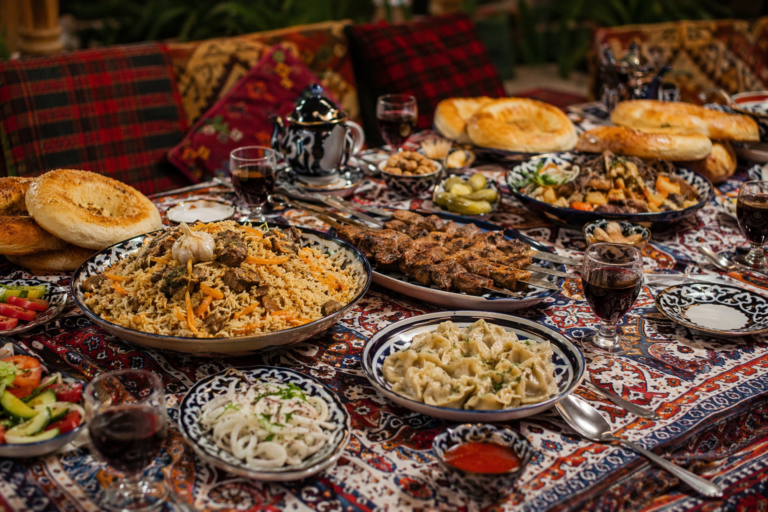
Central Asia is known for its big, filling food. The food comes from life moving around, old trading, and what people grow there.
-
The famous rice meal called plov is common and you’ll also find dumplings, soups, and many grilled meat dishes.
-
Bread is important in the daily life. Most meals come with lepyoshka or tandyr nan.
-
Some foods, like horse meat or drinks made from fermented milk, need a bit of getting used to for people from Australia. These can take time to like as they are an acquired taste.
-
Tea is a big part of central asia, as it shows good manners and hospitality. Many dishes come from family recipes and are enjoyed at big gatherings and celebration.
-
Each country in asia feels proud of its national dish, and you’ll find the way people cook things changes from place to place.
Introduction
Central Asia can be a good surprise for people from Australia. In this part of Asia, the foods show warm welcomes, full plates, and a love for old ways to do things. You will see that each national dish has something to say about the history, weather, and people of this place. It could be rice, noodles, bread, or meat. If you want to know what to order and what tastes to look for, this guide will help you feel good before your first bite about central Asia cuisines.
Exploring Central Asian Cuisine: Culinary Traditions for Australians
Central Asia is a place where food comes from moving people, trade, and finding ways to live in tough places. The Silk Road connected Central Asia with China, Russia, and the Middle East. This means a lot of common dishes in this part of Asia have things from other countries, but the food is still local.
Australians often hear about some classic meals from Central Asia, like plov, laghman, manty, samsa, and beshbarmak. Most meat dishes are usually made from lamb or beef. Dairy products, onions, carrots, noodles, rice, fresh herbs, and some mild spices are used a lot too. If you want to really know these cuisines, you need to think about their nomadic past and how that shaped their food.
The Influence of Nomadic Heritage on Central Asian Dishes
Many well-known meals in Central Asia come from a history of moving from place to place. People travelled across big areas, so food had to be simple, filling, and easy to share. This is why meat dishes and dairy have always been the main thing at the table.
You can still find that tradition in soups, sausages, and big party meals centred around boiled or fried meat. Shorpo shows this with large pieces of meat, carrot, and potato in broth. Beshbarmak also reminds us of when meat meant wealth and respect.
The food changes depending on the country. In Uzbekistan, you see more rice, veggies, and noodles from the settled towns. Kazakhstan still keeps a focus on big meat dishes, sausage, and plates for everyone. Kyrgyzstan is much the same, especially with meals linked to life with animals.
central asia, meat dishes, large pieces, kyrgyzstan, broth, kazakhstan, dairy, asia, uzbekistan
Key Ingredients in Central Asian Recipes: Spices, Meats, and Vegetables
If you want to know what goes into Central Asian food, it’s pretty easy to see. The dishes are usually mild and not hot at all. Most of the cooking uses fresh things from near by, like vegetables, meat, grains, and dairy. The way people cook there and how they mix food is where you get great taste—not from lots of chilli or heat.
In many meals, the same things show up again and again. Soups, dumplings, rice dishes like plov, and snacks are made from these main items:
-
Lamb and beef will be found in soups, on skewers, and in plov.
-
Horse meat is used in sausages such as chuchuk or kazy.
-
You’ll find onions, carrots, potatoes, and cabbage in many main dishes.
-
Bell peppers, garlic, and some herbs get tossed into laghman and in salads.
-
Vegetable oil, black pepper, and simple spices go in to gently season things.
With all these, you get an idea of what Central Asian flavour is like. You can expect a strong, savoury broth, soft noodles, good rich meat, and salads brightened up with fresh herbs or a splash of vinegar. Even where the way people make these dishes is not the same in every house or city, the foods you find in them are much the same and easy to get.
How Central Asian Diets Reflect Regional Climates and Geography
Food in central asian countries is shaped by where people live. The weather and land really make a difference. The steppe, mountains, and the long trips between towns mean meals have to keep you full. That’s why things like dairy, lamb, broth, and thick bread are so usual on the table.
When you travel in these places, normal meals can be shorpo with meat and veggies, plov cooked in a big pot, laghman with noodles and a tasty sauce, or beshbarmak with pasta sheets and boiled meat. In the mountain parts of Tajikistan and Kyrgyzstan, soups and hot broths are found a lot.
If people live in towns, there will be more rice, vegetables, and noodles in what they eat. If they move with their animals, meals stay meatier and more about milk and dairy. Summer changes what’s on offer. Then you’ll get something fresh like tomatoes, cucumbers, melons, grapes, or herbs. The land is not just a backdrop. It’s at the heart of every meal.
Bread at the Heart of Central Asian Food Culture
In Central Asia, bread is more than just something on the side. It is a big part of everyday eating, and a meal feels like it is not whole without it. This shows how important bread is in the food culture in Asia.
The bread most people know in this area is round flatbread. You will see types like lepyoshka and tandyr nan. They are usually baked in a tandyr oven. Bread comes to the table at homes, cafés, when you visit someone, and during big events. Often, it comes before any other food. If you want to know the table ways and what bread means to people, starting with bread is the best idea.
Lepyoshka and Tandyr Nan: Essential Types of Central Asian Bread
The first bread most people in Australia will notice is lepyoshka. This is a soft, round flatbread you see almost everywhere in Central Asia. It is usually white and made with yeast. They bake it until the outside gets firm, but the middle stays soft. You can pull it apart with your hand.
Tandyr nan is another kind of flatbread. It is made in a hot tandyr oven, where the dough goes right on the inner wall. The look and taste can be a bit different, depending on where you get it in Asia. Some have special marks or even get finished off with sesame seeds on the top.
Bread has a simple but big job in Central Asian food. It is always on the table and most meals start with it. People eat it with soup, salad, grilled foods, or with tea. You do not need anything fancy to enjoy it. Bread in Central Asia is just a part of daily life, so it is found at most meals.
Symbolism of Bread in Daily Life and Rituals
Bread means a lot in Central Asia. People respect it, and having bread at the table shows welcome, kindness, and that there is plenty of food for everyone. In homes and cafés, bread is often the first thing that you get. It comes before the main meal.
This is how bread’s importance shows up every day and in special events:
-
Bread helps make the table look full and friendly.
-
It’s usually there when guests are being honoured.
-
The shapes and ways to cook bread often come from family recipes.
In Central Asia, you can see the meaning in how meals are put out. The table will have salads, sweets, fruit, jams, and bread all at once. There are no strict dishes, but lots of food showing abundance. At homes or guesthouses, that spread tells you two things: there is good food, and you are welcome here in asia.
Where to Try Central Asian Breads in Australia
If you are in Australia and want to try bread from Central Asia, it’s best to visit a restaurant or café that serves the bread as part of a full meal, not just as a bakery treat. Bread like lepyoshka is at its best when you have it with soup, a salad, or a big main course.
A menu with dishes like plov, laghman, manty, or shashlyk is a good sign. These meals often go with round flatbread, and that helps you understand how people eat in Asia. You also get why their bread is so important. It isn’t just extra on the table, it is a must-have in every meal.
If you like street food, watch out for snacks like samsa or things baked in a tandyr oven. These aren’t exactly the same as bread served at the table, but they show how baking plays a big part in Central Asia food. In Australia, trying these is a nice way to get to know the local flavours.
Signature Rice Dishes and Hearty Meals
If you ask people what the most loved traditional dishes are, plov will be near the top every time. This rich pilaf comes from Uzbekistan, but it is liked in other places too. It’s right at the heart of many celebrations, and you will also see it often with everyday meals.
But rice is just one part of the whole story. In Tajik cuisine, on Kazakh plates, and in Kyrgyz cooking, you find a lot of meals with mutton, noodles, and broth. These meals are made to share with others and are always big. People who visit Uzbekistan say it offers good variety and is easy to get around for food, so it is a good place to start when you want to know more about these dishes.
Plov: The Iconic Uzbek National Dish
Plov is the dish that most people link with Uzbekistan, and it’s easy to see why. This pilaf means a lot to the people there. You will find it at parties, family get-togethers, and even big events. It is not only loved by many; it is seen as special.
The main thing in plov is rice, cooked with onions, and yellow or orange carrots. Folks usually add mutton or beef, which is fried in a big pot called a kazan. Some people add eggs, a local type of sausage, or lemon. Different parts of Uzbekistan have their own way of making plov, and some cooks like to use raisins to give the food a sweeter taste. Each family or town may have their own recipe.
The end result is a bowl of food that is rich and smells wonderful but is not too hot or spicy. In some towns, you’ll see large bits of meat in the plov, while other areas use more rice and less meat. A lot of people come to try plov and say it is their first taste of real Central Asian friendliness and care topped off on a plate.
Beshbarmak and Naryn: Hearty Plates from Kazakhstan and Kyrgyzstan
When you go through Kazakhstan and Kyrgyzstan, beshbarmak is one of the most common meals you will find. This dish is a national dish in both countries and shows the old way people used to cook and eat on the steppe.
The main idea behind beshbarmak is pretty simple. There is boiled meat with pasta sheets or homemade noodles. You usually get onion on top. In Kazakhstan, you might get potatoes and larger chunks of meat with it. Dishes like naryn in Uzbekistan have smaller pieces of meat and noodles. Often, you also get a bowl of broth to go along with it.
For Australians, beshbarmak might look plain, but that is what makes it stand out. The dish is warm and meant for sharing. It connects to the deep roots of local life and community. If you are looking for a meal that shows steppe hospitality, beshbarmak is something you will want to try.
Regional Variations and Tips for Recreating These Dishes at Home
Regional variations across Central Asia are easy to spot once you know what to look for. Uzbek cuisine often highlights rice, carrots, and carefully layered plov styles. Kazakh cuisine leans further into boiled meat, sausage, and big shared platters. Tajik cuisine sits comfortably with soups, plov, and produce-heavy additions depending on season and setting.
If you want to try these dishes at home, keep the flavours mild and the ingredients straightforward. Focus on rice, onions, carrots, noodles, broth, and well-cooked meat. The goal is comfort and balance, not heavy spice.
|
Cuisine |
Typical focus |
Easy home tip |
|---|---|---|
|
Uzbek cuisine |
Plov, rice dishes, noodles |
Use carrots, onion, and rice as your base |
|
Kazakh cuisine |
Boiled meat, sausage, broad plates |
Serve meat with pasta sheets or potatoes |
|
Tajik cuisine |
Soups, plov, seasonal produce |
Add simple salads and herbs on the side |
Dumplings and Stuffed Favourites
Dumplings and baked pastries are some of the easiest Central Asian foods for Australians to try. Manty, or manti, are soft and steamed. They feel like a warm hug. Samsa is a popular snack you can grab when you’re out.
There are smaller dumplings too, like pelmeni and chuchvara. These show how local food and Russian flavours mix. They are not just sides. They are everyday favourites. You can find them on the street or as a popular snack food. Let’s look at what makes each one special.
Manty and Samsa: Flavours in Every Bite
Manty are big steamed dumplings. They are filled with minced meat, fat, and onion. You usually get a few pieces in one serve. People like to eat them with vinegar, ketchup, or sour cream. If you enjoy dumplings, these are easy to say yes to.
Some places in Central Asia make manty with pumpkin or potatoes instead of meat. This is good for people in Australia who want something lighter or meat-free. But, the meat manty is still one of the top meat dishes in the region.
Samsa is another snack to try in Asia. It is baked, not fried. The filling is usually meat and onion, but sometimes you see cheese or potato inside. Samsa is hot, easy to carry, and found in many places. This snack is well known and loved as a street food in Central Asia.
Pelmeni and Chuchvara: Crossroads of Central Asian and Russian Influences
Pelmeni and chuchvara are dumplings that show how Central Asia took food ideas from Russia and mixed them into local everyday meals. Both are small, but the way they are served can change depending on where you are.
Pelmeni are stuffed with minced meat, onions, and spices. The filling is wrapped in thin dough, then boiled. People eat them hot, often with sour cream or vinegar. Sometimes, they come in soup, but they can be served without it too. Chuchvara looks the same in size but is mostly given in broth. In some places, you will also see it fried.
These dumplings show different ways of eating in the region. If you are in Uzbekistan, you might get chuchvara in broth. In larger cities with more Soviet influence, pelmeni could be the main choice. No matter which dish you try, the sauce or soup stays simple. You always get dough, minced meat, onion, spices, and either a soup or a topping.
Where Australians Can Sample These Dumplings
In Australia, if you want to try dumplings from Central Asia, it’s best to go to places where these are a part of the meal and not just something extra. Manty, pelmeni, and samsa taste better when you eat them with tea, salad, or a main dish that fills you up.
When looking over a menu, keep an eye out for these:
-
Manty or manti shown as steamed dumplings
-
Samsa offered like a baked snack or pastry
-
Pelmeni served with broth, vinegar, or sour cream
-
Chuchvara in a soup
-
Plov or laghman on the menu too, meaning you have a bigger Central Asia meal
If it is your first time with these foods, start with samsa as your snack. Then, have manty as a meal. This lets you try both the baked pastry and the soft dumplings from Central Asia without feeling too full.
Grilled Meats and Savoury Specialties
Many meals in Central Asia use grilled meat, fried meat, or sausage that’s been kept for a while. If you like strong tastes in food, these meat dishes will grab your attention fast.
Shashlyk is the most known one, but food like kuurdak and chuchuk are also seen in Kazakh and Kyrgyz cuisine. These show that meat dishes can use lamb, beef, fat, and different ways of cooking to make plates that feel full and good. It’s clear, now, that animal products are a big part of everyday food in Asia, and people visiting will see this in central asia cooking, especially in kyrgyz and kazakh styles.
Shashlyk: The Ubiquitous Skewered Street Food
If you ask people about the street food you have to try in Central Asia, shashlyk is at the top. You will see it everywhere, and it is easy to spot. It is very tasty, especially after a long day of travel. Picture sticks of meat cooked on hot coals, often served with some pickled onions on the side.
Lamb is the main type of meat you will find, but in a lot of cafés, there is beef and chicken too. The meat and fat are mixed and spiced, then grilled until they are cooked through. This gives the food a bold taste, and you do not need much sauce or anything else on top.
People love shashlyk in Central Asia, but you can get it in other places in Asia and Eastern Europe as well. Still, this is the place where it feels most at home. For Australians, shashlyk is a good way to start with the region’s food—especially since its look is not that new, even though the flavour is different.
Kuurdak and Chuchuk: Emphasising Local Produce and Preparation Methods
Kuurdak is a simple dish made in one pot, and you can see what matters most in local cooking. People make it using mutton or beef and add fried meat, onions, potatoes, and a lot of fat. Everything is stewed together. If you stay with a family, you might find liver, kidney, or heart added in as well.
Chuchuk is often called kazy or sujuk in some places. It’s a cold sausage that people serve as a starter or with other national meals. It’s made with horse meat and fat, seasoned well with black pepper. That mix goes into cleaned intestines. Many visitors remember chuchuk, though some find it a bit hard to try.
Both kuurdak and chuchuk show that Kyrgyz and Kazakh food makes good use of what’s on hand—local meat and smart ways of cooking. So, if you travel in these places, you will see a range of filling meat dishes, like mutton or horse meat, well past the usual tourist meals.
Vegetarian Options in a Traditionally Meat-Loving Cuisine
Yes, there are some vegetarian options in Central Asian food. You will get more choice in big cities, but in small towns or out in the countryside, the choice is not as wide. Many dishes are made in one pot with meat, so it’s good to ask what is in the dish before you order.
A few good vegetarian options you can find in the area are:
-
Manty filled with pumpkin or potatoes
-
Lentil soup, sometimes served with or without yogurt or sour cream
-
Laghman with bell peppers and other vegetables instead of meat
-
Side dishes and salads made with cabbage, cucumbers, herbs, and vegetable oil
When you go outside the big cities, being vegetarian is tough. This is because people there often like to offer meat to guests and see it as the best thing to serve. So, you can get vegan or vegetarian food, but it is better if you plan before you travel. For Australians who want to eat more plant-based food, it helps to be clear about what you want and be willing to try new things. This can make your trip a lot easier.
Drinks and Desserts Unique to Central Asia
Drinks and sweets in Central Asia stand out and can be just as special as the main food. The way people drink tea shapes the daily feel of being kind and welcoming. The local drinks include ones made from grain or dairy, and some drinks use fermented milk. These can be an acquired taste if you are not used to them.
You will also find many sweet treats. People make these with dough, honey, nuts, or seeds. For Australians, this part of the central Asia food scene is where things can catch you by surprise the most. If you enjoy something different, there is a lot to try, whether you look for comfort, or just want a once-only taste.
Tea Culture: How Tea Is Served and Enjoyed Across the Region
Tea is part of everyday life in Central Asia. People drink it often, even when it’s hot outside. You see tea served at meals, when guests visit, and during short breaks in the day. If someone gives you tea, it’s seen as a way to be friendly, not just a drink.
In Central Asia, green tea is popular. In bigger towns, you might get black tea too. Something that surprises visitors is how tea comes in small bowls. These bowls are only half full. Filling the bowl all the way is not polite.
Some mountain places in Central Asia mix black tea with milk, salt, and butter. That makes the taste very different to what most Australians know. But the main idea of tea stays. People take their time. Tea brings folks together to chat, welcome each other, and slow down.
From Fermented Mare’s Milk to Sweet Treats: Central Asia’s Most Unique Refreshments
Some of the most unique drinks in Central Asia come straight from old farming ways. Fermented mare’s milk, called kymys or kumys, is popular in Kyrgyz and Kazakh culture. It tastes sour and can be an acquired taste, but it stands out as one of the top things you can try in the region.
There are other popular drinks and snacks too, which show how you can get creative with dairy products and grains, especially in the summer months:
-
Shubat is a drink made from fermented camel milk. You will find it in Kazakhstan.
-
Jarma and chalap are cool local drinks you often see in Bishkek.
-
Kurut are salty, dried dairy balls. You can eat them as they are or mix them into a drink.
Sweet foods are often simple but really hit the spot. You may get honey-based sweets, halva, dried fruits, or nuts served with tea. The mix of unusual drinks and basic snacks gives a real taste of Central Asia—practical, generous, and full of character.
Conclusion
To sum up, Central Asian food takes you on a fun trip, especially for Aussies who want to try bold flavours and old traditions. You can start with big rice meals like plov, or try hot dumplings such as manty and samsa. Every dish has a story that comes from people who moved around and brought many food ideas together. Bread is important too, especially lepyoshka and tandyr nan. It’s not just part of the meal—it can mean culture and bring people together.
When you try these meals, you’ll find there is a lot to enjoy at local spots or even if you want to cook at home. Give these great tastes a go and share Central Asian cooking with your mates and family. If you want to get moving with your own cooking adventure, book a free chat with our experts for more tips!
Frequently Asked Questions
What are the most popular traditional dishes in Central Asia?
The most well-loved dishes from this region are plov, beshbarmak, manty, samsa, and laghman. These five foods give you rice, noodles, dumplings, baked snacks, and filling meat meals. If you start with these, you will get a good idea of what Central Asian cooking is like.
Are there popular vegetarian or vegan options in Central Asian cuisine?
Yes, you can find them, but it’s much easier in big cities. If you want a vegetarian meal, you may get manty with pumpkin, salads made with cabbage and herbs, vegetable laghman, or even lentil soup. You should ask if there is any yogurt or meat broth in the food, and also check if dishes with oil use parsley, mint, or other herbs.
Which Central Asian country is considered to have the best cuisine for visitors?
A lot of people see Uzbekistan as the best place to kick things off. You get so many different kinds of pilaf, laghman, bread, and the well-known Tashkent plov. Still, some folks like tajik food, or they go for kazakh meals and kyrgyz dishes. It all comes down to what you like to eat the most.