Key Highlights
-
Central American food mixes the old cooking ways of many latin american groups.
-
You’ll find popular eats like pupusas, gallo pinto, baleadas, fiambre, rice and beans, and ceviche.
-
You get a lot of must-try foods with corn, beans, white rice, plantains, and fresh ingredients.
-
Street food is big over there, with snacks from street vendors and meals you can eat any day.
-
Australians can try these flavours at home by using easy recipes, picking up groceries nearby, and trying some smart swaps.
Introduction
Central America is a lively part of Latin America, and you can see that in its food. The culinary heritage here brings together native things with new ideas from outside. This mix gives meals that are full of flavour, colour, and character. If you are in Australia and want more than the usual taco night, the food here is a good place to try something different. Dishes made with corn, beans, and plantains show you a lot about daily life, the history, and the special feel of Central America.
Understanding Central American Cuisine: An Overview
Central American food is part of the wider latin american food scene. But it has its own clear look and taste. You’ll find things like corn, beans, rice, seafood, chicken, beef, cacao, and chiles as everyday foods here. They show up often and are important in what people eat.
The culinary traditions in this place started with what grew and lived there for a long time. Later on, people mixed in cooking ways and foods from Europe, Asia, and African influences. That is one reason why the food here seems both close to what you know, and also different in some ways. To get what makes it special, you have to see where the food comes from, how it changed over time, and the history that formed it.
Defining Central American Culinary Traditions
In central america, food is a big part of daily life, family, and what people grow nearby. Many of the dishes in this region start with simple foods like corn or beans. Over time, cooks add taste by making sauces, relishes, or wrapping tasty things together. That is the reason why so many of the region’s culinary traditions feel useful and very old.
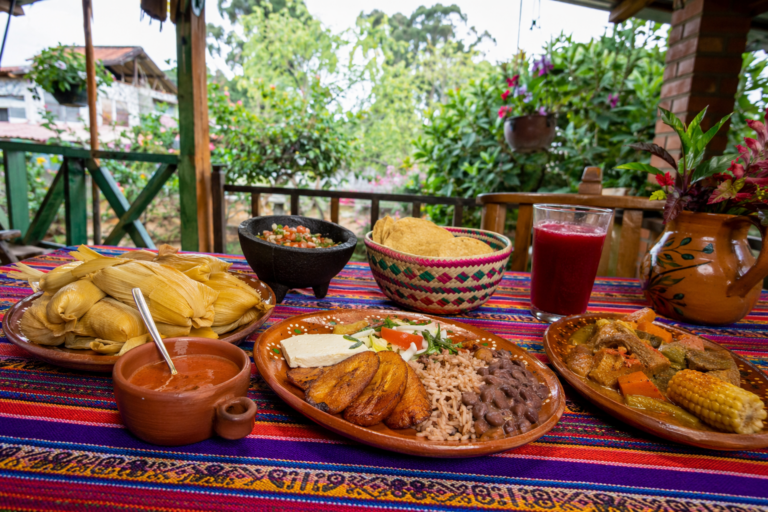
Let’s look at el salvador and costa rica. In el salvador, people love pupusas. They are round corn cakes, and these get filled with cheese, beans, or meat, then cooked on a hot plate. In costa rica, the well-known meal is gallo pinto. It’s made using rice and beans, and is often served with eggs, plantains, sour cream, cheese, avocado, tortillas, and a cup of coffee.
History plays its part, too. The food started with what people could grow or find here first. Later on, it changed with new ideas and foods from other places. People in central america end up with tastes that focus on corn, beans, being fresh, and meals made to bring everyone together, always ready to share.
How Central American Food Differs from Other Latin Cuisines
Central American food has a lot in common with other Latin American spots when it comes to what goes into the dishes. But the way these meals are made can be quite different. Central American food usually brings in things like corn dough, beans, rice, cabbage relish, and plantains. These give many of the meals an everyday and simple feel. You will see foods that are easy to carry or fill, and ones you can fry or cook on a griddle.
If you compare with South American cuisine, food from Central America leans more towards using corn. Dishes like pupusas and other sorts of flatbreads pop up a lot. South American meals on the list are things such as bife, ceviche, empanadas chilenas, and choripán. These meals show off their own local things and ways of cooking. As you look at Latin American food, you can tell regions in it change quite a bit.
It is separate again from food made in places like Puerto Rico. There you get things such as arroz con gandules or mofongo. But in Central America, people pay more attention to beans, tortillas, cabbage toppings, and basic flavours that use peppers, tomato, lime, and garlic.
Influences Shaping Central American Cooking
The food in Central America comes from more than one background. The main ingredients were always there, but later, new ways of cooking from Europe, Asia, and african influences changed things. These many layers help make latin american food so different in every spot.
Where people live matters, too. Those in coastal areas use lots of fresh seafood, so it is easy to see why foods like ceviche and seafood soups are so popular. People further inland eat more corn, beans, meat, and meals that fill you up all on one plate.
Every country has food that stands out. Honduras is known for baleadas, Costa Rica is famous for gallo pinto, Guatemala has fiambre, and Belize is proud of conch soup. These dishes have moved around as people move, especially into the united states, and became popular there, but remember they still mean a lot in the places where they started.
Essential Ingredients Used in Central American Cooking
At the heart of many Central American meals, there are a few key things you will see many times. Corn, beans, rice, chiles, seafood, beef, chicken, cacao, plantains—these all help make both everyday food and the food people eat on special days.
Fresh ingredients really make meals taste better, especially when it comes to relishes, salsas, ceviche, and fruit sides. You will also find coconut milk in meals from the coast and corn tortillas or other food made from corn in a lot of daily dishes. Now, let’s look at the staples, the taste makers, and the produce that make this food what it is.
Staples: Corn, Beans, and Rice
If you are new with this type of food, you can start with corn, beans, and white rice. You will see these are the main things people use in many homes in the region. They do not cost a lot and help you feel full. You can use them in many ways. That is why you often find them in central american food.
Corn is a big part of it. It gets made into corn tortillas, flatbreads, and corn cakes such as pupusas. Beans are used a lot too. People mash them for baleadas, cook them for bean soup, or have them with meat dishes. Black beans are in many meals, mostly with rice and in simple plates people eat every day.
White rice goes well with many foods and softens strong tastes. The dish called gallo pinto is the best-known one here. It has white rice and beans, which give it its speckled look. When you get to know these foods, you will find it much easier to make many other dishes and understand them.
Key Spices and Flavours
The taste here is bright and simple. It does not try to be fancy or hard to understand. Many dishes use just a few common things. But they use them well. You get freshness, a bit of acid, a soft heat, and something creamy. All of this mixes to make the food easy to like. Even if it is your first time, you can enjoy a meal.
You will often spot flavours like these:
-
chili peppers that bring warmth and a bit of bite
-
tomato sauce or salsa, which adds depth and keeps things moist
-
sour cream for a gentle coolness at the end
-
bell peppers that give some sweetness and their own smell
-
lime to make street food and seafood brighter
When you put these things together, you get the main tastes people link to the area. Think of shredded beef with sauce, tacos topped with onion and lime, or corn cakes that come with relish. The food is not just about spice. It is about finding the right mix of taste, feel, and difference.
Unique Fruits and Vegetables
Produce brings a lot of colour and style to many Central American dishes. Some of it is used as wrappers, some is for sides, and you will find a lot of it in sweet or savoury choices. This helps the food feel fresh and different, even if the main ingredients do not often change.
Some of the most common fruits and veggies are:
-
Ripe plantains, which people use to make sweet side dishes like maduros.
-
Green plantains, which are great for tasty snacks such as tostones.
-
Cabbage slaw or a bit of relish, often served with pupusas.
-
Avocado, that goes well with rice and bean meals.
-
Fresh fruit, which they enjoy by itself or with a meal.
Plantain leaves are also important, mostly used for wrapping up foods like nacatamales. They keep the food in shape and add flavour as it cooks. When you look at a plate with these foods, you really see how this region brings together comfort, freshness, and handiness in its meals each day.
Signature Flavours and Common Culinary Techniques
A lot of the best tastes in this food come from putting simple things together the right way. For example, you might see beans with rice, cheese and corn dough, seafood mixed with lime, or grilled meat served with peppers and some sauce. When you add a topping like pickled cabbage, it can give the dish a whole new feel.
The style of cooking is different across dishes. People grill, fry, wrap, or go for slow cooking. This variety is why a national dish from one place can be so different from another. To get a better idea of it all, we should look at the seasonings, the way things are cooked, and how all the flavours sit together on the plate.
Classic Seasonings in Everyday Dishes
Everyday food in Central America often uses a small set of toppings and spices to make food taste fresh and add some contrast. You do not need to fill your spice shelf to get this feeling. What matters is how you put creamy, sharp, salty, and bright things together in the right way.
Common finishing touches include:
-
queso fresco or fresh cheese with beans and foods made from corn
-
lime juice over seafood, tacos, and grilled meat
-
cabbage relish with pupusas
-
sour cream next to rice, beans, and tortillas
-
herbs and peppers in soups and sauces
These small details make many popular dishes stand out, from bean soup to gallo pinto in the morning with a cup of coffee. They help explain why traditional food from Central America feels special. The taste is usually clean and straightforward, not heavy or too complicated.
Traditional Cooking Methods Explained
The cooking methods in this style of cooking use what you have around. People use griddles, they fry things, they simmer food, and everyone makes stuffing and wraps up food. You often see these methods in the area. If you want to make easy dishes at home, this is a good place to start.
You will see ways like these:
-
Shaping corn dough and cooking it on a griddle for pupusas
-
Frying green plantains to make tostones
-
Simmering beans until you have a hearty soup
-
Wrapping fillings in banana leaves or other leaves
-
Cooking meat slowly until you can shred it to use in sauce
This style of cooking makes the food simple to try. You can start with beans, tortillas, fried green plantains, or a plain rice dish before you move to bigger things. Even food that looks hard is usually made by clear steps you can do over and over.
Balancing Sweet, Savoury, and Spice
One of the best things about this food is how it can mix sweet, salty, and spicy flavours with ease. You might get grilled meat or beans, a side dish that’s fresh, and something sweet made from ripe plantains or dairy. That mix is what makes the food on your plate so good and keeps things fun.
Ripe plantains are a great example of this. If they are green, you can make a crisp, salty snack from them. If they are ripe, people fry them and they turn soft and sweet. You can also get natural sweet from fresh corn. People use it in doughs and cakes, and it doesn’t take over all the other parts of the meal.
When you add desserts or treats, the food becomes even better. Rice pudding, some ice cream, or cold soft drinks go well next to stronger, savoury flavours. If you ask what gives this food its feel, it is really the balance. It is not just about the spice, but about how all these parts work together to make something nice.
Regional Specialties Across Central American Countries
Central America is a small place when you look at some other parts of the world. Still, the food changes a lot from country to country, and that is what makes it so interesting to try new things. Each region shows off what is fresh in the area, what people like, and the dishes that people want every day.
You might spot well-known central america foods like Salvadoran dishes such as pupusas, Honduran cuisine with baleadas, and Costa Rican meals like gallo pinto. Belize is known for lots of seafood in its food too. Here are a few countries that stand out and the foods that make their cooking style unique.
Belize: Creole and Mestizo Influences
Belize is known for mixing creole and mestizo food. That mix shapes what people eat there. It also shows why you see a lot of seafood and soups like conch soup and bean soup on the menu. You can see that the food from Central America is not just one thing.
Some things you will find in Belize are:
-
conch soup as a well-loved choice by the coast
-
bean soup as a filling meal for any day
-
plenty of seafood because the sea is nearby
-
creole cooking that adds flavour and style
-
mestizo ways that make meals more rich and interesting
Belize has a lot of different people, and you can see that in the food. The food shows more than just one story at a time. If you want to try food that is special to a place, try Belize. What you get on your plate is made by the people, the things they have, and the stories that they tell.
Costa Rica: The Art of Casado and Gallo Pinto
In Costa Rica, gallo pinto is one of the most well-known and loved dishes. It gets its name from how black beans mix through white rice and this mix gives the food a speckled look. Many people in Costa Rica have it for breakfast instead of as just a side.
A regular Costa Rican plate might have:
-
gallo pinto made with black beans and white rice
-
eggs on the side
-
fresh cheese
-
sour cream
-
plantains, avocado, tortillas, and coffee
The list also talks about a local veggie seasoning. It is salty, with a bit of cumin and pepper. Gallo pinto can be served plain or as part of a big meal. No matter how you eat it, gallo pinto shows how Costa Rica can make basic foods, like beans and white rice, into something truly special. This meal is something most people love and look forward to eating.
Honduras and Nicaragua: Baleadas and Nacatamales Explored
If you want food that is easy to like and makes you feel full, honduran cuisine is a good choice. One dish many people know is the baleada. The people make it using a thick flour tortilla with mashed beans. They also add other things you like, such as eggs or cheese.
Key features include:
-
baleadas made with beans and flour tortillas
-
things like eggs, cheese, avocado, hot sauce, and crema added on top
-
good for every day because they are simple and fill you up
-
nacatamales cooked inside a wrap
-
plantain leaves used to hold and steam the filling
These foods show you two different kinds of honduran cuisine. You can have something easy to eat on the go, or a meal that is steamed and wrapped up first. These foods let people see how every country in central america has special things you can spot and enjoy. Each one is easy to pick out and feels different from the others.
Must-Try Central American Dishes for Australians
If you are in Australia and not sure where to start, you should look at the Central American dishes people talk about a lot. They are well-liked because people find them easy to enjoy and share. Many use food you already know but prepare it in fresh ways.
The meals that you have to try cover both things you might cook at home and street food. Some good dishes to start with are pupusas, gallo pinto, baleadas, ceviche, rice and beans, and soups from the area. In the next parts, these dishes will be sorted into big meals, snacks, and choices that are good for people who don’t eat meat. This will help you pick your first meal with less stress.
Main Dishes to Start Your Central American Journey
When people talk about must-try dishes, they often mean the meals that show the everyday side of a place’s food. In central america, this often means food that fills you up, is handy to eat, and is full of different textures. Soups, grilled meats, and corn-based dishes are the ones you will want to try first.
A good list to start with is:
-
carne asada with its smoky, juicy taste
-
sopa de frijoles or bean soup
-
sopa de gallina india
-
sopa de pata
-
pupusas or other corn cakes with salsa and relish
These foods are some of the best in the region. You get the taste of grilled meat, hearty soup, and corn cakes in one go. If you only have time to try just a few dishes, start with these ones. They show what is popular now and what many people say is the heart of central america food.
Tasty Snacks and Street Foods
Not every bite that sticks with you has to be a big meal. Some of the best flavours can be found in street food or quick snacks that people eat during the day. These types of foods are easy to get, cost less, and often have a good mix of tastes and textures.
Popular snack-style options include:
-
pupusas with cabbage slaw or relish
-
fried green plantains like tostones
-
mexican tacos that people now love all across the area
-
tortilla chips with salsa or dips
-
ice cream and sweet treats if you feel like something lighter
Street vendors are a big part of how people get to enjoy these foods. That’s because these snacks sometimes show off local flavour just as much as your main meal does. If you want a simple way to get to know a type of food, these small bites are an easy and fun place to start.
Delicious Vegetarian Options
Yes, there are a lot of good vegetarian choices in this food. This is true if you like dairy products. Many dishes use beans, rice, corn, plantains, and fresh veggies. So, you do not always need meat to get a good meal.
Good veggie options are:
-
cheese and bean pupusas
-
gallo pinto with eggs or avocado
-
black beans with rice
-
fried plantains as a side dish
-
empanadas sin carne with a plant-based filling
These recipes are easy to try at home too. You can make a simple bean filling, warm up some tortillas, fry up some plantains, or serve rice and black beans with salsa. For Australians who are new to this food, these vegetarian dishes are an easy and tasty way to start.
Sourcing Central American Groceries and Ingredients in Australia
Finding the right groceries in Australia can help a lot when you want to make Central American food. The good thing is you will find that most of the important fresh ingredients are easy to get here. These include beans, rice, avocados, peppers, tomatoes, limes, cheese, and other things like cabbage and coriander.
The harder bit is when you look for more special ingredients. It can be tough to get certain corn products or plantains. That is when it helps to shop smart and use some Australian swaps. To keep things easy, the next part will show you where to look for these items near you and what you can use instead if you can’t find the exact fresh ingredients.
Where to Find Authentic Ingredients Locally
You can start with regular grocery stores for the basics. Beans, rice, tomatoes, bell peppers, cabbage, avocados, limes, cheese, and sour cream are widely available and cover a large share of central american home cooking. These fresh ingredients are enough to make several classic dishes.
For more specific items, look beyond standard supermarkets. Latin food shops, speciality grocery stores, and markets with imported products may stock corn flour, plantains, or regional sauces. In some cities, food stalls and street vendors may also give you a chance to taste dishes before you cook them yourself.
|
Ingredient or Item |
Where to Look in Australia |
|---|---|
|
Beans and white rice |
Major grocery stores |
|
Cabbage, lime, avocado, peppers |
Fresh produce sections and markets |
|
Fresh cheese or similar dairy |
Supermarkets and deli counters |
|
Corn flour products |
International aisles or speciality grocery stores |
|
Plantains or regional items |
Latin food shops and larger multicultural markets |
Australian Substitutes for Hard-to-Find Items
Sometimes, you will not be able to get the exact ingredient. That is okay. Australian swaps can still help you make a dish that feels right. The goal here is not to be perfect. You just want to get close to the right texture and taste, so you can enjoy cooking and eating at home.
Useful swaps include:
-
use local corn flour products if you cannot find special masa
-
use fresh corn when you need a strong corn taste in your food
-
use common dairy products if you do not have the regional cream or cheese
-
try firmer bananas if you cannot get green plantains, but the final dish will not be the same
-
use standard cabbage for your relish or slaw on top
These ideas work well in simple dishes like rice and beans, breads made from corn, or meals filled with vegetables. If this is your first time, focus on getting the balance of the whole dish. You do not have to hunt down every single original ingredient from the pantry.
Conclusion
Central American food brings a bright mix of tastes to your table. The food has long-standing culinary traditions and uses many unique things to cook with. People in the region enjoy these foods, but you can also try them in Australia if you want something new. You can get to know this type of cooking by learning about the main things they use and what dishes are well-known. This means you can enjoy tasty meals right from your kitchen at home. Try to find real ingredients if you can, or use what you have here to make the recipes work. There’s something here if you have cooked a lot before, or even if this is your first go. So, jump into the food world of Central America and enjoy what it has to offer!
Frequently Asked Questions
Are Central American dishes suitable for vegetarians or vegans?
Yes, you can find many vegetarian foods in central American dishes. There are beans, rice, meals made with corn, plantains, and a lot of fresh vegetables. These show up often when you eat out or try street food. Many street food items can also be made in a way that fits your needs. Vegans will want to check for dairy products like sour cream, cheese, or crema in any fillings or toppings to be sure they are not included.
Which Central American recipes are easiest for beginners to try at home?
A good easy recipe list has rice and beans, simple bean soup, cheese-and-bean pupusas, and basic taco-style meals. You use corn tortillas and salsa for that. These are the kind of central american food you can get without having to find hard-to-get ingredients or learn tricky ways to cook.
How can I experience authentic Central American cuisine without travelling outside Australia?
You can find central American culinary heritage in Australia in a few easy ways. Try cooking at home with fresh ingredients. If you need, swap in some good Australian substitutes. Begin with simple dishes like pupusas, gallo pinto, or baleadas. After that, check out places selling street food. You can also go to speciality shops for an even more real taste.