Key Highlights
-
Central African food uses staple foods like cassava, yams, plantains, and rice.
-
Some key ingredients are cassava flour, palm oil, peanut butter, okra, spinach, and chili peppers.
-
The culinary heritage of the Central African Republic comes from what people grow, how they trade, and their shared ways of living.
-
Foods like meat, fish, and peanuts give people good sources of protein in all their meals.
-
You will often see hearty stews, pounded starches, and leafy sauces at home and on special occasions.
-
Australians can use local ingredients to make easy, tasty dishes with familiar staple foods just like in Central Africa.
Introduction
If you want to know more about what people eat in the Central African Republic and the broader Central Africa area, you’ll see the food comes from how people grow things, the rivers they have, the forests around them, and what works day-to-day. People cook meals with a lot of starches, leafy greens, rich sauces, fish, and a bit of meat here and there. In the Central African Republic, you’ll find cassava, rice, plantains, peanuts, and palm oil used again and again in the food. For people in Australia, this type of cuisine can feel new and special, but still warm and easy to try, with comfy textures and rich flavours that remind you of home food.
Essential Ingredients in Central African Cuisine
At the centre of this cuisine are foods that are simple and filling. The key ingredients used in Central African recipes are cassava flour, rice, yam, plantains, okra, spinach, onions, garlic, peanuts, and palm oil. These staple foods help make up daily meals. They also give dishes their usual texture.
Some local ingredients are grown in the area, while others come from crops of American origin, like maize, manioc, peanuts, chili peppers, sweet potato, and tomato. For protein, people go for chicken, goat, fish like nile perch, and peanuts. These basics bring out the flavours in the cuisine and let us explore different tastes in these dishes.
Staple Foods: Cassava, Yams, Plantains, and Rice
Many of the most liked dishes in Central African cuisine start with a staple base. Cassava is key in this. It’s a root vegetable, and you see it as boiled manioc, fufu, or cassava flour paste. Yam, plantains, and rice are also core. These things make your meal feel fuller. They also help balance strong sauces and stew dishes.
Most times, these starches come with leafy greens, fish, or meat. In homes and at the market, the staple isn’t just something to fill the plate. It changes the way you eat and the way you pick up flavours from the broth or sauce. People often eat by hand.
-
Cassava is used for fufu and gozo.
-
Yam can be boiled, mashed, or pounded.
-
Plantains are served plain or pounded as foutou.
-
Rice is found in both village and town meals.
-
These starches help anchor many local dishes.
For nlp and search intent, the short answer is easy: cassava, yam, plantains, and rice are the backbone of the table every day.
Unique Spices, Herbs, and Flavour Profiles
What makes Central African food have its special taste? There is not a lot of complex mixes used with the spices. Instead, there is a steady use of some bold ingredients. You will find palm oil used a lot. Palm oil gives food good colour and richness. People also use palm butter in soups, and peanut butter helps make sauces, porridges, and stew thick and hearty.
The use of spices stays clear and simple. Chili peppers bring some heat, and onions and garlic help to build up the flavour from the start. Okra helps with texture in the food, and leafy greens make dishes feel whole. All these make the food taste earthy, savoury, and comforting.
-
Chili peppers bring warmth and a sharp taste.
-
Palm oil gives extra depth and rich red colour.
-
Palm butter gives soups a full, thick feel.
-
Peanut butter makes a nutty, rich ending taste.
By using these spices and bold items, Central African meals get their special taste without being too hard to make.
Signature Central African Dishes Australians Should Try
If you are new to central african food, you should begin with meals that give you a feel for everyday life and the way people eat there. In the Central African Republic, some popular dish options are fufu, maboké, muamba, palm butter soup, spinach with groundnuts, and grilled meat with plantains or rice.
In central african countries, these local dishes show how the people cook with things like cassava, fish, peanuts, and palm oil. If you are in Australia and this food is new for you, it is easy to start by trying one fish-based meal and one plant-based side. This is a good way to get an idea of the region’s food before moving on to find more favourites.
Meat and Fish-Based Specialties: Kôkô na gnama and Maboké
For Aussies who like a good savoury main, starting with meat and fish dishes works well. Chicken, goat, beef in meatballs, peanuts, and fish like nile perch are some common sources of protein. In Bangui, locals know nile perch as capitaine, and it is a fish often found in their popular dish options.
Maboké is a stand-out choice when talking about fish-based dishes. Maboké de capitaine uses nile perch and shows how much river fish matters in these meals. The way this food is cooked is simple and practical. The fish gets to be the main part, with a few staple sides on the plate too.
Kôkô na gnama is another good fit in the world of hearty stews and meals that are big on protein in Central African cooking. These meals are special because people make them at home, they use steady seasoning, and you see them more in daily eating than in fancy restaurants. When you ask about the usual meats and fish, it is chicken, goat, beef, and river fish that come up most.
Popular Vegetarian and Plant-Based Dishes
Plant-based eating is a big part of central Africa cuisine. Many dishes use a variety of vegetables, leafy greens, and peanuts instead of lots of meat. Spinach cooked with groundnuts, cassava leaves, okra dishes, and palm-based sauces show that you can have a nutritious dish that is tasty and filling.
People usually eat these foods with a starchy side dish. Fufu is a common pick. Rice and plantains are also seen a lot. You get a balanced plate made from simple things that are easy to spot.
-
Spinach with groundnuts is a plant-based option you see often.
-
Cassava leaves are used plenty in central Africa.
-
Fufu is a dependable starchy side dish.
-
Okra brings texture to many vegetable meals.
If you want to know which old-school dishes are a good way to try first, these leafy and peanut-based mixes are great to start with.
Cooking Traditions and Food Preparation Methods
Central African culinary heritage is the way people cook the food that grows near them. They use what comes from their land, rivers, and the places they get their food. For general information purposes, you often see the pounding of starches, slow cooking of sauces, grilling of meat, and greens cooked until they are soft. The importance of food here is not just about living, but also about sharing it with others.
When you look at the african continent, you see this cuisine uses cassava, peanut sauce, palm oil, and straightforward methods. To know more about the way people make their dishes, you need to see their cooking steps and the way they eat together. This is how the culinary heritage is passed on.
Traditional Central African Cooking Techniques
Traditional Central African cooking techniques are practical and closely linked to staple ingredients. Cassava may be boiled and pounded into fufu, or dried and turned into cassava flour for gozo. Sauces and stew dishes are simmered slowly, while fish and meat may be grilled or barbecued at roadside stalls.
Another clear feature is the use of palm oil in soups, vegetable dishes, and meat preparations. Broth-based meals are also important because they help stretch ingredients and coat starches well. This differs from some other regional cuisines by placing extra focus on cassava textures, leafy sauces, and peanut or palm-based richness.
|
Technique |
How it is used in the cuisine |
|---|---|
|
Pounding |
Used to turn cassava, yam, or plantains into fufu or foutou |
|
Simmering |
Builds a rich stew or broth with greens, peanuts, or meat |
|
Grilling |
Common for goat and other meats at stalls and markets |
|
Flour cooking |
Cassava flour is cooked into a thick paste such as gozo |
These cooking techniques create meals that are hearty, efficient, and well suited to communal eating.
Cultural Mealtime Customs and Celebratory Dishes
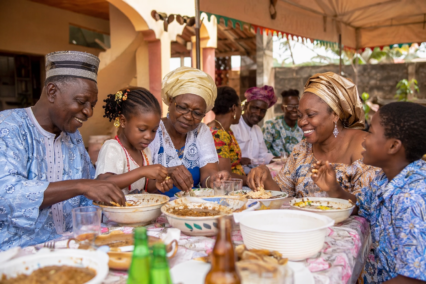
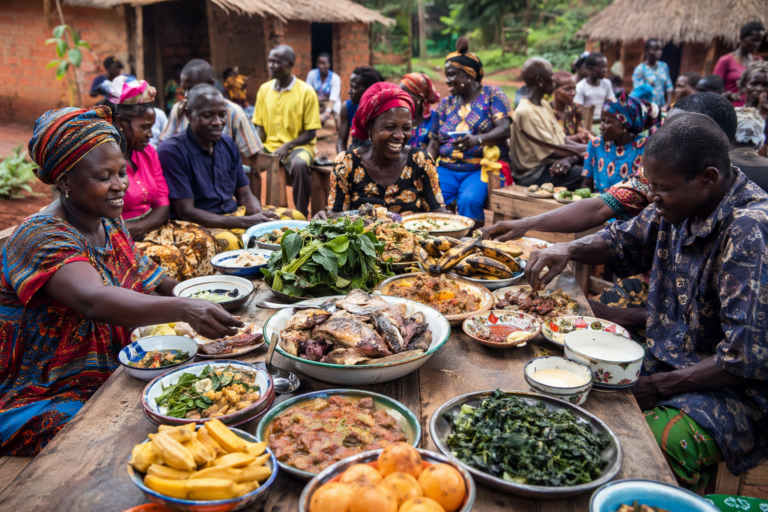
Food holds a big place in the Central African Republic. The importance of food is not just about eating or filling hunger. It brings families together, shows local traditions, and helps people be welcoming in daily life. Fufu, rice, and plantains are basics that most people eat. The dishes usually come with a sauce or stew. This is something everyone can gather around.
For special occasions or celebrations, the food changes to richer dishes. The menu might include chicken and cumin stew, muamba de galinha, palm butter soup, grilled goat, or meals with peanuts. Dishes like these have a special taste and make these meals feel different. People’s food habits can be different with each ethnic group and region, but sharing food remains important.
If you ask about a classic festival dish, there is not just one national dish listed in the information. For parties or big events, food usually has better meat, heavier sauces, and favourite basics. This step from daily food to festive food is one way the Central African Republic’s cuisine feels different from other places in Africa.
Conclusion
To sum up, trying central African food is a fun way to taste new things and learn about strong flavours, different ingredients, and lively traditions. You can use foods like cassava, yams, and special spices to make meals that taste great and show off a rich culture. If you want to cook something new, like kôkô na gnama, or even a filling veggie meal, you will feel the comfort and togetherness found in central African cuisine. This is a good way to put a bit of happiness on your table. Give this cooking journey a go! If you want to get more out of it, you might like a free chat with local experts who will help you get to know these foods and spices better.
Frequently Asked Questions
How does Central African cuisine stand out from other African cuisines?
Central Africa is known for using a lot of cassava, plantains, rice, peanuts, and palm oil. You will see these staple foods in many dishes across central African countries. These meals often come with leafy sauces, fresh fish, or small pieces of meat. People in Africa do not use many complex blends of spices. They mostly use simple spices and get bold flavours from things like palm oil and peanuts.
Where can I try authentic Central African food in Australia?
The information given here does not show restaurants in Australia. If you want central african food or places from the central african republic, you should search close to where you live. Look for African community dining spots that talk about local dishes. You can also go to a restaurant’s homepage or help center if they have one. Try to find meals like cassava, maboké, fufu, or food made with peanuts.
Can you suggest a simple Central African recipe to make at home?
Here is a simple recipe you can make at home. Try a peanut butter stew served with cassava or rice. For this dish, use local ingredients like onion, garlic, spinach, and a bit of chili if you want it to have heat. First, cook the veggies slowly. Then, add peanut butter to give the stew some body. Serve the mix with boiled cassava. It’s an easy, home-style meal that you, your friends, or your family will enjoy.