Key Highlights
-
The most popular caucasian dishes are khachapuri, khinkali, qutab, piti, lavash, and armenian barbecue.
-
Food traditions can be different for each of the ethnic groups. Every community makes a traditional recipe in its own way.
-
You will find fresh herbs in nearly everything, like salads, breads, and dumplings.
-
Sweet bread and nut-filled pastries are a good treat that is found all over the region.
-
Popular street food is made up of qutab, khinkali, and regional pies that are sold hot and fresh.
-
Georgia, Armenia, and Azerbaijan have their own flavours, cooking styles, and table customs.
Introduction
Caucasian food is not just one kind of cooking. The style comes from the way people in the mountains, small towns, busy travel spots, and different ethnic groups make their meals. In Georgia, Armenia, and Azerbaijan, you will find that each place has its own national cuisine. The meals here are built around bread, cheese, meat, herbs, and fresh things that are in season now. You might think a traditional recipe looks easy at first. But, every family does it in their own way. If you want to know what to try first, this guide will help you get what this food culture is all about.
Exploring the Rich Diversity of Caucasian Cuisine
Caucasian food is special because it mixes homey dishes with lots of choices. The most popular caucasian dishes are breads, dumplings, soups, barbecue, and sweets. The details change in different places. You can find various fillings like cheese, pumpkin, greens, and meat.
The region has many ethnic groups, and each cooks the same dish in their own way. A classic armenian lunch of bread, cheese, tomatoes, cucumbers, and mixed herbs can be just as good as a big feast. To get what that means, you should start with learning about the culture behind the food.
Introducing the Unique Food Culture of the Caucasus
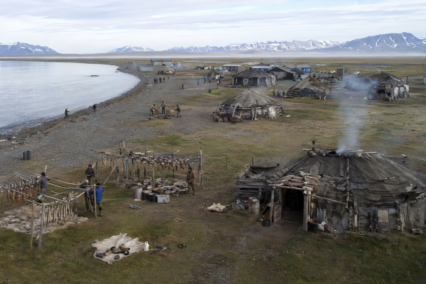
The Caucasus is a mostly highland area. That landscape has a big say in how people eat there. Mountain travel, village life, and local farms help shape what ends up on the table. Meals are often practical, filling, and generous. They also have a strong sense of identity.
In one corner of Russia and further south in Georgia, Armenia, and Azerbaijan, food is closely tied to the place. Even nearby communities make bread, dumplings, or pies in their own way. North Ossetia is famous for stuffed pies from mountain regions. It shows how local habits stick with people.
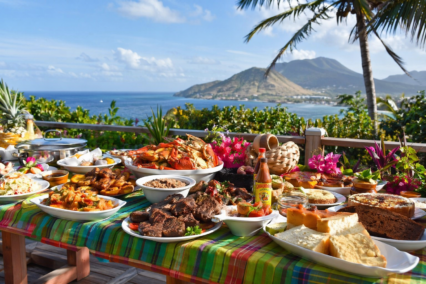
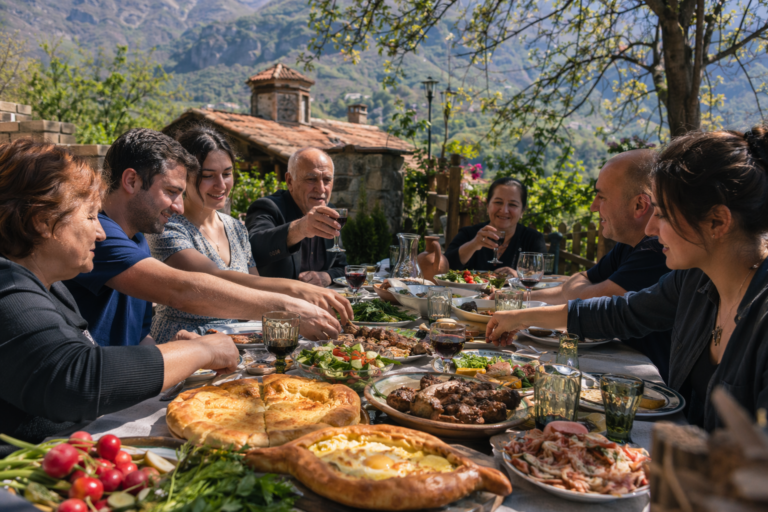
You will see big slices of meat, fresh bread, herbs, and dairy. Many dishes are meant for sharing, at roadside stands, guesthouse breakfasts, or big festive tables. The mix of simple food and local pride is at the heart of Caucasian food culture.
Influences Shaping Traditional Caucasian Dishes
Traditional Caucasian food comes from the land, trade routes, and cooking at home. You’ll often see mountain greens, village cheese, local fruit, grapes, and livestock. That is why things like bread, stew, grilled meat, and dumplings feel so tied to the area.
Some dishes use large pieces of dough filled with cheese, herbs, or meat. Others have nuts, grape molasses, or dried fruit. Local chefs and families cook the same foods in dozens of ways. Khachapuri shows up in many regional styles. Qutab changes with whatever fillings you can get.
Where a dish starts can be a matter of dispute. Lavash is closely linked with Armenia, but its flatbread tradition spreads across other places. For travellers, what matters most is not who says they made a dish first. People care more about how each area keeps the dish alive with daily cooking, not mass production.
Essential Ingredients in Caucasian Cooking
If you ask what things are used the most in Caucasian food, a few show up right away. There are always fresh herbs, fresh greens, cheese, flour, walnuts, grapes, yoghurt, and meat. You can also find rice dish traditions, mainly when you are in Azerbaijan.
Dairy is important, too. People eat sour cream, village yoghurt, and other milk drinks with their bread or dumplings. In some spots, corn flour and wheat are part of the food as well. When you know these simple things, it’s much easier to pick out the main foods and what flavours you get in this region.
Grains, Dairy, and Pulses: The Staples
The main part of cooking from the Caucasus is using basic foods every day. You will often see grains like wheat and bulgur in pies, salads, and bread. Rice is in soups and in meals that are stuffed with different things. These foods might not be the first thing you notice, but they help give every meal a base.
Dairy is also very big in their food. People use all sorts of cheese, yoghurt, and other things made from cow’s milk. For example, in Armenia, breakfast can be butter, honey, jam, sour cream, and cottage cheese served with flatbread. A soft cheese or sour cow milk might be in a dipping sauce or a snack bought by the roadside.
Another main food group is pulses. You will find chickpeas and beans often in soups and stews. Village yoghurt or sour cow milk is served with dough-based plates. These foods do not cost too much, fill you up well, and go with herbs. That makes them handy for meals at home or taking out when you travel.
Signature Herbs, Spices, and Flavour Profiles
One thing you always notice in Caucasian food is how much fresh herbs get used. They are not just put on top for looks. The herbs are in the meal itself. You see lots of fresh greenery served on plates, mixed into bread, and wrapped up in lavash with cheese.
A classic Armenian lunch is simple. The meal can have bread, a mild type of cheese, tomatoes, cucumbers, sweet pepper, and mixed herbs. This mix says much about the taste from the region. Fresh greens bring liveliness. Cheese and bread add some balance.
The usual flavour notes are:
-
dill, parsley, coriander, mint, and basil
-
spring onions and beetroot leaves are found in stuffed pies
-
walnuts and pomegranate are added to vegetable dishes
-
cinnamon, clove, and coriander go into sweet bread
All these flavours together make the food fresh. It is savoury and has gentle aromas. It never feels heavy.
Traditional Breads and Pastries Across the Caucasus
Bread is a simple way to get to know the Caucasus. You will see thin flatbreads, cheese breads, pies with fillings, and cakes for special times. They are served in homes, shops, and even roadside places. Some have soft and bendy bread, while others are made with puffy dough or crisp edges.
There is a lot of different types from place to place. Sweet bread from Georgia, pies cooked in a pan, and small thin rhombuses are made in many spots in the area. Now, let’s check out the breads people remember the most.
Lavash, Matnakash, and Cheesy Khachapuri
Lavash is one of the best-known breads in the region. In Armenia, it’s more than just something on the side. You will see it at most meals. People wrap it around herbs, cheese, or grilled food. When it comes out of the oven, lavash is soft, but it dries pretty fast. You can make it soft again by using a bit of water.
Khachapuri is the main bread icon in Georgia. The traditional recipe is pretty simple—bread filled with soft cheese. There are a lot of other versions too. Imeretian khachapuri uses local cheese. Adjarian khachapuri looks like a boat and has cheese, butter, and egg on top.
Soft cheese shows up often in these breads. Matnakash also fits in when we talk about daily loaves in Armenian food. The important thing is how bread is always a staple and can also be the main thing at the table—not just something small on the side.
Stuffed Flatbreads and Regional Pies
All over the Caucasus, a stuffed flatbread is often seen as a proper meal. One good example is Azerbaijan’s qutab. The filling can be pumpkin, wild greens, meat, or cheese. The flatbread is folded, then cooked fast. The versions found by the road can taste rustic and rich. They are also very satisfying.
Seasonal fillings matter a lot in these dishes. In villages, cooks use what greens they have at the time. This makes the taste change from one place to another. In mountain areas of Georgia, these stuffed pies may have herbs, walnuts, eggs, butter, and cheese. They are cooked in a pan until the outside is golden.
Some use boiled dough instead of cooking in a pan, but the idea is still clear. It is simple pastry that holds good, tasty fillings. Whether you get one from a bakery, guesthouse, or a street stall, these pies from the region show how local flour and fresh food can make something that is easy to carry and always stays fresh.
Classic Meat Dishes and Street Food Favourites
If you want to know about the most popular traditional dishes in Caucasian food, meat is a big part of it. Think grilled shashlik, dumplings filled with broth, rich stews, and armenian barbecue. These are usually served with bread and young potatoes. The food is filling but not hard to make.
When it comes to eating out, popular street food includes qutab, khinkali, and local pies. You may see roast meats with young potatoes or herbs. The meat traditions show why people who come to this area love the place when they get hungry.
Grilled Shashlik, Kebabs, and Barbecue Traditions
Grilled meat is a big part of many Caucasian meals. People may call it grilled shashlik, kebab, mtsvadi, or khorovats. No matter the name, the reason why people love it is clear. There is fire, smoke, skewers, and fresh bread. These do most of the work. Even using simple things, the meal feels special.
In Armenia, armenian barbecue is almost part of the culture. Khorovats might use beef, lamb, pork, chicken, fish or veal. This meal often comes out for important times. Some cooks use small chunks of meat, while some go for big slices of meat. You might see it served with roasted potatoes and lavash.
Not every meat dish is cooked on a skewer. Some meats are grilled, then kept plain. Others come to the table with sauces or even with sour cream. Some foods might be cooked in a pan or in a dry pan, but these still go well with barbecue. The whole feeling is still about sharing food, being open, and enjoying strong, bold tastes.
Khinkali and Hearty Dumplings on the Go
Khinkali are one of the most popular street food the region has. You will remember them once you try them. These Georgian dumplings are made of boiled dough and are filled with raw meat, onions, spices and broth that cooks inside. You eat them with your hands. First, you sip the juices from the middle.
The top of the dough is pleated so it keeps all the filling inside. Meat is the best-known type, but you can also get khinkali filled with mushrooms, cheese or potato. So, khinkali are a bit like other dumplings that you might have had. But they are also something special.
These dumplings are filling and easy to eat on the go. That’s why people love them and why they are so popular. When you travel, khinkali are a good quick meal, same as many pies in the region. Sometimes in some places, you will see dough dishes served with plain yoghurt or sour cow milk. This adds a cool taste along with the rich flavour inside.
Celebrated Vegetarian Dishes of the Caucasus
Caucasian food is not just made with meat. If you go for vegetarian meals, you will find a lot to try. There are beans, nutty eggplant dishes, fresh vegetable salads, breads full of herbs, and plates with foraged greens. You see lots of fresh greenery on the table, plus plain bowls of tomatoes, cucumbers, peppers, and cheese. Young potatoes pop up next to breads and grilled veggies. The next sections show the vegetarian dishes you should look for.
Hearty Bean Stews and Nutty Eggplant Specialties
Beans are one of the most handy ingredients you’ll find in the Caucasus. In Georgia, you can get simple pots of beans or try bread that’s stuffed with them. They fill you up, don’t cost a lot, and be made tastier with fresh herbs or some good spices. This is why people choose them often, especially if they do not eat meat.
Eggplant dishes with nuts are also a good pick. Eggplant rolls with walnuts come from Georgia and have seasoning and pomegranate that give more flavour but keep the meal light. There’s also ajapsandali, which is a veggie stew that has eggplant and other bits that is light, but still tastes good.
These meals show how fresh herbs are used in food — not just to look nice, but to add a lift to the taste. On the table, the dishes might be with bread, a salad, dairy, or with cottage cheese or sour cream. If you want a meal with no meat that still is a part of local food ways, these dishes are a top way to try.
Fresh Vegetable Salads and Foraged Greens
Some of the best vegetarian food in the Caucasus is simple. Fresh vegetable salads made with tomatoes, cucumbers, peppers, and herbs show up often. You will find them served with bread and cheese. They help to balance heavier dishes and can be a full meal when the weather is warm.
Foraged greens play a big part too. In Azerbaijan, qutab gets filled with wild greens picked nearby. The taste changes as the season does. In Georgia, pies are stuffed with spinach, dill, beetroot leaves, and other fresh greens. These get mixed with cheese, walnuts, or butter.
On many tables, you will see lots of fresh greenery, sometimes just in bunches not chopped up. Spring onions, herbs, and leafy greens are eaten with bread or wrapped in lavash. This habit makes the food in the region feel lively, seasonal, and close to the land.
Culinary Differences Between Georgia, Armenia, and Azerbaijan
Georgia, Armenia, and Azerbaijan all use some of the same ingredients in their cooking. But each country has its own national cuisine and a different food focus. Georgia is well known for cheese breads, dumplings, walnuts, and wine. Armenia is about lavash bread, grilled foods, dairy, and dishes made for celebrations. Azerbaijan is special for stuffed flatbreads, clay-pot stews, tea, and food with rice.
Even when the dishes seem close, local chefs make them their own way. Bread types, fillings, and flavours often be a matter of dispute. That adds to the fun. Let’s see what each country puts out on the table.
Georgia’s Signature Dishes and Wine Pairings
Georgia is often the best place to begin if you want a broad introduction to Caucasian food. The country combines khinkali, khachapuri, beans, walnuts, and fresh herbs with a strong wine culture. Meals can feel rustic, but they also carry a deep sense of regional identity.
Wine matters here in a special way. Georgian winemaking uses qvevri, large clay vessels buried for fermenting and ageing. The wines are often direct and earthy rather than polished, which suits the food well. Local chefs do not need complicated plating when the bread, dumplings, and wine already have personality.
|
Dish or Drink |
What to Expect |
|---|---|
|
Khinkali |
Broth-filled dumplings, eaten by hand |
|
Khachapuri |
Cheese bread in several regional styles |
|
Churchkhela |
Nuts coated in grape must, chewy and not too sweet |
|
Wine |
Often fermented in qvevri, with a natural, rustic profile |
Armenian Culinary Classics Not to Miss
Armenian food is mostly based on bread, dairy, and grilling meat. Lavash is what people eat every day, and it’s something they feel proud of. People often build their meals with herbs, veggies, and white cheese. Even a simple meal feels just right when the bread is fresh and the ingredients are good.
Armenian barbecue, known as khorovats, is one of the main dishes there. The traditional recipe depends on who’s cooking and what the occasion is. But one thing is clear—grilled meat is there during celebrations. Lavash, roast potatoes, and herbs are usually served with it, making the meal well-balanced but not too fancy.
Armenian food also has softer and sweeter sides, perfect for festive times. Gata is a pastry people really love. For breakfast, spreads will often have sour cream, jam, butter, and soft cheese. Armenian brandy is famous, and on New Year, you’ll see rich breads, grilled food, and desserts on the table.
Azerbaijani Delicacies and Comfort Food
Azerbaijani food is all about good, simple comfort. Qutab, piti, plov, and country soups show that bread, broth, rice, and slow cooking are important here. The flavours can be full but they stay clear and easy, especially with herbs or yoghurt by the side.
Plov is the main rice dish. You will find a few different types, depending on where you go. Piti is made mostly in the Shaki region. It’s a clay-pot stew cooked long and slow. People put lamb, onion, potato, chickpeas, dried plums, and saffron broth in it. These meals feel fresh, local, and fill you up.
You might find pastries and sweets sliced into thin rhombuses. Kebabs and dishes with big slices of meat are common too. If you have a classic armenian lunch, it’s more about bread, cheese, and herbs. Azerbaijani meals usually have stews, tea culture, and hot food cooked by the side of the road. Sometimes there are young potatoes on the plate too.
Sweets and Desserts at the Caucasian Table
Dessert in the Caucasus is big on nuts, syrup, fruit, and pastry. Baklava is a well-known sweet, but it’s just one choice. You will also find churchkhela, shekerbura, gata, and many cakes at markets or sold by the road.
Some of the sweets are rich and have layers, while others are made with puffy dough or dried grape must. These add a nice taste and feel. Sweet bread is also popular in the region’s dessert scene. The next few parts will talk about the most well-known treats you can expect to see.
Baklava, Shekerbura, and Nut-Based Treats
Baklava is one of the favourite sweets in the region, and Azerbaijan has made its own takes on this layered treat. It’s full of syrup, nuts, and pastry, which is something many people in the Caucasus enjoy. This makes it a good choice if you want to try these desserts for the first time. If you like rich and sweet food, baklava is a great start.
Shekerbura is another key Azerbaijani pastry. The recipe can change, but it’s always a special sweet with nuts, usually brought out for celebrations. People like to eat it with tea. Along with baklava, shekerbura shows that treats with nuts are always at the table, not just now and then.
There are also desserts from this area that are a lot like bread. For instance, nazuki is Georgian sweet bread that you make with cinnamon, clove, and coriander. Other sweets might be pastries that get soaked with syrup, then filled with cheese or light, puffy dough. These are soft and rich desserts. And while they all look different, there is a shared sense of warmth and giving when people serve them.
Gata, Churchkhela, and Festive Pastries
Gata is a sweet bread that most people know from Armenia. You see it everywhere, and it’s easy to grab and carry. People call it a sweet bread or a pastry. If you are visiting, gata is a simple way to try an Armenian dessert without sitting down for a full meal at a restaurant.
Churchkhela comes from Georgia, mostly Kakheti. The traditional recipe uses nuts like walnuts, hazelnuts, or almonds. They get put on string and dipped again and again in grape juice until they have a chewy layer on the outside. Churchkhela is not very sweet. That’s one reason people find they like it even more than they thought they would.
Festive pastries in the area show off local ingredients and seasonal fillings. You might get nuts, dried fruit, cheese, or spiced dough. It depends on where you go. The traditional recipe can be different from one place to another, but the reason for the pastry is the same—it brings celebration, shows hospitality, and lets everyone share something sweet.
Traditional Drinks and Beverages of the Region
Drinks in the Caucasus include both well-known wines and simple drinks you might have every day. Georgian wine is a big reason people visit, and armenian brandy and stronger drinks are also easy to find. Along with these, there is black tea, mineral water, and yoghurt-based milk drinks.
At the table, non-alcoholic choices matter just as much as the other drinks. armenian coffee is often served to guests. Plain yoghurt or sour cow milk can be put out with filling meals too. If you want to know how these drinks go with food, it helps to look at the special ones for parties and the drinks people have each day.
Wines, Chacha, and Non-Alcoholic Specialties
Georgia really stands out in the region for wine. The traditional qvevri method gives many wines there a simple, earthy taste. If you want to pair food and wine, this wine goes well with cheese breads, dumplings and grilled dishes. The flavours in the wine and the food are clear and strong on both sides.
Chacha is another well-known drink in Georgia. This spirit is made from what is left after making wine. It can be very strong. Many people who visit want to taste it, but it is not a drink for every day. Armenia is also known for its armenian brandy.
Drinks without alcohol are still a big part of meals across the region. People pour mineral drinks, flavoured lemonade, yoghurt, and other milk drinks with their food. Some dishes made with dough or rich foods go well with plain yoghurt or sour cow milk. That way your mouth feels cool and your whole meal feels balanced.
Herbal Teas and Everyday Refreshments
Tea and coffee play a big role in daily life. In Azerbaijan, black tea is a favourite and people often have it with sweets or to welcome guests. Armenia is famous for armenian coffee, which is made on the stove. It’s usually served to guests and hikers.
There are also local soft drinks that have been around for a while. One example is Georgian Lagidze Water. It’s made from syrups with fruits and fresh herbs, and it became popular in the late 19th century. This shows that drinks in this part of the world can be classic, but also a bit special.
People still enjoy yoghurt-based drinks and plain water as well. In Armenia, you can find public fountains, and having a drink of water is a daily treat. Over in the russian caucasus, close to Armenia, black tea and dairy drinks are an important part of the russian diet. Even local chefs often keep things easy with simple and tasty drinks.
Conclusion
To sum it up, Caucasian food is full of colour and flavour because of its deep history and the many places it comes from. You will taste rich Georgian khachapuri and feel the strong spices in Armenian meals, so there is something for everyone. When you try these foods, you not only find lots of new flavours, but you also learn about the stories behind each dish. You might enjoy sweet baklava or have a sip of chacha, and you will feel the warm welcome this area is known for. Why not try cooking some dishes from the Caucasus in your kitchen? Go ahead and use these tastes at home. If you want some help made just for you, reach out anytime for a free chat!
Frequently Asked Questions
What makes Caucasian cuisine unique compared to other regional foods?
Caucasian cuisine is special because many ethnic groups use the same things, but each one prepares them their own way. You often see regional pies, grilled shashlik, platters of herbs, and dumplings. There will also be a traditional recipe that is different in every village or family. That mix of local identity, bread culture, and big slices of meat helps make the region stand out.
Are there easy Caucasian dishes Australians can try making at home?
Yes, Australians can try making thin flatbreads, simple cheese breads, or herb wraps with fresh herbs and cottage cheese. Qutab-style breads with seasonal fillings are also easy to make. If you want something warm, you can make a rice dish with dried fruit and nuts that is inspired by home cooking from the region.
How do local food traditions vary across the Northern Caucasus?
In the Russian Caucasus, food comes from a mostly highland area. This means you will see plenty of breads, stuffed pies, and dairy-based meals. North Ossetia is well known for mountain pies. People in the area also like using herbs and cheese in their food. If you look at a classic Armenian lunch and a meal from the north, you can see both will have lots of fresh greenery and many dishes based on bread.