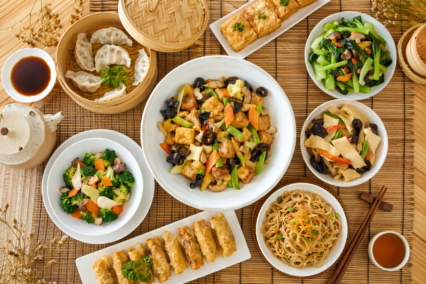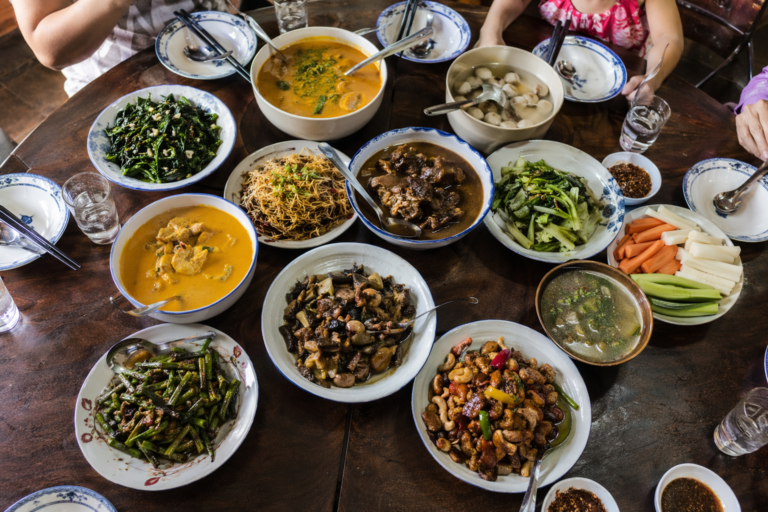
Key Highlights
-
Sino-Burmese cuisine mixes burmese food and chinese food, and this happened through migration, trade, and how people cook day to day.
-
In myanmar food culture, street food played a big role to spread these flavours through busy city areas.
-
You will see rice noodles, soups, stir-fries, and dumplings are often at the heart of most meals.
-
Fish sauce, fermented pastes, ginger, garlic, and shallots give the food a lot of its flavour.
-
The food can change a lot depending on the region, as it is shaped by ethnic groups, the climate, and local ingredients.
-
People in Australia can tell if a dish is real by the balance, texture, and deep savoury taste in the food.
Introduction
Burmese cuisine is one of the most mixed food styles in Southeast Asia, and you can see this best in Sino-Burmese cooking. In Myanmar food, people share meals that show the movement of many ethnic groups, open markets, and the way people live every day. China’s touch sits next to local ways, local food, and long-loved Burmese flavours. If you want to know how these tastes came together, this guide is the best place to start. It helps people in Australia see what makes this mix both familiar and still very different.
The Origins of Sino-Burmese Cuisine
Sino-Burmese cuisine came about as people moved, settled down, and lived near each other in Southeast Asia. Burmese food did not grow on its own, and chinese food became part of myanmar food after people crossed borders, swapped things, and made meals for one other.
In Southeast Asia, food sometimes moves around easier than people or laws. In Myanmar, chinese food habits got mixed with local myanmar produce and ways of cooking to make dishes that belong to both. To see how that works, we need to look at how people moved, traded, and passed things down to their kids.
A Brief History of Chinese Migration to Myanmar
Chinese food styles became part of Burmese life as more people moved into a big country full of different ethnic groups and local food. People in Myanmar were always in touch with their neighbours. Because of this, recipes, food items, and the way people cook went across borders with them and didn’t just stay in one place.
When people from China came and settled in burmese cities, their influence could be seen every day. Markets and small food stalls in different neighbourhoods let people keep making the food they knew. But they also found ways to change these dishes to fit what was easy to get where they lived. In Chinese parts of cities like Yangon, the food became a clear sign of how local people share their culture with each other all the time.
Where Myanmar is on the map also played a part. The great irrawaddy river and many other waterways go through the country. These helped people with trade, fishing, farming, and travelling from one place to another. It was easy for kitchen tricks and favourite tastes to move around. As the years went by, the way Chinese people cooked stopped feeling new or strange. Now, these things are just part of how all local people enjoy food together.
Cultural Exchanges and Culinary Integration
Food becomes part of a new place little by little, not all at once. Chinese food didn’t just pop into Myanmar kitchens overnight. Instead, it found its way in over time, mostly through trying things again and again. Cooks took in new ways to make food and changed flavours or used things that fit burmese cuisine. People didn’t stick to each chinese dish, but made it work with their taste.
Local people helped shape the food too. When cooks couldn’t get an ingredient, they picked something else. If a flavour was too strong, they made it lighter with herbs or tangy, sharp sauces. Swapping things out when needed made mixing chinese food with burmese dishes feel normal. It never felt out of place.
Street food was important in all this. It happened most at busy markets and tea shops where cooks could try new things fast. People got to taste new food and say if they liked it or not. That’s why, these days, you will see noodles, soups, dumplings, fritters, and stir-fries at street food stalls alongside burmese dishes. They blend in well with the rest of burmese cuisine and have become a simple part of life for many.
The Evolution of Chinese-Burmese Food Through the Generations
Over time, Chinese ways mixed right into how people cook every day, and didn’t just stay on the side. Because of this, you now find Chinese-style noodles, soups, stir-fry, and dumplings in a lot of burmese dishes. Even when the taste feels local, the roots are there.
You can notice this in street food and casual meals the most. Noodle soups fit well in busy towns, and mixed noodle plates and quick stir-fries match the Burmese style. The Chinese forms gave a base, but after that, local things like sauces, fried toppings, and strong, tangy flavours changed everything.
Some of the biggest mix-ins show up with noodles. Bowls with broth, soft noodles, toppings, and crunchy bits are proof of this. Still, you get the spirit of Burma through things like tea leaves in salads, local fritters, and salty pastes. So what you see in the food today is not just taking from other places—it’s a full mix that’s grown over the years.
Key Characteristics of Sino-Burmese Flavours
Sino-Burmese flavours sit between the more simple tastes of chinese food and the strong, deep tastes of burmese cuisine. You can often get ginger, shallots, garlic, soy, fish-based dressings, and chilli in just one dish. But, with this food, keeping the right balance is usually more important than how much heat there is.
Another thing to notice is the modest use of spices in burmese cuisine when you compare it to some cuisines next door. Instead of using lots of mixed spices, many cooks like to use things that smell good and salty, like fermented items. You can see this difference more easily when you look at fusion meals and set them next to more typical burmese cooking.
Comparing Burmese Chinese Cuisine and Traditional Burmese Dishes
The main things that set these foods apart are the way they are put together, what flavours they go for, and how they are cooked. Burmese Chinese food often has noodle bowls, stir-fries, dumplings, and lighter broths. In burmese food, you usually see rice, curries, salads, and lots of side dishes.
How things feel when you eat them is important too. Fusion food often shows off rice noodles, springy wheat noodles, steamed fillings, and veggies that are cooked fast. When it comes to traditional burmese dishes, these can feel softer, a bit more oily, or have a lot of layers. People often add toppings like condiments that crunch and mixes like relishes. These are all put around the dish, not packed into one bowl.
Flavour is another key part. Burmsese cooking is well-known for real use of fermented things like fish paste and fish sauce, as well as crispy garlic and pickled bits. You get these flavours up-front. Burmese Chinese food uses those tastes too, but it brings in more soy, some fried herbs and garlic, and serves things in a tidier, more simple way.
Distinctive Tastes: Savoury, Umami, and Spice
If you want to know if this food is spicy, the answer is that it can be, but not every time. Heat is important in some dishes, but it’s really just one part of a bigger, savoury taste. The star is umami, which comes from things like fermentation, broth, fried herbs, and oils packed with flavour.
Fish sauce adds a lot of depth to many meals, and fermented foods often do a similar thing but in a thicker form. Some meals use shrimp paste or dried seafood to bring in even more richness. These add a strong backing taste, so noodles, rice, veggies, and meat end up tasting better. All that happens without needing heaps of strong seasoning.
When there is spice, it usually comes from things like fresh chillies, dried chilli mixes, or chilli flakes you can sprinkle on at the table. In Myanmar, it’s common to find spices like turmeric, cumin, coriander, mustard seeds, and paprika, but people use them carefully. Most of the flavour comes from ginger, shallots, garlic, and chilli, as they do a lot of work in the kitchen.
Typical Culinary Techniques Used in Burmese Chinese Kitchens
Burmese Chinese kitchens like to keep things simple and full of flavour. They go for ways that make the most of taste, like quick stir-frying, gentle simmering for noodle soups, frying things until they are crunchy, and putting tasty toppings on at the end. When all of these are used together, you get meals where everything stands out. The soft rice noodles, the crunch from things like fried toppings, the savoury taste from sauces—each bit has its own part.
What makes these ways of cooking special is how they take the heart of Chinese food and add a Burmese finish. For example, you can start with a bowl of rice noodles. Then, you put on things like fried shallots, chilli, herbs, or little bits of strong-tasting sides or fermented sauces. With some meals, you also get side dishes to play with the texture and flavour as you eat.
Common ways to cook these dishes are:
-
Doing a quick stir-fry in peanut oil or some other oil with a plain taste
-
Simmering broths for noodle soups and rice noodle soup dishes
-
Frying things like tofu fritters or garlic until they’re crispy
-
Giving side dishes for each person so you can pick how your food tastes
-
Mixing up warm noodle dishes by hand with sauce and tasty toppings
Staple Ingredients in Chinese-Burmese Cooking
The main things you need are easy to find and can be used in many ways. You will see rice noodles, rice, fish sauce, fermented pastes, ginger, garlic, shallots, chillies, dried shrimp, peanuts, and soy-based seasonings show up a lot. These basic ingredients go into the soups, stir-fries, salads, and snacks you get every day.
Adaptation matters just as much. People use what local ingredients they have, and this can change with the season or the area. That is why the food is not the same everywhere. Some dishes might use more coconut milk, making them taste richer. Others stay lighter and more savoury. In the next parts, you’ll see how these key items are used in a simple way.
Essential Spices, Sauces, and Condiments
Condiments shape the personality of this cuisine. Instead of depending on one dominant seasoning, cooks layer salty, fermented, hot, and aromatic elements. That is why two noodle bowls can look similar but taste quite different once sauces and toppings are added.
Fish sauce brings salinity and depth, while soy sauce adds body and colour in more Chinese-leaning dishes. Heat can come from chili sauce or table chilli, and stronger fermented notes may come from shrimp paste or related fish products. In vegetable dishes, spicy bean paste can add a richer, fuller savoury kick.
Here is a simple guide:
|
Ingredient |
Typical role in Chinese-Burmese cooking |
|---|---|
|
fish sauce |
Adds salty depth to soups, salads, and dipping mixes |
|
soy sauce |
Supports stir-fries, noodle dishes, and braised flavours |
|
chili sauce |
Brings direct heat and brightness to mixed noodles |
|
shrimp paste |
Adds strong fermented umami in small amounts |
|
spicy bean paste |
Gives vegetable and stir-fried dishes savoury chilli richness |
Rice, Noodles, and Other Grains in Fusion Dishes
Rice is still the main food in Myanmar. You see it in most meals, even when people try new cooking styles. Meals often start with rice in the middle, then curries, vegetables, or stir-fried dishes go around it. This keeps the food feeling Burmese.
You can really spot the Chinese influence when it comes to noodles. Rice noodles pop up in soups, tossed dishes, and street snacks. Noodle soups are big in cities. People like fresh noodles for their texture, but dried ones are common when you need them. Both types work well when you want fast food or when cooking at home.
Other basic foods play a part too. Burmese cooks use chickpea flour and split peas in lots of recipes. You find them in fritters, thick tofu-like dishes, and small snacks that come with soups or salads. With these, the food is more than just a choice between rice or noodles. There’s a mix of textures, like silky rice noodles and strong legume bites.
Proteins, Vegetables, and Herbs Commonly Used
Protein in this type of food comes from different sources, but it’s not always the biggest part on your plate. Fish is very important in Myanmar, with a lot of freshwater fish, and you also get prawns, dried shrimp, pork, and chicken. Meat is used mostly to add flavour, not as the main part of the meal.
Snacks and small toppings give you another look at protein. Tofu fritters and prawn fritters are often found, making bowls and salads more crunchy and rich. You will see eggs, dried seafood, and meat on skewers at markets, especially where it’s busy in city spots or Chinatown food areas.
You’ll find fresh vegetables everywhere, bringing balance to the food. Okra, pumpkin leaves, aubergines, beans, cabbage, tomatoes, and bitter gourd all blend smoothly into the meals. Spring onions and sesame seeds are often used to finish dishes, giving them freshness and a nutty touch. So if you want to get what Burmese Chinese food offers, don’t just think about noodles – notice the fresh vegetables and everything else packed around them.
Iconic Sino-Burmese Dishes Australians Should Try
If you want to get to know burmese food fast, begin with noodles, broths, salads, and snacks you find at the market. These meals show the way burmese food mixes Chinese-style cooking with local toppings, lots of different sauces, and many kinds of textures. They are also the easiest way for people in Australia to try something new.
Some meals are the kind you eat every day for comfort. Others are best known as street food. You might notice parts of the national dish of myanmar or something from Chinatown grills, but the main dish often sticks in your mind because the broth, crunch, herbs, and deep savoury taste all work together.
Must-Try Soups and Noodle Creations
Soup and noodles are a great spot to start because they show the mix of flavours well. You can see Chinese influence in the broth, the way noodles are made, and how everything gets served in a bowl. Burmese touches stand out in the fritters, fish tastes, chilli, herbs, and fermented condiments.
Mohinga is a must-try, even though it’s more Burmese than just Sino-Burmese. It’s a rice noodle soup with a fish-based broth and crunchy fritters on top. The style has many layers, which is what people think of when they talk about Myanmar’s rivers of flavor. Other noodle meals might be dry, packed with punch, or look like salads, but they still keep those same rich flavours.
Good dishes to try include:
-
Mohinga, a well-known rice noodle soup that a lot of people have for breakfast
-
Mont di, with regional versions found in places like Mandalay
-
Nan gyi thoke, a thick noodle meal with sauce and toppings mixed in
-
Shan-style noodle bowls that come with chilli and herbs
-
Noodle plates served with a tangy tamarind dip on the side
Stir-Fries, Dumplings, and Steamed Delights
Not every great meal shows up in a soup bowl. Stir-fries and food cooked with steam also bring out the Chinese side of the cuisine, mainly when you eat in the city. These foods are clear and make you feel satisfied. They use salty sauces, quick cooking, and pay a lot of attention to the way things feel when you bite.
Dumplings are one of the strongest signs of the Chinese influence. Stir-fried noodles and vegetables show how well local ingredients can be used with methods from China. In the Burmese setting, you might get these plates with fritters, pickle sides, or small sauces. These let you change the taste as you eat.
Look out for:
-
Dumplings stuffed with pork or veggies
-
Stir-fried rice noodles mixed with greens and a salty sauce
-
Grilled or stir-fried skewers with rich morsels of pork
-
Veg dishes made with spicy bean paste
-
Urad dal fritters served with noodle or soup meals
Sweet Treats and Unique Desserts in Chinese-Burmese Food
Desserts do not get talked about as much as noodles, but they are still important. In Myanmar, many sweet treats show the same mixed background you see in their savoury food. You can find foods that use rice, coconut, and cool drinks. These have textures that help people feel refreshed when the weather is hot.
Some sweets are more linked to wider Burmese or Indian roots, not just Chinese ones, though they fit well with the other foods you eat. Sweet drinks and desserts from the market are often sold next to savoury stalls. So, it is easy to enjoy a snack and a meal together, and there is not a hard line between the two.
Worth trying are:
-
Sticky rice with shredded coconut
-
Burmese falooda-style desserts with a rich and sweet taste
-
Drinks made with sugarcane juice
-
Light sweets or snacks that use coconut milk
Eating Out: Where to Find Authentic Sino-Burmese Cuisine in Australia
Outside Myanmar, it can be easy to spot real Sino-Burmese food if you know what to look for. Places like restaurants, cafés, and market stalls that make noodles, soups, fritters, salads, and grilled foods will help you get a good idea of burmese food. You will find it better to try these places than picking from big pan-Asian menus.
In Australia, you get the best chance in big multicultural areas where people open migrant food shops. Don’t look for places that are all about fancy fusion or lots of branding. Instead, try spots that feel a bit like tea shops, simple canteens, or night markets that you see in burmese cities. The next part will show you what signs to look for.
Top Burmese Chinese Restaurants and Cafés in Major Cities
The information does not list the names of places in Australia. So, the best way is to search by food type, not by a set list. You can start by looking in suburbs where there is a lot of Asian dining. Look for menus that talk about Burmese noodles, salads, soups, and snacks made with fritters.
Tea shops and small cafés are often a better way to find what you want than big, fancy restaurants. These spots usually keep true to daily ways of eating, mostly where street food shows up on the menu. If you see noodle bowls, dumplings, pickled salads, and grilled food together, that is often a good sign there will be Burmese food.
When you are picking, choose places that offer:
-
Tea shops or small cafés instead of large pan-Asian chains
-
Menus that have Burmese food next to noodle soups and dumplings
-
Meals that seem like market or street food
-
Extra toppings like house sauces, chilli, and crispy bits
-
A mix of people eating, especially those who know street food from Myanmar
Exploring Fusion Street Food and Takeaway Options
Street food is one of the main ways people enjoy this food in Myanmar. You will see countless street vendors selling quick noodle meals, fritters, grilled snacks, and soups. Many local people eat these every day. In Australia, places like takeaway shops and markets can help bring this style of eating to you.
It’s good to choose menus that focus on a few dishes instead of ones that try to do everything. You might get a better meal at a place that makes a few noodle dishes well. If a kitchen offers every major Asian food at once, it may not feel as real. Street food works best when things are fast, familiar, and full of strong taste.
Watch for things like:
-
Market stalls or takeaway shops that focus on street food and not just general fast foods
-
Menus with soups, noodle mixes, salads, and things that are fried to go with them
-
Spots that are popular with local people from Burmese or bigger Southeast Asian groups
Tips for Identifying Genuine Sino-Burmese Dishes Abroad
Authenticity is not found in one right way to cook. It is about the pattern you see. Real Sino-Burmese food will often have the look of Chinese food, then taste like something from Burma. You might get noodle bowls or dumplings that look the same at first, but with fried garlic, sharp extras, or something pickled on the side, they have their own style.
Take a close look at the menu. If your main dish comes with things you can add in, like chilli, crunchy bits, or little extras you mix in as you go, that is a good sign. You often see the use of fish or dried seafood in the food, and even in dishes that do not taste very fishy, they are still there. Fermented things are also used a lot.
Some good signs are:
-
You get a special sauce or some kind of extra sauce next to your noodles or fritters
-
There is a clear use of fish-based seasonings in soups or salads
-
The menu shows a balance of dumplings, broth dishes, stir-fries, and Burmese salads
-
There are fried toppings like shallots, garlic, or fritters on the food
-
Dishes feel local and practical, not changed too much to be western
When you try Burmese food, check for these little things. That is how you know the place is the real deal.
Conclusion
To sum up, Sino-Burmese cuisine is a mix of tastes and ways of cooking that comes from the long history and the link between China and Myanmar. You can see and taste this in the special ingredients and famous dishes. This food will get your taste buds going. You might like a warm bowl of noodles, or maybe you want to try the busy street food. Sino-Burmese food gives something good to all of us. If you want to know more about burmese food, burmese cuisine, or street food, book a free chat with our cooking team. Find out how you can cook these great flavours at home and really enjoy what Sino-Burmese cuisine has to offer!
Frequently Asked Questions
Is Burmese Chinese cuisine spicy, and what spices are used?
It can be spicy, but the heat is often mixed with a good savoury taste. People use things like chili flakes, fresh chillies, and spicy bean paste to add some warmth. Fish sauce and shrimp paste are there to build a strong umami flavour. The use of spices is not too heavy. Ginger, garlic, shallots, turmeric, cumin, coriander, mustard seeds, and paprika show up, but only in small amounts.
Are there vegetarian options in Sino-Burmese food?
Yes, there can be many vegetarian choices. Look for tofu fritters, tasty dishes with fresh vegetables, and snacks that use chickpea flour or urad dal fritters. You will also find salads, stir-fried greens, or noodles topped with sesame seeds. These options give you good texture and taste, without any meat.
What are some tips for cooking Chinese-Burmese recipes at home?
Keep it simple and use local ingredients. Start with rice noodles, some ginger, a bit of garlic, shallots, and a good fish sauce. You can add chili sauce at the table so people have the heat they want. The best way is to use crisp toppings or small side dishes with your soups, noodles, or stir-fries for a nice contrast.