Key Highlights
-
Beninese food comes alive with bold sauces, staple pastes, and fresh ingredients from the Republic of Benin.
-
The cuisine in Benin is shaped by what people like to eat in each area, how families cook, and by what is easy to get—like corn, yams, peanuts, and palm oil.
-
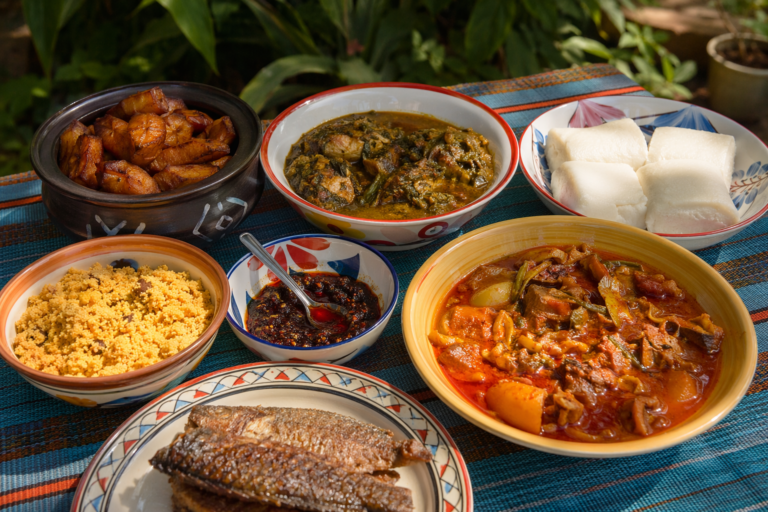
Classic dishes, such as Dahomey Fish Stew, Djèwo, Watché, and Fufu, show the range of meals you might get every day.
-
Street food is big in Benin. Top picks are Yovo Doko, Kuli-Kuli, Akara, and Aloko.
-
All these food customs give Australians the chance to try new flavours that really wake up the taste buds.
Introduction
Beninese food is a great way to see another side of West Africa, and many Australians may not know much about it yet. Benin food is all about tasty stews, spicy sauces, fresh food, and strong family cooking traditions. People have been making these dishes and sharing them with their families for many years. You will see these meals everywhere, from the busy city streets to their kitchens at home. They use simple ingredients but put in a lot of flavour. If you like to try something new, Beninese food has lots to offer. You can find meals that are savoury, and there are sweet snacks too. These foods feel warm and comforting, but will also make you want to come back for more.
Classic Beninese Dishes and Culinary Customs Australians Should Explore
In the heart of Benin, beninese dishes often start with a main staple like corn, yam, or cassava. People turn these into soft pastes or serve them with rich stews. This simple base brings structure and comfort to beninese cooking.
What stands out in the food is how beninese culture and regional ways shape each plate. In west africa, local ingredients and customs are important, so recipes from the north and south can be different. If you want to try new things, these dishes give you a good look into the country’s food story.
1. Dahomey Fish Stew – A Savoury West African Staple
Dahomey Fish Stew is a well-loved dish in Beninese food. It is a classic meal from West Africa that uses fresh seafood. The fish is cooked in a tomato stew, made with onions and sometimes tomato paste. People in Benin really enjoy savory sauces like this one.
The dish gets its appeal from the mix of fresh ingredients, spice, and the depth of flavour. Chili peppers give the stew some heat. All the fresh stuff keeps it bright. The sauce turns a deep red colour, so it stands out both in look and taste.
You will find it served hot with rice or corn paste. That way, nothing gets tossed out. For Australians wanting their first real try of Beninese food, Dahomey Fish Stew is a good pick. It shows off the bold, sauce-focused meals that West Africa is known for.
2. Djèwo (Amiwo) – Tomato Cornmeal Porridge
Djèwo, known as Amiwo too, is a thick dish made with tomato and corn flour. It’s a meal that people in southern and central Benin love. This is not just plain porridge. It uses corn flour, palm oil, tomato paste, onion, and garlic. These give it a nice colour and make the flavour stand out.
Djèwo is mostly savoury, with a rich taste. It can be a bit spicy as well. People sometimes add shrimp and green chillies to lift the taste. This shows how Beninese meals like to use bold seasoning, and not hard methods of cooking. Corn is the main staple food here, so Djèwo means a lot to the people. It is close to the heart of Benin.
You won’t find Djèwo eaten by itself much. The dish is usually served with fried fish, chicken, or guinea fowl. There may be a light sauce made from tomato juice and a bit of crushed pepper. People eat this meal by hand too, using their right hand, which is the local custom. Like other traditional meals, this dish is about sharing and enjoying with others.
3. Yovo Doko – Sweet Beninese Donuts
Walk through the busy streets of Benin and you will smell yovo doko before you spot it. These small fried bites are a big part of beninese cooking. They are loved by people who like sweet food.
The dough for yovo doko uses flour, sugar, yeast, and water. People roll the dough into balls and fry them until they turn golden brown. You get a crisp outside and a soft middle. Some kinds have powdered sugar dusted on top, so they seem a lot like french beignets.
The name yovo doko comes from “white man’s belly”, and it’s easy for people to remember. These sweet fritters are well-loved. They are simple to make, easy to take with you, and very filling. For those in Australia wanting to try new foods, yovo doko is a good way to get your taste buds to wake up. You still stay close to foods you know and like.
4. Kuli-Kuli – Crunchy Peanut Snack
Kuli-Kuli is a crunchy snack that uses peanuts as a common ingredient in beninese food. To make it, people grind peanuts into a peanut paste. Then they press out the peanut oil. What is left, they season and fry.
The taste is strong, nutty, and salty. Sometimes there is pepper, ginger, or garlic added. Many say it is like deep-fried peanut butter because of its rich, roasted flavour. This shows a lot about Benin’s food style. The recipes use simple ingredients but make a big impact and love bold seasoning.
Kuli-Kuli can be balls, sticks, or biscuits. No matter the shape, it is quick to eat and fits as a street snack. If you want to try beninese food at home, this is one of the easiest dishes to make.
5. Wagassi – Traditional Fried Cow’s Milk Cheese
Wagassi is from northern Benin and shows how local traditions shape beninese dishes. The Fulani people make this cheese using cow’s milk, and it helps people see the close link between the food and the community.
One thing that stands out about wagassi is the red colour on the outside. This comes from soaking the cheese in warm water with leaf extract. Even though this cheese looks bold, it has a mild flavor. It keeps its shape under heat, so you can use it in many meals.
You can eat wagassi raw, but most people like it fried best. When it’s cooked, the outside gets crisp, and the inside stays firm and soft. In towns like Parakou, you will often find wagassi as fresh food. People sell it alone or add it to sauces. This shows how food from northern benin makes its mark on daily meals all over the country.
6. Watché (Atassi) – Rice and Beans Harmony
Watché, which people also call atassi, is a favourite one-pot meal with rice and beans. It’s really big in the north, but you will see it in other parts of the country too. This wide reach shows how watché is part of everyday beninese cooking.
Watché is not just plain rice. It gets cooked together with beans, tomato, onion, and spices, which gives it more flavour. Sometimes, people add fish or meat. Other times, it is just a rich seasoned broth, which can taste like chicken stock. Even when you use white rice, the dish turns out filling and feels like a full meal.
Most daily meals in Benin stand out because they team up simple foods with strong sauces or well-seasoned broth. That’s what makes watché different from other meals in places nearby. It’s filling, brings people together, and often comes with spicy sauce or fried plantain.
7. Fufu – Pounded Yam or Cassava Dough
Fufu is a soft, dough-like food found all over West Africa. It’s important in Benin too. People make it from staple ingredients like cassava, plantains, or yams. They boil the ingredients, then pound them until the mix is smooth and stretchy.
In northern Benin, fufu is in daily life. People eat it a lot because it goes well with many stews and sauces. The taste is mild, so it takes on the flavour of the stew you have with it. That makes it good for both meat meals and plant-based meals.
Yes, you can have vegetarian or vegan options with fufu. The dough is made from starches. You can eat it with veggie sauces or bean dishes. People use their right hand to eat it. They take a small bit and use it to scoop up stew. This is the dining custom.
8. Monyo – Versatile Spiced Sauce
Monyo is a fresh, uncooked spicy sauce that shows a different side of beninese cooking. Most dishes from this place have slow-cooked stews, but this sauce gives you quick brightness and sharp heat.
This sauce is made with chopped tomatoes, onions, tomato juice, hot peppers, oil, and salt. These mix to give you one of the variety of sauces people love about beninese food. The flavour is lively and not heavy, and the peppers add that strong spice kick you look for in food from Benin. If you want to see how strong spices are used, monyo is a good way to do that.
Because it is not cooked, the sauce keeps a fresh taste that goes well with things like grilled fish or chicken, fried yams, or plantains. You can use it as a side, a dip, or you can spoon it over something at the end. This flexibility is what makes it a favourite in many meals every day.
9. Akara – Crispy Bean Fritters
Akara is one of the easiest foods to spot if you are looking for a vegetarian dish in West Africa. These are fried bean fritters. They are made with mashed beans. People like them for the crispy outside and soft inside. They also have a very good taste.
In Benin use of beans is not just for sides. Akara shows this. People eat it as a snack, as a light meal, or as part of fresh meals sold on the streets. The taste is rich and keeps you full. Onions, spices, and a spicy tomato sauce often come with it to make it even better.
If you want vegan options in food from Benin, akara is a good dish to try, but the recipe might change a bit. The strong local flavour and the way many people love it always stay the same. It is practical, cheap, and you can enjoy it when you are walking through a market or when you are sitting down for a quick meal.
10. Aloko – Fried Plantain Bites
Aloko is one street food you have to try in Benin. It uses ripe plantain that people slice and fry until it turns golden. The inside is sweet, a bit like caramel, but the outer part is crisp.
Most of the time, you will get aloko hot. Some people eat it with chilli or spicy sauce, and the mix of sweet and spicy tastes is what so many like about it. It’s not the same as sweet fritters, but aloko gives you that snack, easy-to-eat feel when you want something quick.
People add fried plantain to many beninese meals. It can be a side or just be its own simple snack. You see aloko often in southern benin cuisine, sold at market stalls and by sellers on the street. If you come from Australia and want to try Benin through street food, this is a good start—simple, tasty, and easy to get.
Key Ingredients, Flavours, and Cooking Techniques in Beninese Cuisine
The base of Beninese cuisine comes from staple ingredients like corn, yams, cassava, beans, tomatoes, and peanuts. Palm oil and other cooking fats change the texture and taste. Chilli peppers add the heat that people want.
Regional ways of cooking also guide how food is made. Some dishes are pounded. Some cook slow, and some fry or are served fresh. Fresh ingredients matter the most. Rich colour comes from oil or tomato in these meals. Now, it is good to look close at the pantry items and ways of cooking behind these dishes.
Common Staples, Herbs, and Spices Used in Benin
Benin’s flavour base comes from a small group of reliable ingredients used in many homes. Palm oil is one of the most important because it adds earthy taste and strong colour. Peanut oil and ground peanuts are also common, especially in snacks and sauces.
Tomatoes, onion, garlic, and tomato paste form the backbone of many savoury dishes. Chilli peppers provide heat, while bouillon adds depth. Corn, yams, cassava, and beans appear often because they are filling and practical. Locust beans are listed among recognised ingredients linked to the region, showing how pantry basics support bold flavour.
|
Ingredient |
Common use in Beninese cooking |
|---|---|
|
Palm oil |
Frying, colouring, and enriching stews |
|
Peanut oil |
Frying snacks and adding nutty flavour |
|
Tomato paste |
Building rich sauces and stews |
|
Corn, yam, cassava |
Making pastes, doughs, and porridges |
|
Chilli peppers |
Adding heat to sauces and meals |
Popular Cooking Methods and Regional Variations
Beninese meals mix ways of cooking and what people use. The main things people do are pound starches to make smooth dough, simmer sauces for deep taste, fry snacks until they are crisp, and serve some condiments fresh. These easy ways with food let simple foods stand out with strong flavour.
Where you are in Benin makes a big difference too. In northern Benin, meals like wagassi and watché stand out. If you are in central Benin or the south, you will often find Djèwo. Southern Benin cuisine is also known for common snacks and street food because it’s easy to get. These changes show local customs and what the people have near them to grow or buy.
That is how meals in Benin are shaped by ways of cooking and local habits and things. The parts of the country have their usual foods, but each area puts its own spin on them. This makes the food across Benin feel close and connected but never dull or the same.
Beninese Street Food and Market Snacks to Try
The busy streets of Benin are full of street food. You will find lots of market snacks here, showing off the quick and social side of eating. Popular street food brings together staple foods like flour, beans, peanuts, or plantain and turns them into something hot, crisp, or sweet.
For anyone visiting, this is one of the best ways to enjoy Benin’s food culture. These street bites are everywhere, full of personality, and are perfect if you want to wake up your taste buds. In the next sections, you will see what to order first and find out why local markets matter so much in everyday eating.
Must-Try Street Food Specialties Across Benin
If you want a quick taste of beninese food, street food is a good place to start. These snacks are a big part of daily life and show that beninese dishes can be easy, tasty, and make you full. They also tie Benin to food ways you find in west africa.
You will see some options again and again at markets and spots by the road. Some snacks are sweet and others are salty, but all of them are good when you are on the go. That ease is why people in the area and visitors enjoy street food so much.
-
Yovo doko: sweet dough balls fried and sometimes rolled in sugar.
-
Akara: salty bean balls that are crisp on the outside.
-
Aloko: hot fried plantain, many times with a bit of chilli.
-
Kuli-Kuli: crunchy peanut treat with a strong nut flavour.
-
Djèwo: rich dish made from corn that you can also buy from street vendors.
The Vibrant Role of Markets in Beninese Food Culture
Markets are very important in Benin’s food culture. They bring together fresh food, home cooking, and quick bites in one place. You can get things you need for family meals right next to snacks ready to eat. This keeps food a big part of daily life.
This daily rhythm shows how meals in Benin are not like some other places nearby. Street food and market snacks are everywhere. People often eat both big shared meals at home and fast bites sold outside. Both are a big deal, and people do not think one is better than the other.
Markets are not just for shopping. They are where people get together, eat, chat, and buy what they need. The smell of dough frying, beans, fish, or plantain fills the air and turns buying food into a fun, social thing. For Australians, that mix of quick food and friendly crowds shows a lot about how eating fits into daily life and Benin’s food culture.
Food Customs, Celebrations, and Everyday Meals in Benin
Food tells us a lot about beninese culture. Beninese meals are not only about how they taste. They also show respect, welcome, and the way people like to come together. People share plates and eat with their hands, and that makes eating more than just food. It becomes a way people spend time with each other.
Most everyday meals are simple and filling. On special days, the food gets more care and there is much more to choose from. This balance in beninese culture gives people both peace of mind by eating foods they know, and a sense of fun when they try festive dishes. The next parts will first look at family meals, and then talk about foods people have for celebrations.
How Culinary Traditions Shape Family and Social Gatherings
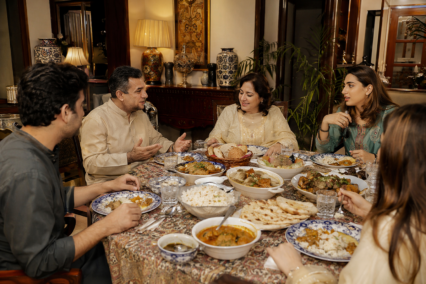
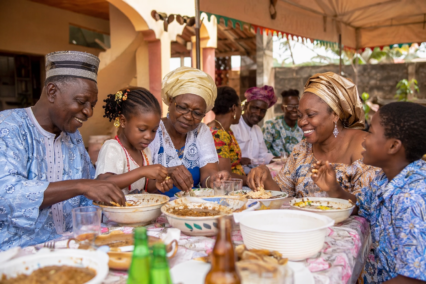
In Benin, people often share their meals with family and friends. Beninese meals are usually eaten from one big bowl, so it feels like everyone is together, not alone. This way of eating shows a lot about the way people join in and connect over food.
With beninese food, there are customs of respect that are a big part of daily life. Everyone washes their hands before and after they eat. People use the right hand to eat, older people get food first, and new guests are given food and water when they come in. The way people do these things makes everyday life feel more warm and organised.
People still use regional foods in cooking, but the customs shape the way beninese meals are given out and enjoyed. This is why the food in Benin feels special. It is about the food like stew, paste, or sauce on the plate, but it is also about the social setting, the order people are served in, and the way people eat together.
Special Occasion Foods and Festive Dishes
Special occasion foods in Benin start with what people eat daily, but they usually feel bigger and more generous. At a time like this, you might get more protein, stronger flavours, or a few extra sides. In beninese cuisine, a celebration is about having plenty of food, sharing with others, and putting real care into making each dish.
The information tells us there are certain meals that work well when people get together. These dishes are easy to share, filling, and make it simple for everyone to join in. Rich stews, fried things, and one-pot dishes fit right in with this way of eating. You often see fresh seafood, good cuts of meat, and sauces with lots of flavour at the table, which helps make the time feel special.
-
Dahomey Fish Stew, packed with a rich sauce and strong flavours
-
Djèwo served with either fried fish, chicken, or guinea fowl
-
Watché for big lunches or dinners with family and friends
-
Wagassi, which people fry or add to sauces at gatherings
With these festive foods, you can see that when Benin people celebrate, they make their usual meals larger and more filling, but they don’t forget where the flavours all start.
Conclusion
In the end, when you learn about Beninese food, you get to see the rich history and food culture of West Africa. The world of Beninese cuisine has lots of colour, taste, and dishes that stand out from the rest. There are tasty, spicy stews people love to eat, and sweet foods made for special times. Every dish has a story about the people and what matters most to them.
Sharing food and using old ways to cook brings people closer and keeps the heart of Beninese food strong. It’s good for us to try foods from outside what we know. We hope you give these Beninese food classics a go, either at home or out at a local place. Step into the world of Beninese cuisine—you may find a new dish that you really like!
Frequently Asked Questions
What drinks are traditionally served with Beninese meals?
When it comes to beninese meals, drinks are simple and easy. People often serve warm water to guests to be polite. Tomato juice is sometimes served with meals, like with Djèwo sides. Palm wine is another common drink that many connect with local food traditions.
Are there vegetarian or vegan options in Beninese cuisine?
Yes, the food in Benin has vegetarian choices and even some vegan ones too. For example, there are bean fritters like akara. Fufu is also common, and it’s made from cassava, yam, or plantain. You can eat these foods with sauces made from vegetables instead of using meat or fish.
Is Beninese food spicy and how do locals manage the heat?
Beninese food has a strong kick because locals use lots of chilli peppers and strong spices. In beninese cooking, people like to balance things out. They serve a spicy sauce with mild things like rice, fufu, or corn paste. This way, you get loads of flavour, but the milder side brings some peace of mind.