Key Highlights
-
Cambodian cuisine is known for fish sauce, fresh herbs, rice noodles, coconut milk and tastes that have many layers and balance.
-
Khmer food comes from the history of the Khmer Empire, life near rivers, and has roots in a food culture that stretches across Southeast Asia.
-
In the United States, Cambodian Americans have kept traditional dishes going strong in the home kitchen, in local restaurants, and at community get-togethers.
-
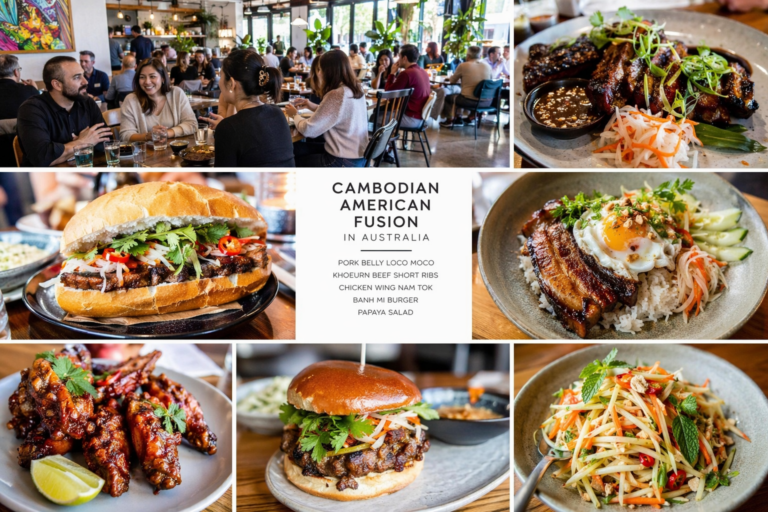
You can see american cuisine and Cambodian food mix in new ways with things like Khmer-style burgers, sandwiches and desserts.
-
For Australian readers, this guide gives a look at how Cambodian cooking changes and shifts, but still keeps what makes it true Khmer food.
Introduction
Cambodian cuisine is getting new attention, and there are some good reasons for that. It uses things like fish sauce, herbs, rice, and noodles to make food with bold and balanced flavours. The taste stands out from both Thai food and Vietnamese food. When Cambodian food comes together with American food, the mix can be exciting and fresh, but it still keeps the style of its roots. This guide is for people in Australia who want to see what that food culture is all about, from the classic Khmer meals to the new foods made by Cambodian Americans in the United States.
Historical Influences on Cambodian American Cuisine
Khmer cuisine comes from the Khmer Empire. The old rivers, farms and food ways from back then helped shape food across much of southeast Asia. Because of this long story, Cambodian cooking can look the same and different when you put it next to food in other places.
Things changed with time. War, people moving, and shifts in society took Khmer food out of places like Phnom Penh and Siem Reap. In the United States, Cambodian Americans brought their recipes, ways, and food thoughts with them. These things helped build a real food culture. It still shows the old ways, but it also changes with new places and things people can use to cook.
Ancient Khmer Culinary Roots
A long way before there were modern borders, Cambodian cooking grew out of rice farming, planning for water, and keeping food good for longer. This whole history goes back to the Khmer Empire. Back then, there was a careful way with food that helped a big and organised group of people. Khmer cuisine wasn’t just about eating every day. The meals were also a part of important days, dishes at court, and food made for people working in the field.
On one side, there were royal foods for the court, made with care and used in special events. On the other side, people had rice porridges, foods kept for long times, and snacks they could wrap up in banana leaves and carry with them. This really shows how traditional dishes in Cambodian life could be different based on class, work, and faith.
This helps give an answer to a question about American food and Cambodian cuisine. The information collected shows American food seems more linked to what’s popular, new places to eat, and what the public knows well. Khmer cuisine, on the other hand, is seen as much older, with more special customs, more use of herbs, and a strong tie to rice, keeping food for longer, and adding layers to the taste.
French Colonial and Southeast Asian Influences
Cambodia is in Southeast Asia, right near Thailand and Vietnam. This helps explain why Khmer food grew with thai food, vietnamese food and other food culture in the area. The notes say that cambodian cuisine was part of what made the base for other nearby food styles, even though it did not get as much world notice later on. Because these lands are so close, you see that they all use noodles, herbs, and those sour and salty tastes.
There is also a french touch to the story. One royal chef once worked for a Khmer ambassador in France. When that chef came back, you saw cambodian cuisine come together with French cooking, tales, and even the way people ate at the table. This did not get rid of old khmer food ways. It just changed the way some dishes showed up for people from Western countries.
But why do you not hear as much about cambodian cuisine in New York and the US? The notes point to some reasons. There is a smaller cambodian group living in new york. The food does not get the same kind of travel push, and you find less khmer restaurants. Many times, Khmer menus are mixed with Chinese and Thai food. Because of that, people did not see Khmer food with its own space.
Immigration Waves and Their Impact on Food Culture
The biggest change for Cambodian food came after the Khmer Rouge. Many people had to leave Cambodia. Later, a lot of them came to the United States. Cambodian Americans built their new lives in places like Long Beach, Lowell, and other cities where refugees went. For many, food became a way to put their broken lives back together.
Family recipes did not just stay the same. As families settled in the United States, they had to use what was easy to get. They cooked what younger family members wanted, and what people in restaurants would actually order. Some cooks made the strong tastes a bit lighter so Western people would like them. Some families kept cooking the old way at home, but changed how they served dishes when out with others.
But even with all these changes, Cambodian food still carries old memories. A wedding salad, a bowl of noodle soup, or a simple herb paste can bring family together and remind them of where they come from. That is how most recipes survive in a place far from home—not by disappearing, but by changing a little while still keeping the taste that matches home.
The story of cambodian food in the United States shows how people can keep their history alive through what they eat in places like Long Beach and other cities filled with Cambodian Americans.
American Military Presence and Cross-Cultural Connections
The information puts the spotlight on something worth knowing in American history and the link between food and what becomes popular. During the time of the Vietnam War, the U.S. military took breaks in Thailand. This helped Americans get used to Thai flavours. Cambodia, though in the same location, did not get that same attention.
This is important, as new restaurant trends are not just about the taste of the food. They need enough people to see them first. If people are not aware of what a certain cuisine is, they will not think to try it. This is why Khmer food had less notice when it first came to the American market. It did not get as much of the spotlight as Thai or Vietnamese food. This, even though cambodian cuisine is full of flavour and variety.
In the U.S., Cambodian cuisine has changed a bit because of this. You can see some cooks selling dishes as street food. Some might mix in easier flavours. Some put together menus for customers who want something they already know. With Khmer food, the changes come by sharing the story, showing how the dish looks, and small updates—instead of swapping the whole thing out.
Cambodian Diaspora and Food Evolution in the U.S.
All around the United States, the Cambodian community has worked to keep Khmer cuisine alive and moving forward. Long Beach in California, which is known for Cambodia Town, and Lowell in Massachusetts both play a big part. Many Cambodian families live in these areas, and they help keep local food shops and restaurants busy. These towns are now well known as places where you can enjoy Khmer dishes.
The food doesn’t just stick around by chance. Many families make Khmer food at home, eat it at birthday parties or weddings, shop for well-known veggies, and tell stories about the recipes. Restaurants are also important. They give younger people in the community a place to eat the food they love and feel proud of Khmer cuisine.
Food does not stay the same, though. It changes with time. Young chefs often create their own takes on dishes they had as kids, sometimes after visiting Cambodia to get more ideas. Things like hot sauces, food pop-ups, and stylish restaurants do a lot to show how Khmer cuisine is growing in the United States. The food keeps its roots in tradition but also finds ways to work in these new places.
Main Differences Between American and Cambodian Cuisine
American cuisine and Cambodian cuisine are not the same. The flavours, ingredients, and eating styles are all different. Cambodian food often uses a lot of herbs, fish sauce, and rice. It is connected to the country’s food culture, family life, and special rituals.
On the other hand, American cuisine in the guide shows up in restaurant styles, popular dishes that you see everywhere, and classic meals like burgers, sandwiches, and fast food. Both types of food have something special. It’s not about one being better than the other. Instead, that is what makes Cambodian American fusion food stand out. Each cuisine adds something new and different.
You can see how different they are in the points below. This helps explain why both are loved in their own ways.
Traditional Cambodian Flavours and Techniques
Khmer cooking builds flavour by layering. It does not just use heat. Fish sauce, herbs, lime, sugar and aromatic pastes come together to make the taste feel balanced, not strong or overpowering. The material shows that fermented fish paste, or prahok, is an important ingredient in many Cambodian food recipes.
Technique is important too. Cambodian cooks smash herb pastes in a mortar. They steam fish mousse in banana leaves. They fry dried rice to make cakes. Sometimes, they shape the food for ceremonies or trips. These steps help create good texture and taste. They show patience and that they know how ingredients act.
This is a main difference from American food. Cambodian food uses fresh and preserved elements to make pastes, dressings or broths. In the examples, Khmer cooking is about both harmony and depth. American cuisine is often shown by types of dishes people know and fast options instead.
Typical American Culinary Practices
In this material, you can see that american food shows up more in how people eat out or what foods they know, and not so much in old-style cooking ways. People get what a burger, sandwich, or noodle bar is right away. This kind of thing makes american cuisine easy and handy for the people.
The cooking techniques work around how fast the food can get to the table and how simple it is to make. Fast food, easy-going restaurants, and what people know all shape what lands on the menu and how it’s put in words. Even when chefs from Cambodia cook in the US, they see that people like things they know, even if it’s just the name or how it looks.
This makes it different from Khmer food. With cambodian cuisine, you use rice noodles, herbs, fish sauce, and fish paste, but new people might need more info to get it. american food and their way in kitchens are mostly about making you feel fine and making things clear and easy. Because of this, you see that changes in food often start with how you serve the food, not the taste.
Common Contrasts in Ingredients and Presentation
Cambodian food uses a lot of fresh herbs, rice, noodles, fish sauce, lime, and preserved seafood. People also bring up green mango, banana leaves, star anise, and roots that smell nice to describe flavours in the food. How the food looks can be important for big events, simple meals, or when they want things to feel a bit different.
When Cambodian dishes are made for people in America, those cooking might use what’s easy to get where they live. Things like sweet potatoes and other common crops show up as good swaps for hard-to-find things. These swaps help cooks keep a dish tasty even when they can’t get the first ingredients.
There are some foods you will find in both Cambodian and Cambodian American cuisine. Rice noodles, fresh herbs, fish sauce, palm sugar, chicken, beef, shrimp, and peanuts show up often. The foods are not always fully swapped out. It’s more about using local ingredients and what the final plate looks like before it goes out to be eaten.
Sweet, Savoury, and Spicy Variations
Cambodian cuisine brings sweet, savoury, sour, and spicy tastes together in the one dish. The chili peppers give some heat, but the palm sugar helps make the flavour softer and smoother. Lime makes things fresh, and fish sauce brings more depth. All these things create bold flavors that are stacked, not flat.
American dishes often keep these tastes apart. People expect a main to be salty, a dessert to be sweet, or a wing to be spicy—and not all at once. Cambodian cooking, on the other hand, usually blends all these in a salad, noodle dish, or curry. No single taste takes over.
This balance is one reason why fusion is so popular. You might see burgers with Khmer seasoning, sandwiches with Cambodian herbs and dressing, or even ice cream mixed with palm sugar. These dishes are easy for people to try because they use an American way of serving, but keep the Cambodian flavour lively.
[cambodian cuisine, fish sauce, american dishes, chili peppers, palm sugar, ice cream, bold flavors, cambodian cooking, noodle dish]
Culturally Unique Eating Etiquette
Khmer cuisine is part of a bigger way of life. It is present in weddings, family get-togethers, street stalls and places of worship. So, eating is more than just taste. It holds memory, ceremony and meaning for people.
American dining is shown mostly by restaurant types, trends and markets. That does not mean it is shallow. It’s just a different food culture, where eating out shapes how people think of a cuisine. Cambodian food often begins in the home or within the community.
Cambodian American communities keep their food traditions strong by holding on to these shared ways. Celebrations, shopping at markets, neighbourhood restaurants and birthdays all help keep it going. Even if recipes change, the role of Khmer cuisine in bringing people together stays steady. This shared habit is one of the biggest differences between Cambodian food culture and others.
The Migration Journey: Khmer Food Traditions Arriving in North America
When Cambodian Americans came to the United States, they didn’t just bring recipes with them. They brought a food culture that was shaped by memories, survival, and the way their families lived day to day. That’s why Khmer food in the United States feels both personal and connects to the places they are from.
As time went on, these traditions found a place in homes, grocery shops, weddings, and restaurants. Some Khmer food stayed close to what people remembered from Cambodia. Other dishes changed a bit because of local ingredients, younger eaters, and new ways of thinking about food. The journey to America shows why there is both change and preservation in their food culture, and the next sections will explain this more.
Family Recipes Crossing Borders
Family recipes are usually the first part of food culture that move across country borders. In the collected material, cooks show others how to make herb pastes, noodle salads, curries and steamed fish dishes. They use methods that people learned long before moving. These recipes carry more than just flavour. They hold stories from their past.
Rice noodles, broths and salads stand out because they are practical, familiar and easy to change. A breakfast noodle soup someone remembers from Phnom Penh can turn into a special dish at a restaurant in New York or just be a family meal on the weekend. The way people keep making these dishes gives everyone comfort in their new place.
But some things always change. The recipes may use other greens, softer dressings, or simple cooking steps. Some cooks roast aromatics to get a smoother flavour that fits the taste of Western diners. That is how family recipes often change after people move: the main idea stays, but the small details shift so the food can keep going in its new home.
Adapting Dishes for New Communities
As Khmer people settled into life in America, Cambodian dishes had to change to fit the new setting. Many areas did not have the same herbs, fish, or tropical fruits. Restaurants also had to get the interest of people who did not know much about Cambodian cuisine. It was not a choice. Adaptation became a must.
Chefs started to swap out some ingredients. They used vegetables people could buy in local shops. Some cooks made the taste less strong by using less fermented things, or by changing how sweet or sour the food is. The way the food looked on the plate changed too. Some chefs used street food styles, while others set up stylish dining rooms and spent time telling the story of every dish.
This is a simple way to see how Cambodian cuisine has changed in America. The flavours in the food still let people know it’s real Khmer food, but now the dishes are easier to enjoy because of the names, the ingredients and how they’re served. The idea is not to take away what makes the food special. The aim is to let Cambodian dishes and street food grow and reach more people.
Food and Identity: Preserving Heritage Abroad
For immigrant groups, food can be one of the strongest ties to who they are. The information gathered shows that Khmer food is about memory. It gives people pride and a sense of staying the same. Even if someone’s language skills drop off through the years, taste and how you cook can still bring the family close.
This matters a lot for people forced to move. After war and having to start over, making a bowl of soup, a salad or a curry you know well helps keep your culture going. It shows that the old ways are not all gone. You can still call them by name. You can still cook and share them with others.
Cambodian American groups keep their ways strong by cooking at home. They serve food at weddings and birthdays. They use community links to get the right food and order from local shops. In this way, food culture is like a living record. It keeps Khmer food here, even if a lot of time or distance has passed.
Community Gatherings with Khmer Cuisine
Community events play an important role in keeping Cambodian food popular. The collected material talks about birthdays, weddings, and places where people eat together. There, familiar traditional dishes are cooked and remembered. These times help traditional dishes stay active and present, not just something from the past.
In these events, food is the centre of the experience. It is more than just a detail in the background. Guests see noodle salads, soups, grilled meats, and other dishes served on shared plates. All these show signs of belonging. Young people get to know what their families value by tasting the food when everyone gathers, not by just hearing about it.
Cambodian restaurants in the United States help all of this happen. These places give people a place to meet, and they also let others try Khmer food. They help turn personal memories into something everyone can enjoy and share. That’s why these restaurants have an important role. They feed people and also bring Cambodian food to more people.
Fusion Influences Emerging Through Generations
Fusion often shows up most in new generations. The material here points out young chefs who grew up in the United States. Some of them lived in refugee camps before that. Later, they started to think again about the dishes they had as kids. They did not turn away from Cambodian food. They looked at it in a new way.
This new look at cooking can show in hot sauces, fresh noodle bowls, or menus at modern spots. These updates make it easy for others to try Khmer flavours. The key parts—like palm sugar, fish sauce, herbs, and chilli oil—are still used, but the setting is different. It might be at a pop-up dinner or in a city place that feels smart and new. That gives the food a different feel.
Some well-liked fusion dishes use American and Cambodian tastes in neat ways. You can get burgers with Khmer seasoning or sandwiches made in a Cambodian style. There are even sweets with palm sugar, mixed with ice cream. Each of these meals shows how young cooks keep both parts of their life close. They also show cambodian food can change and grow without losing the heart of what makes it great.
Key Ingredients Used in Cambodian and Cambodian American Cooking
The key ingredients in Cambodian cuisine show you how the food will taste and why it can travel well. You will see rice, noodles, fish sauce, herbs, palm sugar and pastes with strong aromas used over and over in cooking at home and in restaurant meals.
For Cambodian Americans, most of the main ingredients stay the same, even when fresh local food is used, or if you need to get a substitute that’s easier to find. That’s where American cuisine becomes part of the cooking. It does not take the place of Khmer ingredients. Instead, American cuisine shapes what is available, how food looks and sometimes adds a few new things. The next sections look at food staples that stand out in both cooking styles.
Staple Grains: Rice, Noodles, Bread
Rice is the backbone of Cambodian food. The compiled material connects Khmer civilisation itself to rice cultivation, irrigation and preservation. Rice appears as plain steamed grain, rice porridge, dried cooked rice turned into cakes and, of course, rice noodles in soups and salads.
Noodles are equally important in everyday eating. A bowl of kuy thiew in Phnom Penh, or a related noodle dish in New York, shows how rice noodles travel well through migration. Bread is less central in the compiled material, but it becomes useful in fusion dishes and American-facing menus.
Here is a simple text table showing how these staples function in Cambodian cuisine and Cambodian American cooking:
|
Staple |
Use in Cambodian and Cambodian American Cooking |
|---|---|
|
Rice |
Daily base for meals, ceremonial dishes, rice porridge and fried rice cakes |
|
Rice noodles |
Used in noodle soup, salads and breakfast dishes remembered from Phnom Penh |
|
Bread |
More visible in restaurant fusion formats and urban Cambodian American food |
Essential Herbs and Aromatic Spices
Fresh herbs are a big part of Khmer flavour. The list includes mint, basil, saw leaf, and rice paddy herb. You will find them used a lot, not just as a small bit on top. These fresh herbs lift heavy foods and help salads and noodle dishes stand out.
Aromatic spices shape the taste too. Star anise is often used in old recipes, mostly in dishes that are smooth and warm. Chili peppers bring the heat, but there is more to it. The flavours get balanced with things like sugar, sour notes and savoury bits. This is just as important as how strong the flavour is.
These ingredients like fresh herbs, star anise, and chili peppers are still used a lot by Cambodian Americans. They stand for the food’s history and taste. Chefs might change things for new tastes, but you will still find fresh herbs, chilis, or aromatic spices in the food. Without them, it would not feel like real Khmer food at all.
Sauce Fundamentals: Fish Sauce, Soy, Peanut
Fish sauce is one of the main things used to flavour much of Cambodian cuisine. You see it a lot in the compiled material, popping up in herb pastes, dressings, and hot sauces. It gives food a salty taste, some depth, and a tasty base that just plain salt can’t create.
Fermented fish paste is another key part of Cambodian food, but it stands out even more. Prahok can be bold, have an earthy taste, and be tricky for people who try it for the first time. However, it means a lot to Khmer food and carries big cultural value in Khmer cooking. You will find it used both as a handy ingredient that is kept for a long time and as a taste that makes Cambodian food different from other countries’ dishes.
Soy and peanuts also show up more often in restaurants and some salads. You may not see them as the main thing, but they help link khmer food to what Americans are used to eating. This is handy in Cambodian American kitchens, where cooks try to keep the taste of home but also make dishes that everyone can enjoy.
Protein Choices: Fish, Chicken, Beef, Tofu
Fish is a big part of Cambodian cooking. There are a lot of rivers and ways to keep food fresh in the country. People use fish mousse, mudfish paste, shrimp, and noodle dishes, so you get a strong taste of the sea. Freshwater fish has always been important, even if it’s not mentioned every time.
Chicken and beef are also used a lot. You will find beef salads, beef lok lak, chicken in noodle salads, and duck stuffed with ground pork. This shows just how many kinds of meat you can eat in Khmer cuisine. Ground pork is great, too. It works well in food you can carry, in stir-fries, and in things that need filling.
Tofu is talked about as well, even though most of the food mentioned is about meat and seafood. In Cambodian American cooking, what protein you pick might depend on what you have, who you are cooking for, and how you eat. But fish, chicken, and beef are still the main choices in both sorts of food.
In short, Khmer cuisine and Cambodian cooking use a lot of different meats, with freshwater fish, chicken, beef lok lak, and ground pork all being important.
Local Produce and Adapted Ingredients
Fresh vegetables and fruit help Cambodian food stay flexible as it travels across countries. The list in the material shows cucumber, cabbage, carrots, herbs, limes, and green mango. These add crunch, sharpness, and colour to the food. There are many salads and side dishes that need these simple ingredients.
When people from Cambodia moved to the United States, they started using local ingredients. For example, the notes talk about sweet potatoes as one thing that fits well in changed recipes. This does not make the food lose its Khmer roots. It just means the cook uses what the market gives them at the time.
Green mango is still a strong part of the taste because it gives that sharp and fresh edge you find in Cambodian food. In a new country, adding things from the store shows how Cambodian American cooking brings together memory and smart choices with what you can get. The dish may change a bit, but the main idea behind the taste stays the same.
Iconic Traditional Cambodian Dishes
Traditional dishes are a good way to learn about Cambodian cuisine. They show how the taste of herbs, fish, rice, acid, and sweetness come together. They also help you see how Khmer food is not like the food from other places nearby.
Some of these dishes are still made in the United States, mostly in places where a lot of people have Cambodian backgrounds. You can also find them on modern menus as signs of culture and history. If you want to spot Khmer food quickly, start with these classics.
Amok – Cambodia’s National Curry
Amok is one of the most well-known dishes in Cambodian cuisine. It’s a fish mousse that gets steamed in a bowl made from banana leaves. The taste is soft and full of nice smells, and it’s made with ways that come from Khmer cooking.
Coconut milk gives amok a smooth, rich feel. The herb paste at the bottom makes the flavour deep. Just before it finishes steaming, cooks might put in egg whites and bits of red chilli. This makes it look better and gives it a better feel in your mouth. That care with small things is why many people say amok is a big meal for Cambodia.
In the United States, you will often see amok when you try traditional Cambodian dishes at places that serve Khmer food. People remember it because it is so clearly from Cambodia, and it’s easier for those new to Cambodian food than dishes that use a lot of strong, fermented things.
Num Banh Chok – Fresh Rice Noodle Soup
Num banh chok is really close to the hearts of people in Cambodia and is part of everyday eating. It is mostly known as a breakfast dish where you get a bowl of rice noodles with strong broth and things you add yourself. That makes it one of the main meals people have each day.
The rice noodles in num banh chok make it soft when you eat it. A base with fish paste gives the broth its rich taste. Fish paste is talked about a lot because Khmer food often uses seafood that has been kept and made salty for more flavour. On top, you get fresh herbs and veggies that give the dish a bit of crunch and lightness.
In the United States, noodle soup is one of the best known Cambodian dishes. It is popular because it’s easy for places to serve and most people can enjoy it. If you go out to try Khmer food, num banh chok or another noodle soup is usually what you get first. These dishes have rice noodles, fish paste, and lots of fresh herbs that make them taste good.
Lok Lak – Pepper Steak Stir-Fry
Lok lak is one of the easiest Khmer dishes for people to try for the first time. It has tender beef that cooks fast and comes with a bright sauce on the side. This mix helps the plate feel rich and fresh at the same time. Because of that, lok lak works well with many different food styles.
Beef lok lak stands out because the meat is tasty, and the sauce is sharp. Lime juice is a big part, and it helps keep the dish from feeling too heavy. It brings some lift to the meal. The dish is easy to make and simple for anyone to like, but you can still taste classic Cambodian flavours.
In the United States, beef lok lak is a common choice among traditional dishes. Many spots explain it quickly and people know beef in meals like this. It’s a good way for people to start with Khmer cuisine, especially if they are not sure about dishes that use a lot of fermented ingredients.
Samlor Korkor – Vegetable Stew
Samlor korkor is a nice part of Cambodian cuisine. This is a hearty stew, packed with fresh vegetables. The dish shows how much people value fresh food, slow cooking, and seasoning that builds up over time. While many talk about Cambodian food in terms of noodles or street food, samlor korkor makes you remember how good home cooking can be.
People often place it in the same group as Khmer curries, and that fits. Both use a strong, aromatic flavour and mix savoury and sweet tastes. Fresh vegetables are the key to this dish. They don’t just decorate it—they be what gives samlor korkor real substance and a mix of tastes.
In the United States, samlor korkor doesn’t get as much attention as amok or lok lak. Still, it is important. You’ll see it more in homes and local restaurants where folks want Cambodian cuisine which feels like genuine Khmer cooking, not just classic street food or restaurant dishes.
Khmer Salads and Street Foods
Khmer salads show how Cambodian food mixes different tastes. The crispy noodle salad is packed with cucumber, cabbage, carrots, herbs, peanuts, meats and a tangy dressing. It is crunchy, cool, savoury and lively all at the same time.
Street food brings that same feeling into everyday spots. Packed rice parcels, noodle bowls, and quick grilled foods show a food culture in Cambodia that’s made for movement and for gathering. Fresh vegetables keep the food lively, and sauces and herbs do most of the flavouring.
In the United States, Khmer salads and street food dishes are some of the best traditional Cambodian food options you can find. They are easy to serve, look good, and you can change them up as you like. If you are at a Cambodian American restaurant and you need a signature dish, you can start with a noodle salad, a soup, and a grilled food item.
Cambodian Dishes Commonly Found in American Restaurants
In American places to eat, Cambodian food is usually shown through meals that are easy to explain, order, and share. People like noodles, grilled meats, spring rolls, and sandwiches because most know what they are, even if the taste is different.
This way of doing things shapes what gets on menus in the United states. Some meals stay close to old ways. Some do join with other foods, helping Khmer flavours get to more people. The examples below show the Cambodian items you will see most when you eat out.
Lort Cha – Stir-Fried Noodles
Lort cha is a noodle dish that works well on American restaurant menus. Many people in the United States are used to eating stir-fried noodles, so lort cha is a good introduction to Cambodian food. This is important as Cambodian food is still becoming known by more people in the U.S.
The usual way to make lort cha includes ground pork. This adds a rich taste and helps make the meal filling. In a restaurant, noodle dishes like this one are good because they can be made fast and changed easily. You can use what you have on hand and make the dish in different ways for different people.
For these reasons, lort cha is one of the Cambodian dishes you are likely to see in American restaurants, especially on menus that mix both traditional food and dishes that are easier for people to try. It brings a clear Khmer taste but keeps the feel of a noodle dish that people know and enjoy.
Keywords: cambodian food, united states, cambodian dishes, ground pork, noodle dish
Grilled Lemongrass Chicken
Grilled lemongrass chicken is simple to enjoy and easy to like. The lemongrass gives the dish a nice smell and taste, but does not take over. Grilling keeps the texture very familiar and this makes it a good choice for many people, even if they do not know much about cambodian food. This way, grilled lemongrass chicken travels well outside Khmer communities.
Fresh herbs be used in this recipe to add more flavour. They also keep the food linked to Khmer cuisine. Even if you eat it at a plain place, you can tell from the herbs and the marinade that it is not just simple grilled chicken. This one comes from a unique food tradition.
In the united states, you often see this dish because it fits with different meal styles. You can have it with rice, noodles, a salad, or even in a wrap. When you want a new but safe way to try cambodian food, grilled lemongrass chicken is a good first pick.
Cambodian Spring Rolls
Spring rolls do well in American restaurants because people know how to eat them. This makes it easy for cambodian food to find a place on the menu. People see the familiar roll shape and feel comfortable, but the fillings and sauces can still show what khmer cuisine is all about.
Fresh vegetables are key with these rolls. They add crunch and colour, and they bring a bright taste, which is common in cambodian cooking. With herbs and dipping sauces, the rolls feel light and smell good. They are not as heavy as most starters.
You will see spring rolls often at cambodian food spots. They can be starters, takeaway snacks, or something to share. They fit on menus with many choices if you want something simple before you try noodle soup, lok lak, or a different well-known khmer dish.
Fusion Bahn Mi Sandwiches
Fusion food usually works well when it uses something people already know and trust. The bahn mi sandwich was not first made by Cambodian people, but it fits nicely in american food places. Chefs use it as a handy and simple way to bring in Khmer flavours.
In these meals, Cambodian herbs, grilled meat, pickled veggies, chilli, and tasty sauces come together. These things change the sandwich so it feels more like food from Cambodia. The sandwich stays easy to eat, but it also stands out. People get crunch, freshness, and strong flavour all in one bite.
Many popular dishes mix american food with Cambodian taste in this way. A bahn mi in Khmer style can sit next to burgers or noodle bowls. This shows how Cambodian American cooking can be easy for many to try but still has its true taste.
Desserts Blending Khmer and American Styles
Dessert is another spot where Cambodian American fusion makes sense. The plan points to Cambodian desserts, ice cream, and palm sugar. This hints at a blend of local sweet treats and what people know in the U.S.
Palm sugar gives a sweeter, deeper taste than white sugar. It goes well in ice cream and modern desserts. In a Cambodian American dish, that taste adds a Khmer touch even if the dessert looks well-known to U.S. people.
So, popular fusion desserts often use American ideas but add Cambodian flavours. Ice cream with palm sugar is a good example. These treats show fusion is not just for main meals. It changes the way we think about sweet dishes and what they remind us of.
Keywords: palm sugar, ice cream, cambodian desserts
Popular Cambodian American Fusion Creations
Cambodian American food really stands out in fusion dishes. These dishes take the style of american food and fill it with Khmer taste. This way, new people can try something they know, while cooks still show who they are and what they can do.
The info here talks about younger cooks who do this using sauces, serving food at pop-ups, and making new menus. These mixes of cambodian food and american dishes are not mistakes. Most of the time, they are smart ideas that come from memory, what’s easy to get, and a need to give cambodian food more attention.
Burgers with Khmer Seasoning
Burgers are one of the most easy American dishes to change up because people know the style well. A Cambodian American chef can keep the classic bun and patty, but swap in new spices, toppings, and sauces to bring in flavours from Khmer cuisine.
This could mean using fish sauce, palm sugar, chilli, or sauces full of herbs to add new tastes. The plan also talks about ground pork, which works great inside the patty or as one of the toppings. These choices give the burger a rich and bright taste, without making it hard to spot as a burger.
With this mix, the Khmer-style burger is a good way to answer what top Cambodian American dishes could be. It’s easy for anyone to try and easy to promote. Best of all, it shows how the taste of Cambodian cooking, like fish sauce or palm sugar, can work with American dishes and still feel just right.
Pizza Topped with Cambodian Ingredients
Pizza might not look much like Cambodian food at first, but it is a good base for many tastes. With fusion food, the cheese and crust make it safe and easy to try, while the toppings can bring out what is special about Khmer cooking. You will see herbs, marinated meats, and flavours that have a strong, tasty edge.
Sometimes, even fermented fish paste goes on this kind of pizza. This shows how far people can go with flavour in fusion food. When you use fish paste the right way, it gives a rich, strong taste without meaning to take over the pizza. If you also add sweet things or fresh herbs, you get a pizza that brings a touch of Cambodian food. It will be different from any regular pizza topping you see.
Many people like this way of mixing new food because it feels safe for those who want to try something new. People know what pizza is, so the real twist comes with the toppings. That is why Cambodian American food can get into cafes and show up all over social media. This way, more people get to try and enjoy new mixes of food from all over like American food blended with bold tastes from Cambodia.
Salads Mixing Local Veg and Asian Dressings
Salads are a good match between Khmer food and American styles. Khmer food uses crunch, herbs, acidity, and layers of dressing. So, it doesn’t take much to make these ideas work with fresh veg you find in America.
Green mango is an ingredient that brings out the Khmer touch. Even if cooks use local foods here, if they use fish sauce, lime, and some sweetness in the dressing, the taste quickly feels like Cambodia. That is why these salads feel fresh but still stand out with their own style.
People like these mixed salads because they are light, bright, and easy to share. They fit in with how people eat at restaurants today, where everyone wants something lively and crunchy. Salads are also a good way for Cambodian American chefs to show off flavour, without scaring off people new to the cuisine.
Creative Bowls and Wraps
Bowls and wraps fit in well with Cambodian American food because they are easy to change up and simple to use. A chef can bring together rice, noodles, grilled meat, some herbs, and sauces in a way that looks new, but still holds on to the main ideas of Khmer food.
Fresh vegetables are very important to these meals. They remind you of Cambodian salads and noodle dishes. At the same time, they give food like bowls and wraps the crunch and feel that people want these days. The end result is often lighter and more relaxed than a fancy meal on a plate, but still full of good taste.
People like these dishes because they work well for takeaway, quick lunches, and people who eat in different ways. They also solve the what to order question when you go to a Cambodian American spot. If you spot a Khmer-style bowl or wrap, it’s most likely made to be an easy and flavourful way to try something new.
Vegan, Gluten-Free and Contemporary Adaptations
These days, eating out means you need some give and take, so Cambodian cuisine has changed in some ways to fit vegan and gluten-free choices. You can do this with food made from rice, vegetables, herbs and broth. These parts are already used a lot in Khmer cooking.
But there is a challenge with taste. Fish sauce and things like strong, aged sauces are key in Cambodian cooking. If you want vegan versions, you really have to think about how you will keep that deep flavour and balance. Usually, you will need to change the way you season the food, not always the main part of the dish.
People like these new takes because it lets more of us eat Cambodian cuisine and still follow our diet rules. In Cambodian American spots, this means new people can sit at the table and try fresh food. It shows the food is keeping up with what we want while still holding on to its main flavours and style.
How Cambodian Cuisine Has Been Adapted in America
Cambodian cuisine in America has changed over time because people need to use what is there, be creative, and understand what people in America like to eat. Cambodian Americans still hold on to the main flavours of Khmer food, but they also change things. They use different ingredients, show the food in new ways, and sometimes serve the dishes in a way that suits the local market.
These changes do not take the heart out of Khmer food. Many times, it makes the food from Cambodia stand out more. Chefs and families find ways to get the ingredients they need, to serve food in a way that fits, and to explain the dishes to others. The parts below talk in detail about how Cambodian cuisine keeps its roots, but also changes as time goes on.
Ingredient Substitutions for Accessibility
One easy way to make food more suited to a new place is to swap out some ingredients. The information shows that it can be tough to find real Cambodian flavours outside Cambodia. This is often because some herbs and preserved foods are hard to get.
To deal with this, cooks use local ingredients instead. They look for things that can give the same texture or use more common aromatic foods, but they keep that same sweet, sour, and savoury mix. This makes it easier for Cambodian food to fit into American kitchens, whether you cook at home or in a restaurant.
So why has Cambodian cuisine changed in America? The answer is simple—it comes down to what people can get. Chefs and families work to keep the heart of the dish alive, even as they swap out certain parts for things found locally. That is how cambodian cuisine holds on, not by giving up, but by making the best out of what is around. Using local ingredients helps cambodian food stay real, no matter where you are.
Incorporation of American Flavours
When cambodian cuisine gets mixed with american dishes, it leads to something new. Burgers, sandwiches, noodles and sweet treats give chefs a starting point. Many people in america know these foods well. So, this makes it easy for them to try new things. When chefs use Khmer seasoning, they can bring in real flavours from Cambodia.
That is why menus in Cambodian American spots sometimes show dishes that look a bit american. On looking closer, you see they have things like hot sauces, street-food favourites and new ideas from restaurants, too. These dishes move the flavours forward instead of keeping them the same.
Blending american flavours into cambodian cooking does not mean losing the cambodian feel. In fact, it often helps cambodian cuisine reach more people. When a chef puts Khmer flavours in american dishes, it forms a bridge. People want to try because the shape of the food is familiar. After that, they see cambodian cuisine has its own real taste.
Adjusting Techniques for Local Taste Preferences
Sometimes, you will see that the ingredients stay much the same. But the way people cook or finish a dish can change. The information here gives one example. It talks about roasting shallots and garlic. This makes the vinaigrette smoother. It fits Western tastes better. This is a small change, but the reason is clear.
Other changes might mean using less strong or fermented parts, making the way to cook simpler, or serving a meal so it looks and feels normal for local people. These things matter when someone tries a dish for the first time. If the food seems strange or not right to them at the first bite, many may decide not to come back.
Cambodian American food changes through how people make it, as much as with taste. The aim is not to lose what makes it special. It is to welcome people to try it. When people feel good about eating these dishes, they might want to taste old, bolder Khmer food and see more of the real cooking techniques later.
Chef Innovations in Cambodian American Restaurants
Chefs have played a big part in changing how people see Cambodian food. The information talks about cooks in Long Beach, Oakland, and other American cities. They proudly call what they make Khmer instead of putting it under general Asian labels.
These chefs try new things. They have pop-ups, modern menus, hot sauces, and new takes on old favourites. Many use memories from when they were kids, family stories, or visit Cambodia again. This gives their food culture a lot of feeling, as well as a fresh, lively touch.
In Cambodian American restaurants, fusion meals are usually made by these chefs. You will find burgers, twists on noodle dishes, modern sweets, and food like you see on the street. All of these start from the idea that Cambodian cuisine should be easy to see, given its name, and should get the chance to grow in its own way.
Modern Cambodian Food in Australia
For Australian readers, the American story can be helpful. It shows you how cambodian food finds its way into a new country. It starts in family homes, moves to small local businesses, and then chefs make their own fresh take on it. This same path can help you see what modern Cambodian dining looks like in Australia.
Fusion dishes have an important role here. They bring Khmer flavours to more people while keeping their true taste. When people first try the food, bowls, grilled meats, salads and sweets are a good way to start. Over time, people get more curious and want to try traditional dishes.
The information collected doesn’t match Australian restaurant trends exactly, but it does show a bigger pattern. Cambodian food gets noticed when chefs use its real name, when restaurants serve it clearly, and when the community shows support. That is the strongest hint about new Cambodian food trends in Australia.
The Role of Cambodian Restaurants in Sharing Khmer Food Culture
Cambodian restaurants do much more than just give people meals. They help shape what people think of as Khmer food, especially for those who may not have tried it before. These places also give Cambodian groups a spot where their own food culture is seen and respected.
This is important because Cambodian cuisine is often missed when people talk about Thai food or Vietnamese food. A restaurant can help change this. When they name dishes clearly, share their stories, and let people eat these foods outside the home, they make a difference. The examples below show how this work in food culture is done.
Cambodian Restaurants Across American Cities
Cambodian restaurants are not everywhere in the United States, but some cities are very important for cambodian food. Long Beach is a big spot, and Cambodia Town there has many places to eat and go out at night. Khmer food stays in the public eye because these restaurants and nightlife keep it popular.
New York has a different story. In new york, cambodian food is hard to find. There are only a few spots trying to show this food culture. Because there are so few restaurants, most people in america still don’t know much about khmer food. This is not like other Southeast Asian food, which you can find easily.
This pattern in cities shows how much restaurants matter in sharing food culture. When there are plenty of places to eat cambodian food, people get to know it better, talk about it, and follow it. If the restaurants are rare, cambodian food stays in the background even though its history and taste are just as good.
Introducing Khmer Staples to Broader Audiences
For a lot of people, their first taste of Khmer food is at a restaurant. The menu becomes a way to teach people about the food. Traditional dishes like amok, noodle soup, and lok lak show off Cambodian cuisine by giving people flavours that are special but still easy to try.
This first taste is important because not everyone knows about Cambodian cuisine. People know american food by name, but Khmer staples need a bit more setting. Restaurants make this easier by having clear dish names and descriptions. There is help from the staff, so first-timers get a gentle guide through the meal.
Because of this, restaurants let Cambodian food find a place in american food culture. The food keeps its roots and is easy for new people to try. They make a space for people to try Khmer food. If the experience is easy and feels good, people will come back, talk about the food, and want to discover even more of what Cambodian cuisine has to offer.
Chefs as Culinary Ambassadors
A chef can act like a translator between different cultures. The material brings up chefs who want their menus to make it clear, “This is Khmer food.” This matters because Cambodian cuisine often gets mixed up with Thai, Chinese, or Vietnamese food at many restaurants.
When a chef explains why a dish tastes a certain way, or why fish sauce and herbs are important, they go further than just cooking. They help people know more about Cambodian food and its own food culture. What they choose to put on the menu lets people see that this cuisine has its own back story, style, and real worth.
This is why chefs often act as culinary ambassadors. They bring family story, national pride, and their own ideas to the food. Because of them, Khmer cuisine finds its way out of the shadows and takes a stronger place in what people know and say about food, especially at restaurants in the US.
Community Events Featuring Cambodian Cuisine
Community events show off cambodian cuisine and bring people together. At these festivals, you’ll find traditional dishes like num banh chok and lok lak. The bold flavours are there for all to enjoy. Locals get a chance to try these meals and share in the food culture.
You’ll also see cooking demonstrations. People can learn more about how to use things like palm sugar and fish sauce. Chefs talk about cooking techniques passed on for years.
These days are important for cambodian americans. They get to share their food and talk with others about what it means to them. It helps build closer links, and everyone can learn a bit more about this tasty culture.
Restaurants in Australia with Cambodian American Influence
Australia has many great places to eat that show how Cambodian and American cuisine come together. These spots use local ingredients mixed with popular Khmer meals. The mix gives that unique taste and makes each dish stand out.
People can enjoy bold flavors in classics like beef lok lak or samlor machu. These are often served with a twist that shows American style. Both Melbourne and Sydney offer good examples of this food mix, and they focus on creating a relaxed vibe. The style is like Cambodian street food and invites everyone to feel welcome.
Each meal at these spots brings together the story of the two cultures. These restaurants are special not only for Cambodian Americans but also for anyone who wants to try something new. When you visit, you get to see how this delicious scene is growing with every bite.
Food’s Role in Cambodian American Communities
Food plays a big part in Cambodian American lives. It links families and keeps old stories alive. Many love dishes like lok lak and num banh chok. They show Khmer ways and are full of memories. People often share these meals at family events or special days.
Cooking techniques learned from parents and grandparents remind us of our way of life. They show how much we honour where we come from. Festive meals, with their little rituals, are a core part of the community.
This love for food brings Cambodian Americans together. It helps us bond and show who we are. Even with different influences, our food tells the world of our strength and identity.
Family Gatherings and Celebrations
Food is always at the heart of family get-togethers and big events. It shows how rich and lively Cambodian culture is. When people serve lok lak and num banh chok, these traditional dishes often bring back old memories. It gets everyone talking and laughing at the table.
On special days, favourite foods from Cambodia mix easily with American tastes. You end up getting a special blend that makes meals stand out. When you eat food with those familiar flavours, it does more than fill you up. It helps bring people together.
As everyone swaps stories, the air fills with the smell of fish sauce and fresh herbs. These moments around the table make good memories, show who we are, and keep our families close.
Food as Cultural Identity
Culinary traditions help Cambodian Americans stay connected to where they come from. Dishes like beef lok lak and num banh chok use fresh herbs and show the ways of cooking that their families have kept alive for a long time. When people come together for meals, they share food that smells good from the herbs and spices. This gives them a feeling of being at home with family. Food also lets people share stories that travel from one person to the next, telling about what they have gone through. All these flavours and stories from lok lak and num banh chok help folks hold onto who they are. It also lets others see and understand their way of life, bringing people closer across cultures.
Traditions Passed Through Generations
Culinary ways in Cambodian American homes are shaped by old traditions. Family recipes get handed down from one generation to the next. Every meal tells a story about ancestors, their way of life, and what they wanted for us. Fish sauce and fresh herbs are key in Khmer cuisine. The flavours come from things many people grew up with and love.
For Cambodian Americans in the United States, special events often focus around these old recipes. These meals help people feel close to their Cambodian roots and their new American community. Food is more than something we eat. It’s how we remember the past and mix it with our present. This helps make the lives of Cambodian Americans richer, bringing together both their culture and where they now live.
Religion, Rituals and Festive Meals
Food has a big part in the celebrations and rituals for Cambodian American families. These special meals bring everyone together and show off Khmer cuisine, using local ingredients like coconut milk, fresh herbs, and lime juice. Family and friends sit together and enjoy dishes cooked with care, such as beef lok lak and num banh chok, that mean a lot to their culture.
The steps in making these meals are important too. People respect their ancestors and link young and old by passing down cooking techniques and old recipes. When they sit and share food, it brings the community closer. This shows the true heart of Cambodian culture, full of life and togetherness.
Culinary Storytelling and Preservation
Food tells a strong story, linking the past and culture in every Cambodian dish. People in Cambodian American groups often pass down cooking techniques and family recipes by speaking with one another. This way of telling stories with food helps keep the flavours and roots of Khmer cuisine alive. Fish sauce and fresh herbs are at the heart of Cambodian food, and sharing them makes people feel like they belong. When these food traditions are celebrated, younger members learn who they are, and the great taste and life of Khmer cuisine stay strong in new places.
Signature Dishes to Try at Cambodian American Restaurants
Signature dishes at Cambodian American restaurants bring bold flavors and rich traditions. You can try beef lok lak. It’s tender beef stir-fried, served with lime juice and fresh herbs. Another good choice is num banh chok. This noodle dish has the fresh taste of Cambodian cuisine. Khmer curries are a great option if you want something warm and comforting. They mix fragrant spices and coconut milk.
Street food, like crispy spring rolls and savory rice porridge, highlights local ingredients. These dishes make up a culinary experience that shows the vibrant life of Cambodian Americans and their love for tasty food.
Khmer BBQ and Marinated Meats
Khmer BBQ is a great mix of spices and flavours that shows off the best of Cambodian cuisine. People use marinated meats, often adding fish sauce, lime juice, and fresh herbs. These meats are grilled so they get a nice smoky smell. Some favourite cuts are chicken, beef, and pork. All are carefully marinated, which helps bring out their real taste.
The food comes with soft rice and sides like green mango or other vegetables in season. These meals are part of strong culinary traditions that come from Khmer culture. Khmer BBQ is more than a meal. It is an experience to share with family and friends—something that brings people together, from old to young.
Samlor Machu – Sour Soup Variants
Samlor machu is a favourite in Cambodian cuisine. The soup has a sour kick that is good with any meal. You get local veggies and fresh herbs in it, with each bite tasting fresh. Some versions use freshwater fish or ground pork. They sit in the soup and soak up the flavour. Lime juice and fermented fish paste give the soup real zest, so each bowl is a bit different. The way people make it changes from one family to the next. Samlor machu shows off both old culinary traditions and each cook’s way of doing things. If you want to try the flavours of Cambodia, this soup is a good place to start.
Classic Stir-Fries and Curry Bowls
Delightful stir-fries and warming curry bowls mix Cambodian and American styles. These meals use fresh vegetables like green mango. They also add key ingredients like palm sugar and chili peppers for bold flavors. Stir-fries often have local proteins such as ground pork or freshwater fish. The cooks use herbs and spices that remind you of Southeast Asia.
Curry bowls offer a rich taste with coconut milk. They bring bold flavors and a feeling that is both cosy and lively. Every bite is full of history and culture. It brings together the warmness of both Cambodian and American food traditions.
Khmer-American Street Food Snacks
Snack time gets a fresh twist with Khmer-American street food. These snacks mix strong flavours and give a sense of community. A favourite is crispy spring rolls. They are packed with ground pork and lots of veggies. People dip them in a tangy sauce made from lime juice and fish sauce.
There are sweet treats too, like sweet potato fritters and banana cakes. These are made sweeter with palm sugar. They taste like old Khmer desserts but it’s easy for anyone to enjoy. You will often see these shared at community gatherings.
These street food snacks bring together many tastes and old culinary traditions from Cambodia. Cambodian Americans enjoy these snacks because they taste like home and bring back good memories.
Artisan Desserts and Sweet Treats
Rich and tasty, these artisan desserts show the special mix of Cambodian and American food traditions. Some sweet dishes, like num banh chok noodles topped with palm sugar, bring out the bold tastes from Khmer cuisine. When they use local ingredients, these treats feel even more special.
People also love sweets made with coconut milk or fresh mango and glutinous rice. These classic desserts are made in a way that honours Cambodia’s farming roots. At the same time, American treats like ice cream and cakes bring a new touch to the old ways of celebrating. This mix of styles helps people get creative with their food.
All of these goodies are not just good to eat—they also tell us about coming together and sharing our stories through food.
Challenges and Opportunities for Cambodian American Food
Finding your way through the food scene has both good things and tough spots for Cambodian American food. In the united states and in other countries, it gets noticed more now, but it still has to compete with well-known american cuisine. Still, many people these days want to try new tastes, so there is more room to mix old traditional dishes with fresh ideas. This mix helps bring in fusion meals that stand out.
By using food to tell stories, cambodian americans get the chance to show people their culture and what it means. Through efforts like sharing knowledge and reaching out, along with getting active on social media, there can be more understanding of this colourful style of cooking. All these steps help bring people closer together, making new links in the community and outside of it.
Gaining Recognition in North America
Cambodian cuisine is finding its place in North America’s food scene. It gets people’s attention with its mix of flavours that are not like any other. More people want to try new meals, so they look for restaurants and foods that use fresh herbs, local ingredients, and old cooking techniques. There are more community events now, where Khmer food is served. These get-togethers help Cambodian Americans feel proud and connected to their culture. Social media is important for this change. Chefs and home cooks show their favourite dishes and recipes. This lets more people see and try Cambodian cuisine. It helps connect people across different areas, and brings Khmer food to many new fans.
Price and Ingredient Availability
Access to real key ingredients is important for any food, but it can be hard for Cambodian American food lovers. Local Asian shops might have fish sauce, rice noodles, fresh herbs and other items. That can change depending on the shop. The price of these things often goes up and down with the seasons and where you are. That can affect how much it costs to make dishes. Plain basics like palm sugar and ground pork are not too hard to find. But rare items may need a special order or a trip to special suppliers. It’s good to stay in touch with the local Cambodian community. You might get tips on where to get key ingredients and how to make your favourite Khmer dishes at home.
Overcoming Stereotypes About Cambodian Food
Many people get the wrong idea about Cambodian food. This is because its history is full of ups and downs, and the flavours can feel bright and new. But if we talk about traditional dishes like num banh chok and beef lok lak, we show what Khmer cuisine is all about. When people are open to try new foods, it helps old myths fall away. People get to taste bold flavours made from the best local ingredients.
Community events and social media bring people together. Cambodian Americans share recipes and stories about their food culture with these tools. It gives us a look into their lives and what makes their cooking special.
When we enjoy these unique dishes, it helps us understand and respect Cambodian cooking. It brings all sorts of people closer, showing the beauty of cambodian food and food culture.
Cambodian Food Trends Emerging in Australia
A big change is happening in the world of Cambodian food in Australia. People are seeing a mix of old Khmer cuisine and fresh local ingredients. Many chefs now try new things with bold flavors. They add fresh herbs like Thai basil and mix in spices such as star anise.
Pop-up events and food trucks help bring Cambodian flavors to more people. This means that good food is easy to get and keeps things new and fun. From creative sweets to new ways of making old dishes like loc lak, these new trends are growing food culture in Australia. More people now enjoy and look for Cambodian cuisine.
Education and Outreach by Food Entrepreneurs
Culinary entrepreneurs help bring Cambodian cuisine and its long history to people in Australia. They host workshops and cooking classes, giving food lovers the chance to try traditional ways of cooking. They show how to use key ingredients like fish sauce and fresh herbs in many dishes.
Social media helps a lot too. Chefs can show their new recipes and ideas to more people, from street food to sweets made by hand. Working with schools and being part of cultural festivals lets families learn about Khmer food and what makes cambodian food special. These things help people to get to know, enjoy and understand the food culture better.
All of this work keeps culinary traditions strong. It also helps the exciting Cambodian food culture to grow in Australia.
The Future of Cambodian American Cuisine
New culinary trends show a bright future for Cambodian American food. Young chefs are using new ways of cooking while being proud of old recipes. They are giving Khmer dishes a fresh look and bold taste. Digital media helps this change, too. Food bloggers and social platforms share special dishes. This means more people can try and learn about Cambodian food. Food festivals also bring people together. Different groups can taste and enjoy Khmer cuisine alongside American food. All these efforts help keep Cambodian cooking traditions strong in American cuisine.
Next Generation Chefs and Culinary Innovation
Young chefs with Cambodian American roots are changing the way people see food, especially cambodian cuisine. They mix old khmer cooking techniques with new food trends. The meals they make bring back memories for some people and feel fresh for others.
These young cooks use a lot of local ingredients, including palm sugar and bright herbs, to make old recipes in a new way. You will find their food in everything from pop-up spots to social media. Because of this, more and more people are getting to like cambodian cuisine and want to know how these dishes are made.
This fresh group of chefs does more than just make good food. What they do brings people together, helps share culture, and lets older and younger people connect and enjoy the same table.
Digital Media’s Role in Promoting Cambodian Food
Getting into digital media has helped more people see and enjoy Cambodian cuisine. There is a lively group online that loves sharing food recipes and stories. On social media, cooks can show off traditional dishes like num banh chok and lok lak. This helps more people appreciate the bold flavours and fresh taste of Cambodian food.
People now put up great content, from eye-catching photos to easy-to-follow cooking videos. A new group of food lovers is starting to get into khmer cooking and learning more about it. Food bloggers and people in the food world also talk about local events and fusion food, which helps bring everyone together. They show how rich and special Cambodian American culinary traditions can be, making food from back home feel special for us all.
Food Festivals Bridging Cultures
Food festivals are busy places where you see cambodian cuisine mix with many other cultures. These events help people in the community get to know each other. When you walk around, you will taste dishes like khmer curries and rice noodles. The food at these festivals shows the strong and rich culinary traditions of Cambodia. People celebrate local flavours here and enjoy the variety.
Many festivals have cooking demonstrations. Cooks use important ingredients like fish sauce and fresh herbs. When you see these cooking shows, you get to know more about cambodian food. You also start to enjoy how these ingredients come together.
These food festivals help promote what cambodian americans cook for everyone. The events are welcoming, and make it easy for different cultures to meet. When you watch and talk, you will hear great stories about each meal. People learn more about the history behind all the dishes and see why they matter.
Cross-Pacific Culinary Collaborations
Bringing together Cambodian and American cuisine has sparked some wonderful new foods. Chefs from both countries are playing around with things like fish sauce and coconut milk. They are making new dishes that show the best of both worlds. At events that celebrate these cooking partnerships, you will often see favourites like Khmer curries and American BBQ.
Social media helps a lot with this. People get to see and share these bold flavours and cooking techniques with others who love food. This mix of cultures makes eating out more fun. It also brings people together as a community.
Conclusion
Bringing cambodian cuisine together with american cuisine gives people a taste of some rich food traditions. The mix of bold flavors and creative dishes shows us a bright and lively food culture. It blends cambodian roots with what you get to eat in the US. When families and local spots share these tastes, the heritage and story of cambodian cuisine start to shine.
Every dish here has its own tale about being strong and being able to change. It welcomes people to come along and enjoy the food. The days ahead look good for cambodian american cuisine, and there are some exciting things coming for it.
Frequently Asked Questions
What are popular fusion dishes combining American and Cambodian flavours?
Popular fusion dishes that mix American and Cambodian flavours are the Khmer BBQ burger, with marinated meats on a bun, and the spicy curry mac and cheese. These new dishes show how well traditional Khmer spices can work with classic American comfort food.
How do Cambodian American communities preserve their food traditions?
Cambodian American communities keep their food traditions alive in a few ways. They use old family recipes that have been passed down through the years. People come together for community events to celebrate their culture and often join in local festivals. Families and friends also tell stories about the food and where it comes from, so the tastes and ways of cooking stay important for younger people. This helps keep these traditions going strong.
Can you recommend signature dishes to try at a Cambodian American restaurant?
When you eat at a Cambodian American place, try food like Khmer BBQ, meats that have been marinated, and samlor machu. Be sure to get a taste of classic stir-fries, curry bowls, and tasty street food snacks. These dishes show a special mix of flavours from both cultures.