Key Highlights
-
Albanian food mixes Balkan comfort and a Mediterranean style. You can find both big meals and lighter dishes in this local cuisine.
-
Tavë Kosi is known as the national dish. It is lamb cooked with a tangy baked yogurt sauce.
-
Around Albania, you will see favourites like byrek, fried dough, grilled fish, and stuffed peppers.
-
Albanian cooking uses a lot of olive oil, dairy, herbs, and vegetables that change with the seasons.
-
Some sweet treats, like Trileçe, Ballokume, and Albanian bakllava, are great to have at the end of your meal.
-
Different areas offer dishes that show what Albanian food is all about.
Introduction
If you want to know about Albanian food, this guide is the best place to get started. The local cuisine in Albania uses fresh veggies, dairy, fish, grilled meats, and bakes that are tasty and easy to enjoy. Many traditional Albanian dishes are simple, but they stand out because they use fresh stuff from the season and cooking tips passed down in families. If you are in Australia and looking for something different from the regular European food, Albanian flavours give you warmth, freshness, and a style that fits everyday life.
Exploring Albanian Food for Australians: Balkan Flavors, Traditional Recipes, and Key Dishes
For Australians, Albanian dishes are simple to enjoy, because a lot of the ingredients are like ones you already know. You will see that Balkan flavours are shaped by the use of lamb, cheese, peppers, herbs, fish, and pastry. A traditional dish can be baked, grilled, or slow-cooked. But the food stays down-to-earth and easy to like.
If you want to know about the most popular traditional dish in Albanian cooking, start with Tavë Kosi, Fërgesë, Byrek, and stuffed veggies. Do you want some Albanian recipes to try at home? Byrek, Petulla, and grilled veggies are good and simple first steps into Albanian cooking.
1. Tavë Kosi – Iconic Baked Lamb and Yogurt Dish
If you ask people in Albania about the national dish, most will say tave kosi. People also call it Elbasan Tava, as it comes from Elbasan. It is one of the most traditional dishes in the country. This meal is baked with lamb, rice, eggs, and a yogurt sauce that gives it a soft and tangy taste.
The way the flavour of the yogurt sauce balances the rich meat is what makes tave kosi stand out. The sauce goes a bit sour when it bakes, and it matches well with the lamb. Some people cook the dish using lamb chops, while others use different cuts. But the main idea of this Albanian cooking always stays the same.
Traditionally, it is cooked in an oven until set, often in a clay pot or another deep oven dish. If you want a famous Albanian meal that brings comfort, has a good taste of heritage, and shows everyday Albanian cooking, then tave kosi is a top pick.
2. Fërgesë – Creamy Pepper and Tomato Stew
Fërgesë is a classic traditional dish found in Albanian food. It uses simple things from the garden or pantry. The main parts include tomato sauce, green peppers, garlic, and cottage cheese. These make a thick and tasty stew. It is often served with homemade bread. People eat it as a main course.
One thing that makes this dish stand out is its texture. Albanians let it cool for a few hours so it gets thick. That is why some call it a summer stew. Letting it sit helps the flavours come together and makes it taste rich without needing a lot more added to it.
You will see different versions of Fërgesë in the countryside and in parts of southern Albania. If you want to know which things are often used in Albanian food, this dish shows it well. Dairy, peppers, and tomatoes are mixed in a simple and tasty way.
3. Byrek – Savoury Filled Pastry
Byrek is a flaky pastry that’s easy to love. You can eat it for breakfast, as a snack, or even late at night. The pastry is everywhere in Albania—bakeries, restaurants, and simple food spots. It is one of the most popular street foods in the country.
Byrek has a simple look. Filo pastry sheets get filled, baked, and cut into small pieces. The most common fillings are feta cheese, tomatoes, spinach, or meat. Sometimes they make it in a big tray. Other times, they roll it up in single servings.
Australians who want to try Albanian recipes at home should start with byrek. It uses everyday things, and the steps are easy once you have the pastry. If you want a simple start, try making it with cheese or spinach.
4. Petulla – Albanian Style Fried Dough
Petulla is an Albanian style fried dough. You can have it any time of the day. It works as a snack, with your dinner, or at breakfast with something sweet for dipping. People across the Balkans also make fried dough, but Petulla belongs to the Albanian table.
The good thing about it is the way it feels when you eat it. The outside gets crisp but the inside is still soft and a bit thick. People like to eat it with honey, jam, feta cheese, or yoghurt mixed with garlic. If you want a creamy touch, you can add some sour cream on top.
If you are a traveller, you have to try Petulla. It is not hard to find and anyone can enjoy it. On a warm summer day, it gives you the taste of real Albanian comfort food and you don’t need to sit down for a full meal.
5. Speca të Mbushura – Stuffed Peppers
Speca të Mbushura, also called stuffed peppers, can be seen in homes all across Albania. This traditional dish changes a bit depending on who makes it, and that’s what makes it interesting. The basic way is that you fill peppers with rice. Then you add some chilli or black pepper to give it more flavour.
A lot of families toss in tomatoes or lamb as well. Some like to use more tomato sauce. Red bell peppers are often used, but you see green peppers around too. After you fill the peppers, you bake them. They get served hot with yoghurt, feta, or dhallë on the side.
If you wonder what traditional dishes you should try, stuffed peppers should be one of the first. They show that Albanian cooking can turn simple things into a good meal. There is always room for each family to do things their own way.
6. Perime në Zgarë – Grilled Vegetables
Perime në Zgarë means grilled vegetables, and it shows the lighter side of eating in Albania. You will usually see plates filled with peppers, courgettes, aubergines, and mushrooms. All of these are cooked in a simple way, so you really taste the fresh ingredients. It often comes with bigger meat dishes.
This dish tells us a lot about what people in Albania like to eat. You get food that is fresh, uses seasonal products, and there is just enough seasoning so the natural taste stands out. Olive oil plays a big part in this dish. Sometimes, people add balsamic vinegar for extra flavour.
In the summer months, these grilled vegetables fit in perfectly with the Mediterranean diet you find in Albania. If you are from Australia and love barbecue, this dish will feel familiar to you. At the same time, it still has a Balkan taste that goes well with other food on the table.
7. Peshk në Zgarë – Grilled Fish
Peshk në Zgarë, which means grilled fish, is big along the Riviera and near rivers or lakes in Albania. That is because the country has the sea and inland waters right nearby. You can see trout inland, but the coastal spots go for fresh seafood.
The Albanian version keeps it pretty simple. The fish might be cooked whole or grilled. It gets served with potatoes, vegetables, herbs, and a big splash of olive oil. Sea bass is great for this recipe, and a squeeze of lemon juice can make the plate pop that bit more without changing it.
If you are in Australia and looking for an Albanian dish to try at home, this one is a good choice. Start with fresh fish. Go easy on the seasoning. Let the quality of the ingredients, like fresh seafood and olive oil, stand out.
8. Qofte – Albanian Meatballs
Qofte are meatballs from Albania. They use minced meat and are shaped so you can cook them on the grill, fry them, or bake them. They show up in many meat dishes and you can serve them with bread, salad, yoghurt, or soup. People make them at home and in restaurants, and the style often depends on where you eat them.
The old-style way uses lamb. Some other ways use beef, chicken, or pork, with herbs and breadcrumbs. The meat usually gets mixed with black pepper for seasoning. It is made into small pieces, so it cooks fast and keeps its taste.
Small pieces like these show how simple Albanian cooking can be. Albanian households tend to mix meat, herbs, and the pantry items they have. It is all about food that fills you up and can be made for any meal, or when friends come over.
9. Trileçe – Soft Milk Cake Dessert
Trileçe is a popular dessert, and many people remember it long after their meal. It is a soft milk cake made with three types of milk. These are usually evaporated milk, whipped cream, and condensed milk. The top of the cake has a sweet syrup which makes it even richer.
The thing people like most about this dessert is its texture. It is a lot like a sponge cake. The cake soaks up the milk mixture, but the middle stays light. In different places, some make the cake more airy, while others make it a bit denser. How much butter is used can change how the cake feels.
If you are interested in albanian dishes or want to try traditional albanian dishes first, Trileçe is a good choice. The dessert fits well with other albanian dishes. It tastes homemade, is big on flavour, and feels familiar, but still has its own special style.
10. Ballokume – Albanian Corn Flour Biscuits
Ballokume is a popular biscuit in central Albania. This treat comes from Elbasan. People make it with corn flour, butter, sugar, and eggs. It has a taste and feel that are not like most other sweets in the area. The mix is done by hand, so it keeps a strong traditional vibe.
These biscuits are tied to special occasions. Albanian families often make them for Dita e Verës. But you will also find them at other times when families get together for homemade food. They bake Ballokume and cool it, then serve it in small pieces.
If you want to know about Albanian desserts, Ballokume should be high on the list. It has simple things in it. It is a strong part of local life in central Albania. It will give you a surprise if you think it is just another butter biscuit.
11. Kackavall në Furrë me Domate – Baked Cheese with Tomatoes
Kackavall në Furrë me Domate is a warm cheese dish. It mixes melted cheese with chopped tomatoes and some herbs. Kackavall is a type of Albanian cheese. It is made with cow milk or sheep milk. The feel of the cheese changes depending on which milk is in it.
People often have this dish as a side. The baked cheese gives a rich taste, which helps all the meats and mains. It is not the same as cottage cheese, but you will find that dairy flavour in many Albanian recipes. The chopped tomatoes or tomato sauce make everything taste fresh. They help balance out the richness.
If you want to cook it at home, you will find it is easy to make. For a real touch, bake it in a clay dish. You see many dairy-filled foods like this in southern Albania. Albanian cooking brings together those good simple flavours again and again.
12. Fasule – White Bean Stew
Fasule is a white bean stew that people love because it is cheap, tasty, and really fills you up. The dish is made with white bean, onions, and a tomato flavour. It is then served with bread, yoghurt, or pickled veggies. For most families, it makes for a reliable main course.
Even though rice pudding is a dessert, Fasule sits on the savoury side of the Albanian table. The dish uses simple ingredients and not much fuss. Fresh herbs help make it taste better, especially when you keep the rest simple.
This dish shows what you find in regular Albanian cooking. Things like beans, onions, tomato, bread, and dairy are used a lot in daily meals. You can spot foods like this in central Albania and in other nearby places.
13. Flija – Layered Pancake Bake
Flija is a traditional dish that comes from northern Albania. The way you make it is by laying down layers of dough, one after the other. It gets crispy on top but stays soft underneath. You get something that feels like a mix between a stack of pancakes and a rough pie. It has a texture that changes each time you have a mouthful.
The best thing about Flija is how simple it is. Butter brings a good taste, and the layers of dough give it shape. People often eat it with cheese, yoghurt, or sour cream. That makes it feel like a hearty meal, but you do not need many different ingredients.
If you are in Australia and you want to try Albanian recipes at your place, Flija is a good choice. It will take some time and you have to be patient. But making it shows the down-to-earth style of cooking you see shared at the Albanian table.
14. Dolma Japrak – Grape Leaf Rolls
Dolma Japrak is Albania’s version of stuffed vine leaves. This dish is found all over the Balkans and the Middle East. Here, grape leaves are used to wrap up fillings like rice, onions, tomatoes, herbs, peppers, and sometimes meat. You get neat, small rolls that are full of flavour.
This meal shows how Albanian local cuisine stands out from other Balkan foods. You will see many traditions shared in the region. Still, Albanian cooking often uses more Mediterranean touches, with fresh olive oil, herbs, and fillings filled with vegetables. That gives Dolma Japrak its own style.
Every home may make Dolma Japrak a bit differently. That makes the dish special. It feels common in many places, but keeps an Albanian taste with its ingredients and how people make it day to day.
15. Qifqi – Rice Balls from Gjirokastra
Qifqi is a traditional dish from southern Albania, and you usually find it in Gjirokastra. The dish has small rice balls made with cooked rice, eggs, herbs, salt, pepper, and sometimes cheese. These bites are good for eating on the go and taste nice.
What makes Qifqi special is the tie to Gjirokastra. People often say it’s the only real local dish from the city, so you get a sense of place when you eat it. The fresh herbs are key. They make the dish fresh and lively, even though the other ingredients are simple.
If you go see southern Albania, you should try this street food. It’s not as common as things like byrek or grilled meats. Qifqi is easy to eat, but it has a bigger story that makes it feel like a real part of Gjirokastra.
16. Patëllxhan të Mbushur – Stuffed Eggplant
Patëllxhan të Mbushur is stuffed eggplant. It shows that Albanians like to use fresh, seasonal veggies in their cooking. People cut the aubergines in half. Then, they scoop out the middle and fill it with fried onions, tomatoes, peppers, meat, and spices. After that, the eggplant is baked until it gets soft.
Tomato sauce and olive oil bring the flavours together. They give the filling its moisture and taste. This dish is big and filling, so it is served as a main course. People mostly eat it when aubergines are fresh, which is during the warmer months.
If you want to know what’s in Albanian food, this is a good choice. It has veggies, meat, oil, and simple spices in one plate. Different families make it in their own way, which shows that Albanian food can change from place to place.
17. Albanian Bakllava – Rich Nutty Pastry
Albanian bakllava is a sweet dessert from the range of Albanian food. It has crisp, flaky layers. You make it with thin filo, walnuts, and honey or a syrup. Many countries make their own baklava. The Albanian version stands out because it mostly uses walnuts. This gives the dish a rich nut flavour and means it is not as sugary as some other kinds.
There is a bit of the Ottoman past in many Albanian dishes, and you can see that with this sweet. Countries in the area share recipes, so while details might change, some of the sweets look and taste much the same. In Albania, the honey can be light. That keeps the pastry from getting too rich or heavy to eat.
If you are looking for traditional Albanian dishes to try at the end of your meal, this is a good pick. The bakllava is crisp, with many layers. It feels like a treat to celebrate with, and it has enough unique taste to be different to other styles of baklava you get elsewhere.
18. Ashure – Albanian Grain Pudding
Ashure is a grain pudding you often find in Albanian households. People serve it during religious holidays and other big times. It is part of those classic spoon desserts that offer comfort. All the desserts have a homemade feel. They show how close families stay to their old ways. There is nothing showy about this dish. The pudding brings warmth and makes you feel at home.
You can think of it as rice pudding’s neighbour. But it has its own flavour. As a sweet dessert, Ashure shows how Albanians like to join good food with a relaxed, home-cooked feeling. It is not about fancy dishes you get at a restaurant. It is what most people enjoy with the family during happy moments.
If you want to try a traditional Albanian sweet dessert, Ashure is great to know. It shows how people enjoy simple food during a festival. It is never about big looks. It is more about stories, sharing with others, and being close to your family. This dessert stays a part of everyday life in the home.
19. Gjel Deti me Përshesh – Turkey with Bread Stuffing
Gjel Deti me Përshesh is a classic meal from central Albania. It’s all about turkey and bread stuffing, and people usually make it for special occasions like Christmas or New Year. The turkey gets cooked in the oven. Then it comes out with a mix of bread, turkey gravy, meat, onions or leeks, and some seasoning.
You can see how Albanian families use basic things to make a meal feel festive. Bread, meat, herbs, and butter are right there in the dish. The taste comes from the way you put it all together, not because the cooking is fancy. It’s filling, big, and meant for everyone to enjoy.
If you want to know what’s common in Albanian food, this dish has the answer. The meal shows off poultry, bread, herbs, and a good rich flavour from dairy. It also goes well with the country’s wine production, and people love to have it with wine at holiday times.
20. Pispili – Cornbread with Spinach
Pispili is an old Albanian food. It is made with cornbread and veggies like leeks or spinach. Sometimes, the cornbread is thin and crunchy. Other times, it is thicker and soft. This change makes the dish feel like home from the first taste.
You can put the veggies on top, mix them in, or put them in the middle of the cornbread. Some people add feta cheese, which gives the dish a salty kick. Because the recipe uses fresh ingredients and local veggies, this fits in with the Albanian way of cooking for the season.
If you are in Australia and want a well-known Albanian recipe at home, Pispili is a good choice. It does not need tricky ingredients. You can have it for a light meal, as a side, or as a laid-back lunch.
Unique Characteristics of Albanian Cuisine
Albanian food is different because it mixes the hearty meals you find in the Balkans with fresh things from the coast. You will see a lot of grilled meats, baked meals, beans, and pastry. But you also get fish, olive oil, and lots of vegetables in the food. This bit of the Mediterranean makes Albanian food lighter than many people think at first.
The regions of Albania really shape what is on your plate. In the north, you find lots of baked and layered meals. In the south, people like to eat food with dairy and more vegetables. If you ever ask how Albanian food is different from other Balkan food, part of it comes from the simple food that changes by season and the fresh things from the sea. You can see this in the meals they make in different parts of the country.
Balkan influences and Mediterranean touch
Albanian food has a lot of Mediterranean flavours. You can see this when you look at what goes into the dishes. Olive oil is used a lot, along with fish, veggies, and herbs. There are lighter ways to cook things, which matches the Mediterranean diet. But baked meats, pies, and big stews also show that it’s got Balkan roots.
History tells us why the food is such a mix. The Ottoman Empire changed many Albanian recipes, and this can be seen in things like pastries, dishes with layers, and sweets. There’s also an Italian influence and some Greek styles in how they use cheese, cook veggies, and prepare food by the sea.
With all this, the local cuisine feels just right, not too heavy and not too basic. It’s tasty but balanced. For people in Australia, this mix means that Albanian food can be easier to try than you might think.
Use of fresh herbs, olive oil, and seasonal vegetables
A big part of Albanian food is that people use a lot of fresh herbs, olive oil, and veggies that grow in the season. You see these things in many meals, like grilled food, salads, stuffed veggies, and even stews. The cooking lets you taste the real food, rather than hiding it under thick sauces.
In Albanian households, this simple style makes sense. People use what they have and what’s in season. When the summer months come, there are lots of peppers, aubergines, tomatoes, and courgettes to eat. Herbs and garlic add flavour, and olive oil is the main fat most people cook with.
If you want to know what’s in most Albanian food, here’s what you get: lots of veggies, olive oil, dairy, beans, fish, and plain seasoning. Their food tastes fresh because cooking happens when new food is ready, not only by following a recipe word-for-word.
Regional variations across Albania
Regional differences are one of the top reasons to look into Albanian food more. The country is not big, but the food changes from one area to another. Northern Albania has dishes like Flija, and central Albania is known for Tavë Kosi and big turkey meals during holidays.
Southern Albania has its own ways with food. There, you will see dishes like Qifqi and many meals that use more veggies. The coastal parts are more about fish and seafood. If you go inland, you will find more meat, beans, and oven-cooked foods. These changes keep the local cuisine fresh and full of flavour, but it still feels like Albanian food all over.
Family habits and religious holidays play a big part in what you eat on special days. This is how Albanian food stands out from what people might expect in the Balkans. The country shares food roots in the area, but the local ways and dishes in each place give Albanian food its own shape.
Essential Ingredients in Albanian Cooking
If you look at Albanian cooking, there are a few things that always show up. Dairy, vegetables, beans, herbs, meat, and fish are used most in the food. Olive oil is used a lot too. These are all fresh ingredients. They are also easy to use in the kitchen.
That mix is why Albanian food feels good and simple. The food is not full of hard-to-find stuff. You just see things people use every day, for every meal and big events too. The next parts explain these main things you find in Albanian food.
Dairy products: yogurt, cheese, and milk
Dairy products are at the heart of albanian cooking. You will find yogurt in baked dishes, soups, and as sides. Cheese is just as key, showing up in byrek, cooked meals, and at the table. Milk is big too, being used for desserts like Trileçe.
This stands out in the main foods. Tavë Kosi leans on yogurt to give a tangy taste at the top when it is baked. Kackavall dishes show the richness that cheese brings to a meal. In desserts, you see different types of milk, showing dairy works all through a meal, not just in one part.
If you want to know what common albanian cooking ingredients there are, dairy products and types of milk are right near the top. They add texture and balance. Dairy gives a feeling of completeness to a meal without needing fancy seasonings or extras.
Local vegetables and legumes
Local vegetables and beans be a big part of what people eat in Albania. You will see peppers, tomatoes, eggplants, onions, zucchinis, and mushrooms. There are also beans and leafy greens. These are not just sides in that food. Many dishes use them as the main bit.
Bell peppers show up in dishes like stuffed peppers and stews. Spinach is found in baked meals like Pispili and in fillings for byrek. White bean takes the lead in Fasule, showing it can be a full meal. This style of cooking uses what is local and in season.
For Australians, albanian food feels easy to like. The food uses produce that we know, but mixes it up a bit. By using local vegetables and beans, albanian kitchens keep things simple and home-style, but with lots of choice.
Herbs and spices commonly used
Seasoning in Albanian food is clear and simple. People often use herbs, garlic, onions, salt, and black pepper. These things add flavour without covering up the main taste. You will see oregano in some meals, especially with lamb or baked food.
Fresh herbs make both meat and veggie dishes brighter. Qifqi needs them, grilled fish gets better with them, and baked or stuffed recipes taste sharp because of them. In some vegetable recipes, people use balsamic vinegar at the end instead of letting it take over the flavour.
Different areas have their own choices, but the main way stays the same. Albanian food uses seasoning gently. Herbs and spices help the meal, but do not push too hard. That is one reason why the food feels simple and easy to enjoy more of.
Albanian Food Culture and History
Albanian food isn’t just about what’s on the plate. It’s shaped by the place, family, and history around it. Meals show how people work the land, live by the seasons, and how Albanian families get together, celebrate, and share recipes with each other.
The history that sits behind Albanian food goes way back. It carries old roots, picks up ideas from nearby places, and has a strong touch from the Ottoman times. Still, you can see what matters in daily living, not just something kept for show. That mix of old and new ways is why Albanian dishes are part of life and mean so much right now.
Ancient roots and Ottoman influence
The story of Albanian food goes way back to old times. It grew because of trade, weather, and farming in the Mediterranean before borders mattered. People mixed food ideas from all around, as Albania sits near the middle east and other places.
When the Ottoman Empire came in, Albanian recipes changed. You can spot things like filo pastries, stuffed veg, sweet treats with layers, and shared plates from the Balkans or the middle east. But Albania didn’t just copy – it made the recipes work with local things and what people like to eat.
That’s why the local cuisine feels like home but still has something special. When you try an Albanian version, it might remind you of food from next door, but there’s its own mix of dairy, veg, herbs, or oil. History shaped the food, and people kept it going every day.
Food as a centerpiece for family gatherings
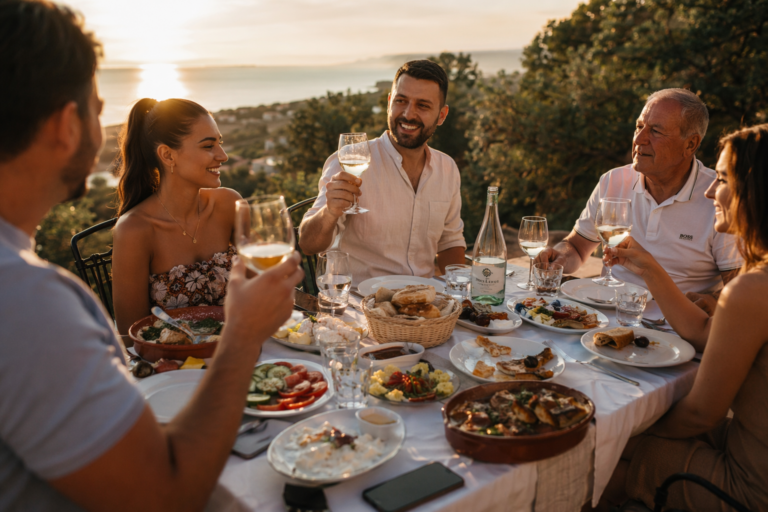
In Albania, food brings family together. Having a meal is all about people, not just eating and moving on. The Albanian table usually has lots of dishes at once. There is a style of sharing that shows why recipes here are good, simple, and made for more than just one person.
Special occasions make this stand out even more. For big holidays, you might see dishes like Gjel Deti me Përshesh. Pastries, sweets, and baked treats come out on other big days. The main course is important, but so is having many dishes. It is all a sign of care and being good to visitors.
This style of albanian food goes back in time and is part of the country’s history. Albanian families keep their recipes safe by cooking together and eating them when it really matters. So, when you have these foods, you get to see how old ways stay alive in normal family life.
Key food festivals and celebrations
While the information here is more about Albanian food and not so much about official food festivals, it does show how celebrations are a big part of eating in Albania. New Year, Christmas, Dita e Verës, and many other religious holidays all help shape what you cook and serve at home.
Ballokume is one of the treats you get with Dita e Verës. Gjel Deti me Përshesh shows up in holiday meals around New Year and Christmas. Ashure comes out at religious holidays as well. These special occasions make sure that traditional albanian food has a set spot in the calendar every year.
If you want to spot famous albanian food events, you might see that family celebrations mean as much as public festivals. Some albanian restaurants offer festive dishes during big times. But much of what matters still happens at home, where the recipes are all about family, good memories, and what feels right for people on special occasions and religious holidays.
Conclusion
In the end, trying Albanian food lets you enjoy rich flavours and old traditions that every food lover will like. It mixes the tastes from the Balkans and the Mediterranean, giving you many dishes to try. You can eat famous meals like Tavë Kosi and Byrek, plus sweet treats such as Trileçe and Bakllava. The dishes in Albanian food not only show the culture and story of Albania, but they also let people in Australia find new, tasty things to eat. So, if you want to try something new, have a go at cooking some traditional recipes. If you want to know more or need help, you can get in touch for a free chat about all the tasty options in Albanian food.
Frequently Asked Questions
What are the most popular traditional Albanian dishes Australians should try?
Start with tave kosi, byrek, and stuffed peppers if you want a good start to traditional Albanian dishes. These show different parts of the local cuisine. You get baked lamb with yoghurt, flaky pastry, and comfort food made from vegetables. Grilled fish and Fërgesë are also great choices.
Are there easy Albanian recipes Australians can cook at home?
Yes. Some of the easiest Albanian recipes to make at home use fresh ingredients. You can try fried dough like Petulla, byrek with cheese or spinach, and grilled veggies. Each is a simple recipe that does not need any fancy gear or hard steps. It’s a good way to get the taste of Albanian recipes.
How do Albanian flavors compare to other Balkan cuisines?
Albanian food is close to some Balkan dishes, but it can be lighter. You get more olive oil, fish, and veggies in the meals. The mediterranean diet helps shape this style. It also adds fresh flavours that can be less heavy than food in other nearby places. Each region has its own way, so albanian food tastes fresh and new in different spots.