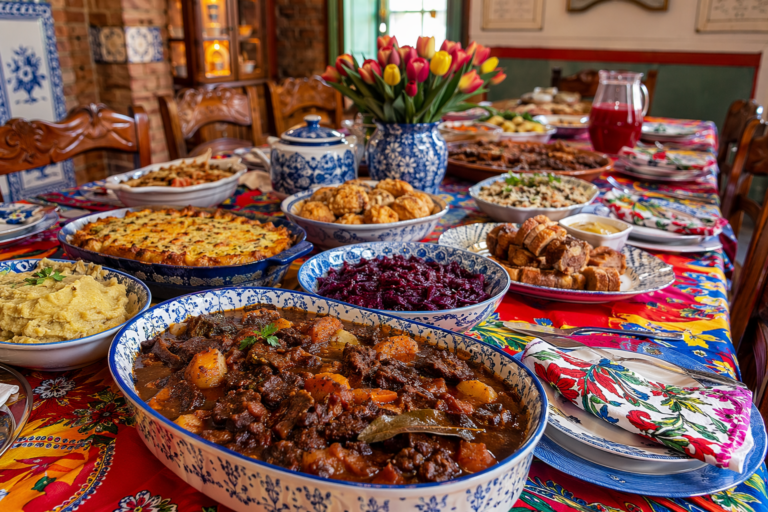
Key Highlights
-
Afrikaner food is part of south african cuisine and shows a big impact from dutch settlers.
-
You will notice how local produce, lots of meat, and old cooking styles shape the way people eat this food.
-
Classic meals like bobotie, boerewors, and potjiekos are popular and linked to home cooking and gatherings.
-
Staple sides like pap and samp are often served with many meals.
-
Sweet treats including melktert and malva pudding are favourites and offer a comforting touch to afrikaner cooking.
-
Many of these meals from south african cuisine can be cooked in Australia using easy-to-find, familiar ingredients.
Introduction
If you like hearty meals with a bit of history, you should try traditional afrikaner food. This type of south african cuisine blends Dutch roots with local food and simple home cooking. You will find rich mince meals, stews cooked slow, grilled sausages, and old-style desserts that are still easy to enjoy. For Australians, this african cuisine feels both new and a bit like home. So, how did this south african food get started, and what makes it stand out on the table?
Exploring the Heritage of Afrikaner Cuisine
Afrikaner food started in south african homes where migration, settlement, and the daily need to survive had a big part in how people cooked. Dutch settlers brought their food ways from Europe. They liked to cure meat, bake, and make stews, but they had to change how they cooked because of what was in the area.
At the same time, the indigenous population and cape malay people added their own flavours, ingredients, and ways of cooking. This is why a national dish like bobotie might feel a bit familiar but is still so south african. To get what these meals are about, you need to know where the food comes from, how the flavours mix, and the way meals changed as time went on.
Dutch Roots: How Settlers Shaped South African Food Traditions
Dutch heritage shaped Afrikaner food in south africa by starting many of the usual dishes you find today. When the dutch settlers arrived in south africa, they brought over baking, ways to keep meat for longer, and ways to make stew. These ideas are still big in south african cooking.
During the time of the dutch east india company, these food habits spread even more. Drying meat helped people deal with the hot weather in south africa, since there was no refrigeration. Slow-cooked meals worked well because families could eat together, and it fit right in with farm life. The older style of cooking stayed important because it fit so well with daily life and the land.
You can still taste the Dutch in meals like boerewors, potjiekos, and melktert. Even if the food used new ingredients over time, the way people cooked and set out their meals often stayed the same. This is what makes Afrikaner food feel both European in its roots and very much a part of life in south africa.
The Blend of Indigenous and European Flavours
Afrikaner food is different because it’s not just from Europe. The local people gave the food many key ingredients and useful cooking habits. Then, people from outside added more flavour. This helped to give africaner food its own special style.
The cape malay group is a big part of why this food is how it is today. They brought spices and new ways of cooking to cape town. Now, some dishes are a core part of south african life. In bobotie, for example, curry powder and dried fruit give the dish a mix of sweet and savoury tastes, instead of making it just hot and spicy.
So, this mix helps afrikaner food stand out from other types of african food in south african. The food often is mild, and you will see baked dishes, grilled meats and slow-cooked stews. It does not go for more heat like some curries do. You end up with food that has mixed roots but still holds together as one.
Evolution of Afrikaner Food in Modern Times
Afrikaner food has changed but it still keeps its main feel. In rural areas, people hold onto old recipes and cooking ways, mostly with braais, slow stews, and big baked desserts at home.
In the major cities, you are likely to see these meals at restaurants, in bakeries, or in relaxed food spots next to other South African classics. Bobotie, melktert, and boerewors are still there because people know them, like how handy they are, and they’re big with locals and travellers. So, Afrikaner food is still easy to find these days, though they do not always use that name for it.
What has changed the most is that cooks around South Africa use local produce in new ways, but keep the base of the meal the same. This balance makes the food still good for now. For many, eating it is not just about having dinner. It’s more about the cultural experience and a way of life.
Distinctive Elements of Afrikaner Cooking
Afrikaner cooking is easy to spot once you know what makes it special. Many south african dishes in this group use meat, starch, baked desserts, and meals that families share. The food is filling and simple. It is made for the everyday and for parties too.
A big part of this food is the way strong spices are used, but without too much heat. You will see older cooking styles like braaing over a fire, baking, drying meat, and slow cooking on a stove. There is a variety of meats in these meals, often with local things added in. That gives this food its clear south african touch. Next, we will look at the ingredients, the spices, and the ways of cooking that make it what it is.
Typical Ingredients in Traditional Dishes
If you want to make a list of classic Afrikaner recipes and what you need for them, you’ll see a few things show up again and again. People cook with meat, grains, milk, eggs, dried fruit and use whatever local produce is around. The, every day, these foods turn up in simple meals. But you will also see them on the table for special times.
This all shows up in top dishes like bobotie, melktert, pap and potjiekos. Bobotie, which lots of people call a national dish, mixes up mince with curry powder, some fruit and sets with egg on top. Potjiekos, also called small pot food, lets flavours build up with easy, plain stuff as it cooks for a long time.
-
Bobotie: minced meat, curry powder, dried fruit, egg and milk
-
Potjiekos: meat, vegetables, rice or potatoes, cooked slowly
-
Boerewors: beef with pork or lamb, plus spices
-
Pap: white maize as a staple food
-
Cape Malay version dishes: spiced sauces and stews using local produce
Signature Spices and Seasonings
Afrikaner food is known for its warmth, nice smells, and good balance. It does not try to be very hot or strong. You will often taste meats that use gentle spice, plus some sweet bits from things like fruit, jam, or syrup.
This is why curry powder goes into dishes like bobotie. Black pepper and coriander often go in sausages and dried meats. Biltong is made with a mixture of vinegar, salt, sugar, and other spices, which makes the flavour sharp but smooth. If you eat a Cape-style meal, you will notice more aromatic spices.
The most used seasonings are:
-
Curry powder for rich taste in baked mince dishes
-
Black pepper and coriander in boerewors and cured meats
-
A mixture of vinegar, sugar, and salt in biltong
-
Aromatic spices like cinnamon, turmeric, saffron, and chilli in Cape-style dishes
Cooking Methods Handed Down Through Generations
Many Afrikaner recipes use not just special ingredients, but also different cooking styles. In the past, people would bake, dry, grill, and cook things slowly. These ways were useful then, but they also helped to build up better flavours that you sometimes do not get if you use quick, modern ways to cook.
Braais are a big part of this south african style of cooking. A south african braai means more than just putting meat over an open flame. It is about people coming together. They grill boerewors and other meats, then eat them with pap, salads, or relish. This method of cooking is important because it joins food and people.
Potjiekos is one more part of the tradition. This small pot food cooks over an open fire for a long time. This slow way lets meat and vegetables take on their full flavour. As these recipes are given from one person to another, the cooking styles help keep Afrikaner food close to memory, daily habits, and times when people come together for meals.
What Makes Afrikaner Cuisine Unique?
Afrikaner food is different because it mixes history, simple cooking, and comfort in one way of eating. This type of cooking comes from an ethnic group with Dutch roots. Still, these meals show off the south african land, the climate, and the way people live day to day.
You usually get grilled meat, baked savoury meals, simple starches, and old sweets that feel warm and real, not flashy. With this mix, people get a true taste of south africa. That is why many still love these comfort dishes in their homes. If you put them next to other south african and african food styles, you will see what sets these meals apart.
Differences from Other South African Food Cultures
What makes Afrikaner food stand out from other south african dishes? One of the biggest things is balance. Afrikaner meals tend to put the spotlight on roasted, baked or braaied meats. You’ll also find starches and dishes with gentle spice. It is not about strong chilli heat or heavy sauces.
Cape malay cuisine is different, as it uses aromatic spices to make bold curries and stews. If you think about bunny chow, which comes from the indian community, that is another style. Here, loaves of bread are filled with spicy curries for easy eating. All these foods are part of african cuisine across southern africa, but they have their own stories.
Afrikaner cooking is a lot like good old farmhouse food. It often uses sausages, mince bakes, pap, puddings and stew pots that cook nice and slow. You’ll notice flavours that mix a bit of sweetness, fruit and mild spice. That makes afrikaner food its own thing in the world of south african cooking.
Comfort Foods Loved by Afrikaners
Comfort food in this tradition means you turn to the dishes you know well. These are the foods families like to eat together for a meal, on relaxed weekends, or when you want something sweet after a braai or roast. People link many of these foods with their home kitchens more than fancy restaurants.
Desserts and baked goods are just as important as the savoury meals. Malva pudding is well known for sunday lunch, and creamy milk tart is a much-loved sweet treat that comes from shops and homes. Fat cake, also called vetkoek, fits in with comfort food too. It can have a savoury filling or be a sweet snack.
Popular comfort foods include:
-
Malva pudding with warm sauce
-
Creamy milk tart dusted with cinnamon
-
Fat cake filled with mince or jam
-
Bobotie served as a hearty family meal
Influence of Dutch Heritage in Day-to-Day Meals
Dutch settlers changed everyday meals a lot in South Africa. They started the love for bread, sweet pastry, meat that is dried or kept for a long time, and baked food. Many of these ways of cooking and eating stayed. They kept going even when cooks had to change the meals to fit with what they could find in South Africa.
You can see this in foods like melktert and dried meats. Many family meals are still built on simple starches and meat. The Dutch touch is there in most of these. Even the sweet treats show this link. For example, malva pudding is a dessert that comes from the Dutch. It needs apricot jam to get its deep taste, and it is still a sweet treat that many people love.
People put new ingredients into these meals with time, and they tried new flavours from South Africa. But the way meals were put together stayed pretty much the same. Because of all this, Dutch heritage still shapes how people in South Africa eat, and it is easy to see it. It is not just part of party food, but also in food for the family that uses bread, meat, and desserts that are sweet and comforting.
Must-Try Afrikaner Mains Australians Will Love
If you want a good place to start, go with the main south african dishes that are tied to Afrikaner cooking. These meals are filling, bring people together, and are simple to enjoy, even if the taste is new for you.
For Australians, it is easy to see why we like them. They have grilled meat, pots with slow-cooked food, and baked mince dishes. These match our love for laid-back times and big feeds. From a national dish like bobotie to a well-known type of sausage like boerewors, you get a style of cooking that is about being simple and easy in the kitchen. Here are three main dishes that stand out and should be on your list.
Bobotie – The Classic Spiced Mince Bake
Bobotie is one of the most well-known dishes in Afrikaner food, and many say it’s the national dish of South Africa. To make it, you cook minced meat with seasonings, then add a mix of egg and milk on top. After that, you bake it until it is set.
The flavour is easy to tell apart. There is a nice balance of savoury and sweet. Curry powder gives it warmth. Dried fruit or sometimes apricot jam brings a soft sweetness. This mix of tastes ties the dish to many south african food influences, especially the spice ways you see in cape malay meals.
For Australians, bobotie is easy to enjoy because it’s like a baked family dinner, but with a new twist to the taste. It often comes with yellow rice, so the meal is filling and simple to like. If you want a dish that shows the comfort of Afrikaner food, bobotie is a top choice.
Potjiekos – Slow-Cooked Stews for Gathering
Potjiekos is well known as small pot food, and it’s loved in the way people cook together. The name means small pot food. That really shows you how folks make and share it.
This meal starts with a potjie put on an open flame. People fill it with meat, veggies, and sometimes rice or potatoes. The food cooks slow. Over time, the flavour gets deep and nice. The slow way things cook makes it good for when people come together, talk, and hang out as the food gets ready.
In rural areas, potjiekos still stays close to old outdoor cooking ways, but now many others enjoy it too. Australians – who like meals cooked over fire and weekend cook-ups – get it straight away. Potjiekos is not just eaten. It’s about taking in the pace, the smell, and that easy going, social feeling it brings.
Boerewors – The Story Behind the Famous Sausage
Boerewors is one of the best-known Afrikaner foods and a must at many braais. It is a traditional type of sausage, usually made from beef mixed with pork or lamb, then seasoned and shaped into a coil.
The flavour comes from simple spices rather than heavy sauces. Coriander, nutmeg and black pepper are common, and the sausage is usually cooked by grilling. Because it uses a variety of meats, the final taste can change slightly from one maker to another while still feeling familiar.
Here is a quick look at what defines boerewors:
|
Feature |
Details |
|---|---|
|
Main meats |
Beef, often mixed with pork or lamb |
|
Shape |
Traditionally served in a coiled spiral |
|
Key spices |
Coriander, nutmeg, black pepper |
|
Cooking method |
Grilling, often on a braai |
|
Typical serving |
With pap, as street food, or at sports events and gatherings |
Favourite Side Dishes and Accompaniments
No meal loved by Afrikaners is right without the extras on the side. These small dishes give crunch, freshness, and balance to the hearty meats and baked mains. Some are simple and fill you up, while others have a strong, sharp, or spicy kick.
You will see pap, samp, salads, and relishes right there on the table. They show how a staple food can be served with bright flavours made from local produce. You may find some of these at street vendors or parties with friends. Let’s see the starches, sauces, and veg that all help finish off the meal.
Pap and Samp – Staple Starches with a Twist
Pap is one of the most common starches you will find in south african meals. It is made from white maize. Many people in southern africa use it as a staple food. You will see it at home, during braais, or on a plate any day.
People like to have pap as a side dish because it is simple and filling. It works well next to boerewors, stews, braaied meat, or vegetable relish. Pap does not take the spotlight, but it adds to the meal. If you are new to south african foods or trying Afrikaner meals for the first time, this is an easy dish to know.
Samp is another good option when it comes to starches. The compiled information does not talk much about how you prepare it, but it is still a big part of south african food. Both pap and samp show that Afrikaner-style meals use plain, filling foods in place of fancy sides. These base foods help make all the flavours stand out.
Chutneys, Atjar and Pickles: Bringing Zest to the Table
Rich main dishes need something with a bit of contrast. This is where sharper sides like chutneys, pickles, and relishes come in handy. These can cut through fatty meats and heavy starches with ease. They add a burst of brightness but still keep the meal’s warm comfort.
One example from south african cooking is chakalaka. It’s a spicy vegetable relish made with onion, tomato, peppers, carrot, beans, and a mix of spice. When you look at cured meats like biltong, the south african love for a mixture of vinegar and spice really stands out. Though sweet ideas like apricot jam filling or coconut meringue topping are mostly for desserts, they also show that contrast is important in this cuisine.
Useful flavour boosters include:
-
Chutneys that offer sweetness and a sharp kick next to savoury dishes
-
Spicy vegetable relish like chakalaka with pap and meat
-
Pickled parts to give bite to rich plates
-
Ideas using a mixture of vinegar, inspired by south african cured meat traditions
Fresh Salads and Seasonal Veggies in Afrikaner Meals
Afrikaner meals may seem focused on meat, but veggies are still important. Fresh salads and food like seasonal vegetables bring balance to the braaied meats, sausages, and stews. This really helps when the rest of the food is quite rich and warm.
This shows how people use local produce in south african cooking. Over time, south african cooking changed as people had to use what they could get, so that meant using vegetables along with meat and starch. Even putting a few veggies on the plate makes the whole meal feel better, especially during outdoor get-togethers.
In places like cape town, you can see this balance more clearly. Salads are served with grilled meat, and stewed or baked veggies go with other main dishes. For Australians, this means Afrikaner food is easy to enjoy. The food is filling and good, but it is not just about the meat.
Traditional Afrikaner Desserts and Sweet Treats
Afrikaner desserts are a big reason why south african foods stay with people. If you have a sweet tooth, you might find this part of the food catches you first. The tastes are warming, simple, and often remind you of family baking at home.
You get things like syrupy pastries, custard tarts, and hot puddings. They fit well for any normal day or a special lunch. Two of the best-loved examples are creamy milk tart and malva pudding. Each one gives you a classic sweet treat, but in its own way. Let’s check out the desserts that are a big part of Afrikaner home cooking.
Melktert – Dutch Milk Tart Favourite
Melktert is a good example of how Dutch settlers have shaped Afrikaner baking in South Africa. This creamy milk tart has a simple pastry base. The filling is made with milk, eggs, and sugar. This gets made thick with some flour and then topped with a bit of cinnamon.
A lot of traditional Afrikaner sweet treats are not like other South African desserts. They often use custard and pastry with mild spice. You won’t get the heavy syrup or strong spice like you do in other African food. Melktert is all about a softer and lighter style. It’s more homely and less showy.
The dish comes from the days of the Dutch settlers. Melktert is still a top pick in bakeries or at home. It might not be called a national dish like bobotie, but it is a well-known sweet treat in South African food. Australians would find it easy to make and enjoy.
Koeksisters and Malva Pudding: Iconic Confections
Koeksisters and malva pudding both show something different when it comes to Afrikaner sweets. Koeksisters are sticky and full of syrup. They are fried, then eaten cold. The way they taste and look makes them stand out.
Malva pudding is more warm, soft, and rich when you eat it. It is a sponge pudding that you bake. It’s sticky too, and you will often find apricot jam in it. People like to pour hot cream sauce over the top. For many, this dessert is part of sunday lunch or home baking at their place. If you live for sweets or just really have a sweet tooth, malva pudding is the one you want to try first.
While these two desserts are different when you touch and eat them, both are well-known in their own way. Koeksisters are a bit like other fried dough balls people know and love. Malva pudding is more about that baked, comforting dessert people want when they sit down to eat. These sweets show that you can go from syrup-covered bites like koeksisters to hot, soft treats like malva pudding, all in one spread.
Conclusion
Afrikaner food takes you right to the heart of South Africa. The dishes have Dutch roots and bring a mix of tasty, one-of-a-kind flavours. You get classics like Bobotie and warm Potjiekos. Every meal shares a bit about the cool blend of cultures and old ways in South Africa.
As you try these great recipes, not only do you make your taste buds happy, you also learn more about the story behind the Afrikaner people. If you want to make a meal for your family or mates, or you’re after something new in the kitchen, these dishes will sure to wow them.
Why not give them a go? You could find your next favourite tonight. Feel the warmth and comfort of Afrikaner cooking right at home. It could be a slice of the heart of South Africa at your table.
Frequently Asked Questions
What occasions are Afrikaner recipes typically served at?
Traditional afrikaner food is often part of everyday meals. But you see it more at special occasions, family gatherings, and sunday lunch. A south african braai is one of the main times people enjoy this food. Dishes like bobotie, which many call the national dish, are also popular. People make it when they want food everyone will like and know well.
How do braais feature in Afrikaner culinary culture?
A south african braai is an important part of Afrikaner food culture. It brings people together to eat and spend time with each other. In this south african style of cooking, meat is made over an open flame in a simple way. This is good for gatherings. You can find braais in many parts of africa. However, on Afrikaner tables, their south african braai often has a variety of meats, with boerewors being very common.
Which Afrikaner foods can I make easily in Australia?
In Australia, you can make south african foods like bobotie, boerewors-style barbecue, malva pudding, and melktert with common things you get at most shops. Pap is also easy to make if you find maize meal. South african cooking is great at home because the way it’s done in rural areas, or when people want a quick meal, is simple and works well for everyone.