Key Highlights
-
African cuisine in Australia shows off a rich range of dishes, like jollof rice from West Africa to tasty meals from East Africa.
-
Many African dishes use grains, stews, grilled meats, and help bring people together in shared meal traditions.
-
African migration has helped african restaurants, markets, and home cooking become a strong part of Australia’s food culture.
-
Popular street food like samosa, suya, and mandazi give you easy options full of day-to-day flavour.
-
Australian cooks now make classic meals using what grows here along with a few imported pantry staples.
-
You can find true tastes at african restaurants, food markets, or just try making easy home recipes yourself.
Introduction
African cuisine in Australia is getting noticed, and there is a good reason for that. The food stands out with its bold flavour, long-standing tradition, and a food culture that focuses on sharing. In many groups, african dishes often mix grains, stews, vegetables, breads, and grilled meats. This way of eating feels familiar but also brings something new to the table. If you want to know what makes these meals interesting, this guide will show you the different regions, staple parts of the meals, and simple customs that African cooking brings to Australia.
Diversity of African Cuisine in Australia
African food is not just one type of cooking. It comes from many African countries, and each one is shaped by the climate, food that grows there, movement of people, and old food traditions. That is why African food can be so different. You might see tomato-rich rice dishes, couscous, breads that are left to ferment, and slow-cooked stews.
In Australia, this big mix of African food is showing up in people’s homes, in markets, and in local cuisine. West Africa is famous for using bold sauces and rice dishes. If you look at East Africa, you will see injera, which is a soft bread, and all kinds of spice blends. Up north, North Africa uses a lot of olive oil, couscous, and food full of smells and spices. These things all bring their own style to food culture in many Australian cities now.
Influences of African Migration on Local Food Scene
Migration has helped make african food a big part of australia’s local cuisine. People and business owners bring their recipes, cooking ways, and what food means to them from their old home, then start again in a new place. This has kept traditional meals like african dishes going strong and lets more people try them.
In places like Brisbane, restaurants such as Afrikanbite show that african dishes can fit right in with everyday food. Meals like jollof rice, egusi, beef stew, waakye, and fufu give customers new tastes. People who try these meals often come back again, which means there is a growing interest.
Migration has also made community ties stronger. Restaurants, making food at home, and sharing meals all help people to stay close to where they come from. At the same time, these things show others in australia how african food culture, with its sharing, care, and special taste, adds to aussie eating habits.
How Australian Culture Has Embraced African Dishes
Australian culture is taking on african food in everyday life. This comes from people being curious, heading out to eat, and making new things at home. Many now want to try foods that have a strong sense of where they come from, and african dishes really deliver on that. When people go for chicken stew with fufu or some plantain on the side, it ends up being a fresh and standout meal.
You can spot this change if you look at the number of new african restaurants and shops opening up. Some spots use things you can grab in Woolworths, Coles, Aldi, or Costco, and blend them with goods picked up from african grocery stores. That kind of mix makes making these old favourites much easier in Australia, and it keeps the food culture alive.
There is a bigger story too. African food has always been about trade routes, people moving, and food being shared one way or another. Aussie food lovers are now part of this bigger journey, where classic recipes go across the world, change a bit, but always mean something in every place.
Regional Differences in African Cooking
Food in African countries changes a lot from one place to the next. In west africa, you get dishes with a lot of tomato, some heat from chili, palm oil, and rice that’s full of flavour. north africa is different, with more olive oil, couscous, food with preserved flavours, and spices mixed in layers.
In east africa, people use breads made with teff, lentils, and strong-tasting mix of spices. Down in south africa and southern africa, food lovers have braai, pap, and meals that cook slow over fire. These things all come from change in land, what you can grow there, and the old food culture in each area. When you look at every region, you see how food can be so different across the continent.
North African Cuisine and Its Unique Character
The cuisine of north africa is known for fresh and warm flavours. Cooks in north africa use a lot of olive oil, preserved lemons, olives, and cook food slowly to bring out flavour. This gives the food a nice aroma and makes it taste rich but not heavy.
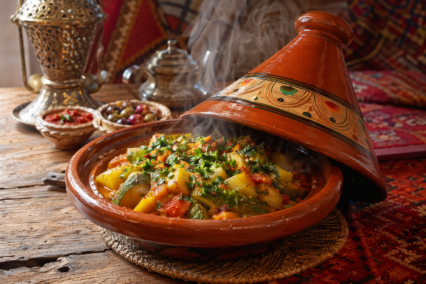
A lot of that comes from aromatic spices. One popular mix is ras el hanout, which uses things like cumin, cardamom, and cinnamon. You will find these aromatic spices in tagines, couscous, and meals with lots of vegetables. This gives the dishes a flavour that is special to north africa.
This cooking style has grown over many years, helped by trade routes that brought in new ideas and foods. So the cuisine of north africa uses local food with other influences. In Australia, people enjoy these meals if they like a bit of gentle spice, slow-cooked food, and dishes where the aroma is just as important as the taste.
West African Taste Traditions
West African cuisine is famous for its bold and comforting flavour. In West Africa, many meals start with onions, garlic, ginger, and tomatoes. These simple foods are then cooked slowly to make rich sauces. Dishes often taste vibrant, savoury, and are great for sharing with others.
Many well-loved dishes in African food come from this region. Jollof rice is very popular, with rice cooked in a tomato sauce that is full of flavour. Egusi soup is another favourite for many, and people often eat it with pounded yam or fufu. You will also find ground peanuts in many stews, giving them a smooth, nutty taste.
Palm oil is often used in traditional cooking because it adds both colour and richness to the dish. Across Australia, a lot of people enjoy these meals at restaurants and at home. For those trying African food for the first time, West African cuisine is a good way to get to know the flavours and styles that come from all over Africa.
East and Southern African Food Staples
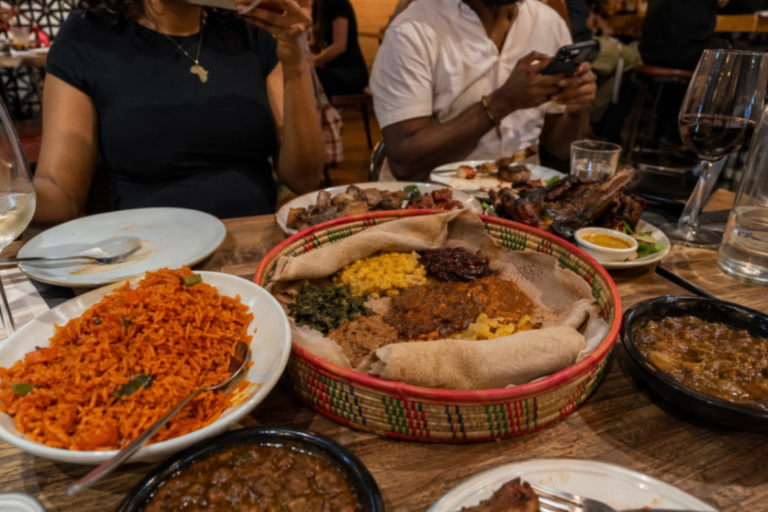
East african cuisine is well known for injera. This is a flatbread made with teff flour, and it has a tangy taste with a spongy texture. People often use it to scoop up stews, lentils, and vegetables by hand. This way of eating is a big part of east africa and shows how important sharing food at the table is there.
In east africa, you can also find foods like ugali, chapati, beans, and grilled meat called nyama choma. The common foods here also include lentils, lots of vegetables, and spice blends. In other parts of africa, stews often use leafy greens and cassava leaves.
In the south, southern african food is a bit different. In south africa, people make pap, chakalaka, potjiekos, braai, and bobotie. Most of these southern africa dishes are made with maize, and are cooked slowly or over an open fire. This gives southern african food a smoky and very hearty style, which is not the same as the breads and spice-filled stews you get in east african cuisine.
Essential Ingredients in African Cuisine
The main ingredients in african cuisine are often simple ingredients that people use with care. In different areas, cooks get grains, tubers, legumes, vegetables, and blends of spice to make meals with strong flavour. These basics help make soups, stews, breads, and grilled dishes.
What makes the food stand out is how these basics are put together. You can find cassava, maize, millet, lentils, leafy greens, onions, tomatoes, and chilli in many forms all over the continent. If you get to know these staples, you will see more about the food culture behind the everyday meals and special dishes people make.
Common Grains, Tubers, and Legumes
Many african food traditions use filling main ingredients that are good for stews and sauces. These main ingredients can be different in each region of africa, but they all do the same thing. They help to make the food more filling and are easy to use every day. Some of the main ingredients are grains, and others are starchy root vegetables or sides that come from plants.
Teff flour is a big part of East african food, where people use it to make injera. In other parts, meals often have cassava, maize, millet or sorghum as the main foundation. The information also points out that in Australia, people can swap in other main ingredients. For example, you can use sweet potatoes if yams are not easy to get.
Other main ingredients help give meals more flavour and make them not boring:
-
Cassava leaves are often mixed into stews because they have a good earthy taste and give the body some goodness.
-
Green bananas and plantains are used in some places as filling and hearty bits in meals.
-
Legumes like lentils and beans are main parts in a lot of daily african food.
These main ingredients not only fill you up but also make every meal of african food taste good and be easy to make.
Spices, Herbs, and Aromatics
One reason African food sticks in your mind is because it uses so many aromatic spices and smells great. People often start with onions, garlic, and ginger, then add spice mixes from the region. These things build the flavour right from the start. Depending on where you’re at, it can taste smoky, earthy, tangy, or even sweet and warm.
Chili peppers are a big part in lots of meals, especially in West and East Africa. In north Africa, you find more fragrant spice blends, while other places enjoy more heat and a bit of nuttiness. Black pepper, some warming spices, and different blends all work together to make the rich taste people connect with their usual meals.
Common things that build flavour are:
-
Chili peppers for both heat and a deep taste in many sauces and stews
-
Black pepper that gives you that sharp and familiar warmth
-
Curry powder and other spice mixes from the region that make everything taste balanced and savoury
Uses of Local and Imported Produce in Australia
In Australia, it is common for people who cook african food to use both local foods and some foods that get shipped in. Doing this lets more people try african dishes and still stay true to the taste that comes from back home. The main foods—like tomatoes, onions, leafy greens, chicken, beef, and rice—can all be found at the big shops.
When it comes to special things, you need to visit an African grocery store. These shops often have palm oil, fufu flour, spice mixes, plantains, and things that you usually will not see in the usual shops. Because of this, it is easier for families and places to eat to make meals that are close to the real thing.
This way fits well with the way people in Australia like to cook—to change things a bit at home. If there is an ingredient that is hard to find, people might use another thing that works, but they do not lose what the dish is all about. It helps to keep african food part of daily life, makes it easy for anyone to make, and also keeps the dishes close to the taste people love.
Traditional Dishes Popular in Australia
Many people in Australia now know about african dishes. You often see them in restaurants and at takeaway places. Jollof rice, egusi, beef stew, chicken stew, waakye, fufu, couscous meals, and injera-based dishes are some popular picks. These foods show just how wide the world of african cuisine really is.
The reason they are popular is simple. They have a good mix of comfort and flavour that stand out. Some of these meals are rich and spicy. Others can be mild and smell great. Now that african food is more common in local cuisine, more Australians get to try dishes like jollof rice or chicken stew. Things that once seemed new now feel more welcome and tasty.
Stews and Soups: Egusi, Harira, and Peanut Soup
Stews and soups are a big part of many African meals. They are practical, packed with flavour, and easy for people to share. In Australia, more people are trying dishes like egusi soup and beef stew. These main dishes help diners see how slow-cooked sauces are a key part of food traditions from Africa.
Egusi soup is loved in West African cooking. It is often the main dish and comes with a starchy side like fufu or pounded yam. Soups made with peanut butter or ground peanuts are good choices for new cooks too. These make use of ingredients many already know, but bring new regional taste to the table. In North African food, harira is a soup that also brings warmth and comfort.
If you want something easy to start with, choose one of these:
-
Egusi soup with a starchy side
-
Peanut soup made with peanut butter or ground peanuts
-
Beef stew served with rice or fufu
Grain-Based Specialties: Jollof Rice, Couscous, and Injera
Grain-based dishes are some of the most known meals in African cooking. They bring comfort, offer many choices, and show strong links to each region. If you ask people what meals are loved the most, you will often hear about jollof rice, couscous, and injera.
In west Africa, jollof rice stands out. It gets cooked in a base full of tomatoes with onions, peppers, and spices. This gives every bite a rich colour and taste. Friendly talks about who makes the best jollof rice are common, and this helps its name grow in Australia and in other places too.
In north African food, couscous is light and fluffy. It is most often served with stew. In east Africa, injera is made from teff flour and has a spongy texture plus a sharp taste. People use it as bread and also as a utensil to scoop up other food. These dishes together show how grains can shape the way people in each region eat.
Iconic Meat Dishes: Braai, Bobotie, and Nyama Choma
Meat dishes are a big part of african food, and in many places, people love to grill and eat together. People often use strong spices, cook things slow, or make food over an open fire. All this brings people together at the table or by the fire for a good time.
Braai is one of the most well-known customs in south africa. Here, meat is cooked over an open fire. Bobotie is also popular, and many people say it’s the national dish of south africa. It mixes spiced minced meat with a baked topping that’s full of flavour. These meals show how southern cooking brings together both local and other tastes.
Nyama choma is another favourite and means a lot in east african food. This meal uses simple grilled meat that people share easily with others. In Australia, these types of food are great for people who love a barbecue but want tastes and ways of cooking that are more connected with where they come from.
Street Food and Everyday Meals
Street food shows you what everyday african food looks like. It is fast, easy, and has a lot of character. In many areas, street vendors offer tasty snacks, breads, grilled meats, and meals you can take with you. These fit well into daily life and still have a lot of cultural meaning.
These african dishes are more than just handy. They show the food culture in a spot, what families like to eat, and how people get together with simple, cheap food. In Australia, street-style african food is letting more people try new tastes without needing to order a big meal.
Quick Eats: Samosa, Mandazi, and Chapati
Quick meals are often the first foods people go for, and this is true with many types of African food. They feel familiar, so they are easy to try, but still have a special taste you won’t forget. Samosa, mandazi, and chapati are great examples of balancing both things.
In east african food, samosa is a favourite salty snack. It has a crispy outside and the filling can be different each time. Chapati is soft and you can use it in many ways. It goes well with stews, or you can eat it by itself from a street stall. Mandazi is a bit sweet and it’s good for breakfast, tea time, or just a quick snack.
These foods are great because they use simple ingredients. They are made with everyday skills, but they still have big meaning for many people. You will see them at easy-going meals, in markets, or at family gatherings. Portable snacks like these make things easy and bring people together.
Popular Snacks: Plantain Chips, Suya, and Puff-Puff
Snacks are a big part of street food in west africa. People love them because they are easy to take with you, quick to make, and full of taste. Some are smoky and savoury, while some are sweet and are good for a treat any time of the day.
Suya is one of the top snacks in nigerian food culture. It is made with grilled meat that has a spicy and nutty topping. Plantain chips are crisp and a bit savoury, while puff-puff is soft and sweet. Puff-puff is great if you want something sweet but do not want a full dessert.
Popular picks are:
-
Plantain chips for a crisp, simple snack
-
Suya for smoky, spiced street food flavour
-
Puff-puff—one of the easiest sweet bites to try
Family Meals and Communal Dining Traditions
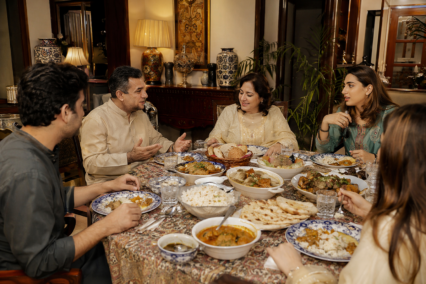
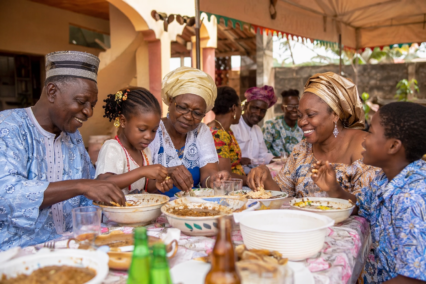
In much of African food culture, eating is something people do together and not on their own. Meals are put out on one big platter, or the food is set up so that everyone can sit and eat from the same dish. This means eating as a group is a big part of how people enjoy their food.
When families eat together, it is about more than just filling up. It gives people a chance to talk, connect, and be friendly to each other. In many homes, people use bread or starchy foods to scoop up the sauces and stews. So, eating is not only about food but also about sharing, talking, and having time together.
Food customs do change a bit in different parts and countries, but there is one clear message: meals are about bringing people together. In Australia, these food culture traditions still matter to many families and restaurants. They help people hold onto their roots and also show new people that African food is closely linked with sharing and being part of a group.
Cooking Methods and Culinary Techniques
Many african recipes use cooking techniques that build flavour slowly. These ways of cooking help get the most out of the ingredients. Traditional cooking techniques like simmering, grilling, roasting, and clay pot cooking give the meals their rich taste. These ways are not just practical. They also help shape how the food tastes and how it feels when you eat it.
One-pot cooking is very common in african recipes. It makes the meal rich but is still easy to make. These cooking techniques show us a lot about food culture, not just about what is easy or quick. When you know how african dishes are cooked, you can see why they taste so full and good.
One-Pot Cooking and Slow Simmering
One-pot cooking is important because it helps the flavours mix and build over time. All the ingredients get soft together. Starches soak up the sauce, and the spices blend into the meal rather than just sitting on top. That’s one reason why many african recipes feel so rich, even if you only start with simple things from the pantry.
Slow simmering is the key to stews in many homes across the continent. When you make beef stew, peanut stew, tagines, or lentil dishes, letting them cook slow is good for both the meat and the taste. Using a clay pot and gentle heat helps food turn soft and brings out a lot of flavour.
In some East African and Ethiopian-style cooking, adding niter kibbeh, which is a spiced fat, brings even more aroma. It doesn’t matter if you choose a meat dish or stick with plants—the idea is the same. Letting things cook at just the right speed makes the dish better, and for home cooks in Australia, it’s one of the easiest and nicest ways to make meals.
Grilling, Frying, and Baking Approaches
Not every dish takes a long time to cook. There are grilling, frying, and baking in African kitchens and on the street. These ways of cooking bring a lot of contrast, like crisp pastry, brown edges, smoky meat, and soft baked insides.
Grilling really stands out in Southern and West African cooking. When you make meat over an open fire, you get the deep, charred taste found in braai or suya-style meals. Frying is important too, as it helps snacks, like samosa, puff-puff, or plantain chips, get their crunchy feel. This shows why they’re loved in street food culture.
Baking is part of foods such as bobotie, where you put spiced meat in the oven till it’s ready. All of these ways to cook are great to use with common ingredients. They show that the way you cook something can make the meal stand out.
Preserving and Adapting Recipes for Australian Palates
Adapting african recipes in Australia is often about making them easy to cook but still true to their roots. Home cooks and places to eat will pick local vegetables, the most simple proteins from the supermarket, or grains they can get at any time. But they keep the seasoning, structure, and true spirit of the first dish.
This way, african food can fit in with local cuisine in a natural way. If you can’t get scotch bonnet peppers, you can use another type of chilli. If yams are not there, sweet potatoes can take their place. These swaps let people cook the meal without losing the important flavour profile.
Australian culture has welcomed this flexible way. It helps more of us try african food at home. It also helps cafes and restaurants to offer real african recipes every day. This is how african food keeps shaping global food culture, too. It’s not by staying the same but by being easy to know, even as it spreads.
Health and Nutrition in African Cuisine
African food can be very good for you. Many meals use grains, beans, leafy greens, or slow-cooked foods instead of processed things. In daily life, you will see vegetable stews, legumes, and lentils used a lot in many places.
This gives you many choices if you care about health and what you eat. Some African food is rich, but a lot of it is balanced and will fill you up. The old food habits people use show that eating whole things in the meal can give you more wellness.
Naturally Healthy Dishes and Dietary Adaptations
There are healthy African dishes that can help if you want to eat lighter. A lot of these meals use beans, lentils, vegetables, and small serves of grains. This way, you get good flavour without always using thick sauces or lots of meat.
Leafy greens are in plenty of traditional African meals. People often cook stews with greens like spinach or cassava leaves. There are also vegetable stews and lentil dishes from places in East and North Africa. These meals are tasty, fill you up, and have a lot of fibre. Most of the time, even if food is a national dish or part of a tradition, you can still make changes.
In Australia, people often adjust African dishes to suit their needs. They might use less oil, add more veggies, or serve smaller portions if the stew is rich. This lets everyone keep that classic flavour while making the meal fit their health goals, like weight management.
Vegetarian and Vegan Options
There are many ways to make African food with no meat, like choosing vegetarian or vegan meals. For a start, you can try Ethiopian-style lentils, Moroccan vegetable tagines, or West African bean dishes. These meals show their full taste and comfort without needing any meat.
Beans, chickpeas, lentils, vegetables, and grains do a lot on their own in the food. Some meals have coconut milk that gives them a rich feel. Others use tomato, onions, or a mix of spices instead. This way, cooking with plants feels real and comes from years of cooking, not just as something added later.
In Australia, this style lets you change recipes to suit what people eat. Places to eat and home cooks can make plant-based choices for everyday meals and family gatherings, and they still feel like a real meal. For many people, these meals are a good way to try African food for the first time.
Tips for Weight Management with African Foods
If you want african food that helps with weight management, look at the main ingredients and your portion sizes, not just at stopping a whole type of food. A lot of these meals use beans, lentils, greens, and grains. They can be good for you. The key is to choose the right mix that works for your day.
You can still enjoy rich dishes if you keep to a healthy routine. You could have a smaller bit of stew and add more vegetables, or pick grilled foods instead of fried foods most times. North african food uses olive oil for flavour, so you don’t always need heavy sauces.
Some handy ideas are:
-
Build your meals with vegetables, beans, and lentils first
-
Watch how much you eat of starches, but keep them on your plate
-
Go for grilled or slow-cooked dishes more than fried snacks
Finding African Food in Australia
It is now easier to find african food in Australia, mainly in bigger cities and areas with many people from different backgrounds. You will see more african restaurants, takeaway shops, and special markets. This helps people get real african dishes without having to cook everything by themselves.
This growth is good because it lets food culture show up more in australian culture. You can have a meal at a restaurant, grab a quick snack, or buy things to cook your own meal at home. There are now more ways to get african food than we had before. The next thing is to know what to buy and where to find it.
Authentic Restaurants, Cafés, and Markets
If you want to find real African restaurants or food nearby, it’s good to start in suburbs known for having many types of food. Big cities always have the best places to eat, with cafes and small shops that make dishes from all over Africa. You can also look at online reviews to see what dishes people like, and what their favourite is.
A place like Afrikanbite in Queensland is a good example. This restaurant has meals like jollof rice, egusi soup, okro soup, waakye, chicken stew, and beef stew. Diners get to try many different West African flavours here. People who eat there say the food feels real, has good taste, and the people are friendly.
Markets are
great as well. Some stores and African grocery shops sell both
ingredients and ready-to-eat food or street food. If you want something other than the standard local cuisine, these shops are the best and easiest places to begin.
Tips for Shopping and Cooking African Staples at Home
Shopping for african food at home can be simple once you know what basics to get. Start with simple ingredients you can find at your local shops. Later, you can get special items from african or international grocers. You do not have to buy everything right away.
For many african recipes, things like onions, tomatoes, rice, beans, lentils, chicken, leafy greens, and chilli will help you start cooking. After you get those, look out for spice blends, fufu flour, plantains, palm oil, or products made from teff if you want food even closer to how it is made in Africa.
Useful shopping tips:
-
Check african grocery shops for pantry staples and spice mixes
-
Use international markets for cassava, plantains, and chillies
-
Make useful swaps when you need, like using peanut butter instead of ground peanuts
African Food Customs and Etiquette
Food customs can be different in african countries, but people often eat together. Meals are shared, and bread, rice, or dough is used to pick up sauces and stews. This makes eating more hands-on and social.
These eating habits show up in family meals and on special occasions. People use them to show respect, make others feel welcome, and to connect. The way meals are done might change from place to place, but you will see the same thing everywhere: in african countries, eating together is not just about the food, it is also about being with people and building good relationships.
Dining Rituals Across Regions
Dining habits across african cuisine show the region, its history, and local culture. Different ethnic groups have their own ways, but there are some things that most have in common. These include being together, showing respect for guests, and the idea that food is something to share. People do not just eat for convenience.
In many places, it is normal to eat together, especially when there is injera, fufu, or other foods you can scoop with your hands. This changes how everyone sits and eats with food. It gets people talking and turns the table into a place for everyone, not a row of single plates.
Traditional cooking techniques also play a big part in how people eat. Things like slow-cooked stews, sharing bread, and making meals for groups help everyone be more social when eating. If you are new to african food in Australia, knowing about these ways can help you feel good and be respectful during the meal.
Celebrations, Festivals, and Traditional Ceremonies
Food means even more during celebrations, festivals, and big events. This is when people make dishes that take a lot of work, bring out share plates, and cook family-favourite recipes. Here, a meal is not just something in the background—it becomes part of the special moment.
At family gatherings and on special occasions, you often see a main dish like stew, grilled meat, or a well-known rice dish that’s served with sides and breads. It’s also common to see East African coffee and the Southern African braai at the heart of these events. These things mean more than just eating—they bring people together and have social value.
In Australia, these food customs are still strong in homes and the community. They help keep old memories alive and give people a sense of who they are and where they belong. If you are a guest at one of these meals, you get to feel African hospitality for yourself, and you can see why food is such a big part of these life events.
Desserts and Sweet Treats
African food gives you a lot of sweet treats, even though people often talk more about the savoury dishes. Desserts change from one place to another. They can be fried, baked, sweet with syrup, or have a bit of spice. Some desserts are easy snacks for any time. Others are saved for big days and get-togethers.
If you want to know what is in traditional African desserts, start with things like puff-puff, koeksisters, malva pudding, and chin chin. You can find coconut milk in some african recipes too. It makes the sweet dishes creamy, and people use it even more now in new or changed recipes.
Common African Sweets: Koeksisters, Malva Pudding, and Chin Chin
Sweet dishes show a different side of African cooking. They might not be as well-known as jollof rice or tagines. But they play a big part in home baking, snacking, and showing hospitality. These sweets come in lots of forms. Some are crisp and fried. Others are soft and covered in syrup.
Koeksisters and malva pudding are tied to South African dessert culture. Chin chin is popular in west Africa. It is a crunchy snack. People often eat it at parties or get-togethers. Not every sweet is a national dish. Still, many of these treats matter a lot in their own region.
Popular sweet treats include:
-
Koeksisters, which have a syrupy finish
-
Malva pudding, a baked dessert that is soft
-
Chin chin, a bite-sized snack that’s crisp and sometimes served at gatherings
Australian Twists on African Desserts
In Australia, african desserts often change a bit to meet what people here like and what foods are easy to get. The old recipes are not gone. Cooks keep the main idea, but they may change how sweet it is or what it feels like when you eat it. They also might show it differently for regular baking or for cafés.
These changes can mean using things you find in most shops. It could be about serving the dessert in a simple way that fits with local habits. Coconut milk gets added into some new dessert versions. It gives a rich taste, and it works well with what many Australians already have in the pantry. This helps mix the old recipes from Africa with home cooking style here.
The way australian cooks do this matches well with the culture in the country. People here feel okay to try african sweets because the methods are not strange or hard. Plus, they do not lose the history behind each dessert. Good updates let the dish keep its links to where it comes from. It should not turn into plain food with no story.
Influence of African Cuisine on Global Food Scene
African food has shaped what we eat and how we cook all over the world. This happened because of people moving, old trade routes, and the way ideas are shared. The foods, ways of cooking, and how people come together around a meal, have gone far and wide. These things have changed the way we use spice, grill food, make stews, and eat with others.
You can spot these changes in australia, the united states, and many other places. African flavours and the way of making food keep growing in these spots. The global reach of african food is not new. It didn’t start all at once. It grew as recipes traveled and changed, but still kept their heart.
African-Australian Fusion Trends
African-Australian fusion food is growing because people now want both real flavour and some things they know. Diners look for something new, but like to see it in a style that is familiar and fits their meal times. This gives cooks the chance to change dishes a little instead of just making copies.
You might spot African spices added to grain bowls, roasted veg plates, or meals a bit like a barbecue that fit right in with local cuisine. There are even fresh ideas, like pasta with Jollof tastes and easy sheet pan dishes made with spice mixes from the region.
This new style works best when Australian culture and African cooking meet with respect. The food mix should let the dish keep its true style, not lose it. When done well, more people get to try African food, and see that old recipes can still be loved as times change.
Impact of African Flavours on Modern Australian Menus
African food is now starting to change the way people eat in Australia. You can see this most in restaurants that like bold seasoning and take ideas from different cultures. Many people these days like to try foods with chilli, nutty sauces, fermented breads, and slow-cooked textures.
Aromatic spices play a big part in this change. Spice blends from North and East Africa offer warm and rich flavours. These go well with the new meals seen on many menus. Also, Australian people enjoy grilled meats and filling stews. These are things you find in African cooking too, so it all fits together.
There is a story behind this change. African food has been shaped by trade routes and movement for a long time. So, when these flavours show up in restaurants today, it does not feel brand new. Instead, it shows that modern menus are finally giving african food and its aromatic spices a real place alongside others.
Easy African Recipes for Beginners
If you want to cook african food at home, it is best to pick recipes with simple ingredients and ways you know. You do not need to have any special tools or be a top cook to make a dish you will enjoy. Just a few basics from the pantry and an easy step-by-step guide can get you started.
Some good meals for beginners are peanut stew, Moroccan-style couscous bowls, Ethiopian-style lentils, or an easy tomato-based rice dish. These dishes are a good way to try out african recipes and see how flavour comes from only a few staple things.
Step-by-Step Recipe for a Classic Dish
A simple version of Jollof rice is one of the best african recipes for beginners. It uses familiar ingredients, needs only one pot, and introduces you to the tomato-rich style common in West African cooking. If you prefer stew, chicken stew is another approachable main dish, while doro wat is better once you feel more confident with spice and slow simmering.
Start by cooking onions in oil, then add tomatoes, peppers, and seasoning. Stir in rice and let it absorb the sauce slowly until tender. Keep the heat moderate so the flavour deepens without burning.
|
Step |
What to do |
|---|---|
|
1 |
Sauté chopped onions until soft and fragrant |
|
2 |
Add tomato base and seasonings, then cook until thickened |
|
3 |
Stir in rice and enough liquid to simmer gently |
|
4 |
Cover and cook until the rice is tender and flavoured through |
|
5 |
Serve as a main dish or with grilled meat or stew |
Ingredients and Kitchen Tools Needed
When you want to make african food that’s easy for beginners, you can keep the ingredient list short. Most recipes start with simple ingredients, like onions, tomatoes, rice, lentils, garlic, and chilli. You can add a protein or some vegetables as the base. These simple ingredients are all you need for many dishes.
The main ingredients change a bit depending on what you make, but the basic idea is the same. If you want to try jollof rice, you will need rice, a tomato base, onion, and some seasoning. If you want to make peanut stew, you need tomatoes, greens, peanut butter, and either chicken or vegetables. For lentils, put the focus on legumes, aromatics, and a bit of spice.
Good tools to use in your kitchen are:
-
A heavy pot or a deep pan when you cook stews or rice dishes
-
A sharp knife and a board to chop up your ingredients
-
A wooden spoon or spatula for stirring and letting things simmer
Conclusion
African food in Australia brings together many old recipes, regional tastes, and different cultures. This mix shows the wide range of African backgrounds and the way people here like to eat. You can enjoy big stews, classic meat meals, quick bites from the street, and healthy vegetarian food. There is something tasty for everyone.
Trying African food introduces you to new flavours and stories. You can eat at a real African restaurant or cook these meals at home. Doing this helps you learn more and feel connected to multicultural communities. If you want to know more about african food and bring these good tastes to your kitchen, you can start with our free trial consultation. Give it a go and enjoy these flavors in your meals!
Frequently Asked Questions
Are there vegetarian or vegan-friendly African dishes available in Australia?
Yes. You will find many places and home cooks in Australia who make vegetarian and vegan african food. These include lentil stews, bean meals, vegetable tagines, and other african dishes with grains and greens. Many people are happy to change the way they cook for different diets. So, it is often easy to ask for african food that does not have meat.
Where can I find authentic African ingredients and spices in Australia?
You can get real African spices and ingredients in Australia at special shops, African markets, and online stores. Cities with lively multicultural groups usually have places that sell many types of food. This helps you make your favorite traditional meals at home.
What are the most popular African dishes Australians enjoy?
Australians like to eat many types of African dishes. Some of the top favorites are jollof rice, bunny chow, and Moroccan tagine. These dishes show the rich mix of cultures in Africa. They use local ingredients and old ways of cooking. This mix makes food full of flavor that many Australians enjoy.