Nigeria is Africa’s most populous country, and its modern diaspora is also extensive. The United Nations reports that 1.7 million Nigerians lived abroad in 2020, though that number could be much bigger depending on how its measured. Regardless, Nigerians living overseas contribute a great deal to the national economy through their remittances. PricewaterhouseCoopers estimates that in 2018, those remittances came to over 23 billion U.S. dollars, making up 6% of Nigeria’s total GDP.
So if you send money home to Nigeria to support family and friends, you’re certainly not alone. You likely understand that answering the question of how to send money to Nigeria can be complicated.
Read on for an overview of what you need to know about sending money to Nigeria, including how to use Remitly for your money transfers there.

How to Send Money to Nigeria with Remitly
To send money to Nigeria, first, you can sign up for an account through Remitly.com or via the mobile app and then follow the steps below:
- Sign in to your account.
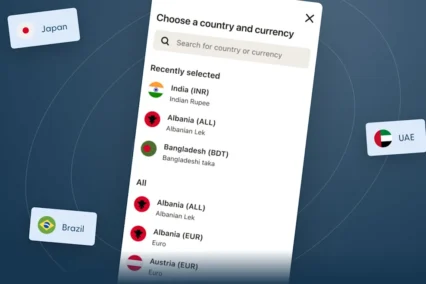
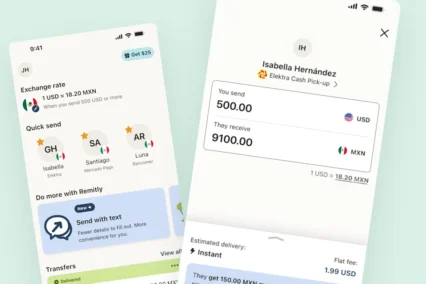
- Enter the amount you want to send. Remitly shows the exact amount of the transfer that will end up in the hands of your recipient.
- Choose which currency your recipient wishes to receive.
- Decide where your recipient will receive the transfer. They can pick up their cash or receive bank deposits at First Bank, Access Bank, Ecobank, United Bank For Africa (UBA), GT Bank, Fidelity Bank, First City Monument Bank (FCMB), Union Bank, Polaris and more.
- Enter your recipient’s details: name, city (for cash pick-up only) and bank details (for bank deposits only).
- Enter your details: address, contact information, and DOB (this step is only required for your 1st transfer).
- Enter your payment details (this step is only required for your 1st transfer)
- Review the transfer details and send.
- Track your transfer via real-time transfer updates.
We may ask for additional documentation depending on the amount sent or if we are unable to verify your identity.
Your recipient will need to present a National ID card or a similar means of government-issued picture ID card to collect the funds from the bank.
Why Should I Use Remitly to Send Money to Nigeria?
Remitly isn’t just easy to use. We also offer bank-level security and encryption, competitive exchange rates, and fast delivery.
We have a simple pricing structure. That way, you never need to worry about hidden fees or wasted funds. Also, with Remitly, you can send to the most popular banks in Nigeria:
- First Bank
- Access Bank
- Ecobank
- United Bank For Africa (UBA)
- First City Monument Bank (FCMB)
- Union Bank
- GT Bank

Changing Remittance Laws in Nigeria
Nigeria’s remittance regulations have undergone several changes over the past five years. The Central Bank of Nigeria (CBN) has worked to regulate international money transfer operators (IMTOs), for example. They now require international remittance companies to work directly with licensed financial institutions in Nigeria. As of February 2021, the CBN had approved 47 such companies to operate in Nigeria. The list includes Remitly.
As of December 4, 2020, Nigerian banks were once again permitted to use dollar payouts for diaspora transfers, but not to make deposits into local bank accounts. Beneficiaries of these transfers have the option to receive payouts in U.S. dollars, in cash, or to put the money into a foreign currency bank account.
Godwin Emefiele, the Governor of the CNB, ruled out the possibility of the new remittance law being leveraged for money laundering, as this was a major reason for the strict laws coming into effect in the first place.
According to Emefiele, if Nigeria receives just $1-$2 billion monthly through diaspora remittance, the exchange rate of dollars to naira will improve. Further, he believes this would improve the economy and allow the CBN to fund Nigerian banks in dollars, as they would prefer.
The CBN also directed Nigerian banks to close ledger accounts in naira that were opened by international transfer services. These changes are crucial to increasing transparency in diaspora remittances. Greater transparency can improve the CBN’s reputation on the foreign exchange market and strengthen the nation’s economy.
The bank’s changes come with warnings to unlicensed transfer providers and individuals using them. Transfer providers who continue to transfer funds in naira instead of USD risk losing their operational license.
To ensure compliance, foreign remittances will be managed by the Nigeria Interbank Settlement System, a central reporting portal dedicated to improving the transparency of the flow of foreign funds in Nigeria.