

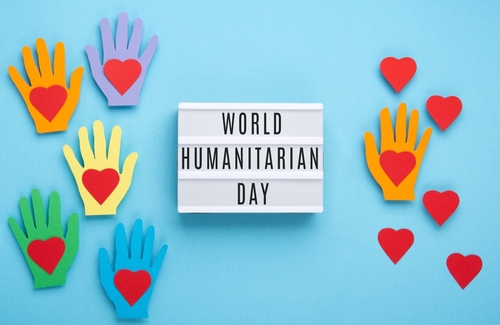
Every August 19th, the world pauses to recognize the courage and dedication of humanitarian workers who risk their lives to help others. World Humanitarian Day honors these heroes while raising awareness about humanitarian crises affecting millions of people globally.
This day serves a dual purpose: celebrating the selfless individuals who provide aid in dangerous conditions and remembering those who have lost their lives in service to others. For families with loved ones working in humanitarian fields or those seeking ways to support global causes, understanding this day’s significance can inspire meaningful action.
Whether you’re looking to support humanitarian efforts, learn about global challenges, or simply understand why this day matters, this guide will help you connect with the humanitarian spirit that drives positive change worldwide.
The Origins of World Humanitarian Day
The United Nations established World Humanitarian Day in 2008 through Resolution 63/139. The date August 19th was chosen to commemorate the 2003 bombing of the UN headquarters in Baghdad, Iraq, which killed 22 people, including UN Special Representative Sergio Vieira de Mello.
This tragic event highlighted the dangerous conditions humanitarian workers face daily. The day serves as a reminder that behind every humanitarian response are real people who choose to help others despite personal risk.
Since its inception, World Humanitarian Day has grown into a global movement. Each year brings a new theme that addresses current humanitarian challenges, from climate change impacts to protection of aid workers.
Understanding Humanitarian Work
Humanitarian work encompasses various activities aimed at saving lives, alleviating suffering, and maintaining human dignity during crises. These efforts include:
Emergency Response: Providing immediate assistance during natural disasters, conflicts, and health emergencies. Workers deliver food, water, medical care, and shelter to affected populations.
Development Aid: Supporting long-term recovery and building resilience in vulnerable communities. This includes education programs, infrastructure development, and economic empowerment initiatives.
Protection Services: Safeguarding vulnerable populations, particularly women, children, and displaced persons from violence, exploitation, and abuse.
Advocacy: Raising awareness about humanitarian issues and promoting policies that protect civilian populations during conflicts.
Current Global Humanitarian Challenges
The need for humanitarian assistance continues to grow worldwide. Several factors contribute to this increasing demand:
Climate Change: Extreme weather events displace millions annually. Droughts, floods, and storms destroy communities and create urgent needs for emergency assistance.
Armed Conflicts: Ongoing wars and regional conflicts force families to flee their homes. These situations create complex humanitarian crises requiring sustained international response.
Economic Instability: Financial crises and poverty push vulnerable populations beyond their coping capacity, requiring external support for basic needs.
Health Emergencies: Disease outbreaks and pandemics strain healthcare systems and create widespread humanitarian needs.
How Humanitarian Workers Make a Difference
Humanitarian workers operate in some of the world’s most challenging environments. Their work directly impacts millions of lives through:
Life-Saving Interventions: Medical teams treat injuries and illnesses in conflict zones. Nutrition specialists address malnutrition in food-insecure regions. Water and sanitation experts prevent disease outbreaks in refugee camps.
Community Rebuilding: Education specialists help children continue learning during displacement. Livelihoods experts help families rebuild their economic stability after crises.
Protection and Safety: Child protection officers work to prevent exploitation and abuse. Gender-based violence specialists provide support and safety for survivors.
Supporting Humanitarian Efforts
You can contribute to humanitarian causes in several meaningful ways:
Financial Contributions: Donate to reputable humanitarian organizations. These groups use funds efficiently to provide direct assistance where it’s needed most.
Skill-Based Volunteering: Many organizations need specific professional skills. Medical professionals, engineers, teachers, and communications specialists can contribute their expertise.
Advocacy and Awareness: Share information about humanitarian issues on social media. Contact elected representatives about supporting humanitarian funding and policies.
Local Community Action: Support refugee resettlement programs in your area. Volunteer with local organizations that assist displaced populations.
The Role of Money Transfers in Humanitarian Support
Family remittances play a crucial role in humanitarian assistance. When crises strike, families separated by distance often need to send emergency financial support quickly and safely.
Money transfer services enable people to support relatives affected by disasters or conflicts. These transfers provide immediate relief and help families meet urgent needs like food, shelter, and medical care.
Reliable transfer services ensure funds reach recipients promptly, even in challenging conditions. This direct family support complements formal humanitarian aid and strengthens community resilience.
Recognizing Humanitarian Heroes
World Humanitarian Day spotlights individual stories of courage and compassion. These stories remind us that humanitarian work involves real people making difficult choices to help others.
Healthcare workers treating patients during disease outbreaks demonstrate extraordinary dedication. Teachers continuing education programs in refugee camps show commitment to children’s futures. Logistics coordinators ensuring supplies reach remote areas work tirelessly behind the scenes.
Each humanitarian worker brings unique skills and perspectives to their work. Their collective efforts create hope and opportunity for millions of people facing unimaginable challenges.
Frequently Asked Questions
What is the purpose of World Humanitarian Day?
World Humanitarian Day raises awareness about humanitarian crises worldwide and honors the workers who provide aid in dangerous conditions. The day also advocates for the safety and security of humanitarian personnel and the people they serve.
How can I get involved in humanitarian work?
Start by researching reputable humanitarian organizations that align with your interests and skills. Many offer volunteer opportunities, internships, or entry-level positions. Consider developing relevant skills through education or training programs in areas like emergency response, international development, or conflict resolution.
Are donations on World Humanitarian Day more impactful?
While donations are valuable year-round, World Humanitarian Day often features matching gift campaigns and special fundraising initiatives that can multiply your impact. However, consistent monthly giving throughout the year provides organizations with reliable funding for ongoing programs.
How do I know if a humanitarian organization is legitimate?
Research organizations through charity evaluation websites like Charity Navigator or GuideStar. Look for transparency in financial reporting, clear mission statements, and evidence of programmatic impact. Established organizations typically have proper registration and accreditation with relevant authorities.
Can I volunteer internationally without professional experience?
Some organizations offer volunteer opportunities for people without professional humanitarian experience, though these may require specific training or minimum commitments. Consider starting with local volunteer work to build relevant skills and experience before pursuing international opportunities.
How Can We Support Left-Handed Individuals in Humanitarian Efforts?
Supporting left-handed individuals in humanitarian efforts can greatly enhance their participation and engagement. By promoting inclusivity and awareness, we can create tailored programs that recognize unique challenges faced by left-handers. Organizing events such as a lefthanded celebration on August 13 fosters community spirit and encourages the sharing of experiences and resources.
Taking Action Beyond World Humanitarian Day
World Humanitarian Day serves as an annual reminder, but humanitarian needs persist year-round. The day’s true value lies in inspiring ongoing commitment to supporting those who help others and addressing the root causes of humanitarian crises.
Consider how you can contribute to humanitarian efforts in ways that match your circumstances and abilities. Whether through financial support, volunteering, advocacy, or simply staying informed about global issues, every action contributes to a more compassionate world.
Remember that behind every humanitarian crisis are families hoping for safety, children dreaming of education, and communities working to rebuild. Your support helps ensure that humanitarian workers can continue their vital mission of preserving human dignity in the face of adversity.



