

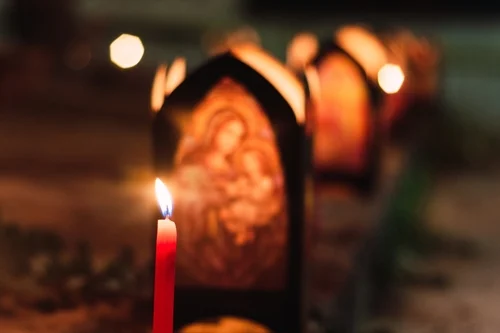
Quick answer: Christmas traditions in Central America often include Christmas Eve gatherings, festive meals, Nativity scenes, and religious celebrations. Customs differ across the region’s seven countries: Guatemala is known for posadas and elaborate Nativity displays, while Belize’s celebrations include distinctive Creole and Garifuna music and dance.
Central America’s holiday season brings together family meals on Christmas Eve, neighborhood processions, music, and recipes passed between generations. Across Belize, Guatemala, El Salvador, Honduras, Nicaragua, Costa Rica, and Panama, Christmas traditions share common threads while taking on distinct local character.
It’s worth noting upfront: traditions vary widely within countries, communities, and even individual families. What one household in Guatemala City considers essential to Christmas may look different in a rural village. This guide walks through what connects Central American Christmas celebrations and what makes each country’s traditions unique.
What Christmas traditions do Central American countries share?

Several themes recur across the region, though not every family or community observes them in the same way.
Nochebuena, or Christmas Eve, often serves as the most important occasion for family gatherings. Many households prioritize Christmas Eve dinner over Christmas Day itself.
Nacimientos or pesebres—Nativity scenes—appear in homes, churches, and public spaces throughout the region, often assembled with great care and creativity.
Religious services mark Christmas for families and communities that observe the holiday’s spiritual dimension, distinct from the broader social celebrations that surround it.
Food preparation brings generations together, with recipes passed down and adapted over time.
Music and visits extend the celebration beyond a single household, connecting neighbors and extended family.
Las Posadas refers to observances recalling Mary and Joseph’s search for lodging in Bethlehem. The format and timing of these observances vary by community (Central America Tourism Agency)—”Christmas Eve celebrations across Central America.”
Christmas traditions by country
Guatemala: What do posadas and Nativity scenes look like?
In Guatemala, neighborhood posadas involve groups visiting homes with religious imagery, songs, and prayer, reenacting the search for shelter before Christ’s birth. Nacimientos stand as an important expression of both devotion and artistic creativity, with families investing significant effort into their design each year.
Tamales serve as one example of festive food enjoyed during the season, often prepared collectively by family members. This hands-on preparation reflects how households pass Christmas traditions from one generation to the next.
The devotion to posadas and nacimientos in Guatemala traces back centuries. Historian accounts credit the Santo Hermano Pedro de Betancur, a Franciscan figure, with popularizing these customs by moving them from church settings into private homes (Agencia Guatemalteca de Noticias)—”Guatemala’s posadas and Nativity traditions.” Guatemala also observes other December events, such as the Quema del Diablo on December 7, but that occasion is a separate seasonal tradition rather than part of Christmas itself.
Belize: How are Belize’s Christmas traditions distinctive?
Belize’s Christmas season showcases the country’s cultural diversity. In Gales Point Manatee, a Creole community in the Belize District, Christmas Bram features music, dancing, and house-to-house celebration—though this tradition is specific to that community rather than practiced nationwide.
Within Garifuna communities, Jankunu and Charikanari performances bring music and dance to the season, each carrying its own history and significance. These are specific cultural expressions tied to particular communities, not customs every Belizean household practices.
Belize’s blend of traditions illustrates how Central American Christmas celebrations draw on distinct cultural heritages rather than a single uniform script (Belize Tourism Board’s Travel Belize)—”Belize’s Christmas music and dance traditions.”
El Salvador: How do Salvadoran families celebrate Christmas?
In El Salvador, Christmas Eve gatherings center on shared meals among family members. Tamales appear as one example of seasonal fare, though specific dishes and recipes vary by household.
Some communities also observe posadas in the lead-up to Christmas. Another custom some families follow involves wearing new clothes for Christmas or New Year’s, though participation in this tradition varies considerably across the country (El Diario de Hoy)—”Salvadoran Christmas traditions.”
Honduras: What role do posadas play in Honduran Christmas celebrations?
Some Catholic communities in Honduras observe posadas, with participants carrying religious figures from house to house while singing Christmas songs. These neighborhood visits bring relatives and neighbors together during the lead-up to the holiday.
Festive foods include Honduran tamales and torrejas, a sweet bread-based preparation whose recipe varies by family. Shared meals and music accompany these gatherings, reinforcing community bonds during the season (Honduras.com)—”Christmas posadas in Honduras.”
Nicaragua: How does Nicaragua celebrate Christmas at the local level?
Nicaraguan Christmas celebrations include family gatherings, religious observances, and seasonal dishes such as nacatamales and stuffed chicken. As with the rest of the region, celebrations differ from community to community rather than following a single national pattern.
In the town of Niquinohomo, for example, families observe the Nacimiento del Niño Dios with a novena and related activities from December 16 to 24, including Mass, baptisms, and communions tied to the season (Nicaragua’s Ministry of Education)—”December traditions in Niquinohomo, Nicaragua.” It’s worth distinguishing this from La Purísima and La Gritería, which honor the Virgin Mary earlier in December and are not Christmas Day celebrations themselves.
Costa Rica: What foods and traditions mark Christmas in Costa Rica?
Christmas tamales are a staple of the Costa Rican holiday table, often prepared with family involvement. Rompope, a festive drink, also appears during the season—some recipes include alcohol, so it’s worth checking before serving to all guests.
Decorated parks and public spaces across Costa Rican cities add to the festive atmosphere, with communities gathering for food, family time, and seasonal events (Costa Rica’s official tourism website)—”Costa Rica’s Christmas foods and celebrations.”
Panama: How do Panamanian families celebrate Nochebuena?
In Panama, Nochebuena brings families together for a Christmas Eve meal, often in homes or streets decorated for the occasion. Arroz con guandú—rice cooked with pigeon peas—is a dish closely associated with the holiday table.
Caroling is another part of the season, with children sometimes receiving an aguinaldo, or small seasonal gift, as they sing from house to house (Central America Tourism Agency)—”Christmas celebrations in Panama” (regional cultural feature)—”Panama’s Christmas caroling tradition.” It’s worth noting that Panama’s December 8 Mother’s Day is a separate observance from Christmas, even though both fall within the same festive month.
What do people eat at Christmas in Central America?

Food is one of the clearest threads connecting Christmas celebrations across the region, though these dishes represent examples rather than complete national menus. Even where dish names match from country to country, the preparations can differ significantly.
| Country | Examples discussed in this guide |
| Belize | Ham and fruitcake shared during some celebrations |
| Guatemala | Tamales |
| El Salvador | Tamales and family-specific festive dishes |
| Honduras | Honduran tamales and torrejas |
| Nicaragua | Nacatamales and stuffed chicken |
| Costa Rica | Christmas tamales and rompope |
| Panama | Arroz con guandú |
When is Christmas celebrated in Central America?
While the core Christmas dates stay consistent, the broader season and how families observe it can look different from one household to the next.
| Date or period | What readers should know |
| Throughout December | Preparations and community observances vary locally |
| December 24, 2026 | Nochebuena, or Christmas Eve |
| December 25, 2026 | Christmas Day |
| December 31, 2026 | New Year’s Eve, a separate celebration |
| January 1, 2027 | New Year’s Day |
How to keep Central American Christmas traditions alive in the US
Distance doesn’t have to mean losing touch with the customs that matter to your family. Here are a few practical ways to carry these traditions forward:
- Cook a family recipe, and record relatives’ variations for future generations.
- Ask older family members about the traditions they remember from childhood.
- Arrange a video call during a holiday gathering back home.
- Join a local cultural or faith community’s event, if that resonates with you.
- Share songs, photographs, and stories with younger relatives.
- Adapt celebrations to fit your work schedule, budget, and any mixed-cultural household dynamics.
Traditions can evolve when families move, and they remain just as meaningful along the way.
Sending a Christmas gift to family with Remitly
Staying connected to family during the holidays sometimes means contributing to a celebration from afar. Sending money is one optional way to support your family’s Christmas, whether that’s covering part of a meal or adding to a gift.
Here’s how it works with Remitly:
- Select your recipient’s country and enter the amount you want to send.
- Review the payment and delivery methods available for that destination.
- Check the fees, exchange rate where applicable, the amount your recipient will get, and the estimated delivery time.
- Confirm the details, and track your transfer from start to finish.
Delivery methods and timing vary by destination, so it’s worth reviewing the details for your recipient’s country before sending. Want to contribute to your family’s celebration? Explore money transfer options with Remitly.
Frequently asked questions
How is Christmas celebrated in Central America?
Christmas celebrations across Central America typically include Christmas Eve gatherings, festive meals, Nativity scenes, and religious observances. Specific customs vary by country, community, and family, so no single description applies to the entire region.
Which countries are part of Central America?
The seven countries of Central America are Belize, Guatemala, El Salvador, Honduras, Nicaragua, Costa Rica, and Panama. Mexico and the Dominican Republic are not part of Central America, though they’re sometimes grouped with the region in broader travel or cultural contexts.
What is Nochebuena?
Nochebuena is the Spanish term for Christmas Eve, December 24. In many Central American households, it’s the primary occasion for family gatherings and festive meals, sometimes taking precedence over Christmas Day itself.
Are Las Posadas celebrated throughout Central America?
Las Posadas are observed in parts of several Central American countries, including Guatemala, Belize, El Salvador, and Honduras, but they are not a universal practice across the entire region. The specific format and timing of these observances also vary by community.
What foods are associated with Christmas in Central America?
Common Christmas foods include tamales in Guatemala, El Salvador, and Honduras; nacatamales and stuffed chicken in Nicaragua; rompope and Christmas tamales in Costa Rica; arroz con guandú in Panama; and ham and fruitcake in parts of Belize. These are examples rather than complete national menus, and similar dish names can refer to different preparations from one place to another.
How are Christmas traditions in Belize distinctive?
Belize’s Christmas season features cultural expressions tied to specific communities, such as Christmas Bram in Gales Point Manatee and Jankunu and Charikanari performances within Garifuna communities. These traditions reflect the cultural diversity of Belize rather than a single nationwide celebration.
Do families exchange gifts on Christmas Eve or Christmas Day?
Gift-giving timing varies by country, community, and household across Central America. Some families open gifts on Christmas Eve, while others wait until Christmas morning, and there’s no single regional standard for when this happens.


