

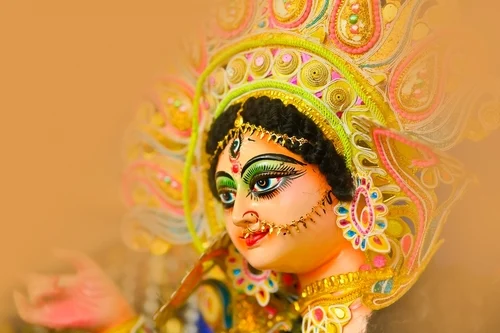
Quick answer: Navratri 2026 is expected to run from September 11 to September 19, with Dussehra (Vijayadashami) falling on September 20. The festival honors the goddess Durga across nine nights and closes with the triumph of good over evil. In the US, communities celebrate with garba and dandiya nights, temple pujas, and Durga Puja pandals, while many families also send money home to India and Nepal to cover holiday costs.
Navratri and Dussehra rank among the most anticipated festivals in the Hindu calendar, and for good reason. The nine nights of Navratri build anticipation through music, dance, and devotion, while Dussehra delivers the payoff: a celebration of good triumphing over evil. For Indian and Nepali communities living in the United States, these festivals carry extra meaning. They’re a chance to recreate the sights, sounds, and traditions of home, often thousands of miles away from where these customs first took root.
This guide covers the 2026 dates for Navratri and Dussehra, explains what the festival actually commemorates, and looks at how it’s celebrated across the US. It also addresses a practical question many families ask each year: how does the festive season affect banking and money transfers to India and Nepal?

When is Navratri and Dussehra in 2026?
Navratri 2026 is expected to begin on September 11 and conclude on September 19, with Dussehra (also known as Vijayadashami) celebrated on September 20. These dates follow the Hindu lunisolar calendar, so they shift slightly each year and can vary by a day depending on regional calculations and local observances. Always confirm exact dates with your local temple or community organization closer to the festival.
Navratri, meaning “nine nights,” is observed multiple times throughout the year, but Sharad Navratri—the autumn observance—is by far the most widely celebrated, both in India and across the Indian diaspora in the US.
What do Navratri and Dussehra actually celebrate?
Navratri honors the goddess Durga across her nine forms, with each night dedicated to a different aspect of her power and grace. The festival builds toward Dussehra, the tenth day, which marks two significant victories: Lord Rama’s defeat of the demon king Ravana, and Durga’s triumph over the buffalo demon Mahishasura.
Both stories share a common thread. Good defeats evil, and light overcomes darkness. That theme resonates deeply with families celebrating the holiday, and it shapes many of the traditions observed during the nine nights and on Dussehra itself.

How is Navratri and Dussehra celebrated in the US?
Indian and Nepali communities across the United States have built vibrant, large-scale celebrations that mirror traditions back home while adapting to American life.
- Garba and dandiya nights bring communities together for energetic circular dances, often performed with decorated sticks (dandiya) to live or recorded folk music. Major cities including Atlanta, Chicago, Houston, and the Bay Area host large public garba events that draw thousands of attendees.
- Temple pujas take place throughout the nine nights, with devotees visiting temples to offer prayers, participate in rituals, and mark each day dedicated to a different form of Durga.
- Durga Puja pandals, elaborate temporary structures housing idols of the goddess, are a hallmark of Bengali community celebrations. Cities with significant Bengali populations, such as New York and New Jersey, host pandals that serve as cultural and social hubs during the festival.
These celebrations don’t just preserve tradition. They create space for younger generations growing up in the US to connect with their heritage in a tangible, communal way.
How does Navratri and Dussehra affect money transfers to India and Nepal?
For many families in the US, Navratri and Dussehra come with a financial dimension. Sending money home to relatives in India and Nepal during this period is common, and it typically covers a few specific purposes: puja costs, new clothes for the celebrations, gifts for family members, and travel expenses for those returning home or visiting relatives during the festive season.
This period also marks the start of a broader remittance window. Sending activity tends to build through Navratri and Dussehra and continues climbing toward Diwali, the festival of lights, which falls roughly three weeks after Dussehra. Families who plan ahead for this stretch of the calendar often find it easier to manage multiple transfers without last-minute stress.

Are banks open during Navratri and Dussehra?
Bank operating hours during Navratri and Dussehra depend on where the recipient bank is located. In India, Dussehra is a public holiday in many states, and banks typically close for the day, though hours can vary by state and individual bank. Nepal similarly observes Dussehra (known there as Dashain) as one of its most significant holidays, with an extended period of bank closures and reduced business activity that can last several days.
If you’re sending money to family in India or Nepal around this time, it’s worth checking with your recipient’s bank or your transfer provider ahead of time. Processing times can be affected by local holiday closures, even if the sending side of the transaction is unaffected. Planning transfers a few days before the peak of the festival can help ensure funds arrive when they’re needed most, whether that’s for new clothes, puja offerings, or travel costs.
Celebrate the season with confidence
Navratri and Dussehra offer a meaningful way to mark the victory of good over evil, whether through nine nights of garba, a visit to a Durga Puja pandal, or a quiet evening of prayer at home. For many families in the US, the celebration extends beyond dance floors and temples to include supporting loved ones back in India and Nepal during one of the year’s most important festive stretches.
Understanding the dates, the traditions, and the practical details, like bank holiday schedules, can help you celebrate the season fully while keeping any financial plans on track.

Frequently Asked Questions (FAQs)
When does Navratri 2026 start and end?
Navratri 2026 is expected to run from September 11 to September 19, with Dussehra (Vijayadashami) observed on September 20. Exact dates can shift slightly based on regional lunar calendar calculations.
What is the difference between Navratri and Dussehra?
Navratri refers to the nine nights of worship dedicated to the goddess Durga in her various forms. Dussehra, also called Vijayadashami, is the tenth day that follows, commemorating Lord Rama’s victory over Ravana and Durga’s victory over the demon Mahishasura.
How do Indian and Nepali communities celebrate Navratri and Dussehra in the US?
Common celebrations include garba and dandiya dance nights, temple pujas held throughout the nine nights, and Durga Puja pandals set up by Bengali communities in cities with significant South Asian populations.
Are banks closed for Dussehra in India and Nepal?
Many banks in India close for Dussehra as it’s a recognized public holiday in numerous states, though this can vary by location. In Nepal, Dashain (the local name for the festival) often brings extended bank closures lasting several days, given its status as one of the country’s most significant holidays.
Why do more people send money home during Navratri and Dussehra?
Families often send money to cover puja-related costs, new clothes, gifts, and travel expenses tied to the festival. This period also marks the beginning of a broader festive-season sending window that continues to build toward Diwali.
Send your family a gift this Dussehra
Finding the right gift from abroad can be difficult, and shipping can be a pain, too. But you can always send money back to your friends and family so they can celebrate Dussehra with style.
At Remitly, we provide a fast and secure way to send money to India and Nepal any time of year. As of this writing, you can deposit your funds to India right into a bank account, UPI, or via cash pick-up. And you can track your money at every step in the process. Visit the website or download the app, and we’ll show you how to get started.



