September is one of the most culturally rich months of the year. For Filipino families, the first day of the month signals the beginning of a Christmas season that lasts four months. Ethiopian communities welcome a new year. Jewish communities observe the High Holy Days. Hindu families celebrate Ganesh Chaturthi, while Chinese, Vietnamese and other East and Southeast Asian communities gather for the Mid-Autumn Festival later in the month. Add to this several important independence and national days, and September becomes a month of extraordinary cultural significance across the UK.
This guide brings together some of the most significant cultural, religious and national occasions in September 2026 — particularly those relevant to diaspora communities living in Britain. It is a curated starting point, not an exhaustive list of every religious feast day or national holiday worldwide. For several of the celebrations below, Remitly has published dedicated guides with fuller detail; links are included throughout.
September 2026 cultural celebrations at a glance
| Date | Celebration | Communities/countries associated |
| 1 September | Start of the Filipino Ber months | Philippines / Filipino diaspora |
| 2 September | Vietnam National Day | Vietnam / Vietnamese diaspora |
| 7 September | Brazilian Independence Day | Brazil / Brazilian diaspora |
| 11 September | Enkutatash – Ethiopian New Year | Ethiopia / Ethiopian diaspora |
| Sunset 11 – nightfall 13 September | Rosh Hashanah | Jewish communities |
| 14 September | Ganesh Chaturthi begins | Hindu communities, particularly Indian diaspora |
| 16 September | Mexican Independence Day | Mexico / Mexican diaspora |
| 16 September | Malaysia Day | Malaysia / Malaysian diaspora |
| 18 September | Chilean Independence Day | Chile / Chilean diaspora |
| Sunset 20 – nightfall 21 September | Yom Kippur | Jewish communities |
| 25 September | Mid-Autumn Festival | Chinese, Vietnamese and other East/Southeast Asian communities |
| Sunset 25 September – 2 October | Sukkot | Jewish communities |
Please note: Several religious observances begin at sunset on the preceding Gregorian date. Dates based on lunar or religious calendars should be confirmed with the relevant community or religious authority, as they may vary slightly.
The Filipino Ber months begin – 1 September
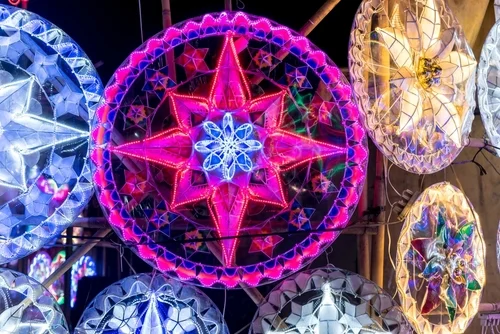
In the Philippines, September marks the start of something special. The “Ber months” — September, October, November and December — are considered the Christmas season, and 1 September is the widely recognised, if unofficial, starting gun.
This early start is deeply rooted in Filipino culture. Christmas is the longest and most celebrated season in the Philippines, shaped by centuries of Catholic tradition and strong family values. From 1 September, you might hear Christmas songs on the radio, spot parol lanterns — the star-shaped symbols of the season — beginning to appear in shop windows and homes, and notice families starting to plan gatherings months in advance.
For Filipinos living in Britain, the Ber months carry particular meaning. When family members remain in the Philippines, the season can involve making arrangements for gifts, financial support and, where possible, visits home. The distance makes the emotional weight of the season no lighter — if anything, it adds a sense of intention to how people mark it.
Vietnam National Day – 2 September
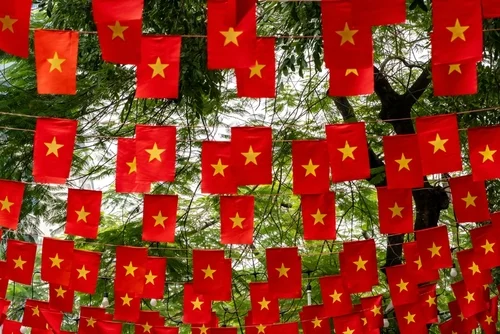
On 2 September 1945, Hồ Chí Minh declared Vietnam’s independence, and the date has been observed as Vietnam National Day ever since. It is a significant occasion in Vietnam, marked with flags, cultural programmes, music and public gatherings.
For Vietnamese communities in Britain, the day offers an opportunity to connect with national heritage and to pass that sense of identity on to younger generations. Community associations and cultural groups may hold events, and families often gather to share food and mark the occasion together. Traditions and how people observe the day vary widely between families and generations.
Brazilian Independence Day – 7 September
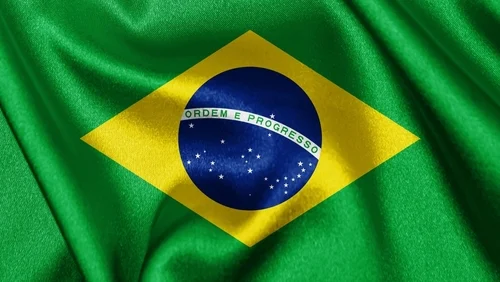
Brazil declared independence from Portugal on 7 September 1822, and the date remains one of the most important national occasions in the Brazilian calendar. In Brazil, the day is associated with military parades, public celebrations and expressions of national pride.
For Brazilians abroad — including the significant Brazilian communities in UK cities such as London — 7 September can be an occasion to celebrate cultural identity through food, music and time spent with other Brazilians. Brazilian cuisine, particularly dishes like feijoada, and the sounds of forró and samba, often feature in community gatherings.
If you are planning a community event for 7 September 2026, check with local Brazilian associations for verified programmes closer to the date.
Ethiopian New Year (Enkutatash) – 11 September
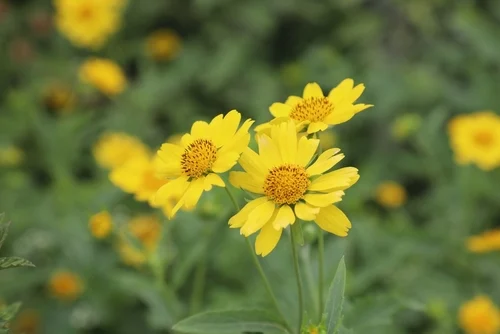
Enkutatash falls on Friday, 11 September 2026 and marks the beginning of Ethiopian year 2019 in the Ethiopian (Ge’ez) calendar.
The Ethiopian calendar has 13 months — 12 of 30 days and one shorter month of five or six days — and runs approximately seven to eight years behind the Gregorian calendar. The new year falls at the end of the rainy season, when the landscape transforms and yellow adey ababa flowers bloom across the country. This connection to seasonal renewal shapes much of the occasion’s symbolism.
Celebrations typically include church services for those of Ethiopian Orthodox Christian faith, family meals, coffee ceremonies, the exchange of flowers and small gifts, and traditional foods. Children may sing songs and visit neighbours. In Britain, Ethiopian and Eritrean communities gather to mark the occasion, maintaining traditions that travel well across borders.
Rosh Hashanah – 11 to 13 September
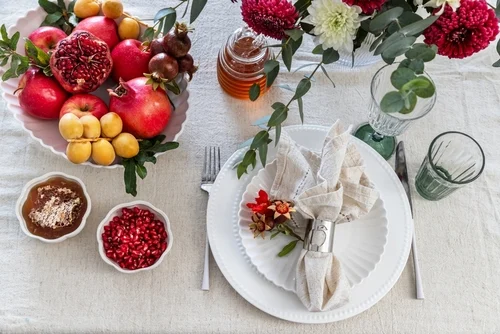
Rosh Hashanah, the Jewish New Year, begins at sunset on Friday, 11 September 2026 and ends at nightfall on Sunday, 13 September.
The timing matters. Jewish holidays follow a lunar-solar calendar and begin at sundown — so Rosh Hashanah does not simply fall on 12 September; it is already under way by Friday evening. Planning social commitments with Jewish friends or colleagues without accounting for this can mean inadvertently clashing with the most significant period of their religious year.
Rosh Hashanah opens the Ten Days of Repentance and marks the beginning of the Jewish High Holy Days. It is a time of reflection, prayer and looking ahead to the new year. Traditions include hearing the shofar (a ram’s horn) sounded in synagogue, eating apples dipped in honey as a symbol of hope for a sweet year, and sharing festive meals with family. Challah bread is often baked in a round shape to represent the cycle of the year.
Observance varies considerably between Jewish families, communities and traditions — Orthodox, Conservative, Reform and Liberal communities may mark the occasion in different ways. Some families place great emphasis on synagogue attendance; others focus on gathering at home.
Ganesh Chaturthi – from 14 September
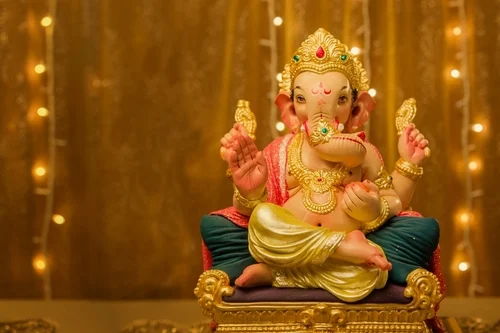
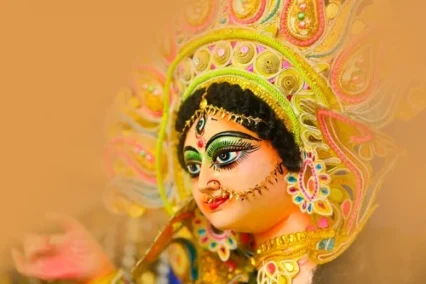
Ganesh Chaturthi begins on Monday, 14 September 2026. The Hindu festival honours Lord Ganesha — the elephant-headed deity associated with wisdom, prosperity, new beginnings and the removal of obstacles. It is one of the most widely celebrated festivals in India, with particularly large-scale celebrations in Maharashtra.
At its heart, the festival involves the installation of clay murtis (statues) of Lord Ganesha in homes and public spaces, followed by prayers, offerings and devotional singing. Modak, a sweet dumpling said to be Lord Ganesha’s favourite, is traditionally prepared and shared. Celebrations can continue for several days, culminating in Ganesh Visarjan — the immersion of the murti in a body of water, symbolising Lord Ganesha’s return to his heavenly abode.
Hindu communities across Britain mark Ganesh Chaturthi with temple events, community gatherings and home celebrations.
16 September: two national celebrations
Mexican Independence Day
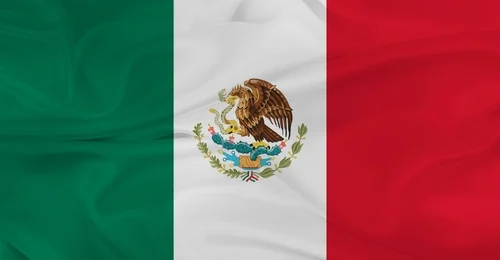
Wednesday, 16 September is Mexican Independence Day — and it is worth addressing a common mix-up here. Mexican Independence Day is not Cinco de Mayo. Cinco de Mayo (5 May) commemorates a specific battle in 1862 and is observed mainly in certain parts of Mexico and among Mexican-American communities in the United States. Independence Day on 16 September marks the beginning of Mexico’s War of Independence in 1810.
The celebrations in Mexico actually begin the evening before, on 15 September, with El Grito de Independencia — the “Cry of Independence” — when Mexico’s president re-enacts the call to arms from the balcony of the National Palace in Mexico City. Crowds gather to join in across the country.
On 16 September itself, parades, music, traditional food and flags mark the occasion. Mexican communities in Britain use the day to celebrate cultural identity, typically gathering over food and music. Dishes like pozole, chiles en nogada and tamales are commonly associated with the season.
Malaysia Day
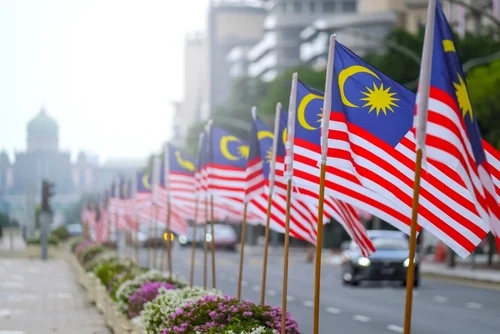
Also on 16 September is Malaysia Day, which commemorates the formation of Malaysia in 1963, when the Federation of Malaya, Singapore, North Borneo and Sarawak came together. It is a distinct occasion from Merdeka, Malaysia’s National Day on 31 August, which marks independence from British rule in 1957.
Malaysia Day has particular significance for Sabahans and Sarawakians, for whom the formation of Malaysia in 1963 — rather than independence in 1957 — is the defining date. For Malaysian communities in Britain, the day offers a moment to reflect on Malaysian identity in all its diversity, and to connect with community and culture far from home.
Chilean Independence celebrations – 18 September
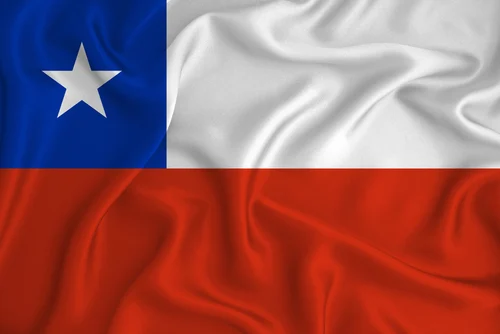
Chile’s Fiestas Patrias begin on 18 September 2026, marking the country’s national celebrations. The date commemorates the establishment of the first national government in 1810, but the occasion extends well beyond a single day. In Chile, this period is one of the most festive of the year.
Cueca, Chile’s national dance, is central to the celebrations, alongside traditional foods such as empanadas, asado and chicha. Flags appear everywhere, and Chileans gather with family and friends for long, celebratory meals and outdoor events.
For Chileans living in Britain, Fiestas Patrias provides a powerful connection to home. Community groups and cultural associations often organise events, and the occasion is an opportunity to share Chilean traditions with family members born in the UK.
Yom Kippur – 20 to 21 September

Yom Kippur, the Day of Atonement, begins at sunset on Sunday, 20 September 2026 and ends at nightfall on Monday, 21 September. It is the holiest day in the Jewish year.
Where Rosh Hashanah carries hope and anticipation, Yom Kippur is solemn and introspective. It concludes the Ten Days of Repentance that begin with Rosh Hashanah, and it is devoted to prayer, reflection and seeking forgiveness — from God and from others. Many observant Jewish adults fast for approximately 25 hours, from before sunset until after nightfall. Exemptions exist and individual practices vary.
This section of the guide is intentionally different in tone from the more celebratory entries. Yom Kippur is not a cultural festival or a time for parties. If you have Jewish friends, family members or colleagues who observe it, being thoughtful about what you schedule on that day — meetings, social events, meals — is a small but meaningful gesture.
Mid-Autumn Festival – 25 September

The Mid-Autumn Festival falls on Friday, 25 September 2026. Its date shifts each year because it follows the lunar calendar, falling on the 15th day of the eighth lunar month — the night of the year’s fullest harvest moon.
The festival is observed across several cultures: in China as Zhōngqiū Jié, in Vietnam as Tết Trung Thu, and in various forms across other East and Southeast Asian communities. It should not be presented as an exclusively Chinese occasion. Themes of harvest, family reunion and the moon are central, though the specific traditions and their meanings differ.
Mooncakes — dense, round pastries filled with lotus paste, red bean or other ingredients — are shared between family and friends. Lanterns are lit, particularly for children. In Vietnam, Tết Trung Thu has a particular emphasis on children, with lantern processions, lion dances and the sharing of traditional sweets.
For British Chinese, Vietnamese and other East and Southeast Asian communities, the Mid-Autumn Festival is often marked with family gatherings, mooncakes shared with friends and neighbours, and cultural events organised by community groups.
Sukkot begins – 25 September

Sukkot, the Jewish Feast of Tabernacles (or Booths), begins at sunset on Friday, 25 September 2026 — less than five days after Yom Kippur concludes — and continues into October.
The defining tradition of Sukkot is the construction of a sukkah: a temporary, open-roofed structure decorated with hanging fruits, vegetables and paper chains, in which families eat, and sometimes sleep, during the festival’s seven days. The sukkah recalls the temporary shelters used by the Israelites during 40 years of wandering in the desert. It is also associated with themes of harvest, gratitude and community.
Sukkot is generally a joyful occasion, distinct in tone from the solemnity of Yom Kippur. In practice, how and how much individuals observe it varies considerably between communities and families.
What September celebrations share — and where they differ
September’s calendar is not a single story. It brings together different types of occasions: solemn religious observances, joyful cultural festivals, national commemorations and seasonal traditions. Flattening them into one category does a disservice to each. But there are genuine threads worth exploring.
New beginnings
Several of September’s occasions are explicitly about starting afresh. Enkutatash marks a literal new year. Rosh Hashanah opens a period of reflection and renewal. Ganesh Chaturthi calls on Lord Ganesha — the remover of obstacles — to bless new endeavours. And for Filipino communities, the Ber months signal the beginning of the most anticipated season of the year. The coincidence of so many “new beginning” traditions in the same month is striking.
Family across borders
When relatives live in different countries, celebrations take on a particular weight. A family meal in Addis Ababa, a church service in Lagos, a gathering in Manila — all of these might be joined, imperfectly but meaningfully, by a video call from a flat in Birmingham or Glasgow. Family participation across borders can involve gifts, shared recipes attempted in new kitchens, travelling home when possible, and supporting celebrations financially. None of these is more or less meaningful than the others.
Food as cultural memory
Food carries traditions across generations and thousands of miles. Mooncakes shared with neighbours in Manchester. Modak prepared in a family kitchen in Leicester. Apples and honey on a table in north London. These are not merely symbolic gestures — they are one of the most reliable ways that culture travels and persists. The recipes may adapt. The act of making and sharing them remains.
Faith, heritage and national identity
September’s calendar contains genuinely different types of occasions. Rosh Hashanah, Yom Kippur, Sukkot and Ganesh Chaturthi are religious observances. Ethiopian New Year, while shaped by the Ethiopian Orthodox calendar for many families, is also a cultural and seasonal event. Vietnam National Day, Brazilian Independence Day, Mexican Independence Day, Malaysia Day and Chile’s Fiestas Patrias are national commemorations — significant to cultural identity but not religious in nature. Recognising the difference matters.

Celebrating September’s cultural calendar respectfully in the UK
If a friend, colleague or neighbour invites you to share in a celebration outside your own traditions, these suggestions are worth keeping in mind:
- Ask rather than assume. How someone observes a festival varies between families, denominations, regions and generations. A question is better than a guess.
- Learn the right greeting, then relax. Knowing Shanah Tovah for Rosh Hashanah or Chúc mừng Trung Thu for the Mid-Autumn Festival shows care. Not knowing every ritual is fine.
- Be aware that religious dates may begin at sunset. A celebration described as being “on” a particular date may already be under way the evening before.
- Check dietary customs before arranging food. Fasting, dietary laws and religious restrictions are worth understanding before you suggest a restaurant or prepare a dish.
- Follow your host’s lead. In a place of worship or a private home, guidance on clothing, photography and participation is best taken from the people who invited you.
- Support community-run events. Many of September’s celebrations are organised by diaspora communities and cultural associations. Attending, sharing and contributing where welcome is a meaningful way to engage.
Planning around September holidays when sending money abroad
Public holidays in a destination country can affect bank opening hours, cash collection services and transfer processing times. If a family member is expecting funds for a celebration, it is worth sending early rather than waiting until the day itself.
Families often transfer money ahead of major occasions — for food, gifts, travel or gathering costs. Exchange rates and transfer fees can fluctuate, so checking the rate before confirming a transfer makes practical sense. It is also worth confirming local bank holiday arrangements in the destination country, since these vary by region and year.
If you are sending money to the Philippines ahead of the Christmas season, to Ethiopia for Enkutatash, to India before Ganesh Chaturthi or to any of the countries featured in this guide, Remitly offers fast, low-fee transfers to 170+ countries. You can check live rates and fees before you send, with no hidden charges.

Frequently asked questions
What cultural holidays take place in September 2026?
September 2026 includes a wide range of significant occasions: the start of the Filipino Ber months (1 September), Vietnam National Day (2 September), Brazilian Independence Day (7 September), Enkutatash – Ethiopian New Year (11 September), Rosh Hashanah (sunset 11 – nightfall 13 September), Ganesh Chaturthi (from 14 September), Mexican Independence Day and Malaysia Day (both 16 September), Chilean Fiestas Patrias (from 18 September), Yom Kippur (sunset 20 – nightfall 21 September), and the Mid-Autumn Festival and Sukkot (both from 25 September).
When is Rosh Hashanah in 2026?
Rosh Hashanah 2026 begins at sunset on Friday, 11 September and ends at nightfall on Sunday, 13 September.
When is Yom Kippur in 2026?
Yom Kippur 2026 begins at sunset on Sunday, 20 September and ends at nightfall on Monday, 21 September.
When is the Mid-Autumn Festival in 2026?
The Mid-Autumn Festival falls on Friday, 25 September 2026.
When does Ganesh Chaturthi begin in 2026?
Ganesh Chaturthi begins on Monday, 14 September 2026.
When is Ethiopian New Year in 2026?
Enkutatash, the Ethiopian New Year, falls on Friday, 11 September 2026, marking the beginning of Ethiopian year 2019.
Why does the Filipino Christmas season begin in September?
September is the first of the “Ber months” — September, October, November and December — which Filipinos widely recognise as the Christmas season. The tradition reflects the deep cultural and religious significance of Christmas in the Philippines, where celebrations begin earlier than almost anywhere else in the world. For a fuller explanation, visit our guide: Ber Months 2026: When the Filipino Christmas Season Starts in the UK.
Which countries celebrate independence or national days in September?
Many countries observe national or independence days in September. This guide focuses on those with particular relevance to diaspora communities in the UK: Vietnam (2 September), Brazil (7 September), Mexico (16 September), Malaysia (16 September) and Chile (18 September). This is not an exhaustive list.
A month of connections across cultures
September 2026 brings together celebrations of faith, new beginnings, harvest, national identity and family — some ancient, some relatively modern, all meaningful to those who observe them.
For diaspora communities in Britain, these dates carry an added dimension. They are opportunities to maintain connections with people and places far away, to keep traditions alive in new settings and to share something of home with people who have never been there.
Use this calendar as a starting point — for learning more about the traditions of your own family, asking a question of a colleague, or simply knowing that the person sitting across from you might be marking something significant this month.