Yom Kippur 2026 starts at sundown on 18 September. Learn about the fast, key traditions, what to expect in Israel, and how to plan ahead for the holiday.
Yom Kippur 2026 starts at sundown on 18 September. Learn about the fast, key traditions, what to expect in Israel, and how to plan ahead for the holiday.
Quick answer: Yom Kippur 2026 begins at sundown on Friday, 18 September and ends at nightfall on Saturday, 19 September. Known as the Jewish Day of Atonement, it is the holiest day in the Jewish calendar — marked by fasting, prayer, and reflection. Most businesses and services in Israel close entirely during this period.
Every year, one day stands apart on the Jewish calendar. No food. No water. No work. Just 25 hours of focused prayer, introspection, and a sincere desire to make things right. That day is Yom Kippur — and in 2026, it arrives on the evening of Friday, 18 September.
For Jewish communities around the world, Yom Kippur is a deeply personal occasion. For those with family in Israel, or those sending money home ahead of the holiday, it also has practical implications. Synagogues fill up. Shops close. The streets go quiet. Life, briefly, comes to a standstill.
This guide explains when Yom Kippur falls in 2026, what the day involves, and what to keep in mind if you are planning around it — whether you are observing the holiday yourself or supporting loved ones who are.
When does Yom Kippur 2026 start and end?
Yom Kippur 2026 begins at sundown on Friday, 18 September and concludes at nightfall on Saturday, 19 September. Like all Jewish holidays, it follows the Hebrew calendar, which marks the start of each new day at sunset rather than midnight.
The fast itself lasts approximately 25 hours — beginning before sundown on the 18th and ending once three stars are visible in the sky on the evening of the 19th.
In Hebrew, the holiday falls on the 10th of Tishrei — ten days after Rosh Hashanah, the Jewish New Year. These ten days in between are known as the Aseret Yemei Teshuva, or the Ten Days of Repentance, and they build toward Yom Kippur as the culminating moment of reflection and renewal.
What is Yom Kippur and why does it matter?
Yom Kippur translates directly as “Day of Atonement.” It is considered the holiest and most solemn day in Judaism — a time to seek forgiveness for wrongdoings, repair broken relationships, and reconnect with one’s values and community.
According to Jewish tradition, God seals the Book of Life on Yom Kippur, determining each person’s fate for the year ahead. The days leading up to the holiday are therefore a time for sincere self-examination and making amends.
For many Jewish people — even those who do not observe other holidays throughout the year — Yom Kippur holds a unique significance. Synagogue attendance tends to be highest on this day above all others.
What are the main traditions and practices of Yom Kippur?
Fasting
The most well-known aspect of Yom Kippur is the fast. Observant Jews abstain from all food and drink — including water — for the full 25-hour period. Children under 13 and those with certain medical conditions are generally exempt.
The fast is not seen as a punishment. Rather, it is a way of turning one’s focus away from physical needs and directing attention toward prayer, repentance, and spiritual renewal.
Prayer services
Yom Kippur includes five distinct prayer services — more than any other day in the Jewish year. The most iconic is Kol Nidre, which takes place on the eve of Yom Kippur just before sundown. The haunting melody of Kol Nidre is one of the most recognised sounds in Jewish religious life.
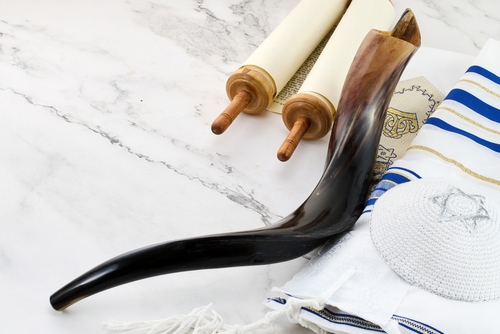
The holiday concludes with the Ne’ilah service, a final, intense period of prayer as the gates of repentance are said to close. It ends with a single, long blast of the shofar (ram’s horn), signalling the close of the holy day.
Wearing white
Many observant Jews wear white on Yom Kippur as a symbol of purity and humility. Some communities also wear a kittel, a simple white robe.
Avoiding certain activities
Beyond fasting, Yom Kippur observance typically involves refraining from:
Working or conducting business
Bathing or applying cosmetics
Wearing leather shoes (seen as a sign of comfort and status)
Marital relations
Together, these restrictions encourage a full withdrawal from ordinary life — creating the space needed for genuine reflection.
What happens in Israel during Yom Kippur 2026?
Yom Kippur has a unique character in Israel that goes beyond individual observance. The country effectively shuts down entirely.
All television and radio broadcasting stops
Airports close (Ben Gurion International Airport suspends operations)
Roads become almost entirely empty — making it a tradition for children to cycle freely on major highways
Shops, restaurants, and most businesses close from before sundown on the 18th until after nightfall on the 19th
The silence that falls over Israel on Yom Kippur is striking. Even for those who are not religious, the collective pause is widely respected.
If you have family in Israel, it is worth planning any transfers or communications ahead of time. Reaching people on Yom Kippur itself may be difficult, as many will be offline, in synagogue, or observing the holiday with their families.
How to plan around Yom Kippur 2026
When should I send money before Yom Kippur?
If you are planning to send money to loved ones in Israel or to Jewish communities elsewhere ahead of Yom Kippur, aim to transfer funds at least two to three days before the holiday begins — by Tuesday, 15 September at the latest. This accounts for any processing times and ensures funds arrive before businesses close.
Are banks open around Yom Kippur in Israel?
Israeli banks close on Yom Kippur itself and may have reduced hours on the day before. It is advisable to complete any financial transactions well in advance.
What greetings are appropriate for Yom Kippur?
The traditional Yom Kippur greeting is “G’mar Chatima Tova” (גמר חתימה טובה), meaning “May you be sealed for a good year.” A simpler and widely used phrase is “Tzom Kal” — “Have an easy fast.” Both are warm, respectful ways to acknowledge the holiday with someone who is observing it.
Key dates around Yom Kippur 2026
For context, here is how Yom Kippur fits into the broader High Holy Day season in 2026:
Rosh Hashanah 2026: Begins at sundown on Wednesday, 9 September, ends Friday, 11 September
Kol Nidre (Yom Kippur eve): Friday, 18 September at sundown
Yom Kippur 2026: Saturday, 19 September, ending at nightfall
Sukkot begins: Wednesday, 23 September at sundown
What comes after Yom Kippur?
Once Yom Kippur ends, the mood shifts considerably. Families gather to break the fast together, often with a light meal — a moment of warmth and relief after a day of solemnity. In Israel, it is common to hear the honking of car horns in the moments after nightfall, as life returns to the roads.
Shortly after, preparations begin for Sukkot, the Feast of Tabernacles — a joyful seven-day holiday that begins just four days later.
The transition from the quiet gravity of Yom Kippur to the festive spirit of Sukkot is one of the most distinctive rhythms of the Jewish autumn.
Frequently asked questions about Yom Kippur 2026
What date is Yom Kippur in 2026? Yom Kippur 2026 falls on Saturday, 19 September. It begins at sundown on Friday, 18 September and ends at nightfall on Saturday, 19 September.
How long is the Yom Kippur fast in 2026? The fast lasts approximately 25 hours, starting before sundown on Friday, 18 September and ending when three stars appear in the sky on Saturday, 19 September.
Do all Jewish people observe Yom Kippur? Observance varies. Many Jewish people fast and attend synagogue services, while others mark the day in less traditional ways. Even among non-practising Jews, Yom Kippur often carries cultural and emotional significance.
Is Yom Kippur a public holiday in Israel? Yes. Yom Kippur is an official public holiday in Israel. All businesses, transport, airports, and broadcasting services close for the duration of the holiday.
What is the difference between Rosh Hashanah and Yom Kippur? Rosh Hashanah is the Jewish New Year — a celebration of new beginnings. Yom Kippur, ten days later, is the Day of Atonement — a solemn day of fasting and reflection. Together, they form the High Holy Days, the most significant period in the Jewish religious year.
Can I contact family in Israel on Yom Kippur? Many families in Israel will be observing the holiday and offline for the full 25 hours. It is best to reach out before sundown on Friday, 18 September or after nightfall on Saturday, 19 September.
Plan ahead and mark the date
Yom Kippur 2026 falls on Saturday, 19 September — beginning at sundown the evening before. Whether you are observing the holiday yourself, supporting family abroad, or simply planning around it, knowing the dates and customs in advance makes a real difference.
If you need to send money to loved ones before the holiday, do so early. Transfer funds by mid-September to ensure everything arrives in time. A little planning means one less thing to think about — leaving you free to focus on what the day is truly for.
Post Author
Cassidy Rush
Cassidy Rush is a writer with a background in careers, business, and education. She covers local and international finance news for Remitly UK.
Find out when Navratri, Durga Puja and Dussehra fall in 2026, how they're celebrated across the UK, and what to know about money transfers this festival season.
Sukkot 2026 begins 27 September. Learn the key dates, how to build a sukkah, what the Four Species are, and how to celebrate this joyful Jewish harvest festival in the...
Chilean Independence Day 2026 falls on 18 September. Discover key dates, Fiestas Patrias traditions, and how Chileans at home and abroad celebrate this national holiday.
Remitly is on a mission to make international money transfers faster, easier, more transparent, and more affordable. Since 2011, millions of people have used Remitly to send money with peace of mind.