Quick answer: The “Ber months” refer to September, October, November, and December—the four months ending in “-ber” that mark the start of the Filipino Christmas season. In 2026, the season begins on 1 September. For Filipinos living and working in the UK, this period carries deep cultural significance and often brings a steady rise in financial support sent back home.
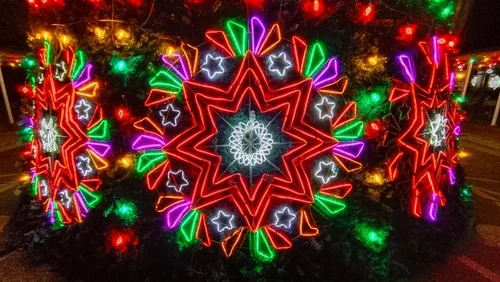
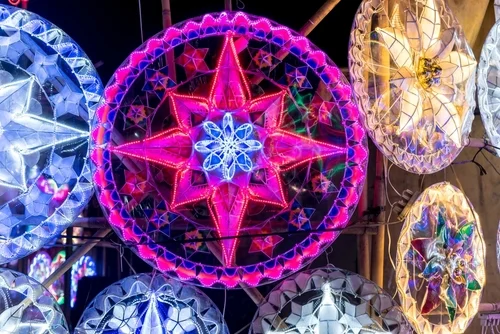
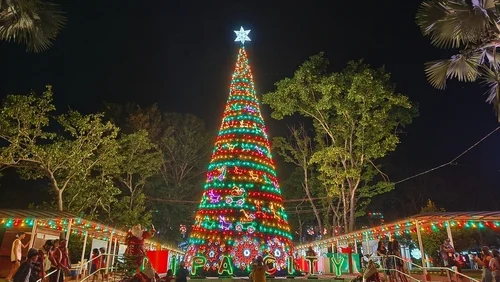
Every year, without fail, the first day of September arrives and something shifts within Filipino communities across the world. The Christmas playlists come out early. Parol lanterns appear in flat windows. Group chats light up with “Ber months na!” — a phrase that translates loosely to “The Ber months are here!”, and with it, the collective excitement of the longest Christmas season on the planet.
For Filipinos in the United Kingdom — particularly the tens of thousands working in the NHS and social care — the Ber months are more than a cultural quirk. They represent a four-month stretch of heightened connection to family back home in the Philippines, and a time when the financial support sent across borders begins to climb steadily toward its December peak.
This guide covers everything you need to know about the start of the Ber months in 2026: what they are, why they matter to the Filipino community in the UK, and what to keep in mind if you’re planning to send money home during this season.
What Are the Ber Months?
The Ber months are simply the four calendar months whose names end in “-ber”: September, October, November, and December. In the Philippines, these four months are treated as one long, continuous Christmas season — a celebration unlike anything observed elsewhere in the world.
The tradition is deeply rooted in Filipino Catholic culture. The Philippines is one of the most predominantly Catholic countries in Asia, and Christmas holds enormous spiritual and social significance. Rather than a single day or even a two-week holiday period, Christmas in the Philippines is a season-long event, filled with family gatherings, religious observances, festive food, and music that starts playing from the very first day of September.
The Filipino Christmas season is officially recognised as the longest in the world — spanning roughly 122 days from 1 September through to the Feast of the Black Nazarene in January.
When Do the Ber Months Start in 2026?
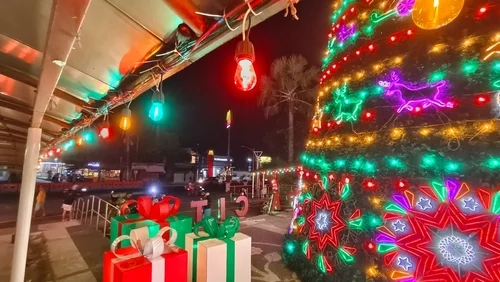
In 2026, the Ber months begin on Tuesday, 1 September 2026.
That date marks the unofficial but widely recognised start of the Filipino Christmas season. You won’t find it listed as a public holiday in the Philippines — it doesn’t need to be. The Ber months are a cultural institution, observed organically through shared tradition rather than government decree.
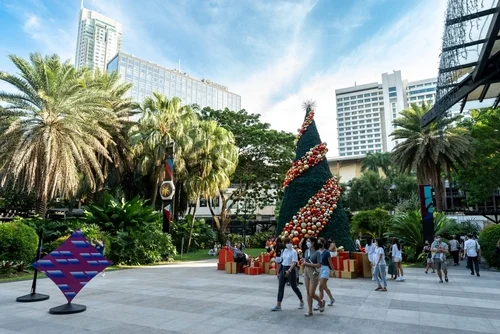
From 1 September, expect to see Filipino bakeries stocking Christmas-themed treats, shopping centres in Manila putting up decorations, and families beginning to plan reunions months in advance. For Filipinos in the UK, it’s also the point at which many start thinking seriously about sending money home — whether to help fund celebrations, support family members, or contribute to gift-giving later in the season.
Why the Ber Months Matter to Filipinos in the UK
The United Kingdom is home to one of the largest Filipino diaspora communities in Europe. A significant proportion of Filipino workers in the UK are employed in the NHS and the wider social care sector — as nurses, midwives, carers, and healthcare assistants. Many left the Philippines specifically to support their families financially, sending a portion of their income home on a regular basis.
During the Ber months, that financial support tends to increase. Families in the Philippines begin preparing for Christmas celebrations, school year-end expenses, and in some cases, the construction or renovation of family homes — a common aspiration among overseas Filipino workers (OFWs). The pressure to provide, combined with genuine desire to participate in the season from afar, means that remittance volumes from the UK to the Philippines rise steadily from September and peak in December.
For many Filipino workers in the UK, the Ber months also bring a particular kind of emotional weight. Being separated from family during the most family-centred season of the year is genuinely difficult. Sending money home becomes one meaningful way to feel present, to contribute to celebrations they cannot attend in person, and to maintain the bonds that define Filipino family life.
Are Banks Open During the Filipino Ber Months? What to Know About Transfers
The Ber months themselves are not public holidays, so there are no automatic bank closures tied to 1 September or the season’s start. However, as the season progresses into November and December, a few important dates are worth planning around — both in the UK and the Philippines.
UK bank holidays to be aware of during the Ber months
In the UK, there are no bank holidays in September, October, or November. However, Christmas Day (25 December) and Boxing Day (26 December) are UK bank holidays, which means UK banks will be closed on those days. If you’re planning a transfer right at the peak of the Christmas season, it’s worth scheduling it a few days early to avoid delays.
Philippine public holidays during the Ber months (2026)
The Philippines observes several national holidays during the Ber months. Key ones include:
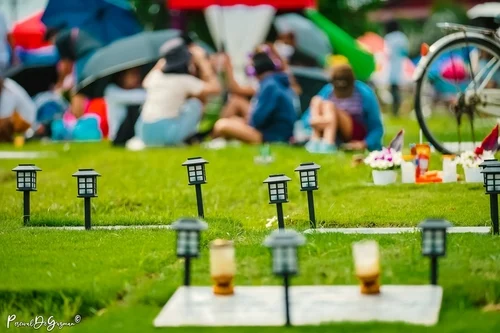
- 1 November — All Saints’ Day (Undas), a major observance when many Filipinos travel to visit family graves. Banks in the Philippines may be closed or operating on reduced hours.
- 2 November — All Souls’ Day, which may also see reduced banking activity in some areas.
- 8 December — Feast of the Immaculate Conception, a national holiday in the Philippines.
- 24 December — Christmas Eve (often a working holiday with reduced hours).
- 25 December — Christmas Day, a national holiday. Banks will be closed.
- 30 December — Rizal Day, a national holiday.
- 31 December — New Year’s Eve (often a special non-working holiday).
Practical tips for sending money during the Ber months
- Plan ahead for November and December. The combination of high transfer volumes and multiple public holidays means processing times can occasionally be longer than usual. Sending a few days before a holiday is always a safer approach.
- Check your recipient bank’s hours. Even when a transfer arrives promptly, recipients in the Philippines may need to wait until their local bank reopens after a public holiday to access funds. Digital wallets and cash pickup services can offer more flexibility during these periods.
- Start earlier in the season if you can. Many experienced senders begin making slightly larger transfers from September and October, spacing out support over the full Ber months rather than rushing everything into December.

How the Ber Months Bring Filipino Communities Together in the UK
Beyond the financial dimension, the Ber months are a time of cultural celebration for Filipino communities across Britain. Filipino community organisations in cities like London, Birmingham, Manchester, and Edinburgh often host events throughout the season — from Simbang Gabi (a series of nine pre-Christmas dawn masses) to Christmas parties, carolling gatherings, and Filipino food markets.
These events give overseas Filipinos a way to share the season with one another, even when the distance from home is hard. They also offer a window into Filipino culture for non-Filipino colleagues, neighbours, and partners who may not yet be familiar with just how significant this time of year is.
For Filipino NHS workers in particular — many of whom work through Christmas and New Year — these community moments can be especially meaningful. The Ber months provide a long runway to celebrate gradually, rather than relying on a single day that they may well spend on a hospital ward.
What to Expect as the Season Progresses
Each Ber month has its own rhythm within the broader Christmas season:
- September: The season begins. Playlists are updated, early decorations go up, and families start loosely planning. Transfers from the UK begin to increase slightly as Filipinos earmark funds for the months ahead.
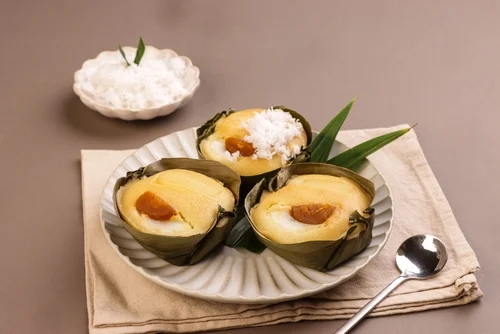
- October: The pace quickens. Shopping in the Philippines picks up, and families start buying gifts, ingredients for Christmas food, and supplies for Noche Buena (the traditional Christmas Eve feast). OFWs in the UK often send additional support during this month.
- November: With All Saints’ Day, Bonifacio Day, and the Feast of the Immaculate Conception all falling within this month, November is busy with observance and preparation. Remittances continue to rise.
- December: The peak of everything — celebrations, gatherings, spending, and sending. Many Filipinos in the UK make their largest transfers of the year in the first two weeks of December to ensure funds arrive in time for Christmas.
Frequently Asked Questions
What are the Ber months?
The Ber months are September, October, November, and December — the four months ending in “-ber.” In the Philippines, these four months collectively mark the start and duration of the Christmas season, making it the longest Christmas celebration in the world at around 122 days.
When do the Ber months start in 2026?
The Ber months begin on 1 September 2026, which falls on a Tuesday. This date is the widely recognised, informal start of the Filipino Christmas season, though it is not a public holiday.
Why do Filipinos in the UK care about the Ber months?
Many Filipinos in the UK maintain close ties to family in the Philippines and send financial support home throughout the year. During the Ber months, that support typically increases as families prepare for Christmas celebrations. The season also holds deep cultural and religious meaning, and Filipino communities across the UK mark it with events, gatherings, and traditions carried from home.
Are banks open on 1 September in the UK and the Philippines?
Yes. The first of September is not a public holiday in either the UK or the Philippines, so banks in both countries operate as normal on that date. However, several Philippine public holidays fall later in the Ber months — including All Saints’ Day (1 November), the Feast of the Immaculate Conception (8 December), and Christmas Day (25 December) — when Philippine banks may be closed.
Is it safe to send money to the Philippines during the Ber months?
Yes, sending money to the Philippines is safe year-round, including during the Ber months. The key considerations during this period are timing — planning transfers ahead of public holidays helps avoid delays — and choosing a transfer method that suits your recipient, such as bank deposit, digital wallet, or cash pickup.
What is Noche Buena?
Noche Buena is the traditional Filipino Christmas Eve feast held after Midnight Mass on 24 December. It typically includes a spread of special dishes — such as queso de bola, ham, and various Filipino delicacies — and is considered one of the most important family meals of the year. Many Filipinos working abroad send money specifically to help their families prepare for Noche Buena.
Make the Most of the Ber Months — From Wherever You Are
The Filipino Christmas season is extraordinary in its length, its warmth, and its ability to connect people across thousands of miles. For Filipinos living and working in the UK, the Ber months are a reminder of everything that matters most — family, faith, and the kind of generosity that defines Filipino culture.
Whether you’re planning your first transfer home this September or you’ve been doing it for years, a little advance planning goes a long way. Know the public holidays, give yourself buffer time in November and December, and consider spacing your support across the full season rather than concentrating it all in the final weeks.
The Ber months are long for a reason. Use all of them.