

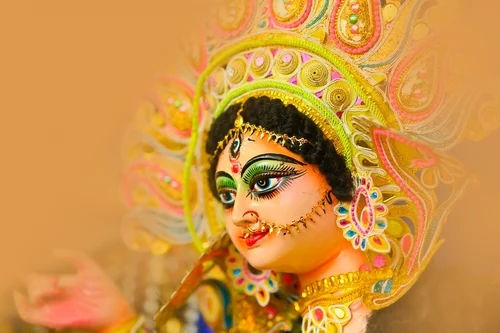
Quick answer: In 2026, Navratri runs from 10 to 18 October, with Durga Puja celebrations peaking between 16 and 19 October and Dussehra (Vijayadashami) falling on 20 October. Across the UK, Gujarati communities in Leicester, Wembley and Harrow mark the nine nights with garba and dandiya, while Bengali and Bangladeshi communities in London build elaborate pandals for Durga Puja. Banks in the UK stay open as usual, so money transfers and everyday banking aren’t affected.
Fireworks, folk dancing and towering goddess idols aren’t the only things on people’s minds during this festival season. For many British South Asian households, Navratri and Durga Puja also mark the start of a busy few weeks of sending money home—covering puja subscriptions, new clothes, gifts and travel costs for family in India, Bangladesh and Nepal. This guide walks through the 2026 UK dates, how the festival is celebrated across the country, and what to keep in mind if you’re organising payments or transfers during the celebrations.
When is Navratri 2026 in the UK?
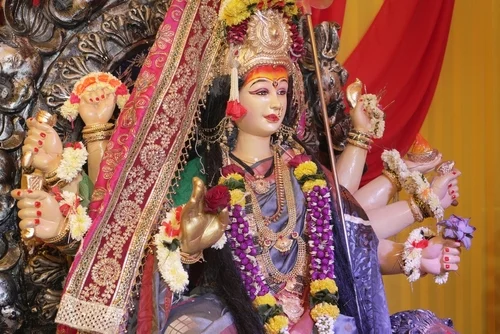
Navratri, meaning “nine nights”, is one of the most widely observed Hindu festivals in Britain. Based on the Hindu lunar calendar, Navratri 2026 is expected to begin on Saturday, 10 October, and conclude on Sunday, 18 October. Each of the nine nights is dedicated to a different form of the goddess Durga, with devotees fasting, praying and dancing their way through the celebration.
Because Navratri follows the lunar calendar rather than the fixed Gregorian calendar, exact dates can shift by a day depending on regional calculations. It’s worth checking with your local temple or community group closer to the time to confirm the precise schedule for events near you.
What is Dussehra and when does it fall in 2026?
Dussehra, also known as Vijayadashami, marks the tenth and final day of the Navratri period. It celebrates the triumph of good over evil—commemorating Lord Rama’s victory over the demon king Ravana. In 2026, Dussehra is expected to fall on Tuesday, 20 October.
In many parts of the UK, Dussehra is marked with the symbolic burning of Ravana effigies, alongside prayers and community gatherings. It’s a day of closure after nine nights of devotion, and often the point at which families start looking ahead to Diwali, which typically follows around three weeks later.
How is Navratri celebrated across the UK?
Navratri in the UK looks different depending on where you are and which regional tradition your community follows. Two of the most visible expressions are Gujarati garba and dandiya nights, and Bengali Durga Puja.
Garba and dandiya nights in Leicester, Wembley and Harrow
Gujarati communities in cities such as Leicester, and in London boroughs like Wembley and Harrow, host some of the UK’s largest garba and dandiya raas events. These gatherings bring together hundreds—sometimes thousands—of people for circular folk dances performed around a central shrine or lamp. Dandiya raas, danced with decorated wooden sticks, is a particular highlight, often drawing multi-generational crowds to community halls, temples and hired venues throughout the nine nights.
These events are as much social occasions as religious ones. Many families treat garba nights as a chance to reconnect with community members, wear new festive outfits, and enjoy traditional food stalls selling Gujarati snacks and sweets.
Durga Puja pandals in London’s Bengali and Bangladeshi communities
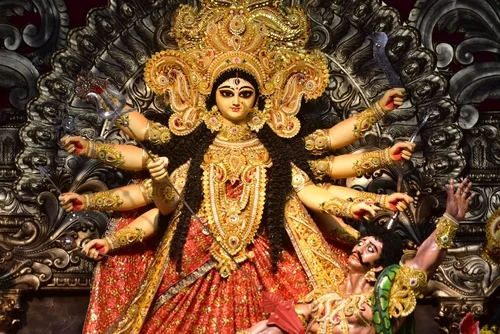
For Bengali and Bangladeshi communities, particularly in London, the festival takes the form of Durga Puja. Elaborate pandals—temporary structures housing beautifully crafted idols of Durga—are erected in community centres and temples across the capital. The main days of celebration, from Maha Shashthi through to Vijaya Dashami, are expected to fall between 15 and 20 October 2026.
Durga Puja pandals in London draw large crowds for cultural performances, traditional dhak drumming, and communal feasts. For many British Bengalis and Bangladeshis, these gatherings are one of the few times each year they can experience the sights, sounds and food of home celebrations in a distinctly local setting.
Why does Navratri matter for money transfers?
Navratri and Durga Puja aren’t only about temple visits and dance floors—they also open what’s often called the “festive sending window” in the run-up to Diwali. Many families in the UK use this period to send money to relatives in India, Bangladesh and Nepal to help cover the costs associated with the season: contributions to local puja committees, new clothes for children, festival gifts and travel for family reunions.
This means late September through October can be one of the busiest times of year for international money transfers from the UK to South Asia. If you’re planning to send funds during this period, a little preparation goes a long way.
Are UK banks open during Navratri and Dussehra?
Yes. Navratri, Durga Puja and Dussehra aren’t public holidays in the UK, so high street banks, building societies and online banking services operate as normal throughout the festival period. There’s no need to plan around bank closures on these dates as you might for Christmas or Easter bank holidays.
That said, it’s worth checking whether the receiving country observes a public holiday on the relevant dates, as this can affect processing times or branch opening hours at the receiving end—even if nothing changes on the UK side.
What should you consider when sending money during festival season?
A few practical points can help avoid delays or surprises when transferring money during Navratri and Durga Puja:
- Processing times can vary. Even without UK bank holidays affecting your transfer, increased demand during festival season can occasionally mean busier processing queues, so it’s sensible not to leave transfers until the last minute if funds are needed for a specific event or date.
- Recipient bank holidays matter. Regional and local holidays in India, Bangladesh and Nepal during Durga Puja and Dussehra could affect how quickly funds are available once they arrive.
- Double-check recipient details. With multiple family members often receiving funds for different purposes—puja donations, gifts, travel—it’s worth confirming account details and reference information before sending, to avoid any mix-ups during a busy period.
Planning ahead for the 2026 festival season
Navratri, Durga Puja and Dussehra bring colour, community and devotion to towns and cities across the UK, from garba nights in Leicester to pandals in London. With the 2026 dates falling between 10 and 20 October, there’s plenty of time to plan celebrations, coordinate with family, and think ahead about any money transfers you might need to make during the festive run-up to Diwali. Keeping an eye on both UK and recipient-country holiday calendars will help ensure funds arrive exactly when your loved ones need them.
FAQs
When does Navratri 2026 start and end in the UK?
Navratri 2026 is expected to begin on Saturday, 10 October, and end on Sunday, 18 October, based on the Hindu lunar calendar. Dates may vary slightly by a day depending on regional calculations, so it’s worth checking with your local temple for confirmation.
What date is Dussehra 2026?
Dussehra, also called Vijayadashami, is expected to fall on Tuesday, 20 October 2026, marking the end of the Navratri period and the victory of good over evil.
Where are the biggest Navratri celebrations in the UK?
Some of the largest garba and dandiya events take place in Leicester, Wembley and Harrow, where Gujarati communities host multi-night dance celebrations. London is also home to major Durga Puja pandals within Bengali and Bangladeshi communities.
Are UK banks closed for Navratri or Dussehra?
No. Navratri, Durga Puja and Dussehra are not UK public holidays, so banks and financial services operate as usual throughout the festival period.
Why do people send more money home during Navratri and Durga Puja?
The festival period opens a “festive sending window” as families contribute to puja subscriptions, buy new clothes and gifts, and cover travel costs ahead of family reunions and the wider Diwali celebrations that follow a few weeks later.



