Key Highlights
Here’s what you need to know when it comes to using your electronics in Uganda:
-
Uganda uses Type G electrical outlets. These are not the same as the ones in Canada.
-
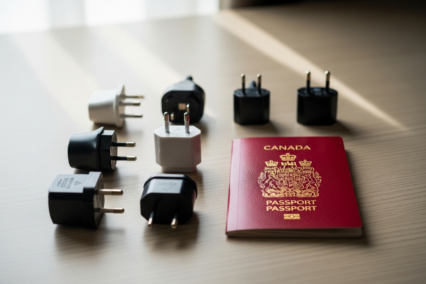
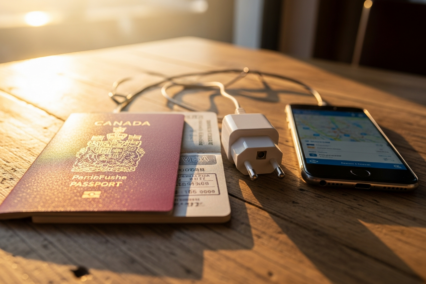
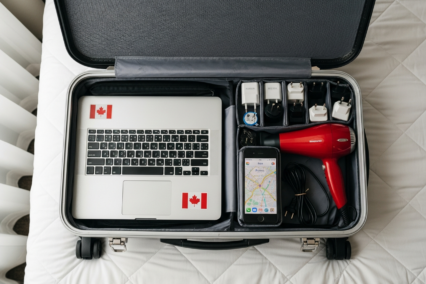
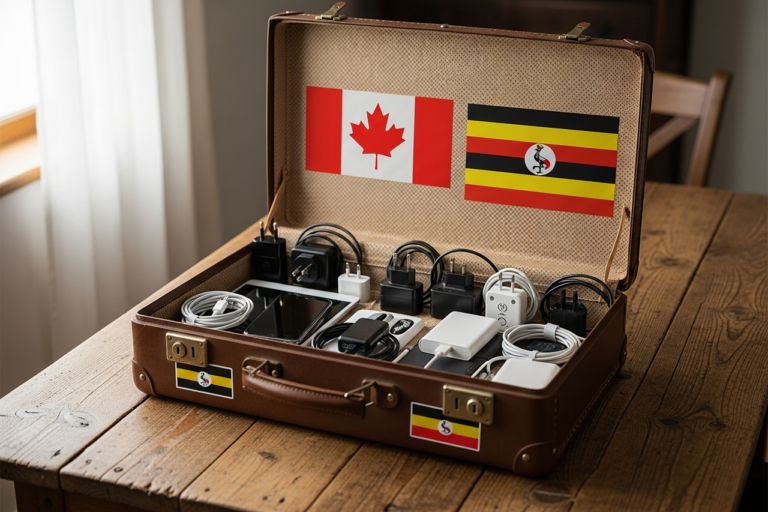
You need a travel adapter to plug your Canadian gadgets into sockets in Uganda.
-
The standard voltage in Uganda is 240 V. This is much higher than what we have in Canada, which is 120 V.
-
If you have electronics that only work on one voltage, you will need a voltage converter. This helps to stop any damage.
-
Always check the voltage on your device before you use it in Uganda.
Remember to pack the right adapter and converter, so you can use all your things with no problems.
Introduction
Planning to travel to Uganda is a fun and new thing to do. When you are getting ready and working out your trip details, there is one thing you should not forget about: charging your stuff. The electrical system in Uganda is not the same as we have in Canada. You will need to plan for that. It is important to know about the plug types and voltage used there, so you can keep your phone, camera, and other things charged up and safe. This guide tells you what you need to know about electrical outlets in Uganda, plug types, and voltage, to help you have a great trip without worries about power for your devices.
Understanding Electrical Outlets and Plug Types in Uganda
When you go to Uganda, you’ll see that the electrical outlets are Type G. This is the same kind of three-pronged rectangular plug they use in the United Kingdom. Uganda chose to use this system a long time ago because it used to be a British colony.
If you are from Canada, your usual plugs—Type A and B—will not fit there. These are the plugs in Canada with two flat pins or two flat pins plus a round grounding pin. In Uganda, you must use a plug adapter if you want to use your devices with the local electrical outlets.
Here’s more about what these outlets are like and what you need to stay connected with your plugs and an adapter in Uganda.
Common Ugandan Outlet Designs and Compatibility for Canadians
The Type G outlet is the official standard across Uganda. These sockets are easily identifiable by their three rectangular slots arranged in a triangular pattern. What’s more, these electrical outlets almost always feature an on/off switch right on the socket plate for added safety, a feature not common in Canada.
This design is completely different from the outlets you’re used to back home. Your Canadian plugs simply won’t physically fit into a Type G socket without a plug adapter. A travel adapter acts as a bridge, allowing your plug to connect securely to the Ugandan outlet.
To make it clear, here’s a quick comparison of Canadian and Ugandan plug compatibility:
|
Country |
Plug Type(s) |
Outlet Type |
Compatibility |
|---|---|---|---|
|
Canada |
A & B |
A & B |
N/A |
|
Uganda |
G |
G |
Not Compatible |
Plug Types You’ll Encounter in Uganda and Device Compatibility
The main plug type you will find in Uganda is the Type G plug. This plug is strong and has safety features. There is a fuse inside the plug. Many people use this kind of plug in Uganda and in other places in Africa, like Kenya. It is the standard in places that follow British rules for plugs.
Type G is what you will use most in Uganda. You may see other plug types in old buildings or with some home items, but you should not count on seeing them. European Type C plugs have two round pins. These will not go into a Type G socket unless you use a travel adapter or electrical adapter. You can’t fit them in by force, and you should not try to move the socket’s safety covers, as this is very dangerous.
For your device compatibility, remember:
-
Bring a Type G travel adapter for all your devices from Canada.
-
Do not try to fit your plug into a socket that does not match.
-
If your device does not work on dual voltage, you need a power converter.
Power Voltage, Frequency, and Device Safety in Uganda
Besides how the plug looks, you should also think about the standard voltage. In Uganda, the standard voltage is 240 V, and the frequency is 50 Hz. This is not the same as Canada, where it is 120 V and 60 Hz. If you plug a Canadian appliance that is made for 120 V into a 240 V outlet, it could break for good.
That is why it is important to check your electrical devices first before you use them. Some electronics can handle both voltages, but some cannot. If your appliance does not support the voltage in Uganda, you will need a voltage converter.
Up next, we will look at how to check if your electronics are compatible, and go over what safety steps you should take.
Uganda’s Mains Voltage Explained for Canadian Electronics
The key to understanding if your Canadian electronics will work in Uganda lies in the voltage. Uganda’s standard voltage is 240 V, double the 120 V standard in Canada. This difference can be a deal-breaker for some of your devices.
Fortunately, many modern electronics like your laptop, phone charger, and camera charger are “dual voltage.” You can check this by looking at the power supply brick or the fine print on the device itself. If you see text like “INPUT: 100-240V, 50/60Hz,” your device is dual voltage and will work fine with just a plug adapter. However, if it only says “120V,” it’s a single voltage device and will require a voltage transformer to step down the power.
Here’s a simple breakdown of Uganda’s power system compared to Canada’s:
|
Feature |
Uganda |
Canada |
|---|---|---|
|
Standard Voltage |
240 V |
120 V |
|
Frequency |
50 Hz |
60 Hz |
Essential Safety Tips Before Plugging In Your Devices
Keeping your device safe when you travel in Uganda takes more than making sure about compatibility. The power in different countries can change or jump suddenly. If there is a power surge, it can hurt your electronics. Even though type G outlets are safe, you should still be careful.
Always look at the voltage listed on your device before you plug it in. If your item can work with only one voltage, you need a step-down voltage transformer. A good travel adapter with a surge protector will help keep your device safe. This stops damage if there is a power surge.
Here are a few important tips to keep in mind:
-
Always check the voltage on your device or its charger.
-
Use a surge protector when you plug in valuable electronics, to keep them safe from a power surge.
-
Do not put too many things into one outlet with a power strip, even in different countries.
-
Unplug your devices when they finish charging or if there is a thunderstorm.
Conclusion
In short, it is important for Canadians to know about electrical outlets in Uganda before they go. The plug types and voltage used there can be different, so you need to keep your devices safe. Try to learn about the common outlet types in Uganda and take simple steps to stay safe. This will help you relax during your trip. Do not let electrical compatibility become a problem. Get ready in advance, and you will stay connected the whole time. If you have more questions or need help with picking travel power adapters, you can ask anytime!
Keywords used: electrical outlets, plug types, voltage, uganda, compatibility
Frequently Asked Questions
Can I use a Canadian plug in Uganda, or do I need an adapter?
No, you can’t use a Canadian plug in Uganda because the plug is not the same. In Uganda, the sockets use type G. You will need to get a plug adapter, so your Canadian plug can work with the three-pronged type G sockets in Uganda. This makes sure your plug fits and there is no issue with compatibility.
Where can I purchase a suitable travel power adapter before my trip?
You can find the right travel adapter for your Uganda trip at many electronics stores or travel shops. You can also get a plug adapter online from amazon. If you do not buy it before your trip, you can pick up a power plug adapter at most major airports. This gives you a good last-minute option to grab the adapter you need.
Are universal power adapters easy to find once I arrive in Uganda?
It can be hard to find the right adapter in Kampala or other big cities in Uganda. The stores there may not always have the one you want. You might also find that there is not much to choose from. It is always better to get your adapter before you leave Canada. This will make sure you have what you need as soon as you get to Uganda.