Key Highlights
Here’s a simple look at what you need to know about electrical outlets in Afghanistan:
-
Afghanistan mostly uses type C and type F electrical outlets.
-
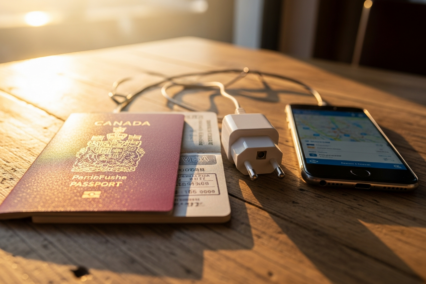
You need a travel adapter if you want to use your Canadian devices with Afghan sockets.
-
The standard voltage in Afghanistan is 220V. This is more than Canada’s 120V.
-
You may also need a voltage converter for your single-voltage electronics.
-
Always check if your devices can work with a 220V, 50 Hz power supply.
-
For your trip, a universal travel adapter is a good and smart choice.
These tips can help you handle your adapter, converter, and other compatibility needs in Afghanistan.
Introduction
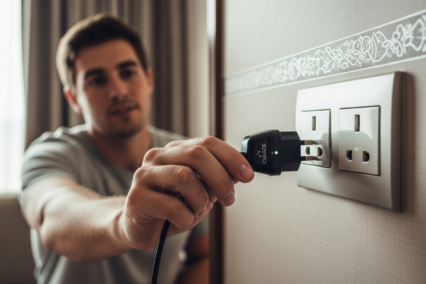
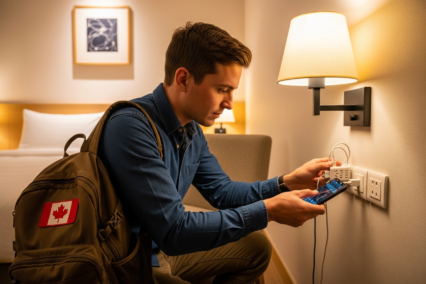
Are you planning a trip to Afghanistan? If you are, there is something important you should think about. You need to know how you will charge your electronic devices. The electrical outlets in Afghanistan are not the same as in Canada. You will need a plug adapter to make sure your phone, laptop, and other devices can be charged. If you know about the power system before you leave, you can avoid problems. This guide will tell you everything you need to know about using a travel adapter or plug adapter in Afghanistan.
Understanding Electrical Outlets in Afghanistan
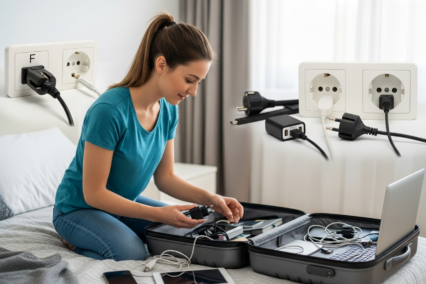
When you get to Afghanistan, you will see that the power sockets are not like the ones in North America. The main plug types there are type C and type F, which you will also find in many places across Europe and Asia.
These type C and type F sockets are used a lot for electrical outlets in Afghanistan. If you want to use your Canadian devices, you should know about these plug types and have the right adapter for compatibility. Let’s talk about what makes a type C socket and a type F socket different.
Plug Types Used in Afghanistan (Type C and F)
The most used electrical outlets in Afghanistan are type C and type F. You see these in many parts of Europe and Asia.
The type C plug, often called the “Europlug,” does not have a ground wire. It has two round prongs. This plug is used in many countries. Type C power sockets can take these two round pins with no problem.
The type F plug is called the “Schuko” plug. It also has two round prongs, like type C. But it has two metal clips on the sides to give grounding. This is seen as a safer choice for some machines and devices. The good thing is, type F sockets can fit both the type F plug and the type C plug without grounding. That means you get more ways to plug in your stuff.
Compatibility of Canadian Devices with Afghan Sockets
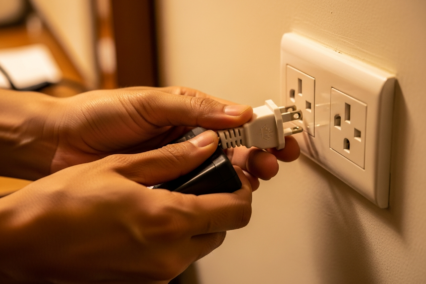
Your Canadian devices use Type A and B plugs. These have flat prongs. They will not fit into the Type C and Type F sockets you find in Afghanistan. This means your plugs and Afghan sockets do not match. You will need to have a plug adapter so you can use your things.
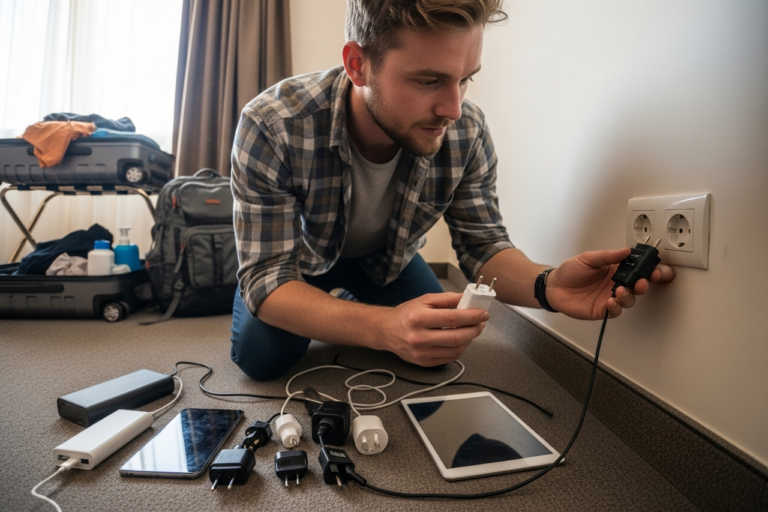
A simple travel adapter will help connect your Canadian plug to an Afghan outlet. You need to get a power adapter that works with your plug type and fits both Type C and Type F sockets.
If you do not bring the right plug adapter, you will not be able to charge your phone, tablet, or camera. Remember, having the right adapter is an important step you must take before you go to Afghanistan. It will save you a lot of trouble during your trip.
Voltage and Frequency Standards in Afghanistan
It’s important to know more than just the shape of the plug when you think about the power supply in Afghanistan. The standard voltage in Afghanistan is higher than what we have in Canada. This can make a difference for your electronics if you use them there. The power outlets in Afghanistan give out more voltage.
Another thing to think about is the frequency of the electrical current. This is how many times the current changes direction each second, and it is measured in Hertz (Hz). The frequency in Afghanistan is not the same as in Canada. Most travel gadgets should still work fine, but you should know about this. We will talk more about the standard voltage and these electrical details soon.
Standard Voltage Levels for Afghan Power Outlets
The standard voltage in Afghanistan is 220 volts. This is a major difference from Canada’s 120 volts. Plugging a device designed only for 120V into a 220V outlet can be extremely dangerous, potentially damaging the appliance and posing a fire risk.
Many modern electronics, like chargers for laptops and smartphones, are “dual voltage.” You can check the label on your power supply for text like “INPUT: 100-240V.” If you see this, your device is compatible with the voltage in Afghanistan and only needs a plug adapter. For single-voltage devices, you will need a voltage converter or transformer.
Here is a quick comparison of the voltage standards:
|
Country |
Standard Voltage |
|---|---|
|
Afghanistan |
220 V |
|
Canada |
120 V |
Be aware that voltage can fluctuate, with variances reported between 160V and 280V in some areas.
Frequency Differences Between Canada and Afghanistan
Another thing to think about with the power supply is the frequency. The electricity in Afghanistan runs at 50 Hz. In Canada, it is 60 Hz. This change in frequency can have an effect on some appliances.
With most newer travel electronics, this difference in frequency will not be a problem. Many devices that are dual voltage can also work with both 50 Hz and 60 Hz. If you want to check, just look at your device’s label and see if it says “50/60 Hz” for compatibility.
But for some older single-voltage appliances that use motors, like hair dryers or electric clocks, they might run a bit slower if used on a 50 Hz power supply. Most of the time, this is not a big deal. Still, if you want to make sure about certain equipment, especially if it’s sensitive or costly, it is good to check with the manufacturer.
Travel Adapter Options for Canadians Visiting Afghanistan
You will need a travel adapter for your trip to Afghanistan because your Canadian plugs do not fit there. The power plug adapter you need must let you connect your Type A or B plug into a Type C or Type F outlet, which is what they have in Afghanistan.
There are a few ways to get what you need. You can buy an adapter that fits only these plug types, or choose one that works with different plugs. We will talk about how to pick the best adapter and where you can get one before you go from Canada.
Choosing the Right Plug Adapter for Afghanistan
Picking the right travel plug adapter helps make your trip smoother. In Afghanistan, outlets are type C and type F. You will need an adapter that works with these sockets.
When you buy a plug adapter, check that it is made for type C or type F. The adapter must let you use the flat prongs you have in Canada and must have two round prongs to fit outlets in Afghanistan.
To get the best plug adapter, think about these things:
-
Single vs. Multiplug: If you bring more than one device, get a multiplug adapter. This gives you more plug spaces or USB ports for your items.
-
Device Needs: If you bring laptops, you may need an adapter with USB-C Power Delivery (PD).
-
Compactness: Want to keep your bag small? Go with a simple and small adapter.
-
Compatibility: The adapter must say it supports type C or type F plugs to make sure it works in Afghanistan.
Benefits of Universal Travel Adapters and Where to Buy Them
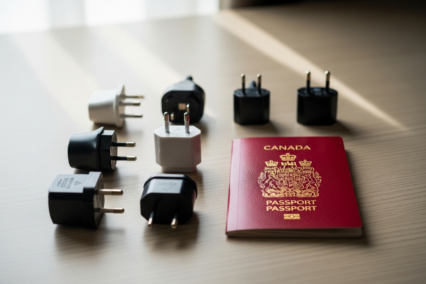
A universal travel adapter is a smart buy for people who travel a lot. This handy device can work with many plug types and sockets all over the world. It includes the Type C and F outlets you find in Afghanistan. This way, you do not need to worry about compatibility, no matter where you go or which plug you have.
The main benefits of a universal travel adapter are:
-
Versatility: You can use one adapter in many different countries.
-
Convenience: A lot of them have USB ports. With this, you can charge more than one device at the same time.
-
Cost-Effectiveness: Buying one adapter is usually cheaper than getting a new plug adapter for each country.
You can get a universal travel adapter before you leave on your trip. You will find them at major airports, electronics stores, and online on sites like Amazon. Buying it before you travel means you will be ready as soon as you land.
Conclusion
To sum up, if you are a Canadian and want to visit Afghanistan, you need to know about the electrical outlets there. It helps to learn about the plug types, voltage, and adapter standards in Afghanistan. This makes sure your devices work the right way and you stay safe. When you bring the right travel adapter with you, your electronic items will work, and you will not get stuck with a wrong plug. These small tips help you travel with less trouble and use your devices any time you need. Have a good trip, and remember to pack your adapters before you go!
Frequently Asked Questions
Is it safe to charge laptops and phones in Afghan hotels?
Yes, you can charge laptops and cell phones in most Afghan hotels. Be sure to use the right plug adapter. Most chargers for these devices are dual voltage, so they can work with a 220V power outlet. But, power may go up and down sometimes. It is a good idea to use a surge protector with your charger and plug to keep your cell phones or laptops safe.
Can Canadians use American or Canadian electronics in Afghanistan?
Yes, Canadians can use their electronics in Afghanistan, but you need some extra things. You will need a travel adapter because the sockets in Afghanistan are not the same. If your device from Canada is single-voltage at 120V, you will also need a voltage converter. This converter makes the 220V power in Afghanistan safe for your device. Using a travel adapter and voltage converter will help make sure your device works and is not harmed.
What should Canadians do if their device plug does not fit Afghan sockets?
If your electrical device plug does not fit, you will need to get a plug adapter. You can use a universal travel adapter or pick one for Type C and F sockets. This way, you know there is compatibility. It helps you plug your Canadian electrical device into the electrical outlets in Afghanistan.