Key Highlights
-
Romania uses Type C and Type F electrical outlets. These plug types are not the same as the ones in Canada.
-
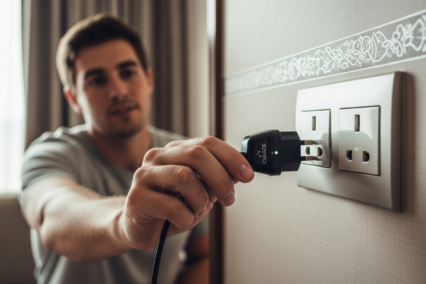
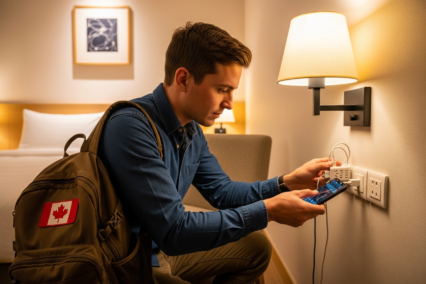
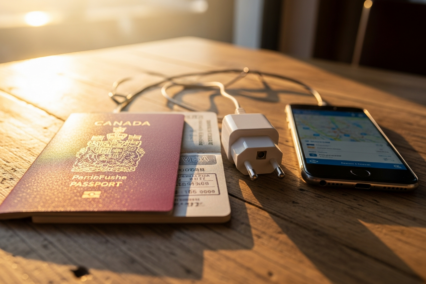
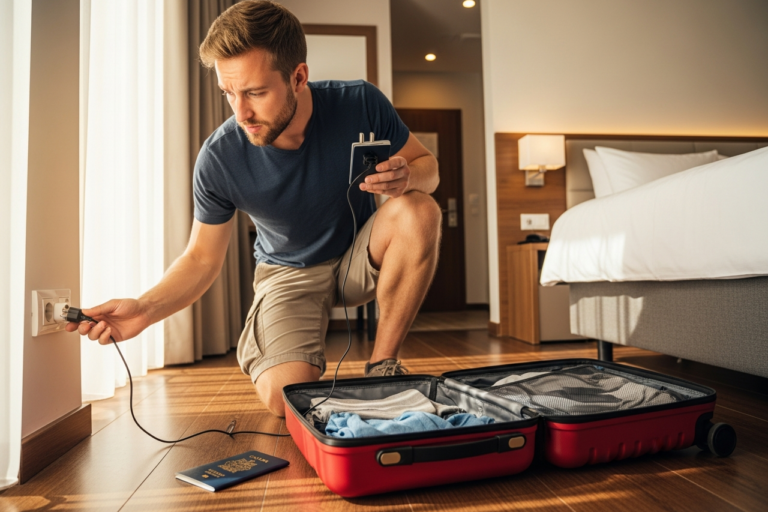
If you come from Canada, you will need a travel adapter. It helps your devices fit into Romanian plug types.
-
The standard voltage in Romania is 230V. This is higher than Canada’s voltage of 120V.
-
A lot of new electronics, like laptops and phones, are dual voltage. When you travel, you just need an adapter for these devices.
-
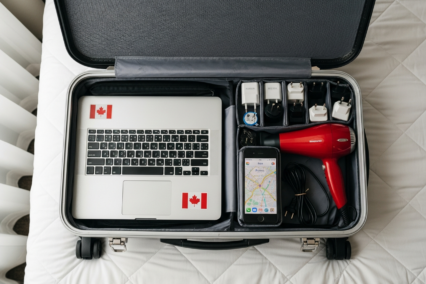
For Canadian appliances that use only one voltage, like some hair dryers, you will need a voltage converter. This keeps your items safe and stops them from getting wrecked.
-
Before you plug in any device, check its compatibility. This makes sure everything works well and keeps your stuff protected.
Introduction
Are you planning a trip from Canada to see the beauty of Romania? There is a lot to enjoy, from the lively streets of Bucharest to the calm fields and hills in Transylvania. This trip will be one to remember. But before you start to pack, it is a good idea to think about your electrical outlets. The power system is not the same in Canada and Romania. This can seem hard at first. But, it gets easy when you know the basics. In this guide, you will find out all you need to know about using electrical outlets in Romania. Stay ready to keep your devices charged during your whole trip.
Understanding Electrical Outlets in Romania for Canadians
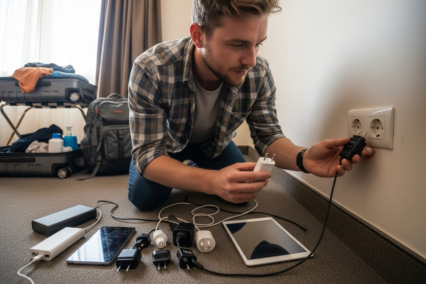
When you travel from Canada to Romania, you will see that the power sockets look different. Your Canadian plugs will not fit into Romanian outlets. You will need some help to use your devices there. In Romania, you will find two main plug types. These are very common in Europe.
It is good to know about these plug types before you go. This will help you avoid trouble with your devices. Let’s look at type C and type F sockets. We will also see how these are different from what you know in Canada and other parts of the world.
Common Plug Types in Romania (Type C & Type F)
The power outlets in Romania are Type F. Many people call these “Schuko plugs.” You can spot them because they have two round pinholes and grounding clips at the top and bottom. One good thing is that Type F outlets also work with the common Type C plug.
This compatibility makes things easier when you travel. Here is what you will see:
-
Plug Type F: This is the usual socket in Romania. It comes with two round pins and two grounding clips.
-
Plug Type C: This plug has two round pins and no grounding. It can fit into Type F power outlets.
Because plug types C and F are used in many parts of Europe, most devices from Europe will work fine in Romania. If you are coming from Canada, your North American plugs do not work with these plug types.
How Romanian Outlets Compare to Canadian and European Sockets
Romanian electrical outlets are standard for most of continental Europe, but they are very different from what you use in Canada. While countries like Russia also use Type C and F plugs, other nations, such as the UK, use entirely different plug types (Type G). This means a universal adapter is a smart investment for any world traveller.
The primary difference lies in the shape of the pins and the different voltage. Canadian plugs (Type A and B) have flat prongs, while Romanian plugs have round ones. This physical difference makes an adapter a necessity.
Here is a simple comparison:
|
Country/Region |
Common Plug Types |
Voltage |
|---|---|---|
|
Romania |
Type C, Type F |
230V |
|
Canada |
Type A, Type B |
120V |
|
Most of Europe |
Type C, Type F |
230V |
|
UK & Ireland |
Type G |
230V |
Voltage and Frequency Essentials
Beyond the shape of the plug, it is important to know about the power supply and how it works. The power supply in Romania uses a different standard voltage and standard frequency than the one in Canada. If you use a device that is not made for this voltage, it could get damaged.
The good news is, it is easy to check the compatibility of your device. Let’s look at the voltage Romania uses and find out how you can see if your device is safe to plug in there.
Standard Voltage and Frequency in Romania
The power supply in Romania uses a regular voltage of 230 volts and a standard frequency of 50 Hertz. Most of Europe follows this system, but it is very different from Canada’s 120 volts and 60 Hertz.
The higher voltage is what matters the most. If you plug a device made only for 120 volts into a 230 volt electrical outlet, you can overload its circuits. This can wreck the device for good. An adapter only changes the plug shape. It does not change the voltage.
So, always check your electronics before you plug them into electrical outlets in Romania. The difference between the standard frequency in Europe (50Hz) and Canada (60Hz) is not a big deal for most modern electronics. But it could cause problems for some appliances with motors.
Checking Device Compatibility with Romanian Power Supply
If you want to know if your device is safe with another power supply, you have to check its voltage rating. You can find this information printed on the power brick, charging adapter, or right on the appliance itself, usually in small letters.
Most travel gadgets people use today work in many places. Keep an eye out for these signs:
-
Dual Voltage: If you see something like “INPUT: 100-240V, 50/60Hz” written on the label, your device is dual voltage. You will be able to use it with the 230V power in Romania without trouble. Cell phones, iPad, and laptop chargers almost always have dual voltage.
-
Single Voltage: If you see “120V” or “110V” listed, it’s a single voltage item. You must use a voltage converter if you want to plug this in to a Romanian outlet. This is often needed for hair dryers or curling irons, since they use a lot of power.
Check each device before you bring it to make sure it will work. If you only guess about compatibility, your appliance could get damaged, and you might feel stuck on your trip.
Adapters, Converters, and Power Solutions for Canadian Travellers
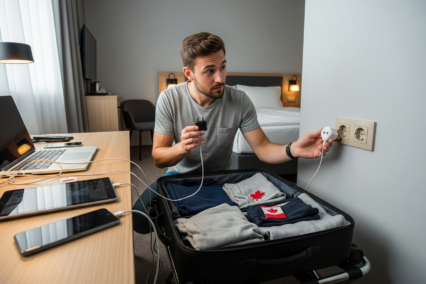
So, what do you really need to pack for your trip? If you are a Canadian going to Romania, you will need a travel adapter. This is a must-have. The device helps your Canadian plug to work in European outlets. You should know an adapter is not the same thing as a voltage converter.
Some of your electronics might need a converter as well. This will let you use them with Romania’s 230V power supply without trouble. It is important to know when you only need a simple travel adapter and when you must use a voltage converter. This way, you keep your devices safe.
Choosing the Right Travel Adapter for Romanian Outlets
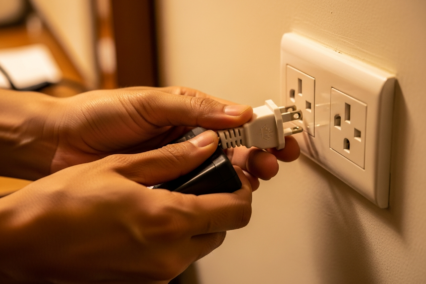
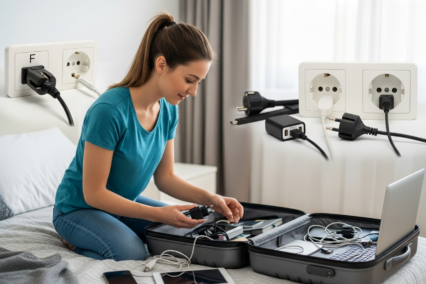
Since the power outlets in Romania use Type C and Type F, you will need a travel adapter. It should take your Canadian flat-pronged plug and let you push in the two round pins into the wall. There are adapters just for one place, or you can choose a more flexible option.
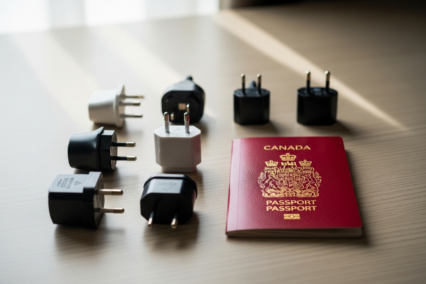
If you travel a lot, a universal adapter is usually the best way to go. These adapters fit into the wall in over 100 countries, so they last you a long time.
-
Look for a universal adapter that says it has compatibility with Type F plugs.
-
Many universal adapters today come with USB ports. This means you can charge more than one thing, at the same time.
-
You can get the right adapter on Amazon, or at many electronics stores, before you go.
A universal travel adapter will work in Romania, but just be sure that it covers the Type F plug too. This is the best and most cost-saving option for most people.
When Do You Need a Voltage Converter or Transformer?
You only need to get a voltage converter or transformer when your appliance is single voltage and does not work with Romania’s 230V power. This is not the case for most things like your laptop or phone charger. They are usually dual voltage and only need an adapter.
High-power items can be another situation. You will need a voltage converter in these cases:
-
Your device is made to use only 110V or 120V.
-
You bring heat-producing things, such as some hair dryers, straighteners, or curling irons from Canada.
-
The label on the device does not show a 100-240V range.
A converter is bigger and heavier. It changes the power from 230V down to 120V. This keeps your single voltage appliance safe. Many times, it’s easier to leave big items like this at home. Most hotels in Romania offer hair dryers as part of their room.
Conclusion
To sum up, getting used to the electrical system in Romania is easy if you know what to do. If you are from Canada, you need to know the common plug types, the voltage, and which adapter to bring. This will help you travel without worry. Be sure to check if your plug and devices will work. Buy the right adapter before you go. These simple steps will make your trip better, more safe, and help you have a good time in Romania. Safe travels, and always remember to check your plug, voltage, and if everything is set before you leave.