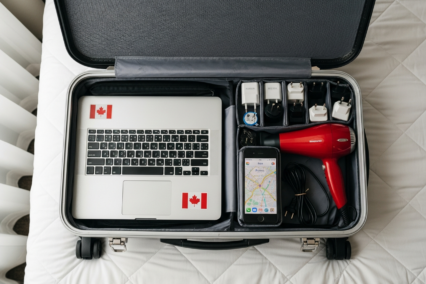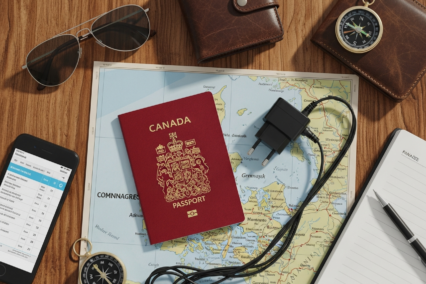
Key Highlights
Here’s what you need to know about electrical outlets when you visit Croatia:
-
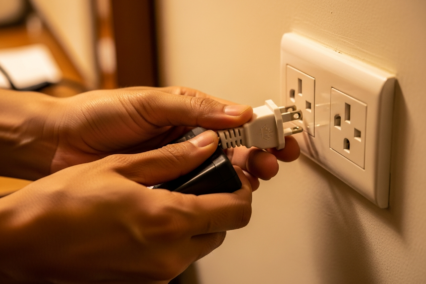
Croatia uses type C and type F sockets, and these are not the same as the plugs you get in Canada.
-
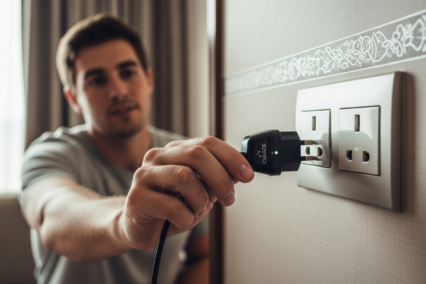
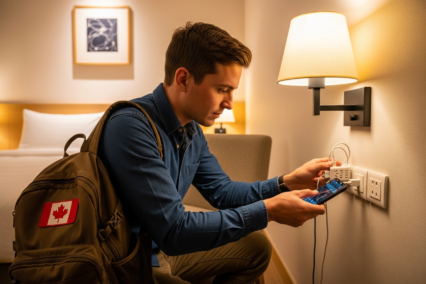
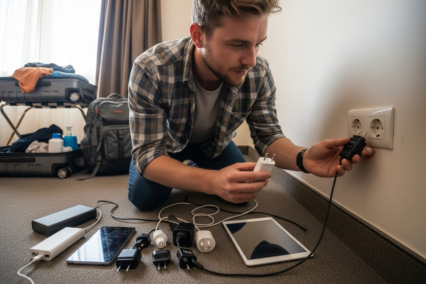
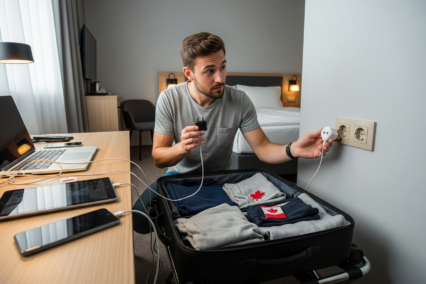
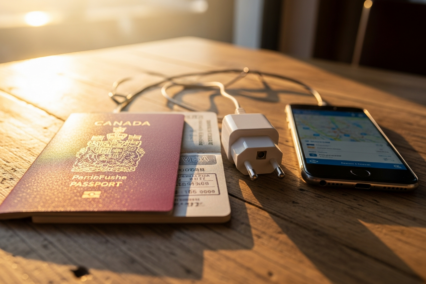
You will need a travel adapter so you can use your Canadian electronic devices in Croatia.
-
The voltage in Croatia is 230V and the frequency is 50Hz. This is more than the 120V you have in Canada.
-
You have to check if your devices are dual voltage (100 to 240V). If they are, you do not need a voltage converter.
-
If you have single voltage devices, like some hair dryers, you will need a voltage converter.
-
It’s a good idea to buy your travel adapter and converter in Canada before you leave.
Introduction
Are you thinking about a trip to the coast of Croatia? When you grab your bags, do not forget about your electronic devices. You need to keep them charged. Croatia uses plug types different from Canada. So, you will need a travel adapter. Knowing about the plug types and voltage in Croatia helps you use your phone, camera, or laptop without problems. This guide will show you everything to know about Croatian outlets, travel adapter, which plug types to use, and if you should bring a voltage converter.
Electrical Outlet Types in Croatia
When you are in Croatia, you will find two main plug types in the wall. These are called Type C and Type F sockets. If you have been to other places in Europe before, you may know these plug types. They are common in many places in Europe.
Canadian plugs do not work with these sockets. If you want to plug in your appliance or charge your stuff, you need the right plug or adapter. Let’s see why these sockets are special and how to be ready for them.
Common Power Socket Styles (Type C and Type F)
The most common sockets you will see in Croatia are type F. You may also spot type C sockets in older places, but these are not found often. Both of these are usual European plug types.
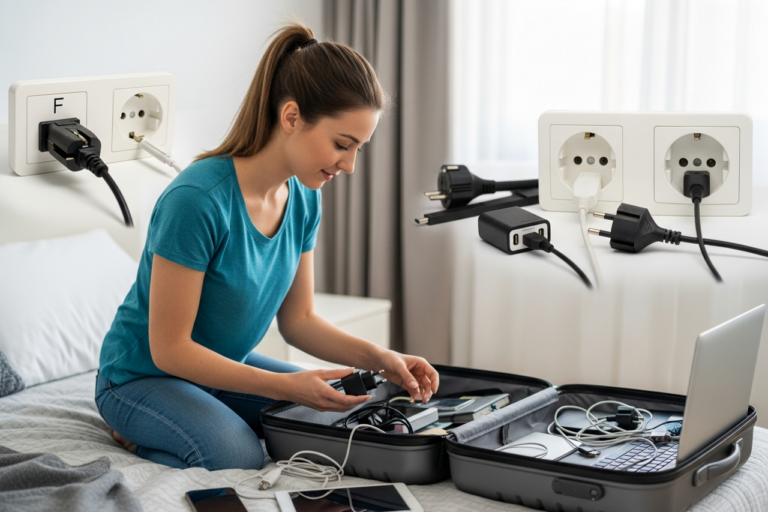
Type F sockets are called “Schuko” sockets. They have a round shape and two round holes for the live and neutral pins. There are also two clips, at the top and bottom, for grounding. Type C plugs have two round pins too. These can go into type F sockets.
Here’s a quick look:
-
Type F Sockets: These are the sockets you mostly find in Croatia. They are round, with two holes for pins and grounding clips.
-
Type C Plugs: These plugs have two round pins. They can fit in type F sockets.
-
Compatibility: If you have been to other places in Europe like Germany, Spain, or the Netherlands, you will know these plug types and sockets.
Plug Compatibility for Canadian Travellers
If you are from Canada and you want to use your electronic devices in Croatia, the plugs you have, Type A and Type B, will not match the sockets there. You need to bring a travel adapter with you. This adapter just lets your plug go into the socket. It does not change the voltage.
Before you leave home, look at the power supply label on your device chargers. Some gadgets can handle both Canadian and Croatian voltages, which is known as dual voltage. If your devices are dual voltage, you only need a travel adapter for Croatia.
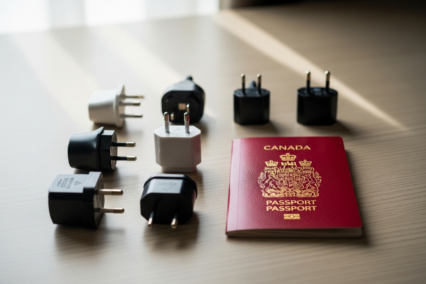
A universal travel adapter is a smart buy if you plan on going to other places too. These adapters have different plug types built into them. This helps you use your devices in many countries without buying another adapter for each trip.
Croatian Voltage and Frequency Explained
The electrical system in Croatia uses a voltage of 230V and a frequency of 50Hz. In Canada, the voltage is 120V and the frequency is 60Hz. It is important to know this, because it can affect the safety of your electronic devices.
Many new electronic devices can work with the Croatia power supply. But some cannot. If you plug a device that is made for 120V into a 230V outlet, it may break. Check the details on your device before you plug it in. You might need a converter or transformer to make sure it works safely.
Impact on Canadian Devices and Laptop Charging
The higher voltage in Croatia can pose a risk to your Canadian electronic devices if they aren’t compatible. Most modern items like laptops, smartphones, and camera chargers are dual voltage, meaning they can automatically adapt to the 230V power supply. You can verify this by looking for text like “INPUT: 100-240V, 50/60Hz” on the device’s charger or power brick.
If your device is dual voltage, you only need a simple plug adapter. However, if your device is single voltage (rated only for 110-120V), you must use a voltage converter. Plugging a single-voltage device directly into a Croatian outlet will likely fry its internal components. This is especially common with high-powered items like certain hair dryers or curling irons.
Here’s a quick comparison to help you understand the differences:
|
Feature |
Canada |
Croatia |
|---|---|---|
|
Voltage |
120V |
230V |
|
Frequency |
60Hz |
50Hz |
|
Plug Types |
Type A & B |
Type C & F |
Do You Need a Converter or Adapter for Croatia?
Deciding if you need a converter or an adapter depends on what you want to use. A travel adapter changes the plug shape so it fits the plug types at your spot. A converter changes the voltage, so your devices do not get damaged. You will need an adapter for the different plug types, but you will only need a voltage converter for some things.
Check your things before you pack. If your device says “dual voltage” (100-240V), you only need an adapter. If it says “single voltage” (110V or 120V), you need a voltage converter. Most things that make heat, like hair dryers, will need a converter.
Here’s a simple list to help out:
-
Adapter Only: Use this for dual voltage stuff like laptops, phone chargers, and camera chargers.
-
Adapter + Converter: You need both if your things are single voltage.
-
Common culprits: Be careful with single-voltage hair dryers, straighteners, and electric shavers. They can break if you do not use a converter.
-
Buy Before You Go: Get your travel adapter or converter in Canada so it is easy, cheaper, and you are ready for your trip.
Conclusion
When you go to Croatia, you need to know about the electrical outlets. Most places there use Type C and Type F plugs. If you are from Canada, make sure you bring the right adapter so your devices will work and stay charged. You should also check the local voltage and how often the current changes to stop any problems with your things. It is important to have your items ready and make sure they will work when you get there. This way, you will be able to enjoy your trip in Croatia without any trouble. If you have questions about type C or type F plugs, or the voltage there, you can ask for help or get more information. Have a good trip!
Frequently Asked Questions
Can I use North American plugs in Croatia?
No, you will not be able to use North American plugs right away in Croatia. The sockets in Croatia are type C and type F, and they do not work with Canadian plugs, which are type A and type B. You will need a travel adapter that fits these sockets. Sometimes, you may also need a voltage converter, if the voltage and your electronics do not match.
Where should Canadians buy Croatia-compatible adapters?
Canadians can get a travel adapter for Croatia at most electronics stores, travel shops, or from online sellers. It is a good idea to buy a travel adapter before you go on your trip. You might want to get a universal travel adapter because you can use it again for other trips. Some travel adapters also have USB ports, so you can charge more than one device at the same time.
Do most Croatian hotels provide power adapters for guests?
Some fancy hotels may have a few power adapters that guests can borrow. But this is not something they offer to everyone. So, you should not count on the hotel to provide a travel adapter. It is always a good idea to bring your own travel adapter. This way, you know you will have the power supply you need.