Key Highlights
-
The united states mostly use type a and type b electrical outlets. These are usually fine to use with canadian devices.
-
The voltage in the united states is 120v, and it runs at 60 hz. Canada’s electrical system uses almost the same setup.
-
Most appliances and electronics from canada will work in the united states. You do not need a voltage converter because the systems have good compatibility.
-
The plug types look the same, but you could find some older places in the united states that only have type a outlets without the grounding pin.
-
If you are coming from canada, you do not need a travel adapter for most trips to the united states.
Introduction
Are you planning a trip from Canada to the United States? It can be fun every time you go somewhere new. But you might have some things you need to know, especially about your tablets and other gadgets. Will your phone charger, laptop, or other items work over the border? The good news is that the electrical systems in Canada and the United States are a lot alike. This makes it easy for you to get ready for your trip. This guide will help you know what you need to use your things in the US.
Overview of Electrical Outlets in the United States
When you travel in the United States, you will find two main kinds of electrical outlets. These are Type A and Type B. People use these in North and Central America. It is good to know about these plug types so your devices can be charged and ready to use.
You should also know about voltage and how often electricity switches (frequency). The voltage in the United States is close to what you use in Canada. That means you may not need an adapter or a converter. Now, let’s look more at the details of these electrical outlets. We will also see how they are like, or different from, the ones you use at home.
Key Differences Between US and Canadian Electrical Outlets
For the most part, electrical outlets in the United States and Canada are the same. Both use Type A and Type B plugs. The voltage in both is almost the same. This means you can plug your Canadian devices into a US outlet without problems. The plug shapes match up, so they work both places.
But you might see some small differences. In the United States, some older buildings may still have Type A outlets that don’t have a hole for a grounding pin. In Canada and the US, new buildings must have grounded outlets with the third pin, but you can still find old sockets if you travel.
It’s also good to know the physical plugs are the same, but rules about code compliance can be a bit different in each country. Most people will not have trouble plugging in or using their devices safely because of this.
Most Common Outlet Types in American Homes (Type A & B)
In homes across America, you often see two main electrical outlets. The National Electrical Manufacturers Association, or NEMA, sets the standard for these outlets. They are called Type A and Type B.
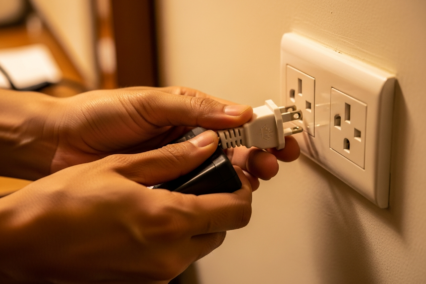
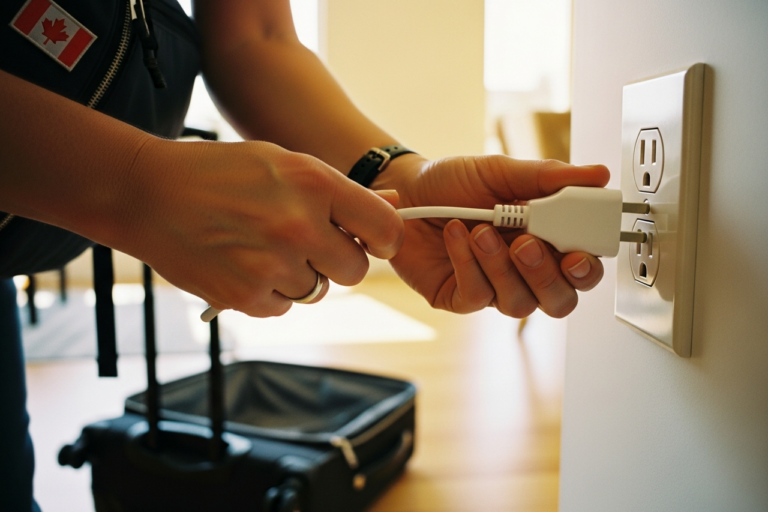
Type A is the older style, and you can spot it by its two flat parallel slots. You usually find this type in older homes. It is not allowed in new buildings anymore. Type B is what you see in most new houses. It has two flat parallel prongs plus a round grounding pin. This grounding pin is there to help keep people safe from shocks.
Here is a quick look at the common plug types:
-
Type A: Has two flat parallel prongs and does not have a grounding pin.
-
Type B: Has two flat parallel prongs and a round grounding pin. It is the plug you see the most in new homes.
-
Both Type A and Type B plugs can be used in a Type B outlet.
-
You cannot use a Type B plug in a Type A outlet, because the grounding pin will not fit.
Type B plugs and outlets are the most popular choice now, and you still might see Type A in some older homes.
US Plug Types and Compatibility
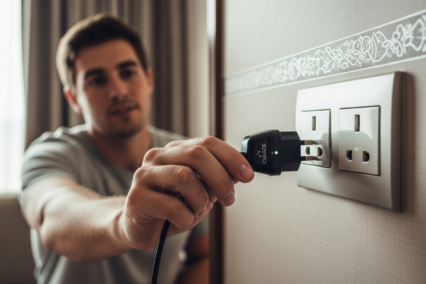
Understanding plug type compatibility is easy when you travel from Canada to the US. Both places use type A and type B plugs. So, you will have no trouble using your Canadian plugs in American electrical outlets. They fit right in.
Since there is a high level of compatibility, you won’t need a plug adapter. Some newer adapters do have extra USB ports. This lets you charge more devices in one outlet, which is useful. Still, you don’t need them just for compatibility.
Which Plugs Fit US Electrical Outlets?
US electrical outlets are designed to accept specific plug shapes. The most common outlets you’ll find are Type B, which are backward-compatible with Type A plugs. This makes things very convenient for travellers from countries that use these standards.
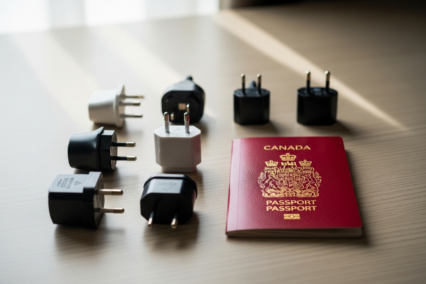
If you are travelling from Europe or other parts of the world, you will find that plugs like Type C will not fit into a US outlet without an adapter. The prongs on Type C plugs are round, whereas US plugs have flat blades. Therefore, an adapter is necessary to bridge this physical difference.
Here is a simple table outlining plug compatibility with US outlets:
|
Plug Type |
Fits US Outlet? |
Notes |
|---|---|---|
|
Type A |
Yes |
Fits both Type A and Type B outlets. |
|
Type B |
Yes |
Fits Type B outlets only. |
|
Type C |
No |
Requires a plug adapter. Prongs are the wrong shape and size. |
Are Canadian Devices Compatible With US Outlets?
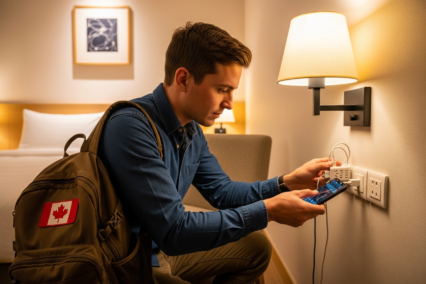
Yes, Canadian devices work with US outlets. This is great for people from Canada when they travel south. The electrical systems, plug shapes, and voltage are almost the same in both places, so you will not need a voltage converter, plug adapter, or any other equipment for most appliances.
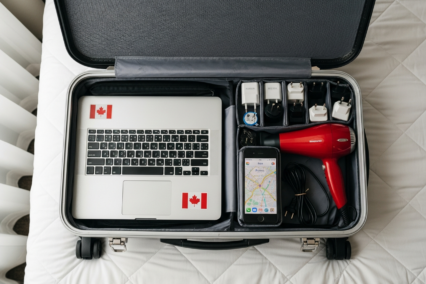
You can plug your Canadian laptop, phone charger, or hairdryer right into a US wall plug. The plug pin shape is the same, so things fit in without a problem. This compatibility with plug shapes and electrical systems really helps you pack with less stress for trips across the border.
Since the voltage is the same, there is no need for a converter. The matching plug means you don’t need an adapter either. Just pack your devices and chargers like you would for a trip inside Canada, and you will be ready to go.
Voltage and Frequency in the United States
The power supply in the United States uses a set voltage and frequency. When you plug something in, you get 120 volts, and the power comes at 60 hertz. People in all homes and small businesses across the country use this standard.
This is key for anyone coming from another country. Using a device with the wrong power supply can break it. But if you are from Canada, this is nothing new. The power supply is the same as what we use at home. This makes it easy when you are in the United States. You can use your electronics without any trouble.
Standard Voltage and Frequency Used in US Outlets
The usual power supply for electrical outlets in the United States is 120 Volts with a frequency of 60 Hertz. This has been the standard for a long time in American electrical systems. You will see this for almost all home outlets that you use.
This 120V with 60Hz is used a lot in North America. It gives a steady and safe way to run most of the things you plug in, like a phone charger or a TV. A small number of bigger appliances need more, so they use a 240V circuit. But most wall outlets will still be at 120V.
When you travel, it is good to know the power supply standard in the place you visit. If your device is made for another voltage, it might get damaged in the United States. But Canada uses the same 120V and 60Hz power supply. Because of this, your devices from Canada will work the same with electrical outlets in the United States.
Will My Canadian Appliances Work in the US?
Yes, your appliances from Canada will work in the United States. Both the US and Canada use a 120V/60Hz electrical system. This means your single-voltage devices from Canada are compatible. You will not need a voltage converter or a plug adapter. This makes travel packing much easier.
To check if your appliance will work, look at the information label. You can often find it on the power cord, the plug, or the device itself. Most Canadian appliances say they use 110-127V. That matches the US standard, so you do not have to worry. Many electronics today show “Input: 100-240V”, so they can be used in many places around the world.
You can bring your hairdryer, electric razor, laptop charger, or other appliances with you. The power systems in the US and Canada are the same, so you can use your things normally without a converter or an adapter.
Conclusion
To sum up, it is good to know about the differences in electrical outlets between Canada and the United States. When you travel, this helps you stay safe and makes things easy. The plugs, voltage, and the use of a travel adapter can be different in each place. So, knowing about these things can help you avoid problems. Make sure to check if your appliances will work or if you need an adapter before you go. This way, you get a better trip and can use your devices without trouble. If you are not sure about your plug, voltage, or adapter needs, check again before plugging something in. Have a great time on your trip to the United States! If you want to know more or have questions, you can reach out for help.
Frequently Asked Questions
Do I Need a Travel Adapter When Visiting the US From Canada?
No, you do not need a travel adapter when you go to the United States from Canada. The United States and Canada both use Type A and Type B plugs. Your plugs from Canada will fit right into outlets in the US. You do not have to buy a plug adapter or a universal adapter because there is no problem with compatibility.
Is It Safe to Use Power Strips or Extension Cords in US Outlets?
Yes, you can use power strips and extension cords that you get in the United States. Just make sure they look good and work as they should. They also need to be approved by a known safety group. If you need to do any wiring that will stay in your place for a long time, you should talk to a licensed electrician. This is the best way to follow code compliance rules and keep things safe.
Where Can I Buy Travel Adapters and Converters for US Power Outlets?
If you are coming to the United States from a country that isn’t Canada, you may need a travel adapter. It is easy to get one in the US. Major online stores like Amazon and eBay offer many, so you can order before you fly. You will also find an adapter at airports and in electronics shops once you get there.