Key Highlights
Here’s what you need to know about electrical outlets in the Philippines:
-
The Philippines uses Type A, B, and C electrical outlets.
-
The standard voltage in the Philippines is 220V, and the frequency is 60Hz.
-
You will find that Canadian plugs (type A and B) can fit into most sockets, so you may not need a plug adapter.
-
If your Canadian devices are only built for one voltage and not rated for 220V, you will need a voltage converter.
-
Using a travel adapter is a good idea, especially if you come across type C sockets.
-
Always check if your device can handle the voltage before you plug it in.
Introduction
Planning a trip to the beautiful islands in the Philippines? This is an exciting time. But you should not forget about how you will use your electrical appliances when you get there. If you arrive and find you cannot charge your phone, that can really be a problem. No one wants that on their holiday. In this guide, you will find what you need to know about electrical outlets, plug types, and voltage in the Philippines. You will also know which travel adapter to take. This way, you can keep all your devices safe and charged through your whole trip.
Understanding Electrical Outlets and Plug Types in the Philippines
When you go to the Philippines, you will see there are a few different kinds of electrical outlets to use. The country has three main plug types, so not every socket will be the same. This is something you will also find in other parts of Asia, like in Malaysia, or Vietnam, where there can be changes with sockets.
Because there is this mix, it is good to know what plug types are the most common in the Philippines. That way, you can make sure your devices will fit into the power supply there. It helps you know if your things from Canada will go right into the outlet or if you will need to bring a travel adapter for some sockets. Now, let’s see which plug types you will find in the Philippines.
Common plug types used across the Philippines
The Philippines uses a mix of plug types in many places, and this can be confusing for people who go there. The ones you see the most in the country are Type A and Type B. These are the same as the North American plugs. You might also see Type C outlets in some spots. If you know each plug type, you will be ready during your stay.
It is good to know what each plug looks like because that can help you avoid trouble. Sometimes, one socket can fit more than one plug type. But that is not always something you should count on every time.
Here is a look at the plug types used in the Philippines:
-
Type A: This kind of plug has two flat parallel pins. It is the same as ungrounded plugs from Canada.
-
Type B: This plug has two flat parallel pins plus one round pin for grounding. It is like the grounded one you find in Canada.
-
Type C: This one has two round pins and is often called the Europlug.
With these tips, you can see which plug type you will need for your sockets and devices when you travel in the Philippines.
Compatibility of Canadian plugs with Philippine sockets
Good news for Canadian travellers! When you go to the Philippines, you will find that the country mostly uses type A and type B power sockets. This means your Canadian plugs will fit most of the time. You do not need to use a plug adapter like you would in Europe or other parts of Asia. The sockets in those places are different from what you use in your home country.
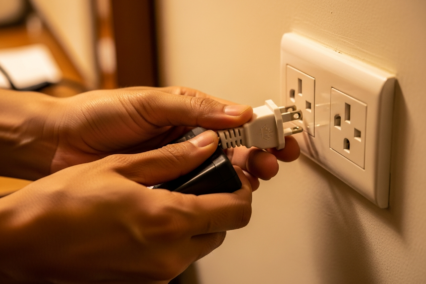
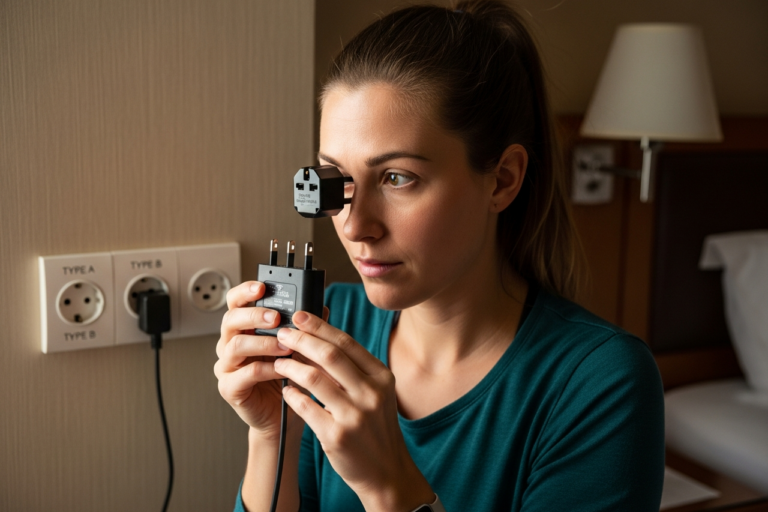
You can see if your plug is going to fit just by looking at the socket. If you see two flat slots going up and down (type A) or two flat slots with a D-shaped hole under them (type B), your Canadian plugs are good to go.
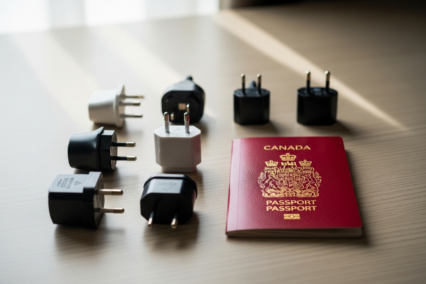
But there are times when you may see a type C socket. These are rare, but your Canadian plugs with flat pins will not work with type C. Because of this, it is a good idea to take a universal plug adapter with you. One that has the type C option will make sure you have no trouble with compatibility during your trip.
Voltage and Frequency Standards in the Philippines
Besides how the plug looks, the big thing to watch for is the voltage and how often the electricity goes back and forth (that’s the frequency). In the Philippines, the supply voltage from the wall is usually 220V, and the frequency is 60Hz. This is not the same as Canada’s electrical grid, so if you plug something in that isn’t made for it, it can be unsafe.
It is important to know this so your electronics don’t get ruined. Lots of hotels now have sockets that fit different kinds of plugs. Still, the power supply is almost always 220V in the Philippines. You should always check the voltage on your device first before you use any wall sockets or plug it in over there. Here’s a look at how electrical systems in Canada and the Philippines compare.
Comparison between Canadian and Filipino electrical systems
The primary difference between the Canadian and Filipino electrical systems lies in the voltage. Canada operates on a standard voltage of 120V, whereas the Philippines uses a much higher supply voltage of 220V. The frequency, however, is the same in both countries at 60Hz.
This voltage difference is crucial. If you plug a single-voltage Canadian appliance (rated only for 110-120V) into a 220V outlet, you risk permanently damaging it. Many modern electronics like laptops and phone chargers are dual-voltage and can handle a range from 100V to 240V. Always check the label on your device.
Here is a simple comparison:
|
Feature |
Canada |
Philippines |
|---|---|---|
|
Standard Voltage |
120V |
220V |
|
Frequency |
60Hz |
60Hz |
|
Common Plug Types |
Type A, Type B |
Type A, Type B, Type C |
Using voltage converters and travel adapters for Canadian devices
If you want to use your Canadian devices in a place that has a different voltage, you need to be careful. What you need depends on if your appliance is single-voltage or dual-voltage. If you have dual-voltage electronics, you do not need much. These devices are made for people who travel to other countries. They adjust to different voltages on their own. Sometimes you may just need a plug adapter or travel adapter for Type C sockets.
If you have single-voltage devices that only run on 120V, you must use a voltage converter. This could also be called a step-down transformer. The converter will take the 220V from the wall outlet and make it safe for your device by changing it to 120V. It’s very risky to plug high-power items like hair dryers or other single-voltage appliance into a different voltage without a converter. If you do that, you may burn the motor or start a fire. You can find a good voltage converter or travel adapter on Amazon before you leave for your trip.
Here is what to look for:
-
Dual-voltage device (e.g., laptop charger): You will not need a voltage converter. You may need a travel adapter or plug adapter for Type C sockets.
-
Single-voltage device (e.g., some hair dryers): A voltage converter is needed for your appliance to work safely.
Conclusion
To sum up, it is important to know about the electrical outlets and voltage in the Philippines if you are Canadian and want an easy trip. Make sure you know the kind of plugs used there. You should also check if you need a voltage converter for your things. This information can help you avoid problems. Check if your devices work with the local outlets so nothing goes wrong during your stay. By taking steps to be ready, you can charge your things without worry and enjoy your time in the Philippines. If you have questions or want help, you can get a free consultation.
Frequently Asked Questions
Can I safely charge my phone or laptop in the Philippines?
Yes, you can charge your phone and laptop with no trouble. Almost all new chargers for phones and laptops are made to work with two voltages. This means the charger will change on its own to match the 220V voltage you find in the Philippines. You do not have to get a voltage converter for these devices. You might only need a plug adapter if you find a Type C outlet there.
Are universal adapters suitable for use in Philippine outlets?
Yes, a universal travel adapter works well for the Philippines. Your Canadian plugs will fit into most sockets there. But a travel adapter will give you more help, as it covers the less common type c sockets, too. It’s a good all-in-one plug adapter that lets you use your devices just about anywhere you go in the country. This power plug adapter gives you more compatibility and keeps your things powered up.
How can I check if my appliance plug fits in Philippine hotel sockets?
To see if there is compatibility, check the sockets in your hotel room. If you find two flat, parallel holes (Type A) or an extra third hole for grounding (Type B), your Canadian appliance plug will fit. Most hotels have these sockets. Some new hotels now also have sockets that work with many plug types.