Key Highlights
Here are the main things you need to know when you use electrical outlets in Tanzania:
-
Type G (the UK three-square-pin plug) and Type D (three round pins) are the main plug types in Tanzania.
-
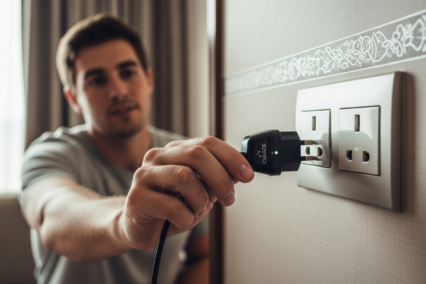
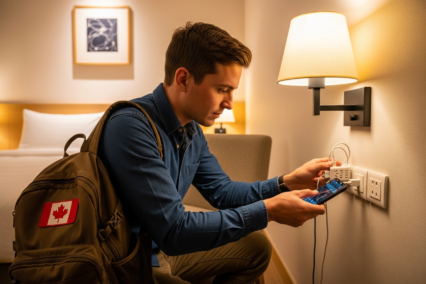
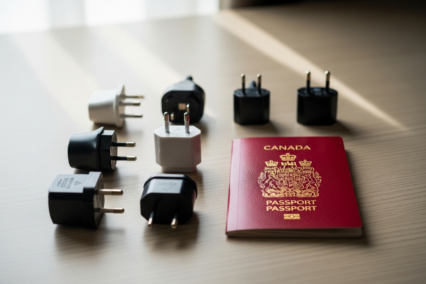
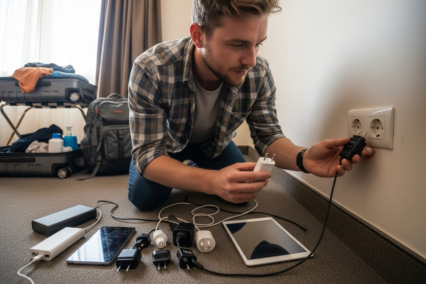
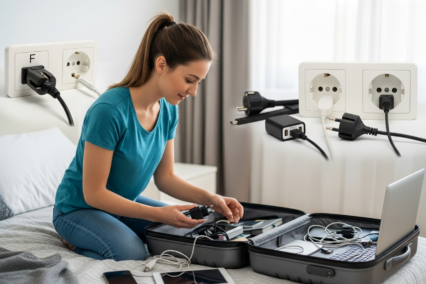
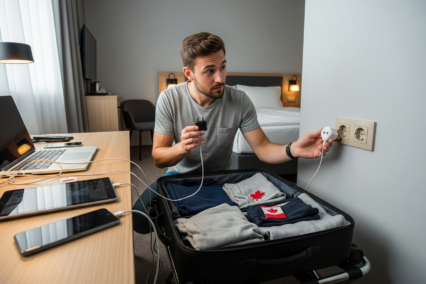
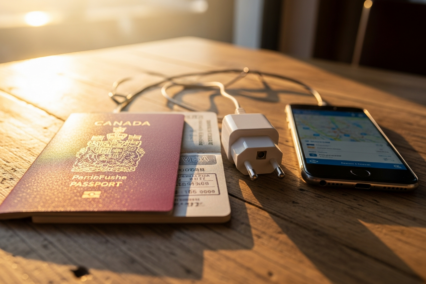
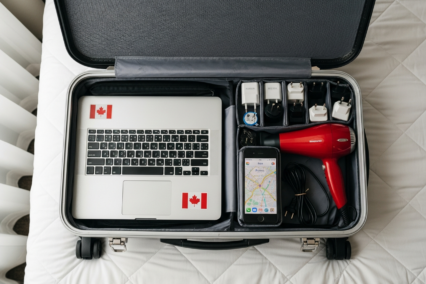
You will need a travel adapter if you want to use your Canadian electronic devices. Using a universal travel adapter is a good idea.
-
The power supply in Tanzania is 230V and 50Hz. Make sure your appliances are dual voltage, or you may need a voltage converter.
-
It is a good idea to bring a portable power bank, especially if you will go on safari or travel to remote areas.
-
Think about getting an adapter that has surge protection, since the electricity supply there can be a bit unstable at times.
-
It’s best to buy your adapters from sites like Amazon before you leave Canada. You will find a better selection and good prices.
|
Plug Type |
Description |
Commonality in Tanzania |
|---|---|---|
|
Type G |
The British three-square-pin plug. |
Very common, especially in newer establishments. |
|
Type D |
An older style with three round pins. |
Also common, but less so than Type G. |
Introduction
Are you getting ready to have an amazing time in Tanzania? When you pack your things, you have to think about how to keep your electrical appliances charged. The plug types and voltage in Tanzania are not the same as what we use in Canada. It is important to know about the local power supply. This helps you make sure your camera, smartphone, and other gadgets can keep working. In this guide, you will find what you need to know about plug types, voltage, and why a travel adapter is needed when you visit Tanzania.
Overview of Electrical Outlets in Tanzania
When you travel to Tanzania, you need to know about the power supply there. Tanzania uses 230V and 50Hz. In Canada, the system is 120V. The two are not the same. So, you must get ready before you use your devices.
The main thing to remember is your plug from Canada will not go into a Tanzania socket. The plug shapes do not match. You must use the right adapter for Tanzania. To help you out, let’s talk about the plug types you will find in Tanzania and where you may see them.
Common Plug Types (Type G and Type D)
Tanzania mainly uses two types of power plugs. There is Type G and there is Type D. It is good to know what both plugs look like, so you will know what you might get.
Type G is the most common plug you will see in Tanzania. It is the UK plug with three flat, rectangular pins. You will find it in most hotels and new buildings all around the country.
There is the Type D plug too. This one has three round pins set in a triangle shape. Type D is not as common now, but you might still come across it. This could happen if you go to older buildings or to remote locations in Tanzania.
-
Type G: Three flat, rectangular pins (the UK standard).
-
Type D: Three round pins in a triangle shape.
-
Other types: European and US-style two-pin plugs are very rare.
Availability of Outlets in Hotels and Public Spaces
In big cities like Dar es Salaam and Arusha, and in places where a lot of people travel like Zanzibar, most hotels give you power outlets in your room. Still, there may not be a lot of them. At times, you could see that there are just one or two spots in your room to plug things in.
If you leave the city for a safari or go into remote areas, you may not have a steady power supply. Many safari lodges use generators for power, and these often run just for a few hours each day. You will have to plan well to charge your phone or other items at the right time.
To be on the safe side, you should bring a power bank. This helps you keep your devices charged even if you do not find an outlet.
-
City Hotels: There are usually outlets, but not many.
-
Safari Lodges: Power supply sometimes works only at some hours during the day.
-
Public Spaces: You will not get much chance to charge things here, so do not count on it.
Voltage and Frequency Standards in Tanzania
Tanzania uses a power supply with a voltage of 230V and a frequency of 50Hz. This is very different from what we have in Canada, where the voltage is 120V and the frequency is 60Hz. This means that just having a plug adapter may not always be enough for your devices.
It’s important to check all the electronics you take before you plug them into the sockets in Tanzania. Many devices might not work with the higher voltage, and you could end up damaging them if you plug them in without checking. We will talk more about how to check your electronics and how a voltage converter can help in the next parts.
Compatibility with Canadian and International Devices
Before you plug anything into an outlet in Tanzania, you have to check if it’s going to work there. Look at your device’s charger or power brick. You will see a small label. If it says “INPUT: 100-240V, 50/60Hz,” your device is dual voltage. That means you only need a plug adapter and you’re good to go. Most new laptops, smartphones, camera chargers, and a lot of other devices use dual voltage.
But if your device shows only “110V” or “120V” on the label, then you have a single voltage device. This means you can’t plug it straight into a wall in Tanzania. If you do, it could burn out your device. A lot of hair dryers and electric shavers are like this. You will need a voltage converter or power converter so the device does not break.
A voltage converter, also called a transformer, helps turn the higher 230V power from the outlet into 120V. This way, your Canadian device will work. Always check how many watts your device needs so the converter you get will work well.
Risks and Safety Guidelines for Electronic Devices
Using your electronic devices in Tanzania can be risky because the power supply is not always stable. The electricity can cut out a lot, mainly in remote areas. Power surges happen from time to time and these can wreck your expensive gadgets.
It is a good idea to use a travel adapter with surge protection. This kind of adapter helps keep your devices safe from quick jumps in voltage. The power will often go out instead of surging, but it is always better to be safe.
Here are a few safety guidelines to follow:
-
Avoid leaving your devices plugged in and alone, especially overnight.
-
Unplug electronics during storms to keep them safe from power surges caused by lightning.
-
Always have a backup option for power, like a power bank that is fully charged, especially if you are in a remote area.
Travel Adapters and Converters for Canadians
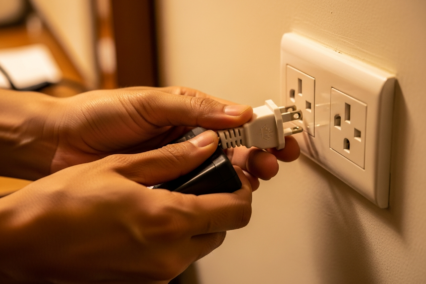
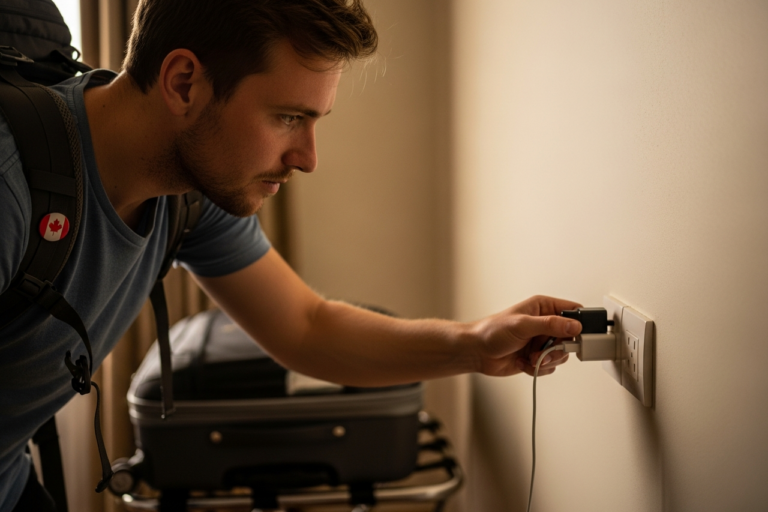
For any trip from Canada to Tanzania, you need a travel adapter. Tanzania uses Type G and Type D power plugs, so your Canadian plugs will not fit. A plug adapter lets you change the plug shape to match the socket.
Keep in mind that an adapter changes only the plug shape. It does not change the voltage. If your device is single-voltage, you will need a voltage converter as well. For easy use, it may be a good idea to get a universal adapter. This type can work with various plug types and sockets. You can find choices like this on Amazon.
When You Need an Adapter or Converter
Knowing how the plug adapter and voltage converter work is important. It helps to keep your devices safe. You may need the plug adapter or the voltage converter when you travel. Sometimes you may need both in Tanzania.
If your device is dual voltage (100-240V) but the plug shape does not fit the wall outlet, you just need a plug adapter. Many people in Canada find their devices need this in Tanzania, because the plug shapes are not the same. Your laptop or phone charger will nearly always need a plug adapter.
If your device is for single voltage (120V only) and you are using it in Tanzania, that is where they use 230V outlets, you need a voltage converter—or a voltage transformer. Using a device meant for one voltage without the right converter will hurt it.
-
Adapter: Use this for all dual voltage devices when you just need the plug shape to fit.
-
Converter: Use this for single voltage devices to change the voltage before you plug in.
-
Check compatibility: Always look at your device label before you use the outlet.
This way, your plug, adapter, charger, converter, or transformer will not get damaged. Knowing if your device is dual voltage or for single voltage helps you pick the right voltage converter or plug adapter for Tanzania.
Where to Buy Quality Electrical Adapters Before Your Trip
The best time to get your travel adapter is before you leave Canada. It can be hard to find a good one in Arusha. The stores in markets there might not have what you need, and you can’t always count on the quality or if they will be in stock. Buying your plug adapter ahead of time is a good idea. This way, you will be ready with a reliable adapter from the start of your trip.
You will find a huge selection of travel adapters on Amazon. You can read what other people say in the reviews. This can help you compare each universal adapter and figure out which one is best for you. Try to pick one that works with type G and type D plugs. You will then have more options, wherever you go. It’s also nice to have USB ports on your new adapter. Many universal adapters give you this.
When you buy a plug adapter, it is a good idea to go with a brand that people trust. Cheap ones may break or even be unsafe for you and your electronics. Spending a little more on a safe adapter will help you feel good about using it, and keep your things working well.
Tips for Charging Devices While Travelling in Tanzania
Keeping your devices ready to use in Tanzania can be hard, especially if you are on a safari or in remote locations. In these places, you may not have power any time you want. So, it’s good to have a plan. The best thing to do is bring a power bank with a big capacity. This will be a strong backup in case the power supply is not there.
Charge your devices each time you can. If you stay at a lodge that only gives you power for some hours at night, use that time to get your things charged. Having a charger with many USB ports is also smart. That way, you can use one outlet to charge more than one device at the same time. This is very useful on safari in Tanzania or any remote locations.
Charging Options in Safari Lodges and Remote Areas
When you’re on a safari, it can be hard to find places to charge your devices. Many lodges and camps in remote areas use generators. These generators often run just a few hours in the morning and evening. They do this to save fuel and keep things quiet.
During the hours when the power is on, most places have a central spot in the main area where you can plug in your devices. A few luxury lodges may have an outlet in your individual tent or room, but you cannot count on it. That’s why it is so important to have a travel adapter and a power bank as your backup. These will help you when you need to charge your gear.
Here are some practical charging tips for your safari:
-
Charge your power bank and all of your devices as soon as you get power.
-
Think about which device needs power the most and plug that one in first.
-
Bring a solar-powered charger, as it is a good backup for long trips away from camp.
Managing Power Outages and Ensuring Device Safety
Power outages can happen a lot in Tanzania, especially if you are not in a big city. The power supply is not always steady, so you should be ready for anything. The best way to make sure your phone and other devices keep working is to have a fully charged power bank with you.
You should also look out for power surges, which happen when the power turns back on. If you use a travel adapter that has surge protection, you can help keep your expensive things safe. This little adapter can keep your electronics from getting ruined. It is a good safety step that can help you out a lot.
If you plan to visit remote locations and want to feel relaxed about your things staying safe, you should follow these steps:
-
Unplug your charger and any devices from the wall when there is an outage.
-
Wait a few minutes after the power is back before you plug things back in. This helps you dodge the first surge.
-
Always have a backup plan ready, like keeping a power bank or a charged spare battery handy for your camera.
Conclusion
To sum up, it’s important to know about electrical outlets in Tanzania for an easy trip. If you know about the different plug types, the voltage, and the safety tips, you will be able to keep your electronic devices working the whole time you are there. Before you go, check if your Canadian appliances will work in Tanzania. You may also want to get good travel adapters and converters so your plug will fit. When you do this, you can enjoy everything in Tanzania and not worry about your devices. If you need help or have questions, just ask. Have a great time on your trip!
Frequently Asked Questions
Can I use my UK or EU appliances in Tanzania?
Yes, you can use your appliances. UK appliances have the Type G plug. This is the same plug type that people use in Tanzania, so you do not have to get an adapter. But EU appliances have two-pin plugs. You will need an adapter to use these in Tanzania.
Both UK and EU appliances work on 230V. The voltage in Tanzania is also 230V, so you will not need a converter for your appliances.
What should I do if my device plug doesn’t fit the socket?
If the plug you have does not fit, you will need a plug adapter. It’s a good idea to have a universal adapter that works with a lot of different plug shapes. Do not attempt to put your charger in the socket if it won’t go. Some hotels might offer an adapter if you ask, but it’s still best to bring your own plug adapter or universal adapter when you travel.
Are electrical outlets safe to use throughout Tanzania?
In most cases, the power supply is safe to use. But in some remote areas, the power can go up and down quickly. This can cause power surges. To stay safe, it is a good idea to use a travel adapter that has surge protection. Also, do not leave your devices plugged in without watching them. This can help protect your things from getting damaged if there is a problem with the power supply or if surges happen.