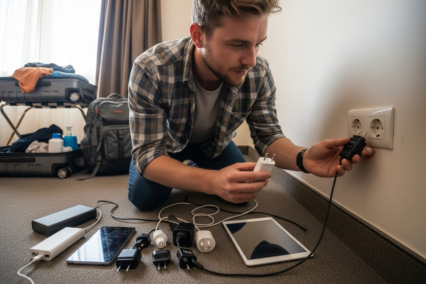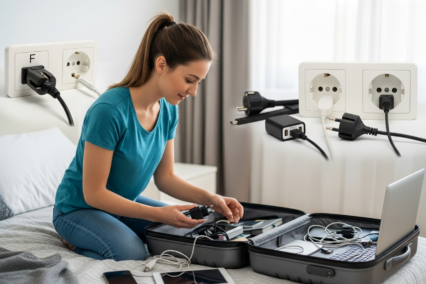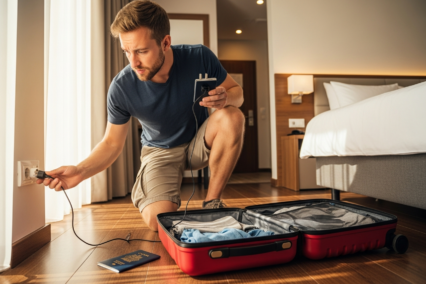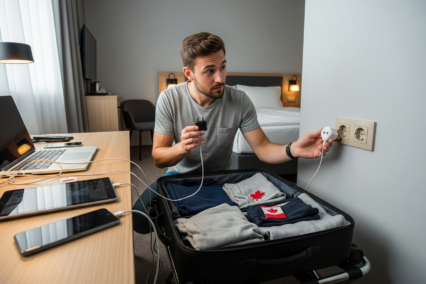
Key Highlights
Here’s what you need to know about using electrical outlets in Switzerland:
-
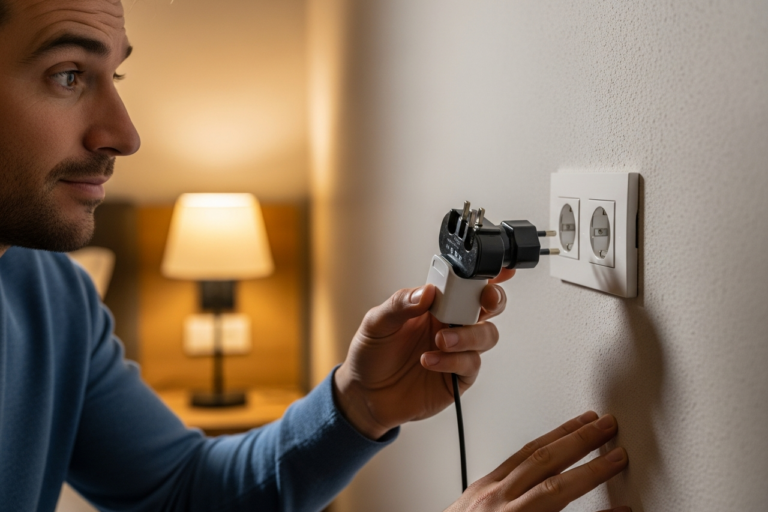
Switzerland uses special Type J sockets. These have three round pins.
-
Some two-pin Type C plugs from Europe can fit, but many other European plug types will not.
-
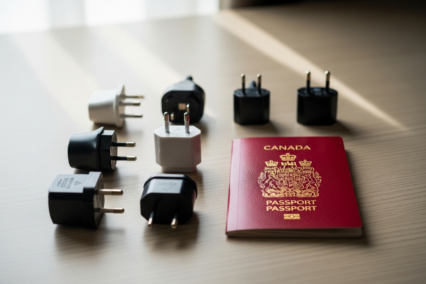
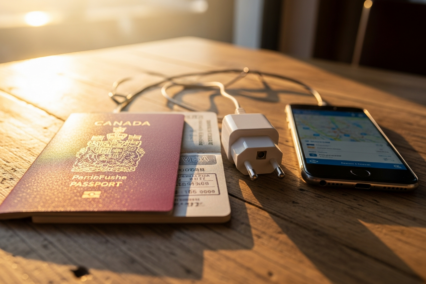
If you are coming from Canada, you will need a Type J travel adapter because your plug shapes are different.
-
The voltage in Switzerland is 230V. You should check your devices to see if they are good to use or if you need a voltage converter.
-
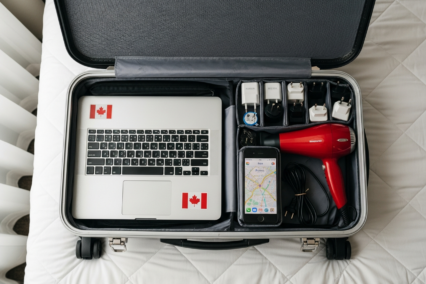
Most new electronics like laptops and phones are dual voltage. That means you only need a plug adapter, not a voltage converter.
-
It is smart to buy a travel adapter in Canada before you go.
Introduction
Planning a trip to the amazing mountains and cities in Switzerland? That is sure to be a good time! There is so much to see and do. Before you start to think about chocolate and mountain views, you will need to think about something important—your electronics. You do not want to get to Switzerland and find out your phone is out of power with no way to charge it. This guide is here for Canadians who plan to visit Switzerland. You will learn all you need to know about plugs, sockets, and how to pick the right adapter to make sure your devices stay charged the whole time you are there.
Understanding Electrical Outlet Types in Switzerland
When you see a wall socket in Switzerland, you will see it looks different from the ones you see back home. The main socket used is the type J socket. This socket is found mostly in Switzerland and a few other places. It has a special shape and is made for certain plug types.
The main socket is type J, but many of them will also work with the thin, two-pin type C plugs that are used in much of Europe. Still, not every plug from Europe will fit. In this guide, we will talk about the main type J and type C plug types you will come across. You will also learn why plugs from Canada will not work in Swiss sockets unless you have some help.
Overview of Swiss Plug Types: Type J and Others
Switzerland uses a national standard for its electrical system called the Type J plug. This is the main plug type you will see in the country. It has three round pins set in a triangle shape. This makes it different from plugs in other nearby countries.
The most common plug types you will find are:
-
Type J: This is the standard Swiss plug with three round pins. Two give power, and the third, set off to the side, is for grounding. Many new Type J sockets are recessed to make them more safe.
-
Type C: This is called the Europlug. It has two round pins. You will see it on a lot of small electronics. Because it is slim, you can use these type c plugs in Type J sockets.
Keep in mind, even though type c plugs will fit, bigger plugs that need grounding, like Type F from Germany or Type E from France, will not work with Swiss sockets. Their size and how they are grounded stop them from fitting. That is why having the right adapter for Swiss sockets is so important when you want to use other plug types in Switzerland.
How Swiss Outlets Differ from Canadian and European Plugs
Swiss sockets stand out because they don’t conform to a single European standard. While the slim Type C plug is widely compatible, the grounded Type J system is unique. This often catches travellers off guard, especially those coming from other European countries who assume their power plugs will work everywhere.
Unlike Canadian plugs with their flat blades, Swiss plugs use round pins. The key difference between Swiss plugs and many other European ones is the shape and the grounding pin. For example, German Type F plugs have grounding clips on the side, and French Type E plugs have a female contact for a grounding pin, neither of which align with a Swiss socket.
Here’s a quick comparison of common plug types and their compatibility with Swiss Type J sockets:
|
Plug Type |
Common In |
Compatible with Swiss Sockets? |
|---|---|---|
|
Type A/B |
Canada/USA |
No, adapter required. |
|
Type C |
Europe |
Yes, if it’s the slim 2-pin version. |
|
Type F |
Germany |
No, adapter required. |
|
Type G |
UK/Ireland |
No, adapter required. |
Voltage and Frequency Standards in Switzerland
Besides the shape of the plug, you should also think about the power supply when you are in Switzerland. The electricity in Switzerland runs on a standard voltage of 230V and a frequency of 50 Hz. This is the same as in many places in Europe, but it is not the same as what you will find in Canada.
It is important to know there is this difference in voltage. If you plug in something made to work with lower voltage into a 230V outlet, it could break for good. Next, we will look at how the voltage in Canada compares to Switzerland and Europe, and talk about what this means for your appliances.
Comparing Swiss Electrical Specifications to Canada
The way electrical systems work in Canada is not the same as in Switzerland. In Canada, the power supply is 120V and runs at 60 Hz. But in Switzerland, it is 230V and 50 Hz. The big thing you need to know is the voltage is much higher in Switzerland.
Because the voltage in Switzerland is almost two times higher than what you have at home in Canada, you cannot just use any Canadian appliance over there. If you plug a device that is only meant for 120V into a 230V outlet, it could hurt your device. It may even make it unsafe to use. This is why you may need more than just an adapter for your plug.
If your appliance or device can only work with one voltage and does not support 230V, you must use a voltage converter or step-down transformer. This converter will bring the high voltage in the Swiss wall down to a level that is safe for your appliance. But now, a lot of newer electronics can manage this change in voltage by themselves.
Compatibility Considerations for Devices and Appliances
So, how can you tell if your Canadian appliance is going to work in Switzerland? The answer is to check the power label on your device. You will find this on the charger, or right on the appliance. This tiny bit of writing has key details about compatibility. You want to look at the “INPUT” voltage range.
A lot of new electronics, like laptops, phone chargers, and camera chargers, are made for travel. They are called “dual voltage” because they support many different voltages, usually from 100V to 240V. If your device shows this on the label, that’s good news! You just need an adapter to plug it in. You will not need a voltage converter.
But some things, like hair dryers, curling irons, or electric razors, are not “dual voltage.” These are called “single voltage,” and you might see something like “INPUT: 120V.” You will need a voltage converter to use these appliances safely in Switzerland. If you try to plug in a single voltage device without a converter, it can break.
Choosing the Right Adapter and Converter for Your Trip
Now that you know the differences in plugs and voltage, you should pick the right gear for your trip. Most people just need a travel adapter. Your main job is to get a travel adapter that fits your Canadian plug into the Swiss Type J socket.
If you have devices that only use one voltage, you’ll need a voltage converter. An adapter changes the shape of the plug, but a converter changes the voltage of electricity. Let’s go through how to find the right adapter and when you really need a converter.
Identifying Suitable Adapters for Swiss Outlets
When you shop for a travel adapter, make sure you know what to get. Look for the one that says “Type J” or that it is for use in Switzerland. Don’t just pick any “European” adapter because most are made for Type F sockets, and these don’t fit in the special Swiss sockets.
A proper Type J adapter has the three-pronged Swiss plug on one side and places for your Canadian plugs on the other side. Even though slim Type C plugs might fit in Swiss sockets, your plugs from Canada will not, so you will need an adapter. If you need to charge many things, get a universal adapter with a type j setting. This can be helpful on your trip.
Here is what you should check:
-
The package should say “Type J” or “Switzerland”.
-
It should have three pins that match type j swiss sockets.
-
It needs a place that grounds your Canadian plugs if they have the third pin.
It is a good idea to know about your plugs, the sockets you want to use in Switzerland, and bring the right adapters for your trip.
Power Converters vs. Plug Adapters: What Canadians Need for Switzerland
It’s easy to mix up a plug adapter with a voltage converter, but they are not the same thing. A plug adapter just changes the shape of your plug. This lets your device fit into a Swiss outlet. It does not change the voltage or type of electricity that comes through.
A voltage converter, or transformer, is bigger, heavier, and does a different job. It lowers the voltage from 230V down to 120V. This is what some Canadian appliances need. Use a voltage converter only if your device is not dual voltage. Most electronics today, like laptops and phones, do not need a voltage converter. They are made to work with both voltages.
For your trip to Switzerland, you will need a plug adapter for your charger or devices. Bring a voltage converter only if you want to use something that is not dual voltage, such as some hair dryers or shavers. It’s always good to check the compatibility of your appliance first. That way, you don’t buy things you don’t need and carry extra weight in your bag.
Using Electronic Devices in Switzerland
Once you get to Switzerland with the right adapter, using your electronic devices will be simple. You can charge your phone, camera, tablets, and laptops so they are always ready when you need them. The power sockets in hotels, cafes, and airports are easy to find and work well.
With the correct adapter, all you have to do is plug your device in. It doesn’t take much. The most important things are making sure there are enough sockets for all your gadgets and being careful with safety when you use them. Here we will talk about how to charge your must-have devices the safe way and what you can expect with power sockets at different places in Switzerland.
Charging Phones, Laptops, and Cameras Safely
Charging your main electronics like phones, laptops, and cameras in Switzerland will be safe, as long as you follow a few easy rules. Most of these devices use dual voltage, so the 230V in Switzerland will not harm them. All you need is a Type J adapter.
Chargers and power bricks from reputable brands are made to work with both 50 Hz and 60 Hz. This means the difference between Canada and Switzerland’s frequency does not matter. Always use the charger that came with your device or pick a good-quality replacement for safe charging.
To keep your devices safe while charging, try these tips:
-
Check the Label: Look at your device’s label to see if it has dual voltage (100-240V) before you plug it in.
-
Use One Adapter at a Time: Do not use more than one adapter on top of another. That can make a fire risk.
-
Avoid Overloading: Try not to plug many high-power items into one outlet, even with a power strip.
With the right adapter and these tips, you can feel good about using your electronics with dual voltage in Switzerland.
Tips for Hotel Rooms and Public Spaces
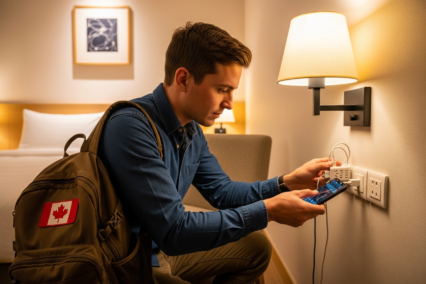
Swiss hotels usually give you a good amount of power sockets. But, you might find that there are not enough outlets near the bed, or they might not be easy to get to for all your gadgets. With a little planning, you can make your stay feel much nicer.
One good travel tip is to bring a small and portable power strip on your trip. This can help you charge more than one device by using just one power socket and a travel adapter. Always check that your power strip works with 230V so it is safe to use. In busy places like airports and cafes, it can be hard to find a free power socket. Having your own charger with many ports can be a big help.
Here are some ways to manage power in a hotel or when you go out:
-
Pack a Travel Power Strip: Plug it into one wall socket to charge all your devices at once.
-
Look for USB Ports: There are many hotels and trains now that have USB power sockets built in. This means you do not need to use your travel adapter every time.
-
Carry a Power Bank: Bring a portable battery so your phone stays charged while you are exploring or out for the day.
Safety Tips for Electrical Usage in Switzerland
Switzerland has a safe and up-to-date electrical system. But it is still a good idea to use care when working with electricity in any other country. Swiss sockets have a recessed shape that helps keep you safe by making accidental touch less likely. Still, you need to be careful.
Knowing how to spot common electrical hazards or unsafe swiss sockets will help keep your trip trouble-free. Keep reading for the best ways to stay safe and things to watch out for.
Remember these tips to make the most of your time in Switzerland and use the sockets safely.
Best Practices for Avoiding Electrical Hazards
Your safety needs to be the main thing you think about when you use electronics, no matter if you are at home or in a new place like Switzerland. The biggest risks with electricity for travellers in Switzerland are using the wrong products or using things that are broken. Most problems can be stopped if you just stay aware.
Do not try to push a plug into a socket if it does not go in easily. If you jam a plug, you could break the plug or the Swiss socket, and this could cause sparks or poor connection. Use the right Type J adapter for the best and safest fit. You also need to watch where you keep your charging things—keep them away from water, like in bathroom sink areas.
Here are some important things you should always do for safety:
-
Inspect Your Cords: Do not use any chargers or cables that have worn-out wires or show damage.
-
Keep Electronics Dry: Never use plugs or any device with wet hands, and do not let them get near water or other liquids.
-
Unplug When Not in Use: It is smart to unplug all chargers and adapters from the wall when you are not using them.
This way, you can use plugs and your adapter safely in Switzerland.
Recognizing Signs of Unsafe Outlets or Wiring
While you will not see many unsafe outlets in Switzerland, it is still a good idea to know what to watch out for. This is true even in hotels or new buildings. If you see an outlet that is damaged or not working as it should, do not use it. Let hotel staff or a manager know about it.
The outlet should hold your plug tight. If your plug feels loose or comes out without much effort, the contacts inside might be worn down. This means the outlet does not grip well. It can make a bad connection and could even start a fire. If you notice strange sounds or smells coming from the outlet, this means something is wrong.
Here are some signs to keep in mind with unsafe outlets or wires:
-
Visible Damage: Be on the lookout for cracks, burn marks, or spots that look different on the outlet cover.
-
Sparks or Buzzing: If you see sparks or hear a buzzing when you plug something in, stop right away. Use another outlet instead.
-
Excessive Heat: If an outlet or your plug gets much hotter than normal to touch, it might be a problem with the wiring.
This advice can help you stay safe in Switzerland.
Where to Purchase a Travel Adapter in Canada
The best and easiest way is to buy your travel adapter before you go leave Canada. That way, you will have the right adapter you need once you land in Switzerland. You do not want to run around looking for one at the airport. You can buy an adapter in a store or online.
When you shop, pick reputable brands for good quality and safety. You can get adapters in electronics stores, travel supply stores, or big online shops like Amazon. We will also talk about the good and bad sides of buying your adapter online or in a store.
Buying Online vs. In-Store Options
Deciding where to buy your adapter depends on your timeline and shopping preference. Buying online from a site like Amazon often gives you the widest selection and competitive pricing. You can read reviews from other travellers and find specific Type J adapters or highly-rated universal adapters from reputable brands. The main downside is that you need to plan ahead to allow for shipping time.
On the other hand, buying in-store at an electronics or travel store allows you to see the adapter before you purchase it and get it immediately. This is a great option if your trip is just around the corner. Staff can also help you confirm that you’re buying the correct adapter for Switzerland. The selection might be more limited, and prices could be slightly higher than online.
Here’s a comparison to help you decide:
|
Shopping Method |
Pros |
Cons |
|---|---|---|
|
Online (e.g., Amazon) |
Wide selection, competitive prices, user reviews |
Requires shipping time, can’t inspect first |
|
In-Store |
Immediate purchase, can ask staff for help |
Limited selection, potentially higher prices |
Recommendations for Trusted Adapter Brands
Buying a good travel adapter from one of the reputable brands is a smart choice. Cheaper, off-brand adapters can be poorly put together, may not fit well, and can be unsafe for both you and your devices. Reputable brands test their adapters for safety and make them to last.
It helps to pick brands that know travel accessories and power solutions well. If you want to travel a lot, a good universal adapter can work not just in Switzerland, but in many other places. Some people like a compact, simple Type J adapter because it fits perfectly.
Keep these tips in mind when you pick your travel adapter:
-
Read Reviews: See what other travellers say about the brand and that adapter model.
-
Look for Safety Certifications: Reputable brands should list safety marks like CE, RoHS, or FCC.
-
Consider a Multi-Port Charger: Some adapters now have USB ports built in, or come with a small power strip, giving you more ways to charge your devices.
If you want one adapter for Switzerland or for more trips, picking a trusted type j adapter or universal adapter helps you stay safe and ready.
Conclusion
Getting used to electrical outlets in Switzerland can be easy when you know what to watch for. It helps to learn about different plug types, voltage, and how things work there. This makes sure all your devices can be used during your stay. You should always use the right travel adapter or converter and put safety first, especially in places you do not know well. If you keep all this in mind, your trip to Switzerland will be less stressful when it comes to compatibility problems. If you are getting ready to visit, you can ask for help to pick the right adapter or converter. Safe travels and enjoy charging your devices!
Frequently Asked Questions
Will my European plug fit into Swiss outlets?
It depends on the plug type. The slim, two-pin Type C plugs, also called Europlugs, usually fit into Swiss Type J sockets. But the bigger, grounded plugs from Germany (Type F) and France (Type E) will not fit. That is because their shape and grounding parts are different. If you want to use these plug types, you will need a Type J adapter.
Are Swiss electrical outlets compatible with Canadian appliances?
No, you can’t do it with what you have. You need a Type J adapter because the plug shape is different. The most important thing here is to see if your appliance has dual voltage (100-240V). If your appliance is dual voltage, you just need to use the Type J adapter. If your appliance only works with 120V like most things from Canada, you will also need to get a voltage converter so you don’t break your appliance.
What does a Type J adapter look like and where can I find one?
A type J adapter has three round prongs that sit in a small triangle shape. This shape fits swiss sockets. On the other side, you get slots, so you can plug in Canadian plugs. If you need this type j travel adapter, you can get one from reputable brands. You can look for them online, like on Amazon, or at electronics and travel supply shops in Canada.