Key Highlights
Here’s a quick look at what you need to know about using your electrical appliances in Singapore:
-
Singapore uses Type G electrical outlets. These have three rectangular pins.
-
The standard voltage in Singapore is 230V. The frequency is 50Hz.
-
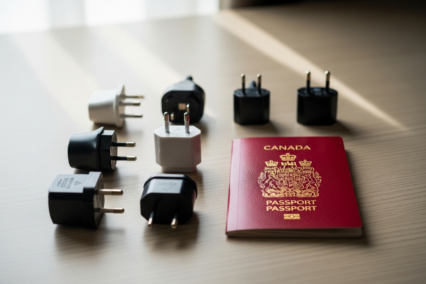
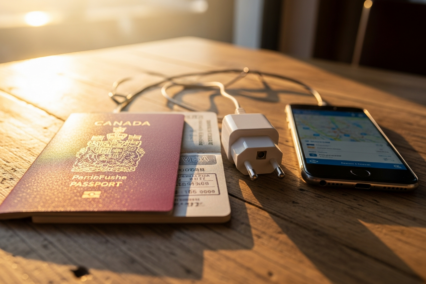
If you are from Canada, you will need a Type G plug adapter for your devices.
-
Some single-voltage electrical appliances from Canada need a voltage converter.
-
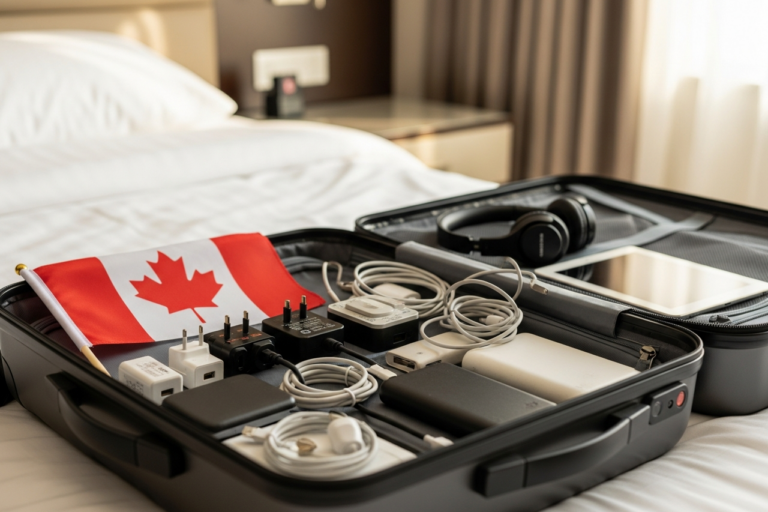
Many newer electronics, like laptops and phone chargers, are dual-voltage. They only need a travel adapter.
-
You can buy a plug adapter at airports or electronics stores in Singapore if you do not bring one.
Introduction
Planning to visit Singapore from Canada is exciting. There is a lot to think about, like what to pack and places you want to see. One small thing you should not forget before you go is the power outlets. The plug type and adpater you use in Canada may not work in Singapore. This guide helps you learn what you need about Singapore’s power and plug type. You will find out if you need to bring an adapter or anything else so you keep your gadgets charged. Now you can enjoy your trip with no worries about the plugs or your phone battery running out.
Overview of Singapore Electrical Outlets for Canadians
When you get to Singapore, you will see that the power outlets look very different from what you have back in Canada. In Singapore, they only use the type g plug. This is the same one they use in the United Kingdom.
Your devices from Canada use two flat pins, or two flat pins with a third round pin for grounding. These are type A or Type B and will not fit in the type g outlets you find in Singapore. So, you will need a plug adapter or a power plug adapter to use your electronics.
Let’s take a closer look at what the type g plug looks like. This will also help you know which other places in the world use this same plug type.
What Do Singapore Power Sockets Look Like?
The power sockets you see in Singapore are Type G sockets. They have a design that makes them easy to spot. These sockets work with a Type G plug, which has its own setup for pins. If you come from North America or Europe, the sockets and plugs here will be new to you.
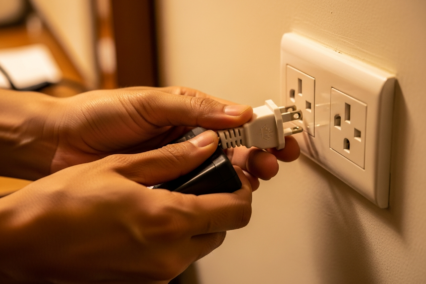
Type G sockets have three slots that are shaped like rectangles. The slots sit in a triangle layout. You will see that the sockets can have a switch to turn the power supply on or off. This helps people stay safe. The Type G plug does not use round pins. This plug needs three flat, rectangular pins to go into the socket.
Here is what you get with a Type G plug for these sockets:
-
It has three rectangular pins.
-
Two of the pins sit flat at the bottom.
-
There is one upright pin at the top. It works to ground the plug.
Common Plug Types and Their Origin (UK, Canada, Malaysia)
The Type G plug is the standard in Singapore. This plug came from the British electrical system. So, you will see the type g plug in Singapore, UK, Hong Kong, Ireland, Malaysia, and places like Cyprus. All these are countries that have ties to Britain.
Canada uses different plugs. You will find Types A and B in Canada and the USA. These are used all over North and Central America. When you travel, you may also find the type c plug. This one has two round pins. It is common in Europe. Knowing about plug types helps you make sure you stay powered up wherever you go. It is good to have an adapter for your plug if you need the power to work.
A quick look at common plug types:
-
Type G: This is used in Singapore, the UK, Malaysia, and Hong Kong. You will see it has three rectangular pins.
-
Types A and B: These are used in Canada and the USA. Type A has two flat vertical pins. Type B also has a round grounding pin along with two flat pins.
-
Type C: The plug with two round pins. It is common in Europe. You can’t use it in Singapore unless you use a plug adapter.
Voltage and Frequency Standards in Singapore
Beyond just the shape of the type G plug, the voltage and how often the power goes back and forth (frequency) are both important for the compatibility of your appliances. In Singapore, the power supply uses a standard voltage of 230V and a 50Hz frequency. You will find this in hotels, cafes, and just about anywhere in the country.
This standard voltage is quite a bit higher than the voltage used in Canada. So, using a type G plug adapter on its own may not be enough for all the appliances you have. It’s really important for you to check if your devices can work with the higher voltage. This helps to make sure your things do not get damaged. Next, we’ll talk about the differences between the two systems and what that means for your devices.
Comparing Singapore vs. Canadian Electrical Systems
The electrical systems in Singapore and Canada are fundamentally different, which is why you need to be prepared. The most significant differences lie in the voltage and the plug type. A simple power plug adapter will solve the physical connection issue, but the voltage difference may require an additional tool like a voltage transformer.
For travellers, this means you must check each device you plan to bring. Modern electronics are often designed for global travel and can handle a range of voltages. However, other appliances, especially those with heating elements, might not be as flexible.
Here is a simple comparison of the two electrical systems:
|
Feature |
Singapore |
Canada |
|---|---|---|
|
Plug Type |
G |
A and B |
|
Voltage |
230V |
120V |
|
Frequency |
50Hz |
60Hz |
Impact on North American Devices and Appliances
Plugging a North American device into a Singapore outlet without checking first can cost you. The higher voltage in Singapore can break your electrical devices for good. You need to look at the rating plate on the power supply or the appliance. This way, you will know what it can handle.
Many new electronics like laptops, smartphones, or camera chargers are made to work with different voltages. You will see a label that says ‘INPUT: 100-240V, 50/60Hz’ on these items. If you find this on your device, you only need a plug adapter for Singapore. These devices adjust to the voltage by themselves.
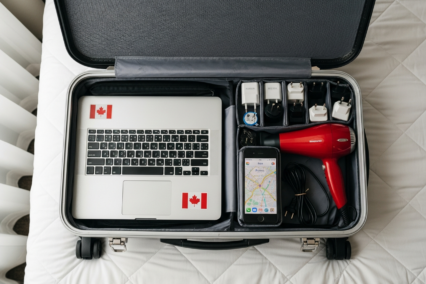
But if you have a single-voltage appliance, like a hair dryer, straightener, or electric razor from North America, you need to be extra careful. These work with 110-120V only. To use them in Singapore, you must buy a voltage converter. The converter steps down the 230V from the wall to the 120V your appliance needs. Always check how many watts or amps your device uses to make sure it does not draw more power than your converter can give.
Adapter and Converter Guide for Travelling Canadians
Going through all the details about adapters and converters can look tough. But it gets easy once you know what to look for. When you travel from Canada to Singapore, you will need a plug adapter, a voltage converter, or both to keep your things working right. A plug adapter and a voltage converter help in different ways.
A plug adapter changes the way the plug fits the wall, while a voltage converter changes the amount of electrical power. It is important to know if you will need one or both for each device, so you do not run into any problems on your trip. Here, we talk about when you just need a simple plug adapter and when you must have a stronger voltage converter.
Do You Need a Plug Adapter in Singapore?
Yes, if you go from Canada to Singapore, you will need a plug adapter. Singapore uses Type G sockets. These do not work with the Type A and B plugs on Canadian devices. Without a Type G plug adapter, your laptop, charger, or other electronics will not fit the socket.
A plug adapter is an easy tool. It sits between the Canadian plug and the Singapore socket. It does not change the power. The adapter only lets your plug fit the socket. You should get a Type G plug adapter before you leave Canada.
It is a good idea to buy one ahead of your trip. If you forget, you can find plug adapters in Singapore as well. Bring more than one adapter if you want to charge many devices at the same time. Most hotels may give you USB ports for charging. Still, having a Type G plug adapter is the better choice.
When Is a Voltage Converter Required?
A voltage converter is needed if your device cannot work with the 230V system in Singapore. Many devices from Canada and the US are built for 120V only. If you plug a 120V device into a 230V outlet without using a converter, you may break the inside parts right away.
To check if you need a voltage converter, look at the label on your device. If you see ‘110-120V,’ you must use a voltage converter. If you see ‘100-240V,’ your device is dual-voltage, so you do not need a converter. Most strong appliances that give off heat, like hair dryers or travel irons, are single-voltage. A converter or transformer helps bring the voltage down so it is safe for your device.
Here’s when you need a voltage converter:
-
Your device is single-voltage and made for 110-120V.
-
You use high-power appliances like hair dryers or curling irons that are not dual-voltage.
-
Do not use a converter for dual-voltage electronics like laptops or phones because you do not need one. It can also cause problems.
If you are in Singapore and have appliances from Canada or the US, make sure to check the voltage first. Using the right voltage converter or transformer will help you keep your things safe.
Using International Appliances and Gadgets in Singapore
Taking your essential electrical appliances and electronic devices to Singapore is easy when you know about compatibility rules. For most gadgets today, you just need to bring the right adapter. This helps you stay connected during your time there.
Be sure to check each device before you pack your things. A universal adapter can be super helpful for a traveller. But you have to use it the right way to keep your appliances, electronic devices, and yourself safe. In this guide, you will see how Canadian and American devices work in Singapore. You will also learn how to use adapters in a safe way.
Canadian and American Device Compatibility
The good thing for people who travel from Canada or the US is this: most of the electronic devices you use every day are made to work in other places. The laptop, smartphone, tablet, and camera chargers you have are probably dual-voltage. This means they will work fine with any voltage from 100V up to 240V.
Because of this built-in compatibility, it is pretty simple in Singapore. All you will need to use is a plug adapter. The Type G outlets in Singapore have a different shape, so this adapter lets you plug your devices in with no trouble. You can check the writing on the plug or power brick to make sure you have this dual-voltage feature. For almost all new devices, this will not be a problem.
But, you need to be careful with other appliances from home in Canada. Things you use for personal care, like an electric toothbrush or shaver, and tools that get hot like a hair straightener or a dryer, often work with just one voltage. It is a good idea to look at their labels closely. If you use these things in Singapore without a voltage converter, you could break them. Because of this, it is often better to use the hair dryer at your accommodation or buy one that is made for travel.
Safe Use of Universal Adapters
Universal adapters are handy because you get many plug types in one device. They are good for people who travel often. If you use a quality universal adapter the right way, it will be safe for your trip to Singapore. But, you should buy one from a trusted brand. Low-quality adapters can be dangerous and may even cause a fire.
When you use a universal adapter, make sure it is tightly plugged into the wall socket. Your device’s plug should also fit well into the adapter. If the connection is loose, it can spark. Also, know that a universal adapter will not change the voltage. It just makes your plug fit in the socket.
To stay safe when you use your universal adapter, keep these in mind:
-
Only plug in one appliance at a time.
-
Do not use the adapter with things like hair dryers or kettles. These appliances need a lot of power, and many adapters are not made for that.
-
Pick an adapter with features like built-in fuses or shutters. These will help keep you safe from touching live pins.
Using the right universal adapter will make your time in Singapore easier and safer, no matter what appliance you need to plug in.
Where to Buy Travel Adapters in Singapore
Forgot to pack a travel adapter? Don’t worry. Singapore is a busy spot for travel, so finding an adapter is not hard at all. You can get one as soon as you land. It is usually cheaper to pick up a travel adapter from amazon before you go, but you still have some choices if you wait until the last minute.
From the airport to small shops nearby, you will always find a place to get these important travel items. Let’s look at where you can pick up an adapter in singapore and how to choose the right one for you.
Options at Singapore Airports and Electronics Stores
Your first chance to get a travel adapter in Singapore is when you land at Changi Airport. You will see there are many small stores and some shops with electronics supplies that sell a travel adapter. The airport is handy for shopping, but just know that you might pay more at the airport than in the city.
If you want more types to pick from and lower prices, you can go to one of the big electronics stores in Singapore. Popular spots like Challenger or Harvey Norman are found inside shopping malls. These stores give you many choices for an adapter and other items you may need. Some large grocery stores and even places like 7-Eleven often sell simple travel adapter models. Most of these sellers also take credit cards, which makes it easy to pay.
Here are places where you can look for a travel adapter:
-
Changi Airport: You can try convenience stores and special electronics stores after you arrive.
-
Electronics Chains: Shops like Challenger, Courts, or Harvey Norman found in shopping malls.
-
Convenience Stores: You can drop by a 7-Eleven or a Cheers location in the city to grab a basic adapter.
This way, you will know where in Singapore you can find an adapter for your trip. By paying with credit cards, you get things done quickly and can be on your way.
Choosing the Right Adapter for Your Trip
When you need an adapter, you have two main options. You can pick a single-region adapter or a universal adapter. A single-region adapter will change your home country’s plug to a Type G plug, which is what they use in Singapore. These Type G plug adapters are simple to use. They are also less expensive and often stronger than universal ones.
A universal adapter is a good pick if you want to travel to other places. It comes with parts or sliders that fit many socket types around the world. This is a good item for people who plan to go to more than one country. But make sure you get a good universal adapter for safety and so that it lasts. Think about where you want to go in future to help you choose the right plug adapter.
The best plug adapter for you depends on what you need. If you are going to Singapore for just one trip, pick a Type G plug adapter. But if you might travel to other parts of Asia, or even Europe, later on, a universal adapter makes more sense and may save you money. Before you buy an adapter, always check its compatibility and make sure it is safe to use.
Safety Tips for Handling Electrical Outlets in Singapore
Singapore has a power plug system that is safe and trusted. But it is still smart to be careful, especially when you use an adapter with your electrical devices. The country has high standards for safety. Still, if you are a visitor, you should pay attention to avoid an problem or damage to your plug or device. The tropical climate in Singapore means there can be more water near electrical outlets, so be even more careful in this kind of weather.
The first thing you need to do is use the right power plug and right adapter. After you do that, there are a few simple steps you can follow to use electrical outlets safely during your stay in Singapore. It is a good idea to know how to pick safe gear and to watch out for mistakes many people make.
Recognising Safe Sockets and Adapters
In Singapore, type G sockets come with safety features. Most type G sockets have a switch on the outlet plate. You can use this switch to turn the power off before you plug in or remove your device. This is a simple way to help stop sparks. You should always use this switch when you see it.
If you want to buy a power plug adapter, you need to check if it is a good one. A safe plug adapter will feel strong and well-made. When you buy, look for the “CE” mark or another safety mark either on the plug adapter or the box. These marks mean the product meets safety and quality rules. Do not use adapters that are cheap and have no brand because they might be built poorly.
Here is how to make sure you use safe equipment:
-
Look for a safety mark. In Singapore, that’s the “SAFETY Mark.” For the world, look for the “CE” mark on your adapter.
-
Make sure your plug fits tightly in the power plug adapter and the power plug adapter fits tightly in the type g socket. If it feels loose, it can be a danger.
-
Use the on/off switch on power plug type G sockets. This adds more safety.
Avoiding Common Electrical Mistakes Abroad
Many travellers often confuse a plug adapter with a voltage converter. It is important to know that an adapter only changes the shape of the plug. It does not change the electricity at all. If you try to use a 120V appliance from Canada in a 230V Singapore socket with just an adapter, you will wreck your device.
Another issue is too many things in one power outlet or adapter. Do not plug a power strip from your home country into a travel adapter. This can cause the adapter and the wall socket to be overloaded. That can start a fire. If you want to charge more than one device, get an adapter with built-in USB ports or use a power bar meant for travel that works with 230V.
To avoid these common electrical mistakes:
-
Always check compatibility of your device before you plug it in.
-
Don’t use a plug adapter for appliances that require a voltage converter.
-
Never plug in a North American power strip into a travel adapter in Singapore.
-
Keep cords and devices away from water, especially in the bathroom or near sinks.
Conclusion
To sum up, it is good to know the small details about electrical outlets in Singapore if you are a Canadian traveller. The plug shapes, voltage, and safety might be different there. Learning about these things will help you avoid trouble with your devices during the trip. Before you go, check if you will use your own items or buy new adapters for singapore. This way, you can be sure your devices and plugs are ready for the different voltage and setup you might find.
Use the guidelines on compatibility so you can have a smooth time. You will not have to worry about the plugs or the voltage while you travel. If you want to stay connected, and not run into problems, you can ask for advice about your devices, plug, or other travel tips.
Frequently Asked Questions
Are UK Plugs Compatible with Singapore Outlets?
Yes, the plugs you use in the UK will work in Singapore without any issues. Both the UK and Singapore use the same Type G plug and socket. This plug has three rectangular pins. So, if you go to Singapore from the UK, you do not need to get a plug adapter for your things. Just use your plug as usual.
Can I Use My Canadian Laptop or Phone Charger in Singapore?
Yes, you can use your laptop and phone chargers in Singapore. Most chargers work with both low and high voltage, from 100 volts to 240 volts. Singapore has 230 volts, so your charger will work fine there. You do not need a voltage converter for this. You will need a Type G plug adapter because the outlets in Singapore use Type G plugs. This adapter lets your Canadian charger fit into the plug in Singapore.
Is the Plug Type the Same in Singapore and Malaysia?
Yes, the plug type in Singapore and Malaysia is the same. Both places use the Type G plug and socket. This means you can travel between Singapore and Malaysia without needing a new plug adapter for your devices. It makes things easier for people who go between these two countries.