Key Highlights
Planning a trip to Denmark from Canada? Here is what you need to know about the electrical outlets there.
-
Denmark mostly uses Type K and Type E power sockets.
-
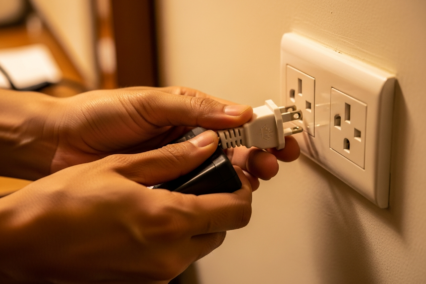
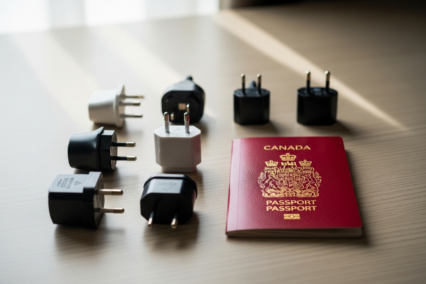
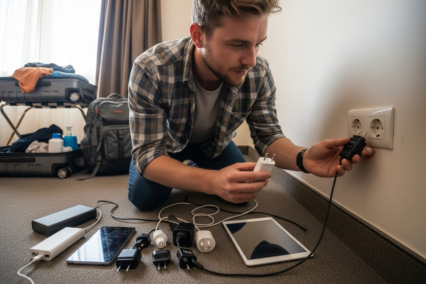
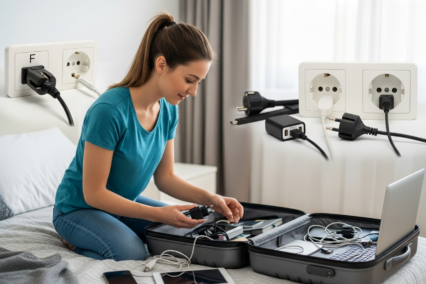
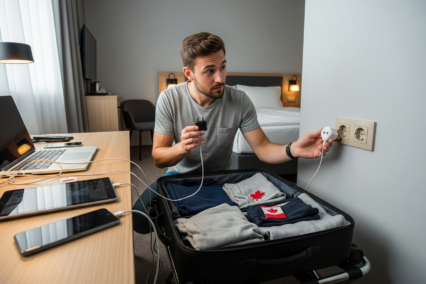
Canadian plugs, which are Type A and Type B, will not fit. You will need a travel adapter.
-
The standard voltage in Denmark is 230V. This is much higher than Canada’s 120V.
-
You will need a voltage converter for most single-voltage devices. This helps to stop any damage.
-
Some new electronics, like laptops and mobile phones, are dual voltage. These only need an adapter.
-
Always check your appliance’s label before you try to plug it in. If you choose to use it, you do so at your own risk.
Introduction
Are you getting ready for a fun trip from Canada to Denmark? When you pack your things, be sure to think about how you will charge your electrical devices. The plug types and outlets in Denmark are very different from what you find at home in Canada. The voltage is also not the same. So, your Canadian appliances can’t be plugged right into the walls in Denmark. Don’t worry. This guide explains what you need to know about plug types, adapters, and voltage. It will help make sure your electronics are safe and charged the whole time you are there.
Understanding Denmark’s Electrical Outlets
When you get to Denmark, you will notice that the power outlets there are not like the ones you have in Canada. The main sockets you will see are Type K. Sometimes, you might also find Type E and Type F outlets. You cannot use your Canadian plugs right away because their shape and pin setup are not the same.
To plug in your devices, you need to use a power plug adapter. The adapter will let your plug fit in the socket, but keep in mind, it only changes the shape of the plug. It will not change the voltage. If your device uses the wrong voltage, it can cause damage to the appliance. For some appliances from Canada, you might need a voltage converter as well. This helps keep your devices safe when you use them in Denmark.
Common Plug Types in Denmark: Type C, E, F, and K
Denmark has a few plug types that you will see in the country. This can make things a bit mixed up for some people. The main one is the Type K socket. But because the country is in the European Union, the other plug types are also found here and there.
In Denmark, it is okay to use a Type C plug. This one has two round pins. You can put a Type C plug right into a Danish Type K socket and it will work safely. People also use Type F plugs in Europe. You can use this plug in Denmark too, but there is a problem. Type F plugs go in the socket, but they will not be grounded. This can be a risk when it comes to safety, as the Danish socket needs a ground pin on your plug.
The main plug types you may find when in Denmark are:
-
Type K: This plug has three pins and is the main type in Denmark.
-
Type C: This plug is often used in Europe and has two round pins. It goes in the Type K socket just fine.
-
Type E: This one comes from France. It became allowed in Denmark in the year 2008.
-
Type F: This is called a “Schuko” plug. While you can fit it in the Danish socket, it will not be earthed. It is best, for safety, to use a special power plug adapter with this one.
So if you are going
Compatibility of Danish Outlets with Canadian Devices
Your Canadian devices use Type A and B plugs. These plugs do not work with outlets in Denmark. The plugs have flat prongs, but in Denmark, people use sockets with round pins. Because of this, you need to have a travel adapter when you go.
The good thing is that most modern electrical devices, like mobile phones, laptops, and tablets, are made for travel. The chargers for these items often work with more than one voltage. That means you can use them with the 120V used in Canada and the 230V you will find in Denmark. If you use these devices, you only need a power plug adapter. This will let your plug fit into the outlets in Denmark.
But for some appliances, like a hair dryer or an electric shaver, using a travel adapter alone may not be enough. You need to check the label on the item first. If it does not say “INPUT: 100-240V,” you also need a voltage converter. This is to be safe and not hurt the device.
So, if you are taking many types of electrical devices or appliances, always look at what voltage they support. Bring the right travel adapter, and if you need it, a voltage converter to keep your things safe while in Denmark.
Voltage and Frequency Standards in Denmark
Besides the shape of the plug, the flow of electricity is different in Denmark. The standard voltage there is 230 volts and the frequency is 50 hertz. This is the usual setup in most countries in Europe, but it’s a big change from what you find in Canada.
Because the voltage is higher, you can’t plug any Canadian device into a Danish outlet, even if you use an adapter. If you try to use an appliance made for a lower voltage, it might heat up too much and stop working. You need to know about this difference to keep your electronics working well and safe while you travel. Now, let’s see how Denmark’s standard voltage compares to Canada’s and what you should do to get ready.
Voltage Differences Between Canada and Denmark
The most significant electrical difference between Canada and Denmark is the voltage and frequency. This variation requires your attention before you plug anything in. In Canada, the standard voltage is 120V, while Denmark operates on 230V. That’s nearly double the power, which can be a shock to your devices if they aren’t prepared for it.
Furthermore, the frequency is also different. Canada’s power supply runs at 60 Hz, whereas Denmark’s is 50 Hz. This difference can affect motorized devices and electronics with internal clocks. For any device that is not dual voltage, you will need a voltage transformer or a power converter to step down the Danish voltage to a level that is safe for your Canadian appliance.
Here’s a simple comparison:
|
Feature |
Canada |
Denmark |
|---|---|---|
|
Standard Voltage |
120 V |
230 V |
|
Frequency |
60 Hz |
50 Hz |
Using Dual Voltage Appliances Safely
Many of the travel gadgets you use can be dual voltage appliances. Things like chargers for laptops, smartphones, and cameras often work with more than one kind of voltage. You can know this by checking the label on the power supply. It will say something like ‘INPUT: 100-240V, 50/60 Hz’. If you see those numbers, your device can be used all over the world.
With these dual voltage devices, you do not need to carry a voltage converter. You just use a plug adapter to fit your device into a Danish socket. That helps you pack lighter and makes your trip a lot easier.
But if your appliance is a single voltage one and says things like ‘INPUT: 120V’, do not use it in a Danish outlet without a voltage converter. If you plug it in at your own risk, you could ruin your device or even put yourself in danger. Always look at the label to make sure.
Choosing the Right Travel Adapter for Denmark
Now that you know why you need an adapter, how can you choose the right one? Denmark mostly uses Type K sockets. So, you must get a travel adapter that works with this kind of plug. A simple adapter that lets you use your Canadian plug in a Type K socket will be fine for dual-voltage electronics.
If your device is single-voltage, you will need a voltage converter. Many places sell units that work as both a power plug adapter and a converter. This can be easy if you want to have it all in one product. Picking the right adapter before you go to Denmark helps you use your devices with no trouble.
Features to Look for in a Denmark-Compatible Adapter
When you shop for a travel adapter for your time in Denmark, know that not every adapter will be right. You need to pick one that says it works with a Type K plug. A Type C travel adapter can do the job sometimes, but a real Type K or a universal travel adapter that will fit it is better to have.
Think about the things you are bringing too. If you bring appliances or devices that do not take dual voltage, you need more than just a plug adapter. You will need an adapter and voltage converter that come together. This kind of converter will make sure both the plug and the voltage match, so everything can work the way you expect.
Here are some things you want to check:
-
Compatibility with Type K and E/F plug sockets.
-
Has a grounded plug to be safe.
-
Has a built-in voltage converter, if you need it.
-
Offers a few USB ports so you can charge more than one thing at once.
-
Is small, strong, and easy to pack for travel.
Buying Plug Adapters Online in Canada
It is easy to find the right plug adapter in Canada before you go. It is a good idea to do this. You can shop online from your home, and get access to a great selection of travel adapters. You will find many different choices. At sites like Amazon.ca, you will see single-plug adapters and all-in-one models for travel.
When you buy before you leave, you can read what people say, check out features, and pick what works best for you. Some adapters are made for Denmark. You can also pick a world travel adapter if you plan to go to other places later. Doing this now helps you stay calm. There will be no stress about finding an adapter when you get there.
Where you can buy a travel adapter:
-
Online retailers: Amazon has a great selection of travel adapters plus fast shipping.
-
Electronics stores: Best Buy and The Source both have travel aisles.
-
Major airports: You can get them in travel shops or electronic shops at major airports, but you may pay more.
Tips for Safely Using Electrical Outlets Abroad
When you travel with electronics, you need to be a bit more careful. In Denmark, always look at your devices and adapters before you use them. Check that your adapter is put all the way in the socket. Make sure the plug for your appliances is pressed in tight inside the adapter. If the plug or adapter is loose, it could start a fire.
Do not try to use many high-power appliances in one adapter or outlet at the same time. If you bring a voltage converter, be sure it is strong enough for the wattage your device needs. If you follow these easy safety tips, you can use your electronics and not make a problem or a dangerous time for yourself. Be safe and only use your electronics at your own risk.
Precautions with Power Strips and Universal Adapters
It can be tempting to take a Canadian power strip when you go to Denmark because you may want to charge many devices. But you should know, this is usually not a good choice. Many power strips from Canada are not made for the 230V power in Denmark. This can easily turn into a fire hazard. If you want to power more than one item, you should get a travel power strip that is made for different voltages.
Universal adapters work well for many people because you can put so many plugs in them, but they do come with problems. Some universal adapters have a lot going on inside. This can lead to loose plugs in the socket. Always check that the pins are pushed out the right way, and make sure they fit tight in the socket. If your adapter or power converter is cheap and not good quality, using it is not worth the risk.
Here are things you should keep in mind:
-
Do not use Canadian power strips in Denmark.
-
Make sure your universal adapter or power converter is set for the correct country and plugged in really well.
-
Don’t put high-wattage appliances such as hair dryers into a charger that lets you use many devices, unless your appliances or converter say it will work.
-
Never plug in any adapter, plug, or power converter that seems broken or worn out.
Ensuring Electrical Safety for Travelling Canadians
Your safety comes first when you work with electricity in another country. The main thing is to be ready and watchful. Before you pack any electrical appliance, check its plug and cord. See if there are any signs like fraying or damage. A bad cord is always a risk, no matter where you go.
If you are in Denmark, try to unplug your chargers and adapters when you are done using them. This can save a bit of energy and cut down on any possible risk from electricity. Remember to keep your appliances, converter, and other electrical devices away from water, just like you should at home.
In the end, staying safe around electricity means you have to use the right equipment for your needs. Pick the correct adapter and power converter for your gadgets. Doing these simple things lets you keep both your appliances and yourself safe.
Frequently Asked Questions (FAQ)
If you travel to Denmark, you may wonder about using your electronic devices. Denmark uses a standard voltage of 230V. The plugs there are type C and type K, and both have round pins. If you have cell phones or any dual voltage appliances like hair dryers, you need to check if they work with Denmark’s voltage.
You can find a good selection of travel adapters in stores, but always check the wattage and voltage your appliances need. If your devices are not dual voltage, you may need a voltage converter or just a simple converter to safely use all your electronics. Make sure everything is set up for compatibility before you plug in.
Can I use UK or European plugs in Denmark with an adapter?
Yes, you can use a standard Type C plug in Denmark. This plug fits into Danish sockets without trouble. If you want to use a UK plug, also known as a Type G plug, you will need an adapter. The Type F plug can go in too, but it will not be grounded. To have full compatibility and to be safe, it is best to use an adapter that lets you ground your plug.
Are Denmark’s sockets different from other Scandinavian countries?
Yes, the sockets in Denmark are not the same as in some other places. Sweden and Norway mostly use type F sockets, but Denmark uses type K as the official one. This means the plug compatibility in Denmark is different from other Scandinavian countries. It is a good idea to get an adapter made for Denmark if you go there.
What should I check before plugging in my device in Denmark?
Before you plug in any devices, look at the label to see its voltage compatibility. If you do not see something like ‘100-240V’ on your appliance, you will need a voltage converter. Make sure you use the right plug adapter so it fits well. If you use appliances with the wrong adapter or converter, you do so at your own risk.
Conclusion
To sum up, knowing about the electrical outlets in Denmark is key for a safe and easy trip if you are from Canada. You need to learn about the plug types and the voltage used there. Be sure to check the compatibility of your devices. Pick the right travel adapters before you go. Doing this lets you use all your electronics without trouble.
Always put safety first. Make sure the plug or power strip you use is right for both the device and the outlet. If you do this before you travel, you will not have problems with your devices in Denmark. You can just enjoy your time there. Remember to pack your plug adapters before you leave Canada. Safe travels!