Key Highlights
Here are some important things for any Canadian going to Poland to keep in mind:
-
Poland has two types of electrical outlets. These are type C and type E. They are not like the ones we use in Canada.
-
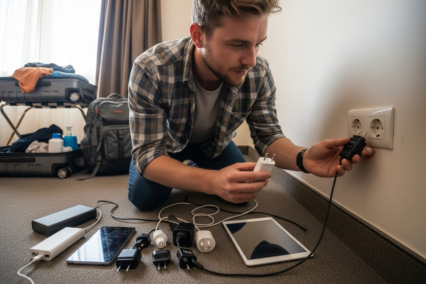
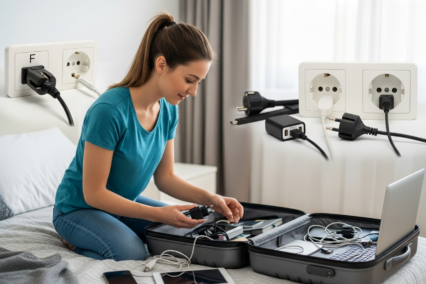
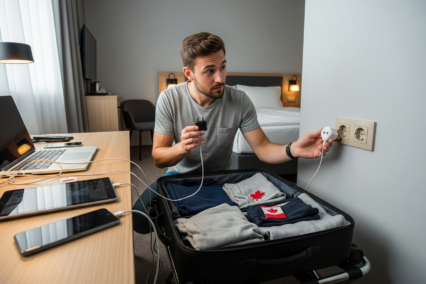
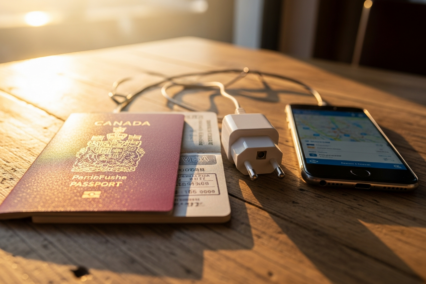
You will need a travel adapter if you want to plug your Canadian devices into Polish sockets.
-
The standard voltage in Poland is 230V. This is higher than the 120V you get in Canada.
-
You should check if your things are dual voltage (look for ‘110-240V’ on your device). If not, you could need a voltage converter.
-
Most laptops and phones are dual voltage now, but you still need to read the label first.
-
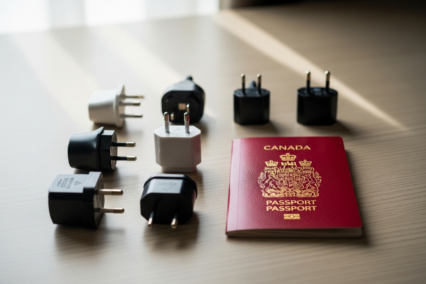
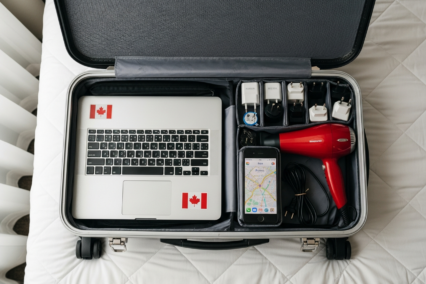
A good way to be ready is to get a universal adapter made for both type C and type E plugs before your trip. This will come in handy during your time in Poland.
Introduction
Are you planning a trip from Canada to Poland? This will be an exciting time for you. But before you get ready to go, you should think about the electrical outlets you use every day. The power supply in Poland is not the same as it is in Canada. In Poland, you will find there are different plug sizes, other voltage numbers, and the frequency might not be what you are used to.
This guide will help you learn what you need if you want to use your devices in Poland. You will find out about the types of sockets, what kind of plug and voltage Poland uses, and when you need an adapter or a voltage converter. This will help make sure all your electrical items work safely when you travel.
Types of Electrical Outlets in Poland
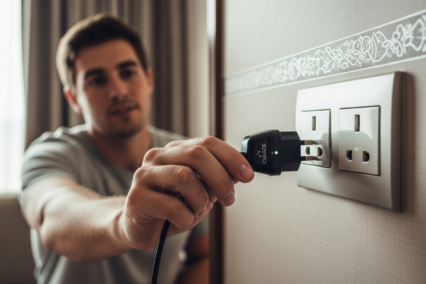
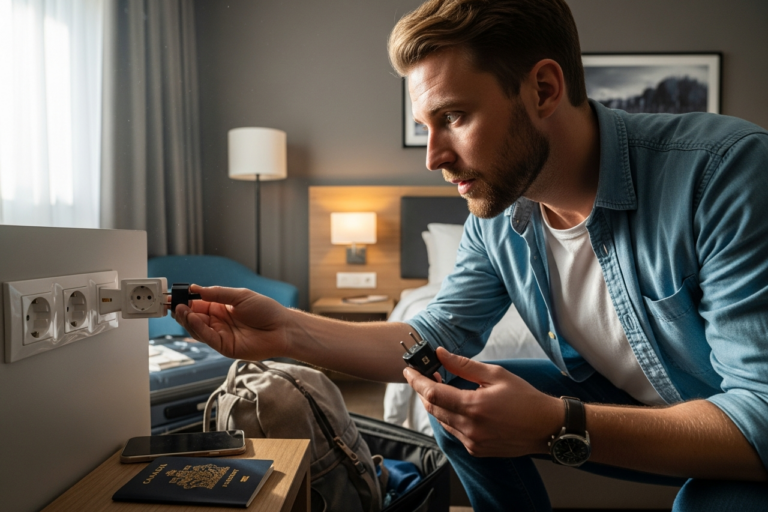
When you get to Poland, you will see the electrical outlets there do not look like the ones you have in Canada. In Poland, people mainly use two plug types, which are type C and type E. You will see these plug types in many parts of Europe, but your Canadian plug will not fit in these sockets without some help.
It is important to know about these sockets so you can charge your devices when you need to. These sockets are made for plugs with round pins, while in North America, people use flat prongs. We will talk more about Polish plug types and electrical outlets to help you know what to look for.
Overview of Common Polish Outlet Styles
The electrical outlets in Poland are made for plugs with two round pins. The main types you will find are type c and type e, and you may see both of them while travelling. These sockets are set back into the wall.
Type c is a common plug type in Europe. It has a simple look with just two round pins. Sockets that fit type c plugs are mostly ungrounded holes in the wall.
Type e sockets are also easy to find, and they are safer. They look like type c but come with a grounding pin that sticks out from the socket. A plug adapter that works with type e will have a hole for this pin. This setup makes sure the appliance is grounded before it gets power.
Understanding Type C and Type E Plugs
Let’s take a closer look at the Type C and Type E plugs you will find in Poland. These are the main power plug types there. Knowing how they are different will help you choose the right adapter for your trip.
The Type C plug is called the “Europlug.” You see it being used in a lot of places outside Poland, too. It has a simple look and does not have a ground pin.
-
Type C Plug: This plug has two round pins that are next to each other. It doesn’t have a ground, and you can use it with both Type C and Type E sockets.
The Type E plug was made to be safe. It is a bit like the Type C version but comes with a grounding part. The Type E power plug works in Type E sockets, which you can find in Poland and also in France and Belgium.
-
Type E Plug: This plug also has two round pins two like the Type C plug. It has a hole at the top to fit the socket’s ground pin.
Comparing Polish Outlets with Canadian Standards
For Canadians, the difference in electrical standards is significant. Polish outlets are fundamentally different from what you use at home in terms of plug shape, voltage, and frequency. Your flat-pronged Canadian plugs simply won’t fit into the round-holed Polish sockets.
The most critical difference is the voltage. Poland’s power supply runs at 230V, nearly double Canada’s 120V. This means that besides a physical adapter, you may also need a voltage converter for some of your appliances to prevent damage.
Here’s a quick comparison to highlight the key differences between the Polish and Canadian electrical systems.
|
Feature |
Poland |
Canada |
|---|---|---|
|
Plug Types |
Type C, Type E |
Type A, Type B |
|
Voltage |
230V |
120V |
|
Frequency |
50Hz |
60Hz |
Voltage and Frequency in Poland
Beyond just the way the plugs look, the power supply in Poland works in a different way. In Poland, the standard voltage is 230V. The system also runs at a frequency of 50Hz. This is not the same as in Canada, where the standard voltage is 120V and the frequency is 60Hz.
Because of this, you must be careful with what you plug into an outlet. If you try to use an appliance made for 120V with the higher 230V in Poland and do not use a converter, your device could break. It can also be a safety problem. We will look more into the standard voltage and frequency differences, so you know what to watch out for with plugs and voltage in Poland.
Standard Voltage Used in Polish Electrical Sockets
The standard voltage in homes and hotels in Poland is 230 volts. This is the main power supply in the country and also in most of Europe. When you plug your device into the wall in Poland, it will get 230V.
This is important if you are coming from Canada. In Canada, the standard voltage is 120V. If you plug a 120V-only appliance into a 230V outlet, it can break the device and might start a fire.
Before you plug anything in, look at the label or the power brick to check the voltage rating. Most new electronics can use different voltages, but you should still check to be sure. You do not want to damage your things by guessing about the power supply.
Frequency Differences Between Poland and Canada
Another thing to think about with power supply is the frequency. It is measured in Hertz (Hz). That tells you how many times the current in the wire changes direction each second. The power supply in Poland uses a different frequency than in Canada.
This difference can change how certain devices work. It mainly matters for things with motors or that need good timing. Most new electronics, like laptops, are made to work with both main types of frequency. But older or basic devices might not work the way they should.
-
Poland’s Frequency: 50 Hz
-
Canada’s Frequency: 60 Hz
For most travellers, this frequency change is not a big deal. You can still charge phones, laptops, or cameras without a problem. But, if you want to use things with an electric motor, such as a fan or an electric clock, they could run slower or faster in Poland. If you want to be sure about compatibility, check the label on your device to see what frequency it can use.
Plug Compatibility for Canadian Travellers
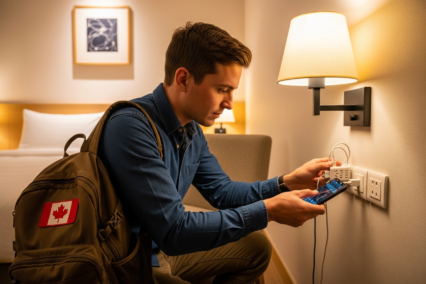
If you are from Canada and you go to Poland, you will see that your plugs do not work in the sockets there. The plugs from Canada have flat prongs, and in Poland, they use round-pin sockets. So you will need to bring some power plug adapters with you.
You must get the right adapter if you want to use your phone, camera, and other things that need to be charged while you travel. In the next parts, you can read more about why your plugs do not work, the kind of power plug adapters you should take, and when you might need a voltage converter too.
Can Canadian Plugs Fit Polish Outlets?
The short answer is no, Canadian plugs do not fit into sockets in Poland. Canada uses Type A and Type B plugs. These have two flat prongs, and Type B has an extra round pin for grounding. But Poland uses Type C and Type E sockets. These need plugs with two round pins.
You can see right away that they do not fit. No one can push a flat plug into a socket that needs round pins. Trying to do this may break the plug or the outlet. It is also not safe.
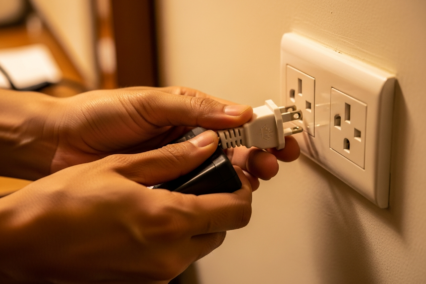
For this reason, a travel adapter is needed when you go from Canada to Poland. The adapter lets your Canadian plug match the shape of the type C or type E sockets in Poland. This makes the connection work and be safe.
Adapters Needed for Canadians in Poland
To use your Canadian electronics in Poland, you need a plug adapter. You need to get an adapter that lets your Type A or Type B plug fit into Type C or Type E sockets. These plug adapters are common, and it is easy to find them.
A simple plug adapter will not change the voltage. It only changes the shape of the plug. You can buy one adapter at a time, but many people choose a universal travel adapter. That way, you can use it in more than one country, which is good if you want to travel again.
When you shop for a plug adapter, pick one that works with both Type C and Type E sockets.
-
Type C Adapter: This works in any Type C or Type E socket. It does not have a ground, though.
-
Type E Adapter: This is a good choice since it fits well in a Type E socket and gives a ground. This is helpful if your device needs it. You can also use it in a Type C socket.
When Is a Voltage Converter Required?
When you use an adapter, it fixes the shape of the plug, but it does not change the power supply. Poland uses a different voltage. This means you need a voltage converter, which people sometimes call a transformer. If your device can not handle the 230V power in Poland, you have to check the power label on your device.
Most laptops, smartphones, and camera chargers today are dual voltage. That means the device can use different voltage without any problem and will do this on its own. If the label on your device says “INPUT: 100-240V,” you do not need a voltage converter.
-
Dual Voltage Device: Handles both 120V and 230V. You just need a plug adapter.
-
Single Voltage Device: Uses only one voltage, like 120V. You will need a voltage converter or a transformer to use this with a different voltage in Poland.
Be extra careful with single voltage, high-power items. This includes old hair dryers, curling irons, or hair straighteners. If you plug these into a 230V outlet without a converter, there is a good chance you will damage them right away.
Choosing the Right Adapter for Your Trip
When you know about the different plug types and the voltage, picking a travel adapter for your trip to Poland can be easy. The main thing you need is a plug adapter that helps your Canadian plug fit into Polish sockets. It’s a good idea to pick one that will work in many cases, so you stay ready for anything.
You can go for a simple adapter just for that one area, or you could choose a universal travel adapter. We are going to share some top tips for Canadians and give important safety advice to help you use your adapter the right way and keep safe during your trip.
Adapter Recommendations for Canadians
For a trip to Poland, it’s best to use a travel adapter that works with both type c and type e sockets. You can use a simple type c adapter most of the time. But, having one that fits type e sockets is a safer idea. It takes care of the grounding pin you can find there.
A universal travel adapter is a good thing to get. Most have prongs that slide out for use in many places. Some have usb ports, so you can charge phones and tablets at the same time. You will find many of these on Amazon or at major airports right before you leave.
When you pick your plug adapter, keep these in mind:
-
Compatibility: Make sure you see type c and type e plugs on the list.
-
Grounding: For type e, look for a hole for the grounding pin in the adapter.
-
USB Ports: Built-in usb outputs make it easy to charge things like phones and tablets.
-
Universal Design: A universal adapter pays off if you want to travel to other countries later.
Safety Tips When Using Adapters Abroad
Using a travel adapter can be safe if you follow some simple rules to keep yourself and your devices safe. The most important thing to remember is that a travel adapter will not change the voltage of the power supply.
Be sure to check first if your appliance is okay to use with Poland’s 230V system. If your device is not made for this voltage, it may overheat, get damaged, or even cause a fire. You should not force a plug into the adapter or try to jam an adapter into a socket if it does not fit.
To have a good and safe time using your travel adapter in Poland, remember these points:
-
Check Voltage First: Make sure your appliance is dual voltage before plugging it in, or use a voltage converter if it is not.
-
Don’t Overload: Do not plug high-power appliances – like hair dryers – into a small plug adapter. This can make the adapter too hot.
-
Buy from Reputable Sources: Get certified adapters or converters from trusted brands to make sure they meet safety standards.
Conclusion
If you are traveling to Poland, you need to know about the plug types and power system there. Most outlets use Type C and Type E plugs. Make sure you have the right adapter for these plug types before you go. You should also check if your devices need a voltage converter. This helps you avoid problems and keeps your things charged.
When you pack, choose good adapters and check the voltage in Poland matches your needs. This will help you stay safe and enjoy your trip with no trouble. If you are not sure about plug or voltage converter needs, or have other questions about your trip, you can always ask for a free consultation.
Frequently Asked Questions
Are Polish sockets compatible with American plugs?
No, you can’t use American plugs in Polish sockets. American plugs, like Type A or B, have flat prongs. Polish sockets use Type C and need plugs with round pins. You will have to get a plug adapter if you want to use your American devices in Poland.
Can I charge my devices like smartphones or laptops in Poland?
Yes, you can charge things like laptops, tablets, and smartphones in Poland. The good thing is that these devices have dual voltage and work in many countries. You just need a simple plug adapter to fit your plug into the Polish outlet. Some new adapters also have USB outputs so you can charge with a USB cord.
Are travel adapters safe for daily use in Poland?
Yes, good travel adapters are safe for daily use if you use them the right way. The adapter should be used when you travel for a short time. Check that your device works with the voltage where you are. Do not plug too many things into the adapter or use things that need a lot of power. This will help keep the power supply safe.