Key Highlights
-
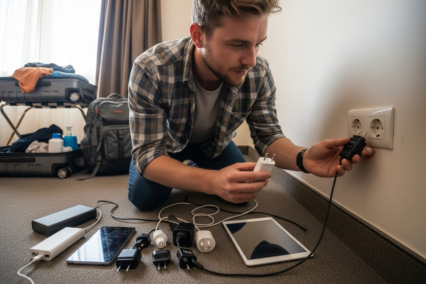
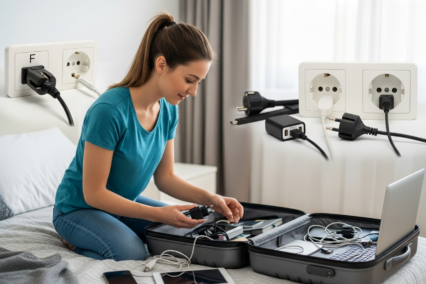
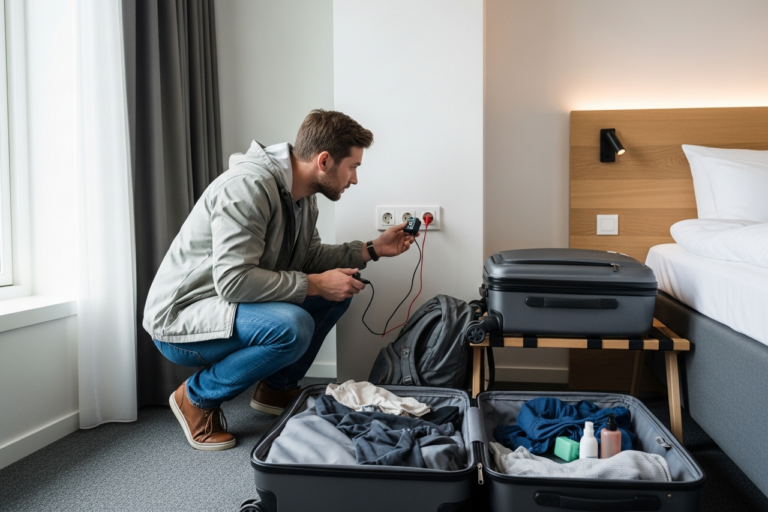
In Norway, you will find Type C and Type F electrical outlets. They are not the same as the ones in Canada.
-
The power supply in Norway is 230 volts and 50 Hz. This is more than the 120 volts found in Canada.
-
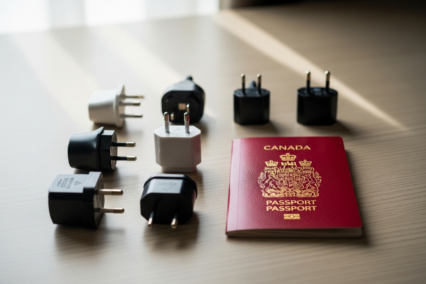
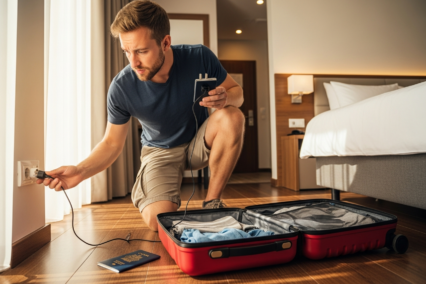
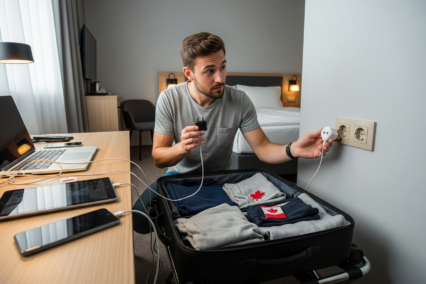
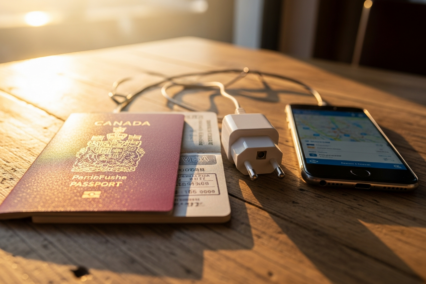
You need a travel adapter so your Canadian plugs will work in Norwegian sockets.
-
If you have a single-voltage device that is not made for 230V, you will also need a voltage converter.
-
Always check the compatibility of your device. See if it is dual voltage before you plug it in.
-
You can buy an adapter in Canada before your trip or get one in Norway after you arrive.
Introduction
Heading out to Norway to see its fjords and lively cities? It’s a great trip to look forward to. As you get ready, you need to think about a simple thing. That is, how will you keep your stuff like phones and cameras charged? The plug types and electrical outlets in Norway are not the same as the ones we use in Canada. This guide will show you all you need to know about plug types in Norway. You will be able to charge your things the easy way, so your devices stay ready during the trip.
Plug Types and Socket Styles in Norway
When you get to Norway, you will see that the sockets on the walls are not like the ones at home. In Norway, the country uses just a few plug types to make things safe and easy. These plug types are made to work with most of the sockets you will find across Europe.
It is important to know about the plug types you can use before you try to use your own devices. The main sockets you will find in Norway are made for the type f plug. The good thing is, these sockets can also be used with the type c plug, which is also common in Europe. Here, we will talk about what type f and type c plugs look like and what this means for you if you want to use your Canadian devices. This will help you when you need to think about plug compatibility in Norway and other parts of Europe.
Common Plug Types (Type C and Type F)
Norway uses Type C and Type F plugs and sockets. The Type F plug is called the “Schuko” plug and is the main one for safety. It comes with two round pins and grounding clips on each side. Most sockets you see in buildings are Type F.
You will see the Type C plug, or “Europlug,” in Norway too. It has two round pins but has no grounding. You can use Type C plugs in Type F sockets. Still, you will not find many Type C sockets because they are not as safe, and people are stopping to use them.
Type F sockets in Norway give good compatibility. They let you use Type C, Type E, and Type F plugs. This helps travellers move through Europe with less fuss.
Compatibility with Canadian Devices
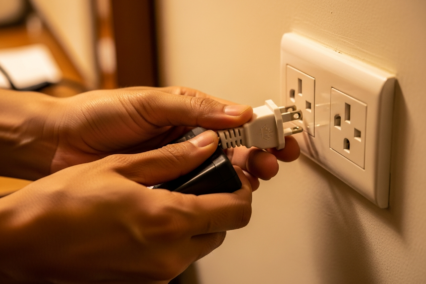
Your Canadian devices use Type A or Type B plugs, but these will not fit into sockets in Norway. The flat pins on Canadian plugs are different from the round pins in Norway. You will need an adapter to help your plugs connect to the sockets in Norway.
An adapter is a simple tool. It lets you change the shape of your plug so it can go into the outlet. But, it does not change the volts or the electricity. This is important for compatibility. The adapter fixes the shape problem, but you must check the voltages too.
If your devices are not made to handle 230 volts, an adapter alone won’t protect them. Using just an adapter could damage your stuff. In that case, you will need a voltage converter or a transformer. A converter helps your electronics work safely with the high voltages in Norway.
Voltage, Frequency, and Device Usage in Norway
The power supply in Norway is not the same as in Canada. Norway, and most of Europe, uses a higher voltage and a different frequency. This change is not just about the plug shape. It can affect the way your devices work, or even if they work at all.
If you want your trip to go well, you need to know about these differences. Understanding the voltage and the frequency helps you find out if your items will work there. You may need to get a converter. This extra equipment lets your device run as it should. Let’s look at what these power numbers mean for you and your things.
Norway’s Power Voltage and Frequency Explained
The standard for the power supply across Norway and most of Europe is 230 volts (V) with a frequency of 50 Hertz (Hz). This is significantly different from Canada, which operates on a 120V and 60Hz system.
This higher voltage means more electrical power is delivered through the socket. If you plug a device designed only for 120V into a 230V outlet, it will likely be damaged permanently. The difference in frequency (50Hz vs. 60Hz) can also affect certain appliances, particularly those with motors.
Here’s a quick comparison to help you understand the difference:
|
Country |
Voltage |
Frequency |
|---|---|---|
|
Norway |
230 Volts |
50 Hertz |
|
Canada |
120 Volts |
60 Hertz |
Adaptors, Converters, and Using Canadian & American Devices
To use your Canadian or American devices in Norway, you need to think about both the plug shape and if the voltage matches. An adapter is used for the plug shape, but you will need a converter or transformer if the voltage is different.
First, look at your device’s power label. Many electronic items like laptops, phone chargers, and cameras are known as “dual voltage.” These can work with voltages from 100V to 240V. If your device is dual voltage, you just need a travel adapter to fit the plug.
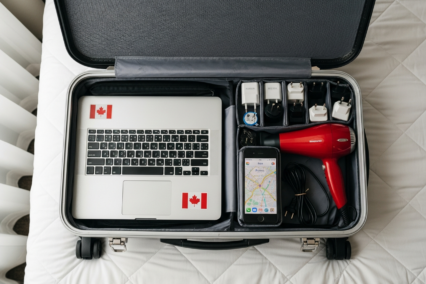
But, if your device is single voltage and works only with 110-120V—like some hair dryers, curling irons, or electric razors—you will need a voltage converter, too. The converter takes the 230V from outlets in Norway down to the 120V your item needs.
-
Adapter: Changes plug shape. Needed for all Canadian devices.
-
Converter/Transformer: Changes voltage. Needed for single voltage devices.
-
Dual Voltage Devices: Only need an adapter.
-
Single Voltage Devices: Need both an adapter and a converter.
Safety Considerations for Electrical Outlets in Norway
While you enjoy your trip, it is important to think about electrical safety. The power supply in Norway is steady and strong. It’s best to use appliances the right way. This helps you avoid accidents and stops damage from happening. Norway cares a lot about safety. That is why old outlets without grounding are not allowed in any new buildings.
Following some easy tips will help you use electrical outlets safely. You should pay attention to what you plug in. Make sure to use the right adapters and converters. Here are a few useful tips for travellers.
Safe Usage Tips for Travellers
Using electricity in another country can be safe if you take some care. The main thing you need to do is check your device’s voltage before plugging it into a Norwegian outlet.
For high-power devices like hair dryers or travel kettles, be careful. These appliances use a lot of electricity. Using the wrong converter or adapter can lead to fire. It’s usually better to use dual-voltage travel appliances or just use what your hotel gives you.
Here are a few quick safety tips to keep in mind:
-
Never force a plug into an outlet.
-
Use a voltage converter or transformer if you have appliances that need single-voltage (120V).
-
Don’t overload outlets with too many high-power devices.
-
Buy adapters and converters from stores you trust to make sure they meet safety rules.
-
Unplug your adapters and chargers if you aren’t using them.
Universal Outlets, USB Ports, and High-Power Devices
You may think you will find outlets in Norway that take many plug types. But, this is not common in Norway. You should not count on seeing them in most hotels or public places. There, the main sockets used are for type F. These are safe and they are grounded, so people use them the most.
The sockets that have built-in USB ports are now more common and useful. You see these often in many new hotels, airports, and trains in Norway. These spots have sockets with USB ports, so charging your phone or tablet is easy. You do not have to use a power brick. You just need your USB cable to charge what you need.
If you have something that uses a lot of power, like a hair dryer, check its wattage first. Converters for these devices cannot always handle much power. A powerful hair dryer would need a big and heavy transformer, and that can be not good for travel. It is better to get a dual-voltage travel hair dryer because it works well in places like Norway and with type F plug sockets.
Where to Buy Norway-Compatible Power Adapters
Finding the right adapter for your trip to Norway is simple. There are a few options you have. You can buy one before you leave Canada, or get it after you reach Norway. Getting an adapter ahead of your trip will help you feel better. You will not have to worry about it when you arrive.
If you forget to bring an adapter or need another one, do not stress. You can find them in Norway without much trouble. Knowing where to look for an adapter can save you time. Then, you can get back to having fun on your trip to Norway. Let’s go through the options you have for buying the right adapter.
Options in Canada Before Departure
It is smart to buy your travel adapter before you leave Canada. This helps you charge your devices when you get to your hotel. You can find an adapter for the European plug types, like Type C and Type F, in many stores in Canada.
You may want to get a universal travel adapter. Many of these come with sliders or parts for the different plug types in the world. That makes it a good choice if you want to travel to other countries later.
Here are some places in Canada where you can find a plug adapter:
-
Electronics stores
-
Travel and luggage stores
-
Large department stores
-
Online retailers like Amazon
Finding Adapters in Norway Upon Arrival
If you forget your adapter or need to get a new one, there is no need to stress. In Norway, it is easy to find an adapter that will work with local outlets. You will need a travel adapter that lets your Canadian plug fit into a Type F socket.
When you arrive, you will see airport shops selling travel adapters. These are handy, but they might cost more. If you wait until you get into a city or town, you can check electronics stores. They often have many adapters, so you can get one that fits your power supply needs.
You might also find some basic adapters at big supermarkets or convenience stores. These places can be hard to spot sometimes, but they are useful if you need something quick. Ask for a “reiseadapter” and tell the staff it is for a North American plug.
Conclusion
To sum up, it is important to know about the electrical outlets in Norway before you travel there from Canada. Norway uses different plug types and the voltage can be different from what you are used to at home. Make sure you check if your devices will work, get the right adapters or converters, and always think about safety when you use any outlet in another country. This way, your devices will stay charged and you can take photos and videos to remember your trip. For an easy trip, you may want to look for Norway-compatible power adapters at local stores or online before you leave. Safe travels and happy charging!
Frequently Asked Questions
Will my UK or American electronics work in Norway?
American electronics may need a plug adapter and sometime a voltage converter. Norway uses a different plug and voltage. UK electronics use the same voltage (230V) as Norway, but the plug is not the same. UK visitors just need a plug adapter for compatibility, and will not need a converter.
Do I need a travel adapter and/or converter as a Canadian?
Yes, if you are from Canada, you will need a travel adapter for your plugs to fit the sockets in Norway. You should also get a voltage converter if you bring anything that is single-voltage (120V). For things like laptops and phone chargers that can work with more than one voltage, you only need the adapter and not the converter.
Are there any recommendations for charging phones and laptops in Norway?
Most new phones and laptops have dual voltage. This means you need just a simple plug adapter to charge them. To make things even easier, bring a multi-port USB charger. You can use it to charge more than one device at a time from one wall outlet. Also, many hotels and airports now have spots with USB ports, so you can plug in your devices there too.