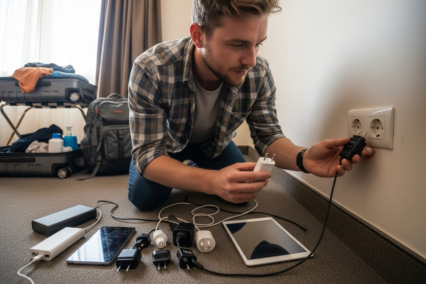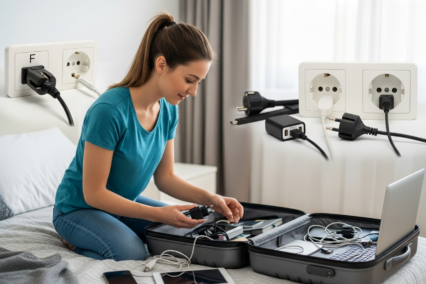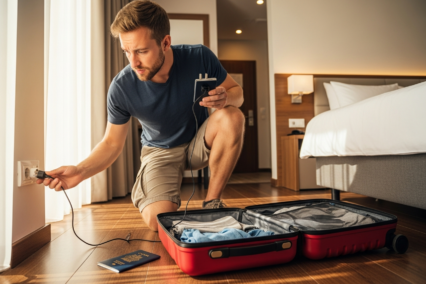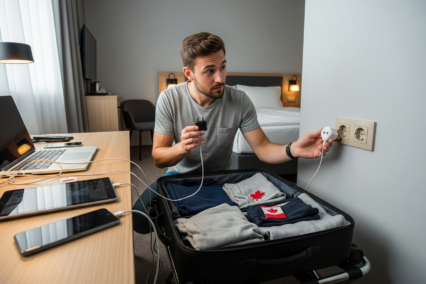
Key Highlights
-
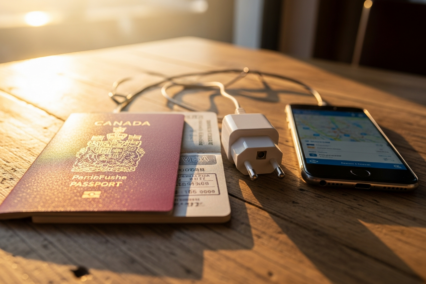
If you are from Canada and going to New Zealand, you will need a travel adapter for Type I sockets.
-
The electricity in New Zealand is 230 V. That is more than the 120 V used in Canada.
-
You may need a voltage converter for your Canadian appliances or gadgets.
-
Some things like laptops and phone chargers work with both voltages. For these, you only need a plug adapter.
-
Make sure you check the input voltage label on your appliances before you plug them in.
-
You can use a combined travel adapter and voltage converter. This makes it easy because everything is in one.
Introduction
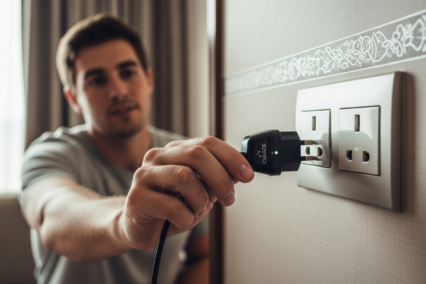
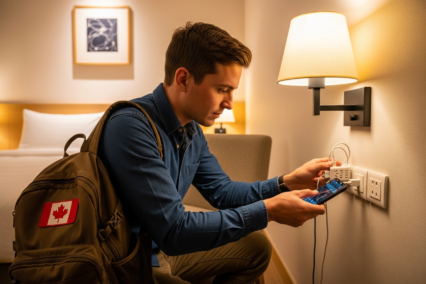
Are you thinking about a trip from Canada to the amazing places in New Zealand? That’s pretty exciting! When you start to pack, don’t forget to plan how you will keep your devices charged. The power plugs in New Zealand are not the same as what you have at home. This guide will show you what you need to know about electrical outlets. It will help you pick the right plug type and tell you if you need a travel adapter. You will learn how to keep your holiday in New Zealand full of power and free from worry.
Understanding New Zealand Electrical Outlets
When you get to New Zealand, you will see that the power sockets are not the same as in Canada. In New Zealand, they use Type I sockets. These have two flat pins shaped like a “V” and sometimes there is a third pin for grounding. This is not like the Type A and B plugs that people in Canada use.
The electric current in New Zealand is also not the same. There, the voltage is 230 V and the frequency is 50 Hz. In Canada, it is usually 120 V with 60 Hz. This big difference in voltage and Hz means you need to be careful with your appliances. You might need to think about what these changes will mean for your items from Canada when you plug them into the sockets over there. This way, you can make sure your things will work safely in New Zealand.
Common Plug Types and Compatibility for Canadians
Your Canadian plugs simply won’t fit into New Zealand sockets. Canada primarily uses Type A (two flat parallel blades) and Type B (two flat parallel blades with a round grounding pin) plugs. New Zealand, on the other hand, exclusively uses Type I plugs. This means a travel adapter is a non-negotiable item for your trip.
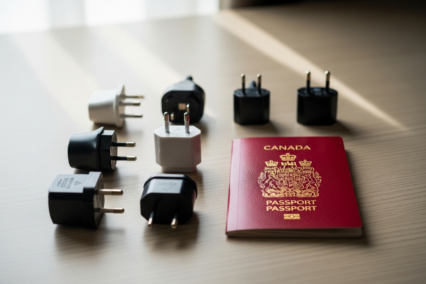
The same plug type is used in Australia, so if you have an adapter from a trip down under, it will work. However, plugs from the UK or Europe will not be compatible with New Zealand electrical outlets. You will need a specific Type I adapter. A world travel adapter can be a great investment if you travel often, as it covers multiple socket types.
Here’s a quick comparison for clarity:
|
Country |
Plug Type(s) |
Compatible with NZ Sockets? |
|---|---|---|
|
Canada |
A, B |
No, requires an adapter |
|
New Zealand |
I |
N/A |
|
Australia |
I |
Yes |
|
UK / Ireland |
G |
No, requires an adapter |
Voltage and Frequency Standards in New Zealand
The main thing you need to know, apart from the plug shape, is the voltage. In New Zealand, the standard voltage is 230 V. This is a lot more than the 120 V used in Canada. If you plug a single-voltage Canadian appliance into a New Zealand outlet, even with an adapter, you risk hurting your appliance. It can even be a danger to you.
Because the electric current in New Zealand is much higher, you will need a voltage converter. This device will lower the voltage from 230 V down to a level your appliances can handle. There is also a difference in hz, or frequency. New Zealand uses 50 Hz and Canada uses 60 Hz. Most gadgets are okay, but gear with a motor like clocks or shavers may not work right if your converter does not also change the frequency.
The good news is, lots of newer laptops, phone chargers, and camera chargers are made for both types of voltage and frequency. Look on your device for a label that says ‘INPUT: 100-240V, 50/60 Hz’. If it says this, your device will work fine and you only need a plug adapter for New Zealand. You do not need a voltage converter for these gadgets.
Travel Adapters and Converters: What Canadians Need
Yes, every Canadian going to New Zealand will need a travel adapter for their plugs. Your plugs from Canada won’t work with the Type I sockets found there. The adapter helps your plug fit the outlet, but it does not change the electrical voltage.
For some appliances, you will need a voltage converter because New Zealand has a higher voltage, at 230 V. You can buy the adapter and converter by themselves, or get a travel device that does both jobs. A world travel adapter is a good choice if you want to see other countries as well.
Choosing the Right Adapter for Your Devices
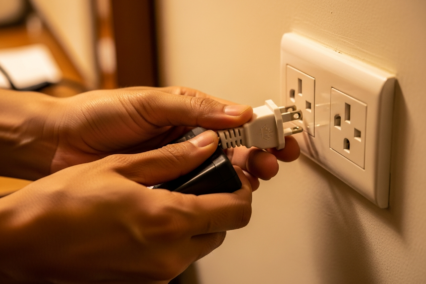
Choosing the right adapter starts when you know what you need to plug in. For devices that can take both voltages like your laptop or phone charger, a basic travel adapter is all you need. The adapter is small and light. It lets your Canadian plug fit into a socket in New Zealand.
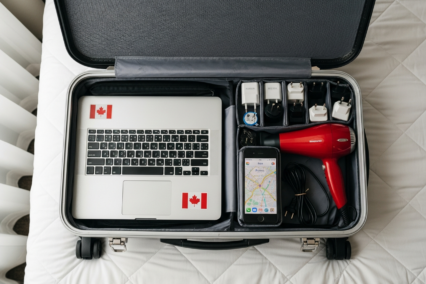
For things like a hairdryer or shaver, only work with one voltage, you will need a voltage converter. You can also pick a combined unit. That gives you plug fit and voltage change at the same time. A world travel adapter is another good option. It often comes with more plug types to fit anywhere and might have USB ports to charge your gadgets with ease.
When you look for adapters, keep these tips in mind:
-
The adapter has to be Type I for New Zealand.
-
See if it has USB ports. That way, you can charge phones and tablets.
-
Get a combined adapter/converter if you bring appliances with one voltage.
-
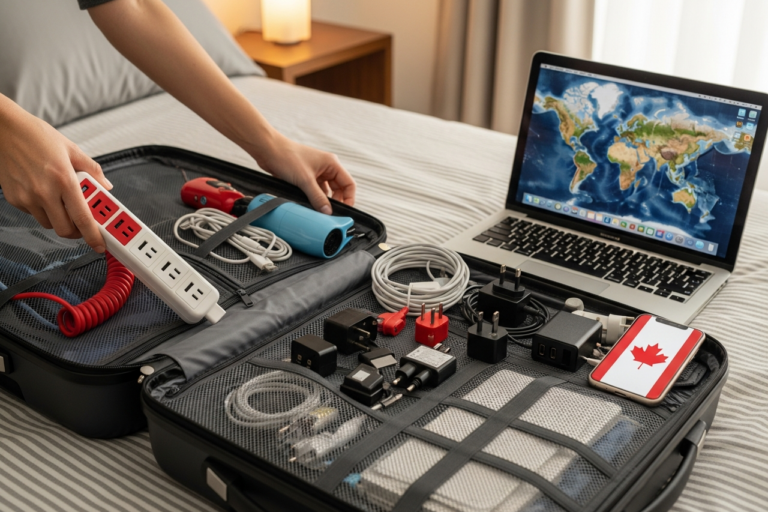
Think about a surge protector with a few outlets. That way, one adapter can charge many devices together.
-
Buy adapters while you are in Canada. You can skip the problem of finding a travel adapter when you arrive.
Use a travel adapter, voltage converter or world travel adapter so your gadgets and appliances work in New Zealand.
Power Safety Tips When Using New Zealand Outlets
Your safety comes first when you deal with unknown electrical systems. In New Zealand, the voltage is higher, so you have to be more careful. Check the voltage on your appliances every time before you plug them in, even if you use a travel adapter.
Do not try to make a plug fit if it does not go in easy. Use the right Type I adapter. That helps make a safe and steady connection. If your plug is loose, it can be a risk for fire or shock. Also, do not put too many strong appliances into one socket, even if you use a power strip.
Here are a few quick new zealand tips to stay safe:
-
Always use a voltage converter for single-voltage (120 V) devices.
-
Check that your travel adapter and converter are certified and in good shape.
-
Keep chargers and adapters far from water, especially in bathrooms.
-
Unplug your adapters and chargers from their sockets when you do not use them.
Conclusion
Knowing how electrical outlets work in New Zealand is important for Canadians who are visiting or moving to this country. You have to get familiar with the plug types, what voltage is used, and why the right travel adapters matter. This makes sure your appliances are safe and they work well. When you understand these things, your trip will go smoothly and you won’t run into trouble with your electronics. It does not matter if you are there for a little while or staying longer, you need the correct info. If you want to enjoy New Zealand and not worry about your appliances, just ask for help to get advice made for you.
Frequently Asked Questions
Can I use my Canadian appliances in New Zealand?
Yes, it can be done, but you need to be careful. You should use a Type I plug adapter for your appliances. If you bring a single-voltage (120 V) appliance from Canada, you will also have to use a voltage converter. This makes it safe when using New Zealand’s 230 V outlets. If your appliance can work with two different voltages, then you only need an adapter.
Is it safe to use European or UK electronics in New Zealand?
Electronics from the UK and most of Europe use the same voltage (230 V) as in New Zealand. Because of this, you don’t need a voltage converter. But, the plugs are not the same. The UK uses Type G plugs and Europe uses Type C or Type F plugs. New Zealand has Type I sockets. So, you will need a travel adapter to make your plugs fit into their sockets. If you travel to New Zealand, make sure to pack the right adapter and not a converter, as the voltage is already matched.
Where can Canadians buy travel adapters for New Zealand?
Canadians can get a travel adapter for New Zealand without much trouble. You can find one online at stores like Amazon.ca. The adapter will also be for sale at many electronics shops and travel stores. Some big department stores have it too. You want to find a Type I adapter. If you want an adapter for other trips later, get a world travel adapter.
This will help you use your things in New Zealand. Amazon is a quick place to find what you need.