Key Highlights
Here are some things you should know for your trip to Nepal:
-
Nepal uses type C, type D, and type M plugs. These are not the same as the ones in Canada.
-
The standard voltage in nepal is 230V. This is more than the 120V power supply in Canada.
-
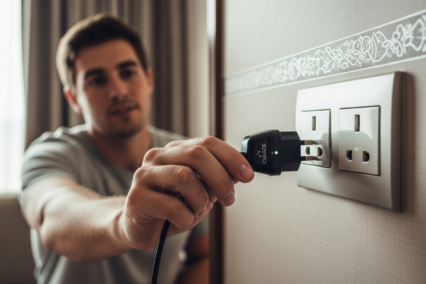
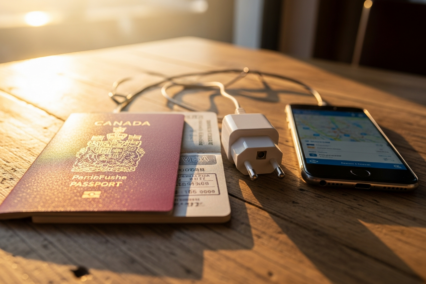
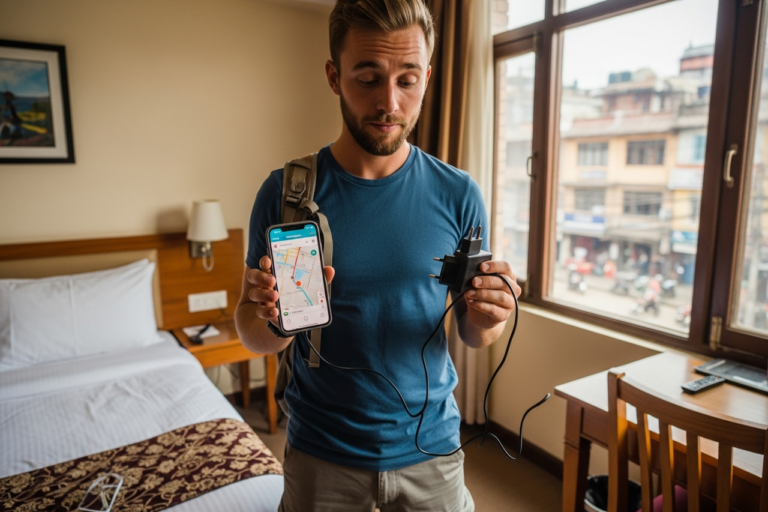
You will need a plug adapter to use your Canadian electronic devices with nepal outlets.
-
If you have single-voltage devices, you also need a voltage converter. This helps stop your stuff from getting damaged.
-
Dual-voltage electronic devices, like laptops or phone chargers, may need only a plug adapter and not a converter.
-
You should bring power banks. These are good for trekking in nepal, since power outages can happen.
Introduction
Are you planning to visit Nepal to see the amazing views? This trip can be one you remember for a long time! But before you get ready to go, it is smart to think about things you will need there, like charging your phone or camera. The way people use electricity can be very different in different countries, and that is true for Nepal, too. You need to know about the type of plug and the voltage used in Nepal. That way, you will not have any trouble keeping all your things charged. This guide will help you learn what you need about electrical standards in Nepal, so you can have less hassle on your trip.
Understanding Nepal’s Electrical Standard for Canadian Travellers
When you travel from Canada to Nepal, you will see that the power supply is not the same as what you have in Canada. The standard electrical voltage and how often the power changes go up and down are different in Nepal. This means you need to be careful with your electronic devices and all other electrical devices. You have to make sure the plug type and the voltage range are right, or your device could break. It is important to know what outlets they use in Nepal. You need to know what power supply they give for the plug so your stuff will work the way it should. If you use the wrong setup, there is a chance you might damage your things.
Types of Electrical Outlets Used in Nepal
In Nepal, you will come across three main types of power outlets: Type C, Type D, and Type M. These sockets have different shapes and pin configurations compared to the outlets in Canada. While Type C is the most common, especially for low-power devices, it’s a good idea to be prepared for all three.
The Type C socket is also known as the “Europlug,” while the Type D and Type M sockets are larger and designed for higher-power appliances. Each socket requires a corresponding plug type. A Type D plug will not fit into a Type M socket, and vice versa, despite their similar triangular pin layout.
Here’s a quick breakdown of the plug types compatible with Nepalese electrical outlets:
|
Plug Type |
Description |
Common Use |
|---|---|---|
|
Type C |
Two round pins, also known as the “Europlug.” |
Low-power devices like chargers. |
|
Type D |
Three round pins in a triangular pattern. |
Higher-power appliances. |
|
Type M |
Three larger round pins in a triangular pattern. |
High-power devices, less common. |
Standard Voltage and Frequency in Nepal
The power supply in Nepal is not the same as in Canada. The standard voltage in Nepal is 230 volts, and the standard frequency is 50 hertz (Hz). In Canada, it is only 120 volts with a 60 hertz frequency. That is a big difference.
This higher voltage in Nepal means you cannot just plug your Canadian appliance or device into a plug there. If you do, and your device is made for 120V, it could get too hot, stop working, or even cause a fire. It is very important to check your devices before you travel.
So, you need to know about the voltage range before you go to Nepal. If you bring any electronic item that does not work with 230 volts, you will need a voltage converter to make the power safe. Always use a voltage converter when using a Canadian device in Nepal unless your appliance is made for 230 volts. Be sure to check the label on your device’s plug or power brick to see the voltage it can handle.
Plug and Socket Compatibility for Canadians
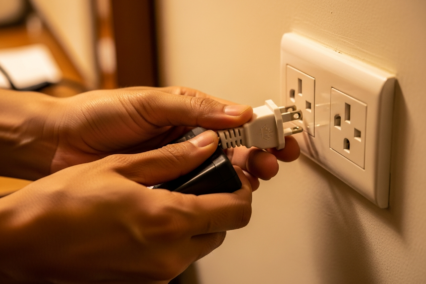
If you are from Canada, the plugs you use at home will not go into outlets in Nepal. You need to have a plug adapter that works with Type C, Type D, or Type M sockets. This plug adapter lets you fit your flat Canadian prongs into the round outlets you find there. It is good to know that a plug adapter does not change the voltage.
If you need a voltage converter will be based on what kind of device you want to use. When your device only runs on one voltage (110-120V), you must have a converter to use it in Nepal. If your device is a dual voltage one, it will work with Nepal’s 230V power. In this case, you will need only a plug adapter and not a voltage converter. We will talk about this in more detail later.
Type d, type c, type m, voltage converter, plug adapter, dual voltage, single voltage, voltage, plug, nepal, adapters, converter.
Which Canadian Device Plugs Work in Nepal?
The standard Canadian plugs, like Type A or B, do not fit into power outlets in Nepal. You will always need a plug adapter when you are there. The main thing you need to check is if your device works with the voltage in Nepal.
Many new electronics made for travel are dual voltage. You can find this out by looking at the label on the power brick or plug. If it says things like “INPUT: 100-240V, 50/60 Hz,” that means your device is dual voltage. It will work fine with just a plug adapter. If the label says something like “INPUT: 110V AC,” this is a single voltage device. You will need a voltage converter for it.
The most common devices that are dual voltage include:
-
Laptop chargers
-
Smartphone chargers
-
Camera battery chargers
It is best to check such devices before you go. If you are not sure, it is smart to use a converter.
Popular Plug Types in Nepal (Type C, D, and M)
Let’s get to know the plug types you will see in Nepal. The main ones are type C, type D, and type M. They all use round pins, but have different shapes and sizes. You will not see outlets with flat prongs like the ones in Canada.
Type C plugs are also called the Europlug. These have two round pins that sit side by side. People use them a lot for smaller things, like phones or laptops. Type D plugs have three round pins in a triangle shape. The top pin is bigger and longer, and it is for grounding. These are common for bigger things in the home.
Type M plugs look like type D plugs but are much bigger. Their pins are even thicker, so they work for things that need more power. Type M plugs are not as common, but you can still find them in some places. Since there are these different shapes and sizes, it is good to use a universal adapter while in Nepal.
Travel Adapters and Converters: What Canadians Need to Bring
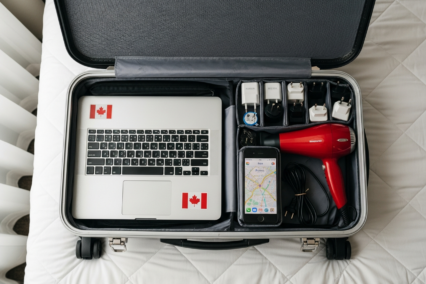
Given how plugs and voltage are not the same, you might wonder what you need to pack. Every Canadian flying to Nepal should bring a plug adapter. This is a small tool to let your North American plugs work in the sockets there. Keep in mind, an adapter does not change the voltage that comes from the wall.
If you want to use some electrical devices, you may need a voltage converter too. This tool takes Nepal’s 230V power and lowers it to 120V, which is what some one-voltage items from Canada may need. Let’s go over how to pick a good travel adapter and see if a voltage converter will be needed for your electronics when you visit Nepal.
Choosing the Right Travel Adapter for Nepal
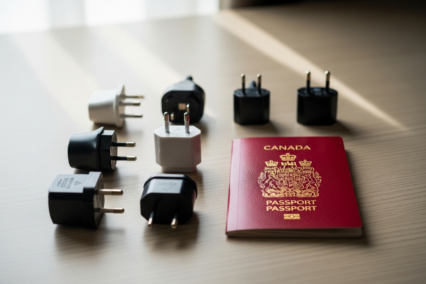
When picking a travel adapter for Nepal, the safest choice is a universal adapter. In Nepal, you may need to use Type C, D, or M outlets. A universal adapter helps you get power no matter which plug type you run into. It is not a good idea to buy a different plug adapter for each type of plug.
You can buy a travel adapter online from places like Amazon, or at an electronics store before you leave Canada. While these adapters are also sold in Kathmandu, it’s best to buy first so you know you have a good one before you go. This way, you don’t have to look for adapters right when you get there. You should pick a trusted brand for safety and to feel sure your plug adapter will work well.
Here are some things to think about when choosing an adapter:
-
Versatility: A universal adapter works with all plug types and is the best pick.
-
USB Ports: Many new adapters have USB ports. This lets you charge more than one device at a time.
-
Quality: Do not just buy the cheapest one. A low-cost plug adapter may not be as safe.
Using the right travel adapter for Nepal helps you use the power supply for your devices with no trouble. It also keeps your devices safe as you travel.
Do You Need a Voltage Converter for Your Electronics?
This question is very important if you want to keep your electrical devices safe. You need to know if your appliance is single voltage or dual voltage. To check this, look at the small label on the device’s power adapter or the device itself. It will tell you the input voltage range.
If the label says “INPUT: 100-240V,” this means your device is dual voltage. The device can change to match the local voltage, so you do not need a voltage converter. Most new electronics like laptops, phones, and camera chargers are dual voltage. You only need a plug adapter for such devices.
If your device is single voltage and shows “INPUT: 110V” or “120V,” you will need a voltage converter. Do not plug the appliance into a 230V outlet without a converter or it may stop working. Some items, like hair dryers or electric shavers, are single voltage, so always look at the label before you use them with a different plug or voltage.
Charging Devices Safely and Efficiently in Nepal
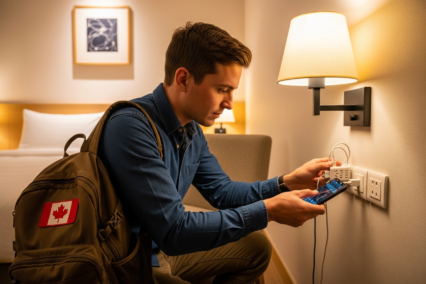
Once you have the right adapters and converters, you can start to charge your electronic devices, like cell phones, in a safe way. It’s important to keep these things working because you might need them in Nepal. The power there may not always be stable, especially if you are not in big cities. Sometimes the power can go out or change a lot.
It is a good idea to bring power banks. They help to give you backup power when you need it. There is not the same power in all places. Some city hotels have more stable power, but places you go trekking may not, so you should get ready for anything. Here are a few tips on safe charging, and what you might find in different parts of Nepal.
Tips for Safely Charging Phones, Laptops, and Power Banks
Charging your electronic devices in Nepal is usually safe if you use the right equipment. The power supply there can be up and down sometimes, so it’s a good idea to have a surge protector or a universal adapter that has surge protection. This helps keep your devices safe.
If you want to charge smaller things like your mobile phones or power banks, you can often use a plug adapter with the chargers they came with. Most of these chargers are dual voltage, so they work with the higher voltage in Nepal. Make sure your plug and adapter fit the outlet snug, as a loose plug can get hot and may cause problems.
Here are some tips for safe charging:
-
Do not put too many devices in one outlet at a time.
-
Unplug your chargers when you’re not using them. This helps protect them against power surges.
-
Never use a cord or adapter that is damaged.
-
Don’t leave your devices plugged in and charging overnight. This is important if you know the power supply can have problems.
Using a good plug adapter and making sure your electronic devices work with the local voltage will help you stay safe. Always check your adapters and voltage needs when you travel with electronic devices to Nepal.
Power Availability in Hotels Versus Trekking Regions
Your experience with the power supply will change a lot depending on where you are in Nepal. In a city like Kathmandu, most hotels and guesthouses have a good supply of power. But sometimes you may still notice outages. You will see standard outlets in your room and can use them to charge your devices any time you need.
If you go out to trekking regions like the Everest Base Camp trek or Manaslu, things are much different. Tea houses and lodges in the Himalayas get their electricity from solar panels or small grids. Out here, power is a big deal and very important.
In most remote lodges, you will likely pay a fee when you want to charge your phone, camera, or other devices. Usually it costs money for every hour you charge, or for each device. Outlets are not always in your room but in a common spot with other trekkers. Because of this, you should bring one or more full power banks with you on your trek. With the help of your power banks, your camera and phone will stay charged and ready for those awesome Everest Base Camp or Manaslu photos in Nepal.
Conclusion
To sum up, knowing about the electrical outlet standards in Nepal is important for Canadians who want an easy and fun trip. If you learn about the types of plugs, voltage, and how to charge your things the right way, you can keep all your devices working without trouble. Be sure to bring the right adapters and converters so your electronics stay on. With this info, you do not have to worry about power when you go to see Nepal and its beauty and culture. If you need more help or have a question about adapters or voltage in Nepal, you can ask for a free talk any time.
Frequently Asked Questions
Can I use my North American plugs directly in Nepal?
No, you cannot use North American plugs in Nepal. The outlets in Nepal are made for Type C, Type D, and Type M plugs. North American plugs do not fit these. You will need a plug adapter if you want to use your devices there. A universal plug adapter is the best choice for most people. It works for type c, type d, and type m plugs.
Are universal travel adapters recommended for Canadians visiting Nepal?
Yes, it is a good idea to bring a universal travel adapter with you. Nepal has three types of plug shapes, which are C, D, and M. Having a universal travel adapter means you can use the power supply in any place you stay. So, you will not have to worry about which plug to use, and this will make your trip much easier. A travel adapter is one of those things people should not forget when they go to Nepal.
Is it safe to charge electronic devices from electrical outlets in Nepal?
Yes, you can charge your electronic devices if you use the right plug adapter and a voltage converter for items that need it. To keep things safe, try to use an adapter with surge protection. The power supply can be unstable at times, so this can help protect your devices.